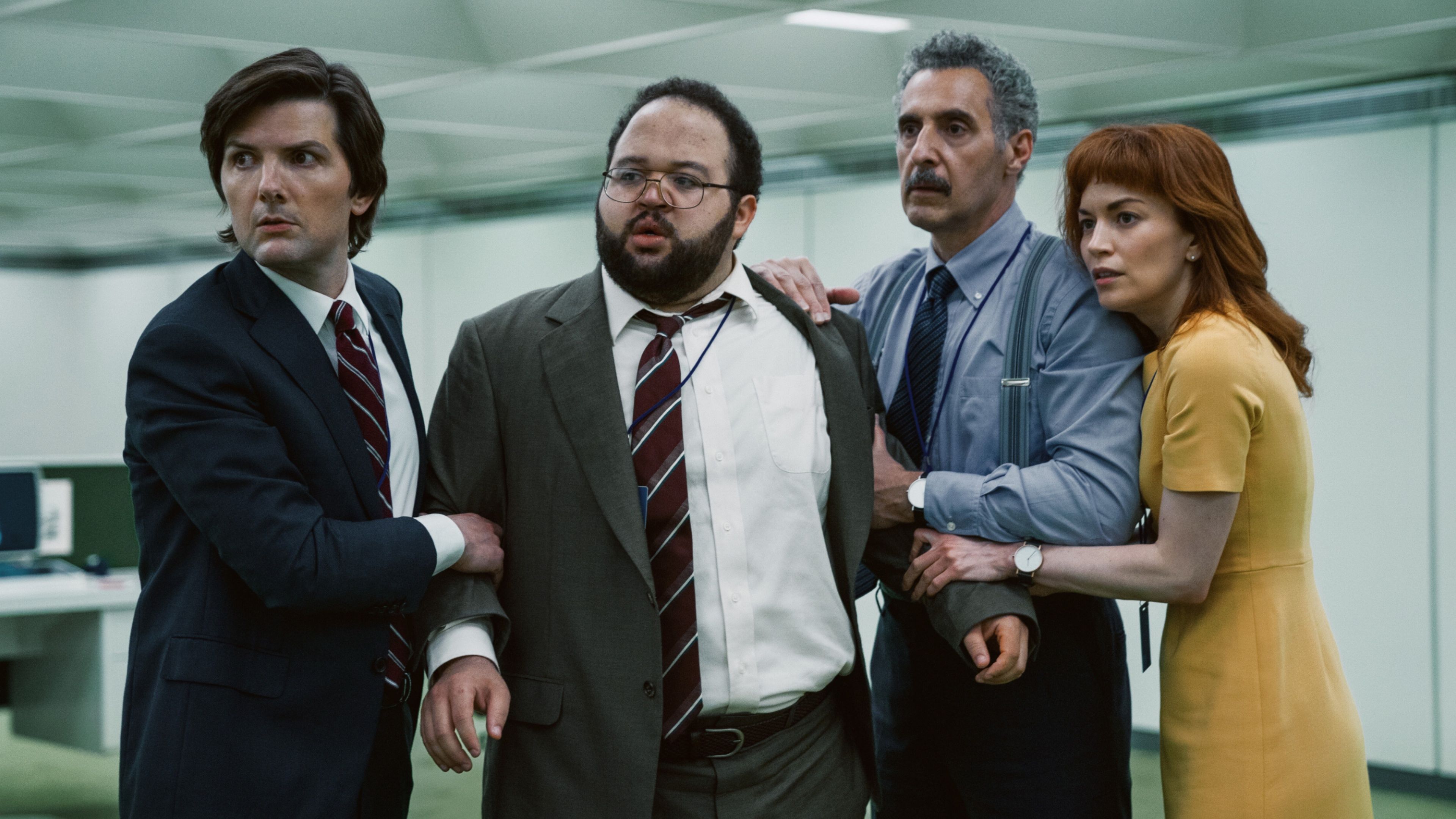
Severance is exceptionally well-made – the characters, visuals, and overall execution suggest it could become a classic. However, to truly achieve that status, it needs to learn a lesson from Lost. Like Severance, Lost was a massive hit, but it understood the importance of respecting its audience and not leaving them feeling confused or ignored.
Both series are quite similar. They immediately grab your attention with intriguing storylines and characters that make you want to know more. The constant mysteries are exciting and keep you hooked, but ultimately, both shows need to have a clear direction. Viewers won’t stick around indefinitely if the story doesn’t eventually move forward.
Lost Released One Season Per Year

The show Lost maintained a fast pace, releasing a new season with about 20 episodes every year. This is quite different from Severance, which has had seasons released three years apart, with only 9 or 10 episodes each time. This slow, unpredictable release schedule isn’t just frustrating for viewers—it could also hurt the show’s success.
| Lost Release Schedule | Episodes | Dates Aired |
|---|---|---|
| Season 1 | 25 Episodes | September 2004–May 2005 |
| Season 2 | 24 Episodes | September 2005–May 2006 |
| Season 3 | 23 Episodes | October 2006–May 2007 |
| Season 4 | 14 Episodes | January 2008–May 2008 |
| Season 5 | 17 Episodes | January 2009–May 2009 |
| Season 6 | 18 Episodes | February 2010–May 2010 |
These changes have dramatically reshaped how we watch TV compared to shows like Lost. Lost aired frequently, with around 20 episodes each year. Now, with the rise of binge-watching, Severance is unique because it feels both readily available and strangely limited at the same time.
| Severance Release Schedule | Episodes | Dates Aired |
|---|---|---|
| Season 1 | 9 Episodes | February 2022–April 2022 |
| Season 2 | 10 Episodes | January 2025–March 2025 |
As a big fan of shows that really draw you in, I think what’s so captivating about both Lost and Severance is how they slowly reveal their mysteries. Each episode adds a little piece to the puzzle, gradually expanding the world and hinting at a much larger story. With Lost, and so far with Severance, it’s a mystery that unfolds over several seasons, and that’s part of what makes them so addictive.
I really enjoy settling in to watch a show each week – it’s just a really satisfying rhythm. But honestly, binge-watching doesn’t hit the same way for me. It feels like a huge time commitment right then and there, and the payoff isn’t as good. Spending an entire weekend glued to the screen, only to finish with more questions than answers and no clue when the next season is coming? That’s just not as enjoyable, in my opinion.
Why Streaming’s Schedule Is So Different From Network Television
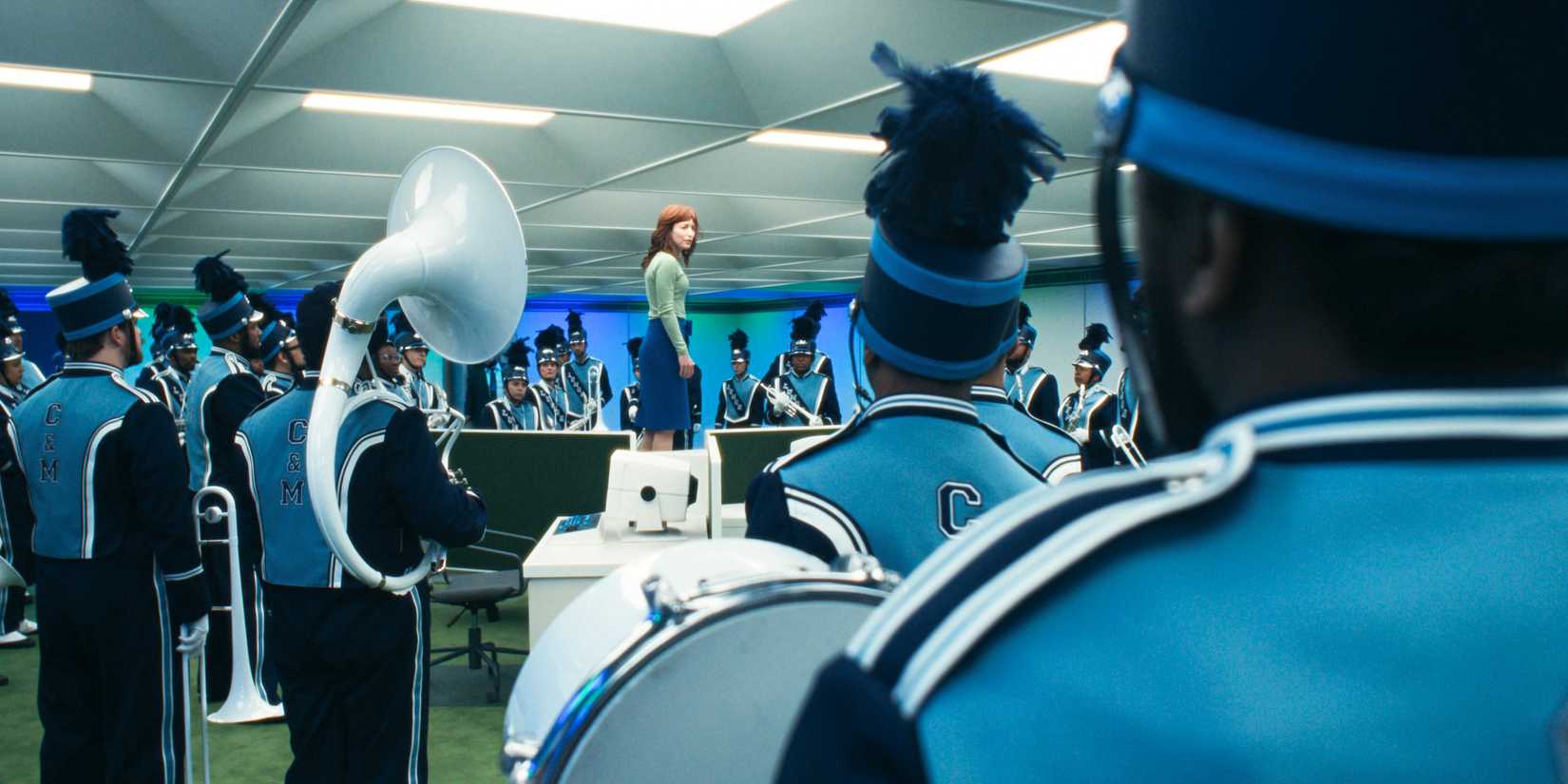
Image via Apple TV+
Today’s streaming services often release shows in an inconsistent way, and several things are contributing to this. Even if a show like Severance released new seasons every year, the wait would still feel long, especially when comparing a longer season of 20 episodes to a shorter, binge-worthy season of nine. But this isn’t just a feeling—Severance is actually taking years between seasons, and many other shows are doing the same.
As a film and TV lover, I remember when Netflix really changed the game with shows like House of Cards and Orange is the New Black. What struck me then, and still does, is how much they seemed to prioritize quality, throwing money at making really good shows. It felt less like traditional network television – where seasons drag on forever – and much more like premium cable, like HBO or Showtime. Those channels had already proven that shorter seasons could actually be better, and Netflix clearly took note.
This trend has quickly grown, leading streamers to invest heavily in top-tier creators and elaborate special effects. As a result, streaming seasons—and even individual episodes—are now being produced with the scale and quality of movies.
Streaming shows are increasingly being released later and having fewer episodes due to rising production costs, the busy schedules of well-known actors, and more complex editing processes. While shows like Lost and Severance share similar storylines, Severance is significantly more challenging to produce. Its detailed sets and careful filming methods require much more time and effort.
Will Severance Become As Iconic As Lost?

The show Severance is as good as, and possibly even better than, Lost (which was excellent, despite a few weak episodes). However, Lost was much more popular with a wider audience – something that’s uncommon for shows these days.
It’s much harder now to get millions of people to watch the same show at the same time and create a shared cultural experience, now that people can watch almost anything whenever they want. However, cable television proved you don’t need everyone to watch a show to be successful, and that approach led to hits like The Sopranos and Sex and the City.
TV seasons are now even briefer than they were during HBO’s most popular period, and this is diminishing the overall sense of fun and unpredictability. While shows like Lost often started with captivating moments, it was the detailed development of its characters that really stuck with viewers. Not every episode would be a hit, but the longer seasons allowed the show to take risks and still feel complete.
Lost was known for its diverse episodes – some focused on individual characters, others explored side stories, and some were simply lighthearted. This variety gave the show its unique feel and helped viewers connect with the characters. Severance also features compelling characters with a lot of promise, but its brief seasons often don’t fully develop them, or that development happens instead of moving the main plot forward.
The second season of Severance tried to delve deeper into its characters, but some episodes worked better than others. Episode 7, “Chikhai Bardo,” was a powerful and moving story focusing on Gemma, weaving together how she and Mark first connected with what she’s experiencing at Lumon now. However, the following episode, “Sweet Vitriol,” which centered on Harmony Cobel’s return home, wasn’t as successful.
One reason for this is the quick release of episodes. In a relatively short season like a 10-hour one, two hours that feel like filler really throw off the rhythm. And knowing there won’t be more episodes soon, viewers naturally want to see the story moving forward. There just isn’t enough time left for the details that make a show truly special and something you want to watch regularly.
Severance is a fantastic show, and I really hope it continues to do well. When the biggest criticism is simply wanting more episodes, it’s a great sign. As the show begins production on its third season, the creators could solidify its legacy, potentially reaching the same iconic status as Lost, by listening to that feedback and delivering even more content.
Read More
- Pluribus Star Rhea Seehorn Weighs In On That First Kiss
- Kelly Osbourne Slams “Disgusting” Comments on Her Appearance
- Gold Rate Forecast
- Arknights: Endfield – Everything You Need to Know Before You Jump In
- Looks Like SEGA Is Reheating PS5, PS4 Fan Favourite Sonic Frontiers in Definitive Edition
- ‘Marty Supreme’ Ending, Explained
- ’90s Cartoon Reboot & TMNT Connection!
- Hideo Kojima Says He Was Never Told About The Matrix Creators Wanting Him to Make a Game
- Guardians of the Globe Members We Want to See in Invincible Season 4
- Goat 2 Release Date Estimate, News & Updates
2026-02-18 22:33