Combining characters from different comic universes is always a hit with fans, but it’s not easy to pull off. Last year, Marvel and DC Comics teamed up for the first time in 20 years, creating crossover comics featuring Batman and Deadpool. This year, we’ll see similar team-ups with Superman and Spider-Man. While these large-scale crossovers are uncommon, they consistently spark debate – fans love to argue about who would win in a fight, like Goku versus Superman. The fact that discussions quickly expand to include characters like Homelander, Hulk, and Invincible shows just how popular and widespread these franchises and their fans have become.
Today marks the 36th anniversary of a truly unusual TV event. On April 21, 1990, a special called Cartoon All-Stars to the Rescue brought together ten of the biggest cartoon franchises in a way no one expected. Financed by McDonald’s charity, it felt like a massive, improbable team-up – similar to the more recent Avengers: Endgame for fans of 80s and 90s cartoons. The special’s story was odd, though: it combined the live-action/cartoon world of Who Framed Roger Rabbit with the cautionary tale style of Reefer Madness, delivering a moral lesson to young viewers.
Cartoon All-Stars to the Rescue Combined Your Favorite Franchises
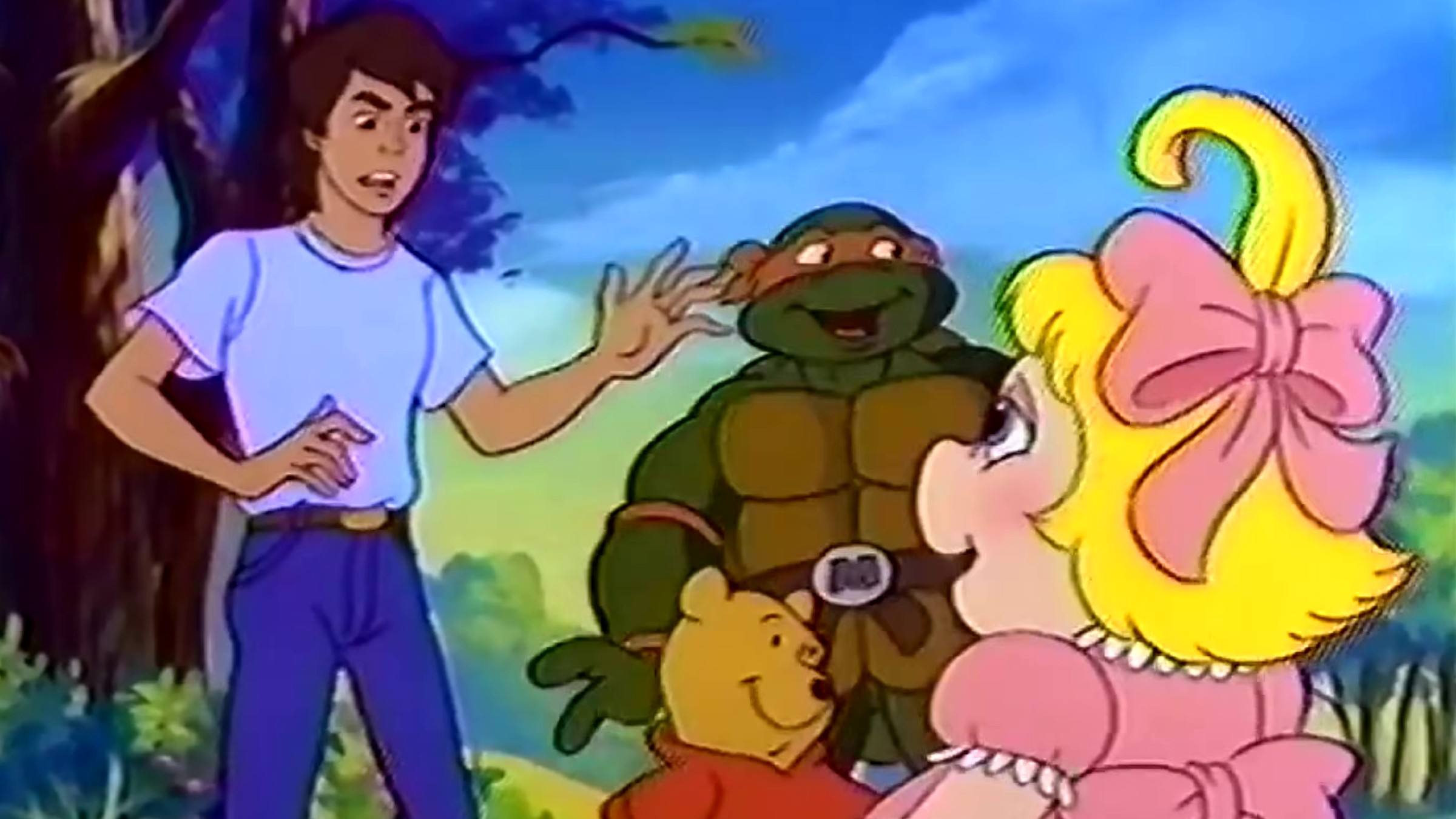
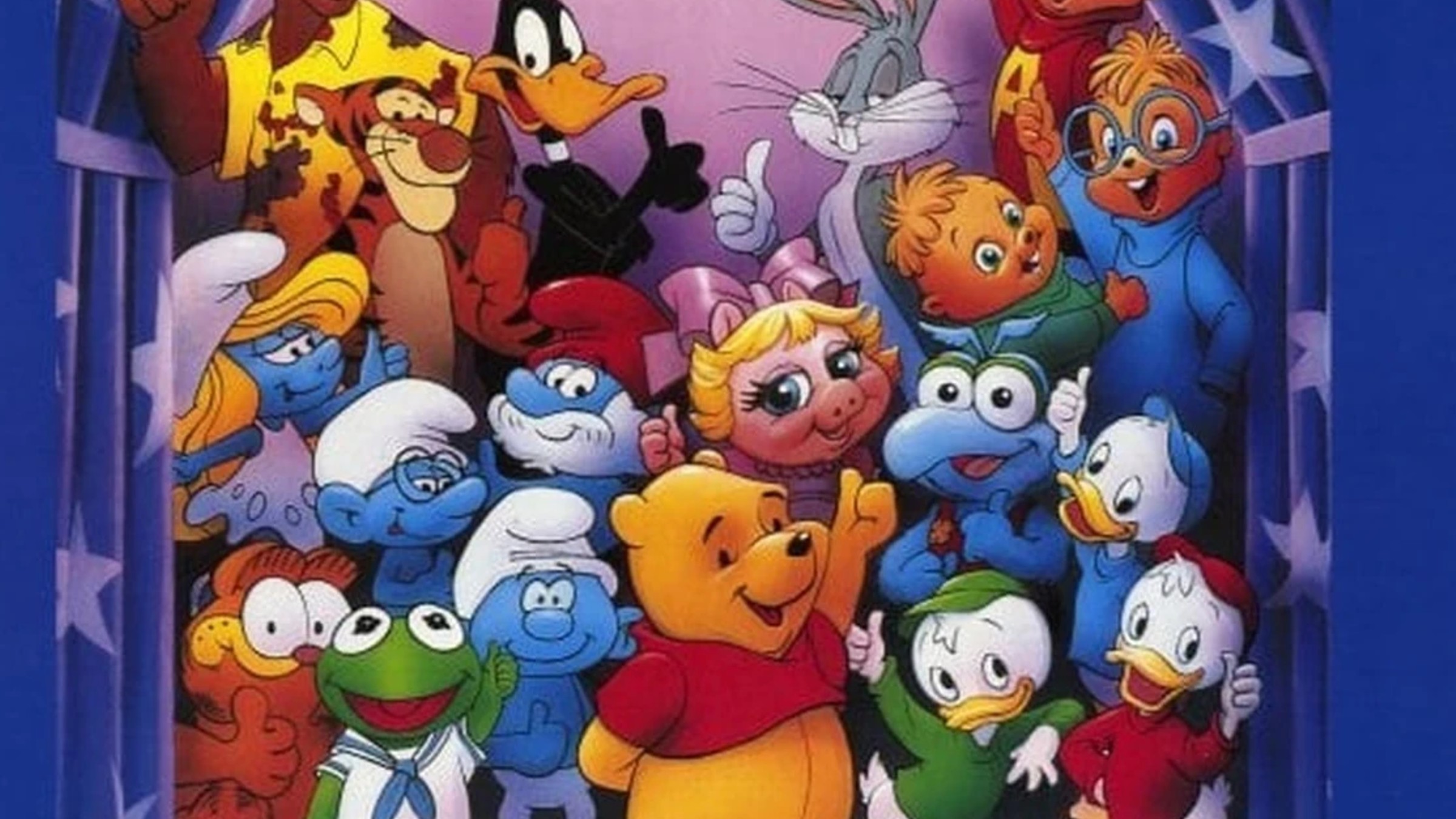
The story of Cartoon All-Stars to the Rescue begins with a young girl named Corey being woken up by a thief who steals her piggy bank. This event brings together a huge cast of beloved cartoon characters, including The Smurfs, ALF, Garfield, Alvin and the Chipmunks, Winnie the Pooh and Tigger, Kermit, Miss Piggy, and Gonzo from Muppet Babies, Slimer from The Real Ghostbusters, Bugs Bunny and Daffy Duck from Looney Tunes, Huey, Dewey and Louie from DuckTales, and Michelangelo from the Teenage Mutant Ninja Turtles.
In just under an hour, Cartoon All-Stars to the Rescue quickly unites a cast of famous cartoon characters with a serious mission: to help a young girl, Corey, stay away from drugs and to convince her brother, Michael, to stop using. Michael is revealed as the one stealing from Corey’s piggy bank to fund his habit. The special tries to scare Michael straight by showing him the potential consequences of drug use, starting with Bugs Bunny playfully impersonating a police officer (a sign of Michael’s altered state). Daffy Duck takes Michael on a journey through time, illustrating how drugs could ruin his life – a particularly striking moment features a skeletal figure and Daffy’s line, “It’s not Freddy Krueger, it’s you.” The special also includes an original song, “Wonderful Ways to Say No,” penned by Alan Menken and Howard Ashman (who both won Academy Awards) and performed by the entire cartoon ensemble. While most scenes feature only a few characters interacting, the song is one of the rare moments where they all appear together.
Despite its brief runtime, Cartoon All-Stars to the Rescue remarkably united many iconic cartoon characters. The story explains this by having them come to life in a child’s bedroom, similar to Toy Story – for example, the Smurfs emerge from a comic book, and Garfield is a bedside lamp. Beyond this creative premise, the special packed in as much anti-drug messaging as possible. Looking back nearly forty years later, the most memorable part of Cartoon All-Stars to the Rescue is arguably its key art featuring the assembled characters, as the special’s message feels very dated and disconnected from today’s world.
Cartoon All-Stars to the Rescue Was a Big Deal (And Also Propaganda)
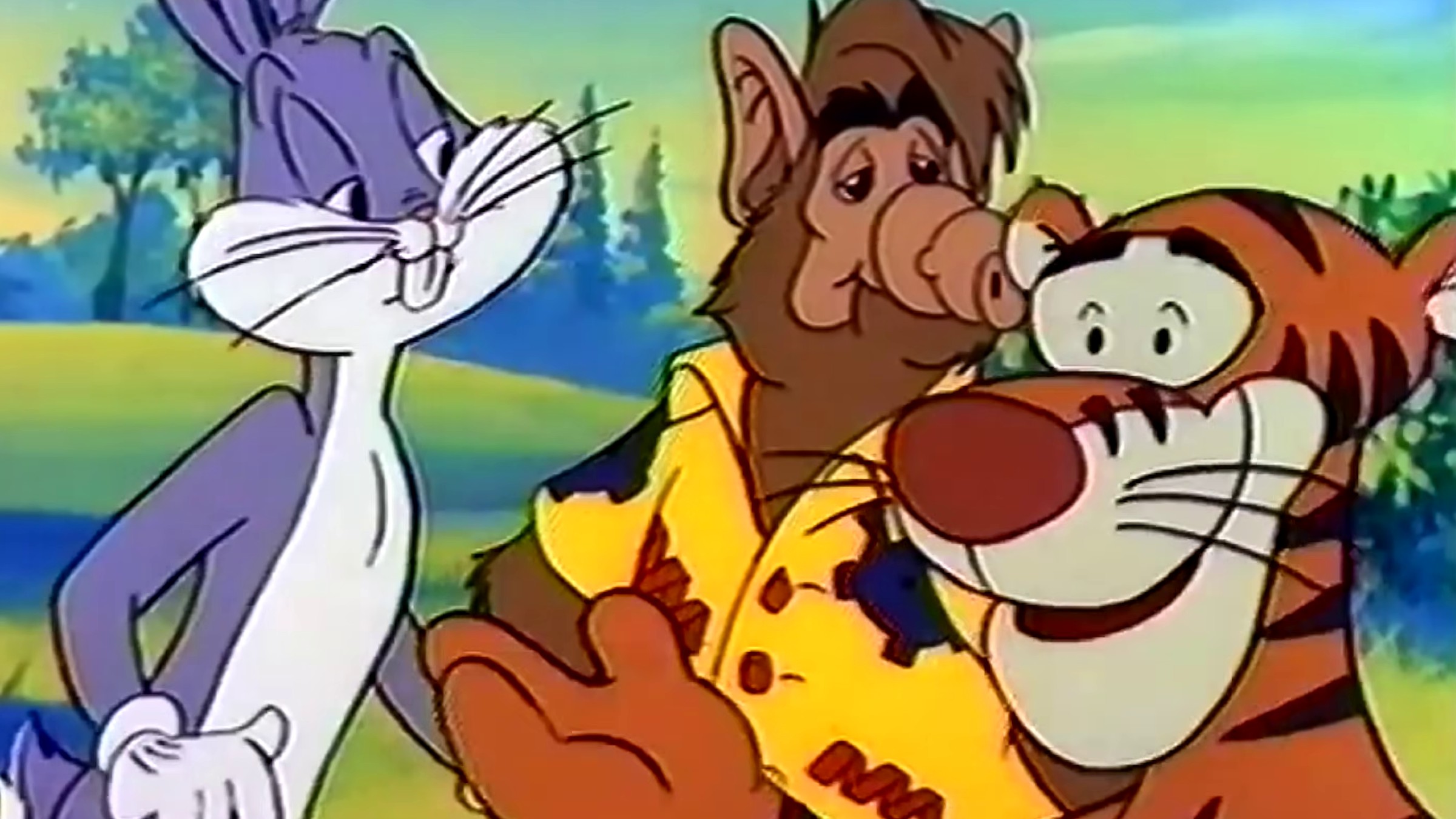
What truly set this series apart wasn’t just the inclusion of cartoons from every major network, along with all the associated copyright owners, but also the fact that the original voice actors were brought in. This made it feel like viewers were watching genuine versions of their favorite characters – Paul Fusco as ALF (though uncredited), Ross Bagdasarian Jr. as Alvin and Simon, and Jim Cummings as both Winnie the Pooh and Tigger, for example. And to top it all off, the special featured Smoke, an original character voiced by the acclaimed actor George C. Scott.
When Cartoon All-Stars to the Rescue first aired, it was remarkable for bringing together characters from different cartoons, all owned by separate companies. Even more surprisingly, all four major American television networks—ABC, CBS, NBC, and Fox—broadcast the special simultaneously, just one day after April 20th. The special garnered support from members of Congress, which was unusual then and remains so today. Before the premiere, the Associated Press published an article featuring a memorable quote from future president Joe Biden: “The most powerful weapon that we know in politics is the cartoon and we hope that the cartoon will be the most powerful tool to educate our children.”
The George H.W. Bush administration strongly emphasized keeping kids off drugs, and they actively promoted a special called Cartoon All-Stars to the Rescue. President and Mrs. Bush, along with their famous dog Millie, even appeared personally to introduce it. The special’s impact went beyond the US, with leaders in Australia, Canada, New Zealand, Mexico, and Japan introducing broadcasts in their own countries. Considering the popular cartoons involved and the political effort it took to coordinate everything, the project was remarkably significant. In fact, it’s fair to describe it as propaganda.
The special, Cartoon All-Stars to the Rescue, wasn’t meant to frighten older kids about drugs. It was actually targeted at much younger children – preschoolers. Featuring characters like Winnie the Pooh and Baby Kermit wouldn’t convince a 12-year-old to stay away from drugs, and the special’s most humorous line – delivered by Simon Seville in his high-pitched voice, identifying marijuana as an illegal substance – was clearly not for that age group. The combination of sweet, innocent characters and more popular figures like Alf and Michelangelo was designed to reach the impressionable minds of very young viewers who loved these shows.
These days, the popular video game Fortnite lets players team up with characters like Godzilla, Peter Griffin, Marty McFly, and Hatsune Miku, even landing in a version of Springfield from The Simpsons. Because of this, a project like Cartoon All-Stars to the Rescue doesn’t seem quite as groundbreaking. Plus, YouTube has been full of silly videos mashing up characters like Spider-Man and Elsa for years, and now AI can even create these kinds of crossovers, making the idea feel less special.
Today’s internet is full of characters from different shows appearing together, and it also has a lot more information about drugs – their effects, laws surrounding them, and even how to obtain them – than it did in 1990. Because of this, the 1990 special Cartoon All-Stars to the Rescue feels very dated. Its message is old-fashioned, and even the character crossovers, which were once its strongest point, don’t seem special anymore. Still, it’s a memorable special, and honestly, it’s a great example of something that would be incredibly difficult to create now.
Read More
- 10 Most Powerful Versions of Superman, Ranked
- Gold Rate Forecast
- GBP CNY PREDICTION
- Forza Horizon 6 Car List So Far: Confirmed Highlights, Cover Cars, DLC, and Rewards
- 007 First Light: Release Date, Story, Gameplay, Cast, Editions, and Platforms
- Superman’s 7 Best Power-Ups, Ranked
- DOGE PREDICTION. DOGE cryptocurrency
- Forza Horizon 6 PC Issues: Fix Crashes, Stuttering, Steam Errors, and Game Pass Problems
- Kingdom Come Deliverance Update 1.002 Enables Trophies to Be Transferred
- What happened to Soldier Boy in The Boys?
2026-04-21 16:15