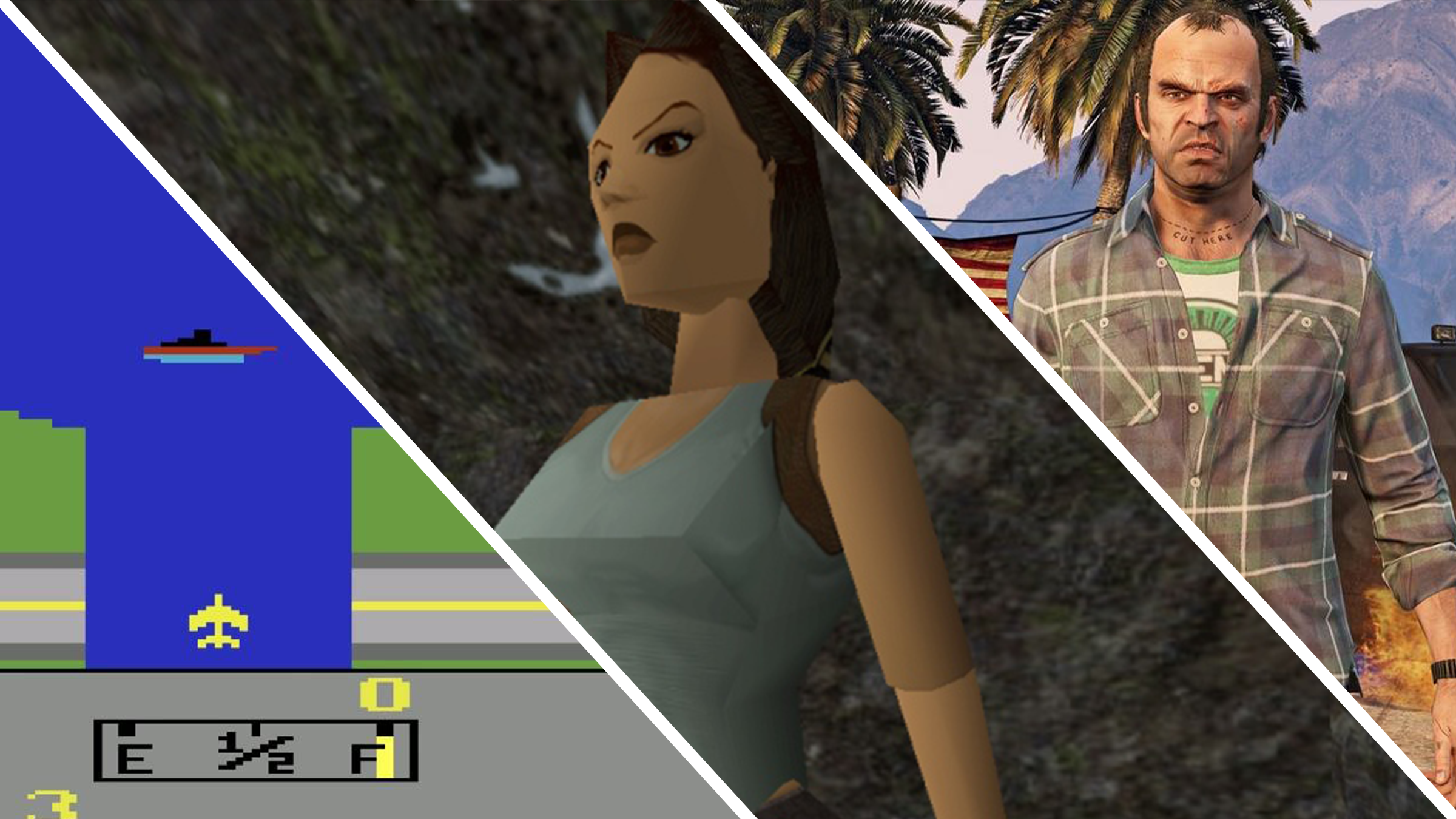
Since 1972, when the first home video game console, the Magnavox Odyssey, was released, there have been nine generations of consoles. Each new generation has brought significant improvements and innovations over the last. This pattern of rapid advancement continues today, with each company pushing the boundaries of technology with its next-generation consoles. Below, we’ve highlighted the most important innovations from each generation.
1) Home Video Games
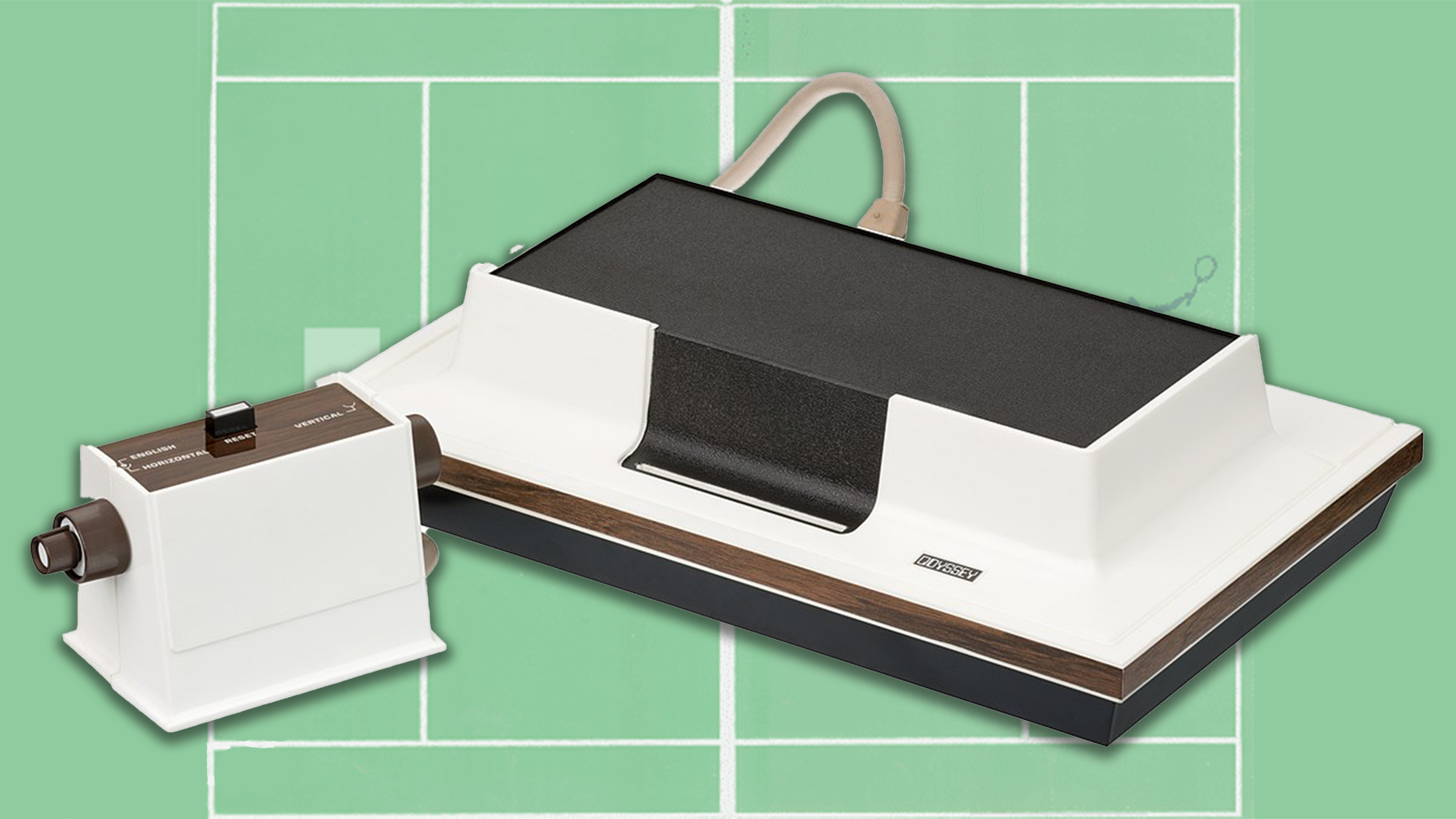
1st Gen: Atari Pong | Coleco Telstar | Magnavox Odyssey
Early home video game consoles were built with unique internal parts, meaning you couldn’t switch game cartridges. This first generation was dominated by games like countless versions of Pong and other simple systems. Atari made Pong after being inspired by the ping-pong game on the Magnavox Odyssey, which was a big hit and influenced a lot of people. Later in this era, consoles like the Coleco Telstar came out with slightly improved graphics, though they were still very basic. Despite their limitations, these systems showed that home video game consoles could be successful products, and they helped the industry get established in the 1970s.
2) Swappable Games
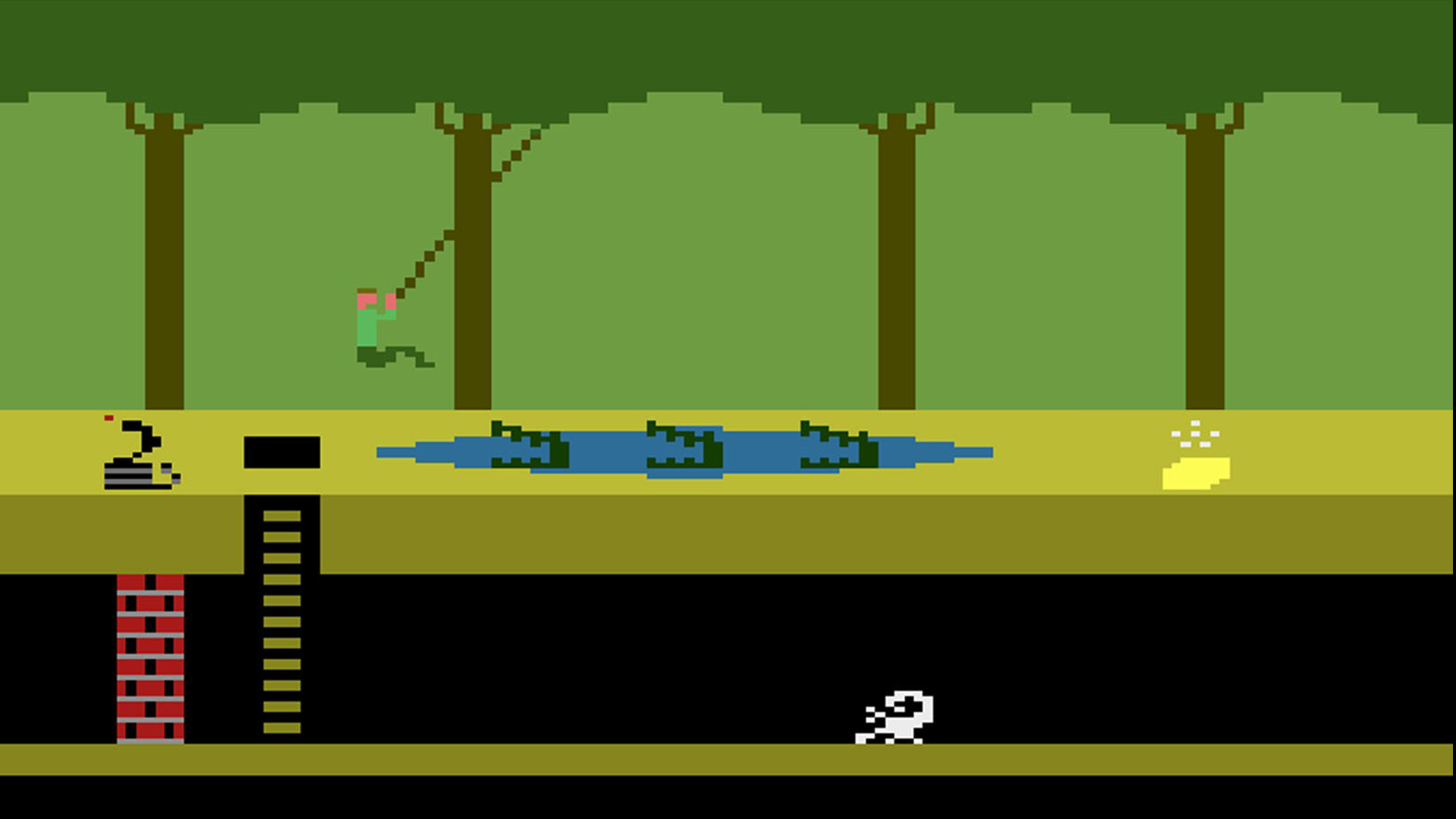
2nd Gen: Atari 2600 | Channel F | ColecoVision | Intellivision | Magnavox Odyssey 2
As a longtime gamer, I remember being blown away when the second generation of consoles arrived in 1976. The big thing? Game cartridges! Jerry Lawson invented them that year, and honestly, it changed everything. Before that, consoles only came with a few games built in. Suddenly, you could buy a system and then collect tons of different games to play whenever you wanted. It was amazing! But, looking back, it also caused some issues. There were just so many bad games released, and it eventually led to the big video game crash of 1983 – a really scary time when it looked like the whole industry might disappear.
3) Video Game Franchises & The Console War
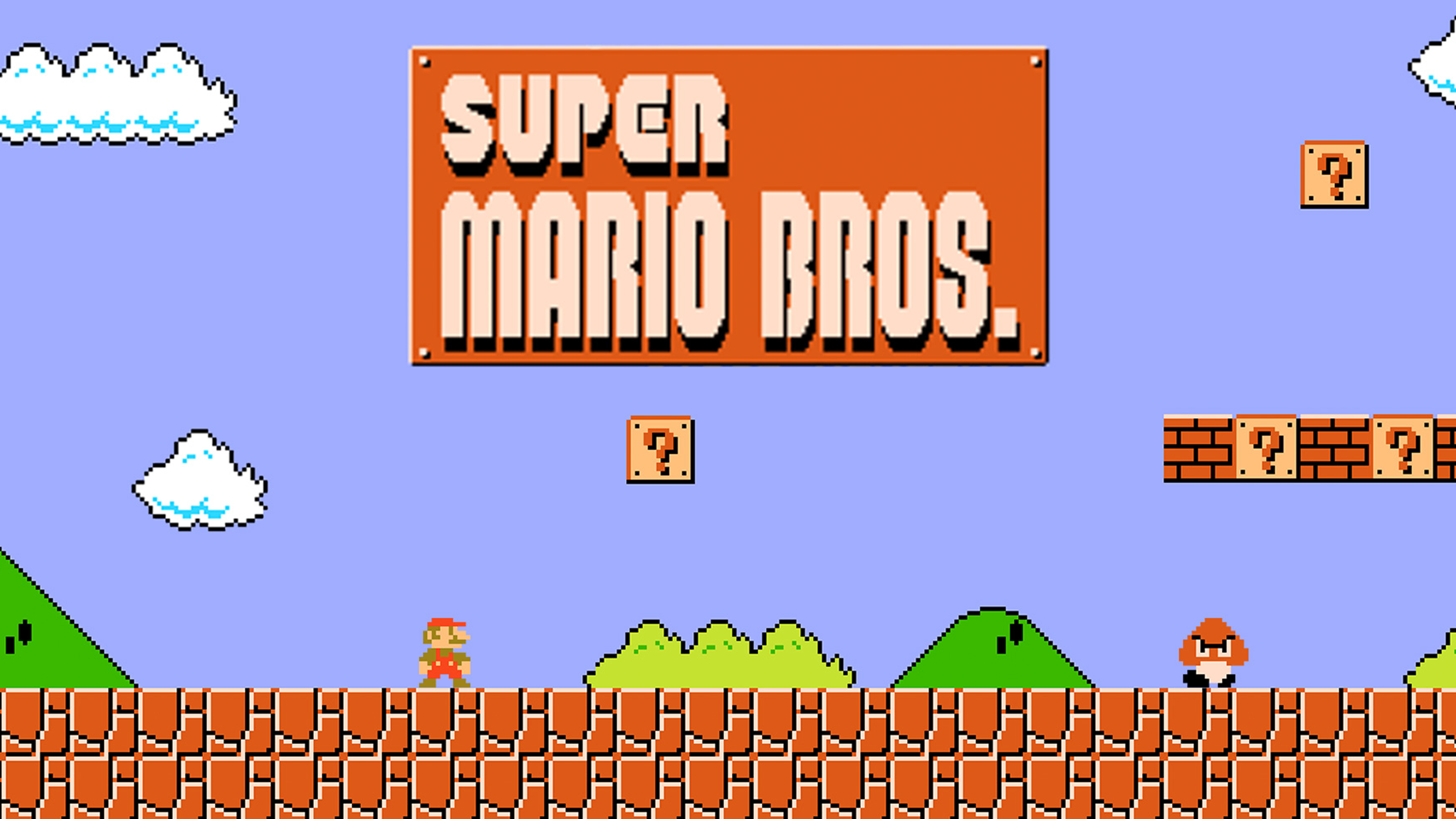
3rd Gen: Atari 7800 | Nintendo Entertainment System | Sega Master System
The third generation of video game consoles saw huge leaps in technology, with 8-bit systems that were far more powerful than previous ones. The industry almost collapsed with the video game crash of 1983, but Nintendo saved it with the Nintendo Entertainment System. The system’s success, particularly with the popular character Mario – one of the first successful video game mascots – helped revive the market and encouraged other companies to join in. Sega’s Master System, their first console sold internationally, became an early competitor and sparked the ‘Console Wars’ – a period of intense competition that fueled further innovation.
4) 16-Bit Graphics

4th Gen: TurboGrafx-16 | Genesis | NeoGeo | Super Nintendo Entertainment System
The fourth generation of video game consoles marked a significant advancement in graphics, sound, and memory. It moved beyond the limitations of 8-bit systems, ushering in the 16-bit era with popular consoles like the Super Nintendo and Sega Genesis. While these two dominated the market, other systems like the NEC TurboGrafx-16 and SNK’s NeoGeo offered even more advanced technology, though they weren’t as successful in North America because of their high cost. This generation introduced iconic new games like Sonic the Hedgehog and expanded the Nintendo universe. These consoles remained popular for nearly two decades, from 1987 to 2004.
5) 3D Graphics

5th Gen: 3DO | Jaguar | PlayStation | Nintendo 64
The fifth generation of consoles brought major technological advancements, most notably with the move to 32-bit systems. This generation saw Sony enter the console market with the PlayStation. While Nintendo continued using cartridges for the Nintendo 64, most other companies switched to CD-ROMs, which allowed for much larger and more detailed games with better graphics, sound, and gameplay. 3D graphics also became common for the first time. During this period, Atari’s influence declined, leaving Nintendo, Sega, and Sony as the main competitors in the gaming industry.
6) Online Multiplayer
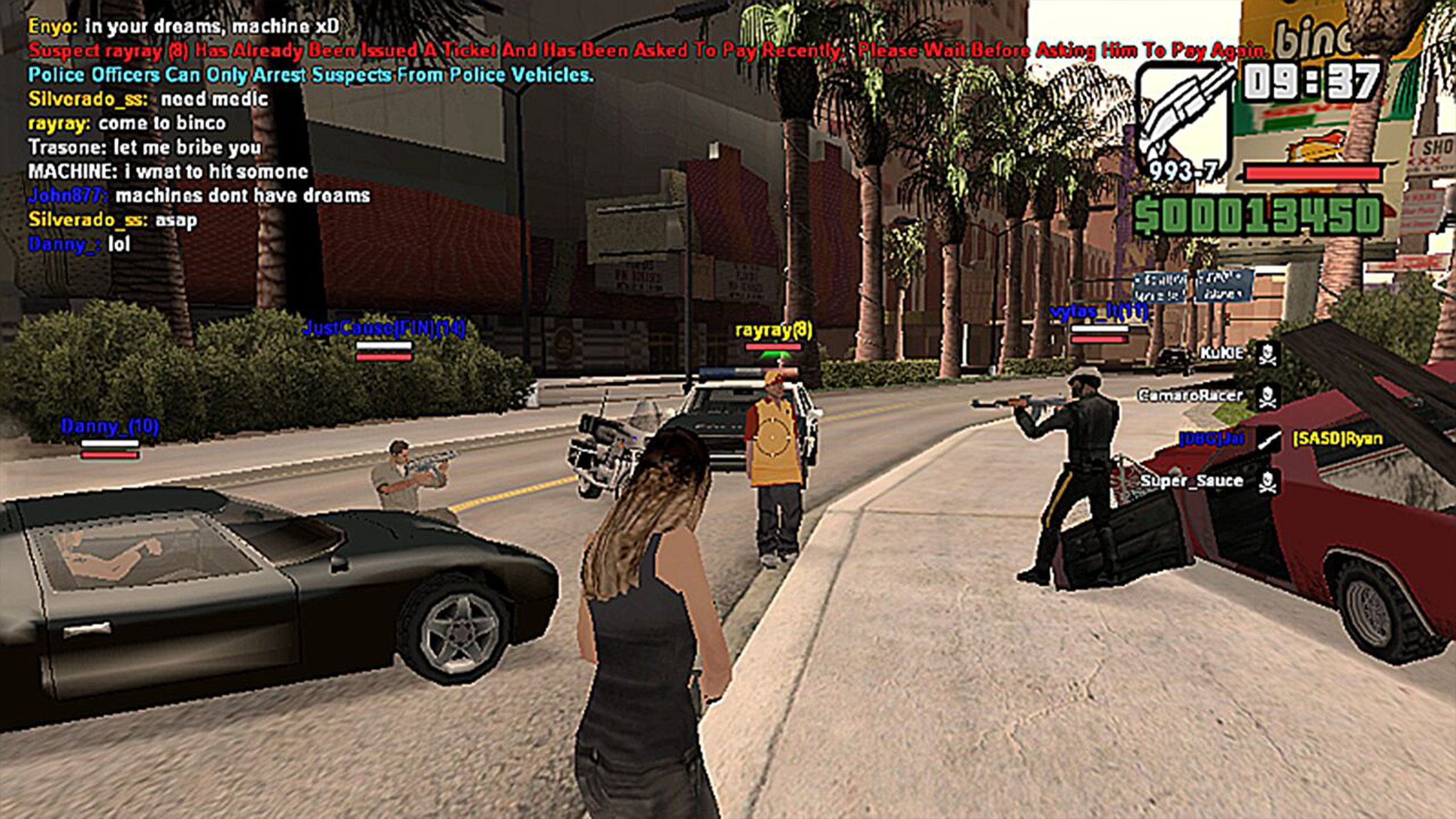
6th Gen: GameCube | Dreamcast | PlayStation 2 | Xbox
Online gaming on consoles didn’t become widespread until the sixth generation of systems. Though the Sega Dreamcast was an early adopter with its built-in modem, the PlayStation 2 really popularized online multiplayer. As more players went online, game developers started designing games specifically for this feature. Because the Dreamcast wasn’t as popular, Sega stopped making consoles, leaving Sony, Nintendo, and Microsoft (with the original Xbox) to compete. This push for online gaming continued to shape console development for years, lasting until around 2013.
7) HD and Motion Controls

7th Gen: PlayStation 3 | Wii | Xbox 360
The seventh generation of video game consoles brought two major advancements: high-definition graphics and motion controls. While motion control technology existed before, Nintendo’s Wii was the first to truly popularize it, becoming a huge commercial success. The Wii also cemented Nintendo’s reputation for creating consoles that were fun and accessible for the whole family. Though the PlayStation 3 and Xbox 360 led the way in HD gaming and online features, the Wii ultimately proved to be the most successful console of that generation. Microsoft tried to compete with the Kinect, but it was largely considered a less polished and effective version of Nintendo’s innovative system.
8) Powerful Hardware and VR
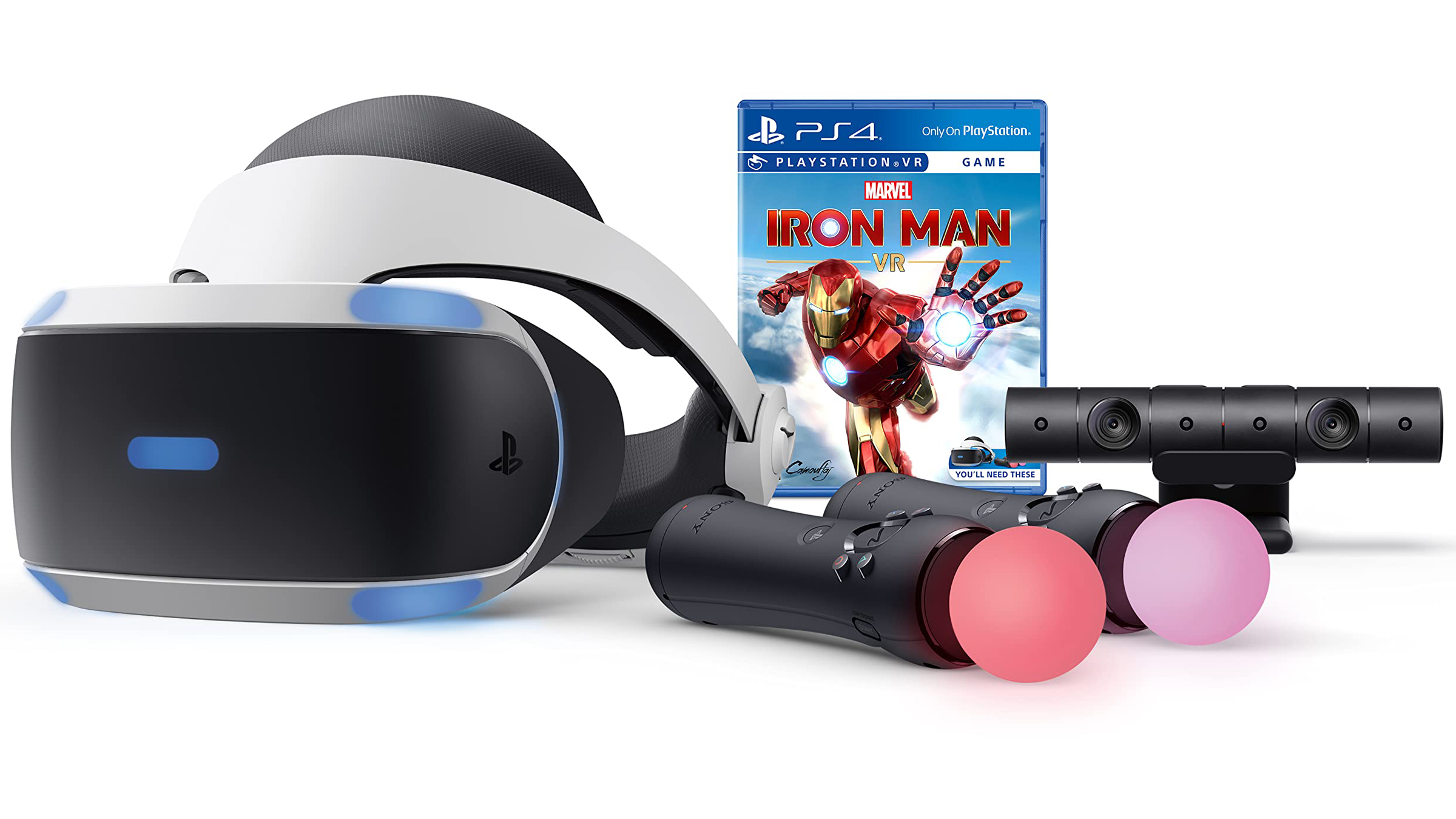
8th Gen: Nintendo Switch | PlayStation 4 | WiiU | Xbox One
During the eighth generation of gaming consoles, companies like PlayStation and Microsoft released new systems, with the PlayStation 4 being a particularly powerful example. While these consoles featured hardware improvements, it was the rise of virtual reality that really defined this generation. PlayStation VR was one of the first VR headsets, and many more have become available since then. This generation also saw the introduction of 4K gaming and faster internet connections. Microsoft tried to position the Xbox One as an all-in-one entertainment hub, but most gamers simply wanted a console focused on gaming.
9) Haptic Feedback
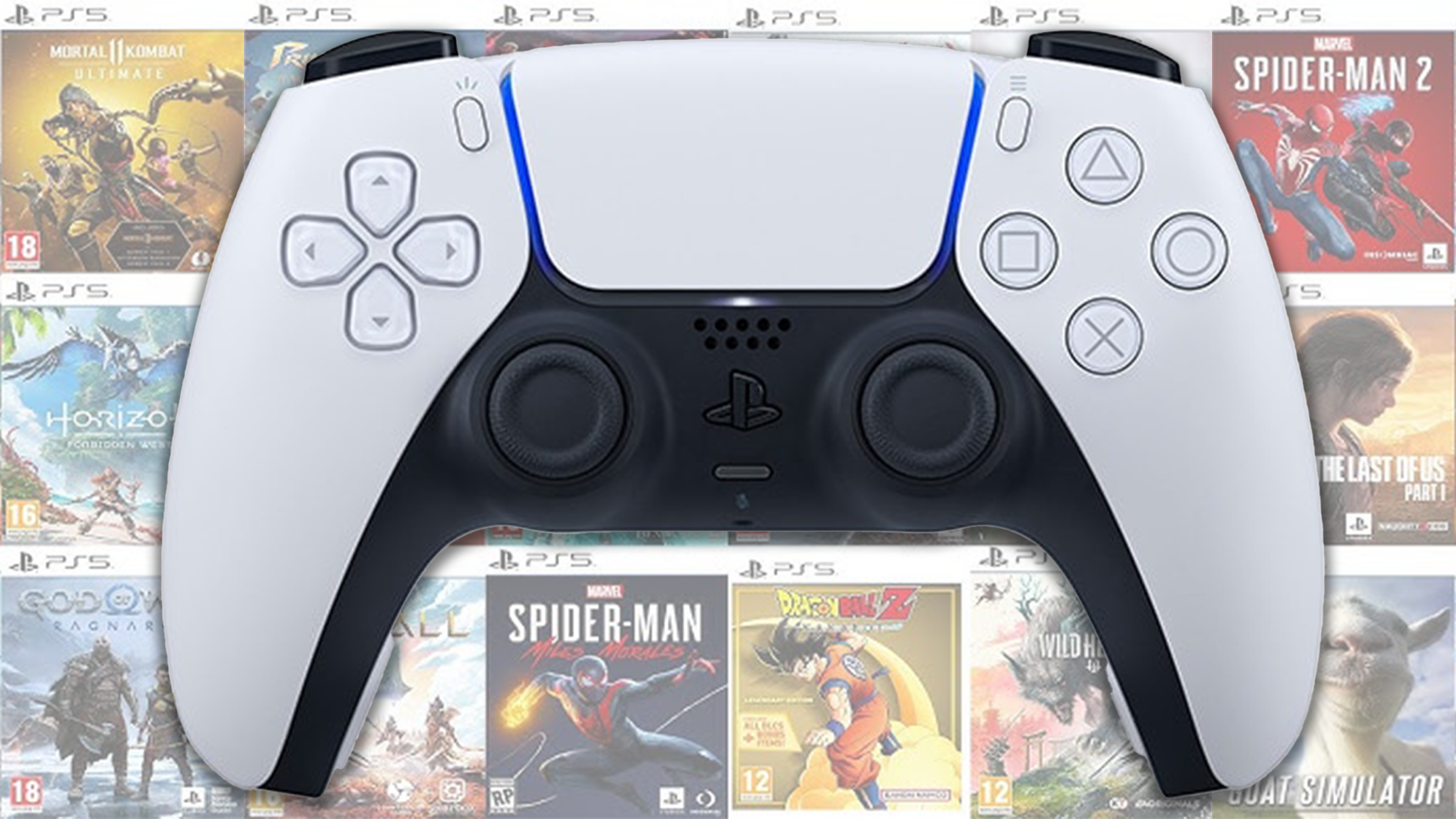
9th Gen: Nintendo Switch | PlayStation 5 | Xbox Series X|S
We’re currently in the ninth generation of video game consoles, and they’re the most powerful ones ever made. These consoles are essentially high-end computers built for gaming and entertainment, and they have the technology to prove it. A key advancement has been haptic feedback in controllers – Sony led the way with this on the PlayStation 5. Haptic feedback allows for more precise control through things like adjustable triggers and detailed vibrations, creating a more immersive gaming experience. This feature is likely to become standard as consoles continue to improve.
10th Gen: What the Future Console Generation Could Bring
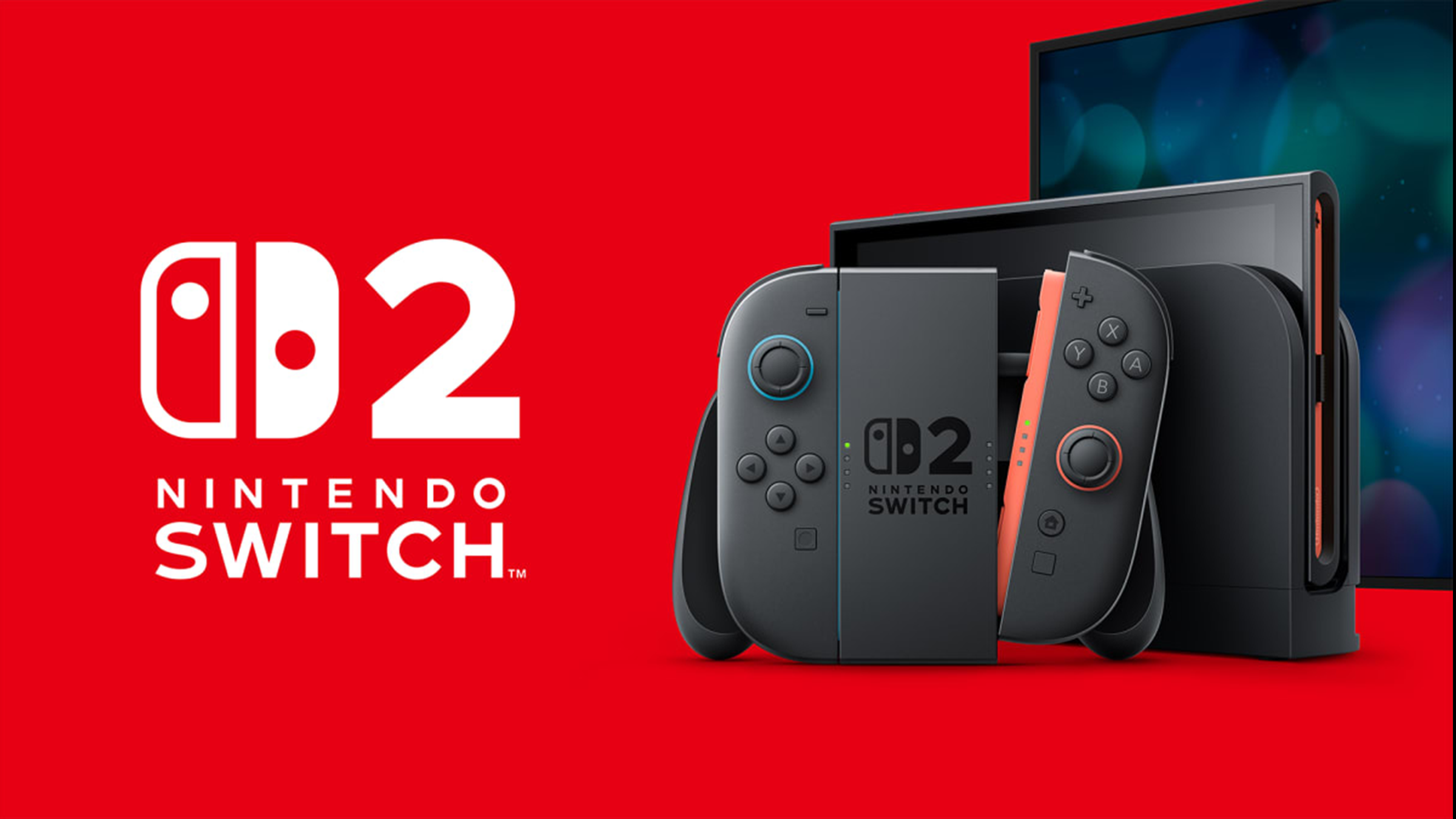
10th Gen: Nintendo Switch 2 | PlayStation 6 | Xbox ???
It’s still debated when the next generation of consoles will officially start. Some believe the Nintendo Switch 2, expected in 2025, will mark the shift, but its improvements aren’t groundbreaking compared to what’s already available. This means the next PlayStation and Xbox are more likely to define the tenth generation. While we don’t know exactly what new features they’ll have, there are reports online suggesting much faster processors that could deliver games in full 4K resolution at a smooth 120 frames per second. Ultimately, we’ll have to wait and see, but in the meantime, the Switch 2 and its great selection of games are something to look forward to.
What’s your favorite gaming console generation? Share your thoughts in the comments below and join the discussion on the ComicBook Forum!
Read More
- Gold Rate Forecast
- Every Creepy Clown in American Horror Story Ranked
- 22 actors who were almost James Bond – and why they missed out on playing 007
- Hazbin Hotel Secretly Suggests Vox Helped Create One of the Most Infamous Cults in History
- As Dougal and friends turn 60, Radio Times explores the magic behind The Magic Roundabout
- Jason Statham’s Hit Creature Feature Is Heading to Streaming for Free
- Kingdom Come: Deliverance 2 – Legacy of the Forge DLC Review – Cozy Crafting
- Everything We Know About Gen V Season 3 (& Why It’ll Be a Very Different Show)
- Jack Osbourne Shares Heartbreaking Tribute to Late Dad Ozzy Osbourne
- Arknights: Endfield – Everything You Need to Know Before You Jump In
2025-12-30 17:41