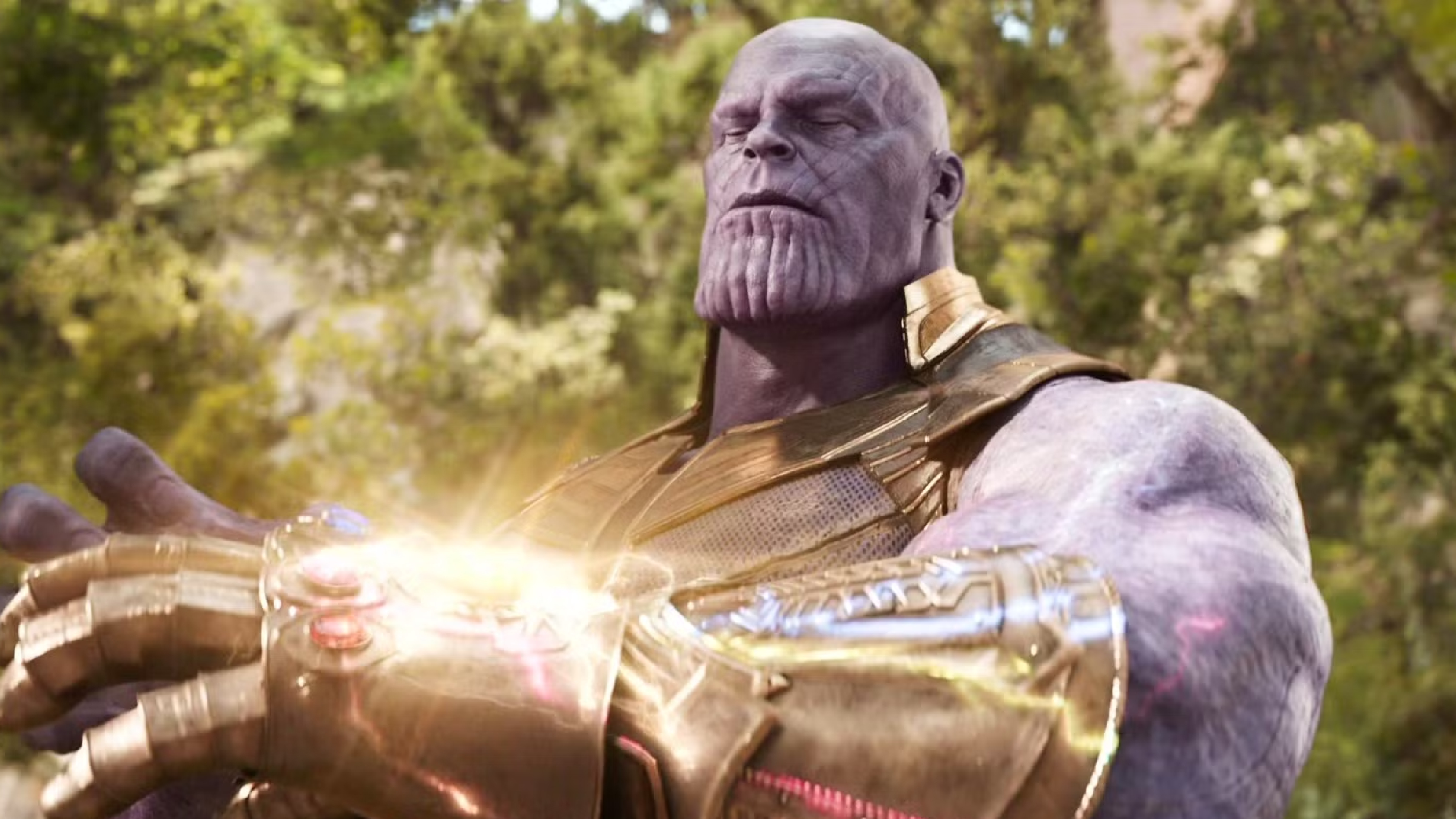
Marketing for Avengers: Doomsday is now in full swing, as Marvel aims to generate excitement for what will hopefully be a successful conclusion to the Multiverse Saga. With the movie still eleven months away, Marvel has already released four short teasers, cleverly pairing them with trailers for Avatar: Fire & Ash to reach a wider audience. As anticipation builds for this year’s Super Bowl – where a full trailer is heavily rumored to debut – people are starting to discuss whether this promotional strategy is effective.
People are drawing comparisons between the current phase of the Marvel Cinematic Universe (phases 4-6), known as the Multiverse Saga, and the earlier Infinity Saga (phases 1-3, which ended with Avengers: Endgame and was somewhat foreshadowed by Spider-Man: Far From Home). However, the lead-up to a major conflict hasn’t been smooth. This is due to a combination of factors – some mistakes made by Marvel itself, and unexpected events like the Covid-19 pandemic and the controversy surrounding Jonathan Majors, who was set to play the main villain, Kang the Conqueror, and was later fired. But is it really a fair comparison to the well-received Infinity Saga?
The Multiverse Saga’s Buildup Wasn’t As Good As You Think
Many consider the Marvel Cinematic Universe’s “Infinity Saga” to be a brilliantly crafted, seamless story across 23 films. However, that perception is likely due to clever marketing rather than perfect planning. Looking back, it’s clear the saga had its bumps and changes, with some plot points being reworked and inconsistencies overlooked because of its overall reputation. In fact, Marvel didn’t even initially plan for Thanos to be the main villain; that decision came about because Joss Whedon included him in a post-credits scene in The Avengers.
Early post-credit scenes in the Marvel Cinematic Universe weren’t always clear or consistent. The scene after The Incredible Hulk teased a fight between Hulk and the Avengers that never materialized, and Marvel had to create a separate short film to explain it. The post-credits scene in Thor implies Loki was already influencing Dr. Selvig before Nick Fury asked for his help with the Tesseract, but Loki has to take control of Selvig again in The Avengers. Even the scene after The Avengers feels off; it suggests Thanos’s motivations were different from what was later shown – he seemed interested in simply courting death, instead of his ultimate goal of restoring balance to the universe.
Thanos’s reasons for his actions undergo the biggest change throughout the Infinity Saga. The post-credits scene of the first Avengers movie hinted at one motivation, and Guardians of the Galaxy seemed to confirm it by showing Gamora was the last of her people. However, Avengers: Infinity War completely rewrites this, giving Thanos a new goal – to eliminate half of all life in the universe – and claiming he only wiped out half of Gamora’s race. The Thanos we see in Infinity War and Endgame is very different from his comic book counterpart, and also a departure from what was originally suggested. This is just one example of the shifting motivations within the saga.
The issues are clear when you compare Infinity War to Taika Waititi’s Thor: Ragnarok, which successfully rebooted the Thor series. It seems the team behind Infinity War disagreed with the creative choices made in Ragnarok, and Thor’s storyline essentially undoes Waititi’s work – he regains his eye and decides he needs a weapon again, though it’s Stormbreaker instead of his original hammer, Mjolnir. Because the films were made so close together, they lacked coordination, and the post-credits scene in Ragnarok doesn’t quite fit with how Infinity War begins.
Marvel’s Grand Plan Has Always Been in the Eye of the Beholder
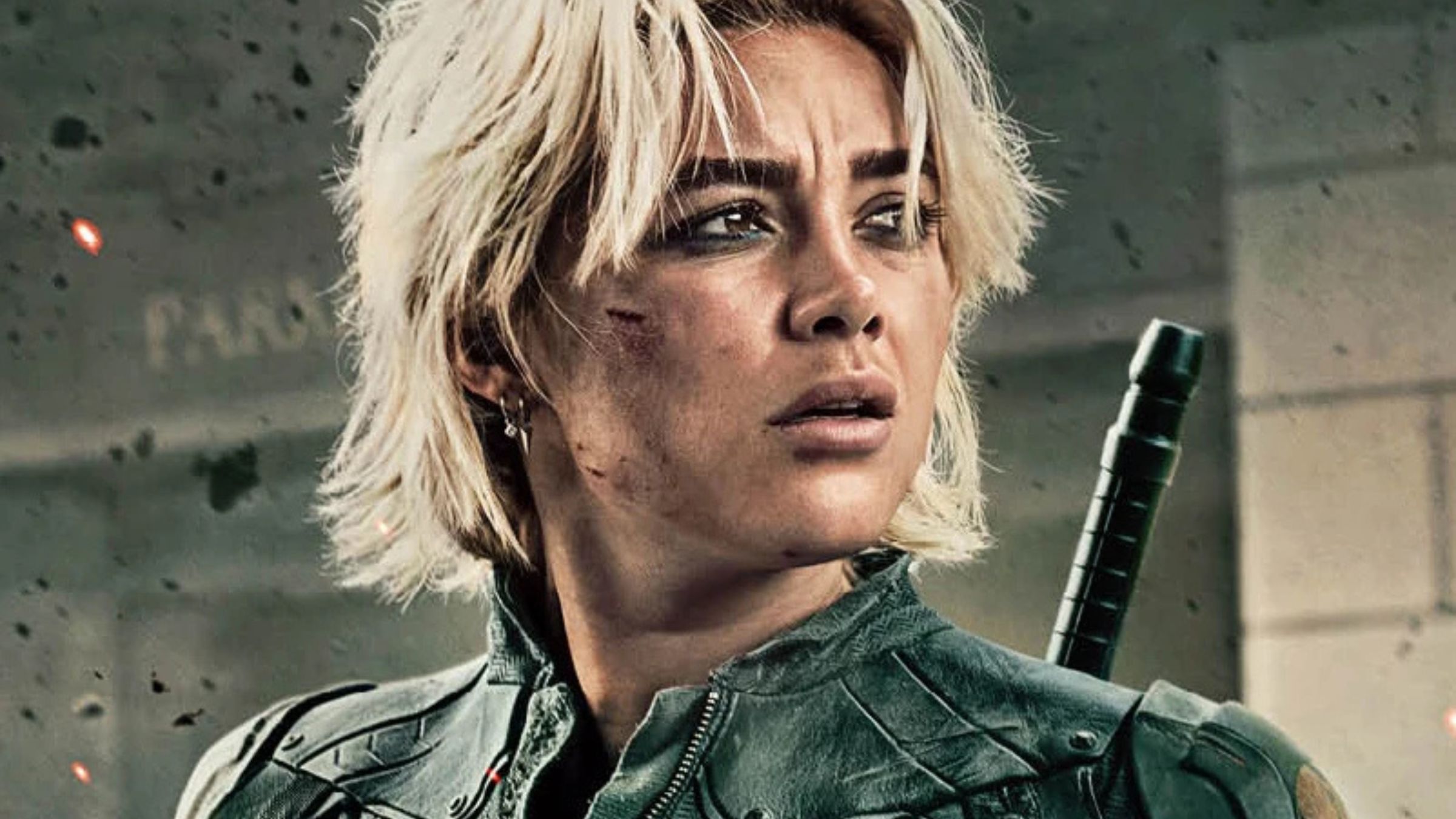
It’s not that the Multiverse Saga has been secretly good; it’s had plenty of problems. The story has shifted direction repeatedly, and some characters, like Scarlet Witch, feel inconsistent between different projects – she’s very different in WandaVision compared to Doctor Strange in the Multiverse of Madness. The biggest issue, though, is that Marvel didn’t fully establish how the multiverse works until halfway through the saga, which caused a lot of confusion and even inconsistencies that were obvious to viewers.
Marvel has a history of seeming to plan far ahead, but whether that’s actually true is debatable. The biggest difference between the Multiverse Saga and the Infinity Saga is that we’re now more critical and less willing to accept what Marvel tells us. With so much new content being released, the story feels fragmented and inconsistent, and the sudden change in villains – from Kang to Doctor Doom – is a major issue. We’ve started to see behind the scenes, and unfortunately, the Multiverse Saga is suffering as a result.
It’s becoming clear that judging the Multiverse Saga fairly isn’t possible because the idea of a unified story was never realistic. This also means we might not be able to give Marvel the benefit of the doubt with the upcoming Mutant Saga, as similar issues are likely to arise—though hopefully not as severely. We now realize that Marvel Studios leadership wasn’t as focused on long-term planning as we believed, so expecting them to be now is probably unrealistic.
What are your thoughts on Marvel’s Multiverse Saga? Share your opinion in the comments and join the discussion on the ComicBook Forum!
Read More
- Gold Rate Forecast
- Dune 3 Gets the Huge Update Fans Have Been Waiting For
- 22 actors who were almost James Bond – and why they missed out on playing 007
- Hazbin Hotel Secretly Suggests Vox Helped Create One of the Most Infamous Cults in History
- Antiferromagnetic Oscillators: Unlocking Stable Spin Dynamics
- Action Comics #1096 is Fun Jumping-On Point for Superman Fans (Review)
- RimWorld Odyssey DLC & Free Update Have Players Racing Back to RimWorld
- Every Creepy Clown in American Horror Story Ranked
- Dungeon Stalkers to end service on June 9
- Jack Osbourne Shares Heartbreaking Tribute to Late Dad Ozzy Osbourne
2026-01-21 18:14