
Simu Liu stars in Peacock’s new thriller, The Copenhagen Test, as Alexander, a government analyst working for a secret agency called the Orphanage. His life turns chaotic when he discovers someone has hacked his brain, giving them access to his senses and highly classified information. Now unknowingly working for the enemy, Alexander must convince his bosses he’s still loyal while trying to figure out who is controlling him and why they chose him.
Thomas Brandon and Jennifer Yale, the creators of the show, recently discussed with ComicBook how they blended the spy and science fiction genres, the psychological aspects of the series, the creative talent of James Wan, and their plans for a potential second season.
It’s hard to create a good spy story. Can you tell us how you came up with the unique sci-fi angle that became central to the plot?
That’s a really good question. It was challenging because this concept has been explored many times, and a lot of it feels repetitive and cynical. We wanted to avoid just another show like the ones we’ve already seen. The idea came from wondering what would happen if someone’s ideas were hacked. Then we realized setting that in the world of espionage could create a unique ‘spy-fi’ story. I’m a big fan of both genres, but I was particularly inspired by the espionage novels of John le Carré, especially Tinker Tailor Soldier Spy. We aimed for something that blended the atmosphere of Tinker Tailor Soldier Spy with the themes of Black Mirror. That combination also allowed us to explore the idea of a character living in a fabricated reality, constantly questioning what’s real and who he can trust – a bit like The Truman Show.
Once all the pieces came together, I realized this wasn’t just another spy story. It felt original and unlike anything I’d seen before, which really excited me. Strangely, it reminded me of a more hands-on, old-fashioned approach to espionage. So much spy fiction now focuses on computers, but this was about things like Morse code and passing notes. It had a nostalgic, Cold War feel – almost like stepping back in time to an era I found fascinating. It’s a bit of a paradox, but the more we explored a near-future setting, the more it allowed me to connect with the classic, engaging image of a Cold War spy.

Considering the film’s ‘spy-fi’ label and its near-future setting, how skeptical were you about technology before you started working on it?
I wouldn’t say I’m cynical about technology itself; it’s just a tool. My concern is how people use those tools. Technology can be used for positive or negative purposes, but I’m especially worried when it diminishes our choices and self-awareness, potentially leading to less fulfilling lives. It’s tempting to let technology do things for us, but that can stop us from developing our own skills and knowledge. As Orson Welles put it, ‘The faster we are carried, the less time we have to spare’ – there’s a real paradox there.
Jennifer Yale points out that with every new technology, people often worry it’s becoming too powerful and beyond our control. This fear includes concerns about being spied on – having our senses hacked – and the existence of microscopic particles, similar to those depicted in the show, that can attach to the brain. While not exactly ‘nanites,’ this technology is being developed for medical purposes, like communicating with people in comas or attempting to reach those who can’t normally communicate. The concern is that if this technology is publicly available, governments and secret agencies likely have been using similar, more advanced versions for years. The question becomes: how long have they been able to monitor us, and are they already doing so?
“The Copenhagen Test” unfolds gradually, drawing viewers in and building tension towards the end. Could you talk about how intentionally you approached the pacing and included those surprising, impactful moments throughout the episodes?
We intentionally balanced the intense action with quieter, everyday moments. We realized that constant, high-stakes drama can become numbing, and we wanted to make those truly tense scenes more impactful by contrasting them with more relatable, human experiences. We were very aware of the need for this rhythm – building tension, then releasing it – and we discussed it throughout the editing process to create a natural flow.
When creating the show, we aimed to keep viewers engaged and excited without overwhelming them. The writing team deliberately balanced intense, thrilling scenes with quieter moments that allowed both the characters and the audience to catch their breath. This back-and-forth pacing was key to making the show feel like a mystery to be solved, with the audience actively participating. We wanted viewers to be on a similar journey as the main character, Alexander – sometimes ahead of him, sometimes behind, but mostly right there with him. Maintaining that connection was a major focus for us.
James Wan, known for creating the Conjuring Universe, is an executive producer on the series, The Copenhagen Test. How did he contribute to developing the show?
James and his team were incredible – they immediately believed in our project. We wouldn’t be where we are today without their early support and encouragement. They were the first to say they could make it happen. Our show is a unique spy thriller that challenges viewers and requires significant funding. James Wan was key to getting the project moving, believing in its potential and championing the idea. He also played a vital role in shaping the story around an Asian-American, specifically a Chinese-American character, exploring themes of belonging and identity. The character grapples with feeling disconnected from both his country and his family, leading to questions of where he truly belongs and how far he’ll go to prove his loyalty and create a place for himself. James was instrumental in helping us refine that core concept and bring it to life.
Jenn said the team was incredibly supportive throughout the entire process, always making everyone feel valued and like they were contributing to something meaningful.
Is it true James suggested Simu for the lead?
I recall they had a preliminary meeting with him before Shang-Chi was released. They told me they were sending him the script and suggested I meet him. I agreed, though I didn’t know who he was at the time. I met Simu over Zoom while he was doing additional filming, and I was immediately impressed by how well he listened – that’s the first thing I look for in an actor. He was a remarkably good listener, and I thought he might be right for the role. We presented the project together, and it eventually got approved. James was the one who first recognized Simu’s connection to the character.
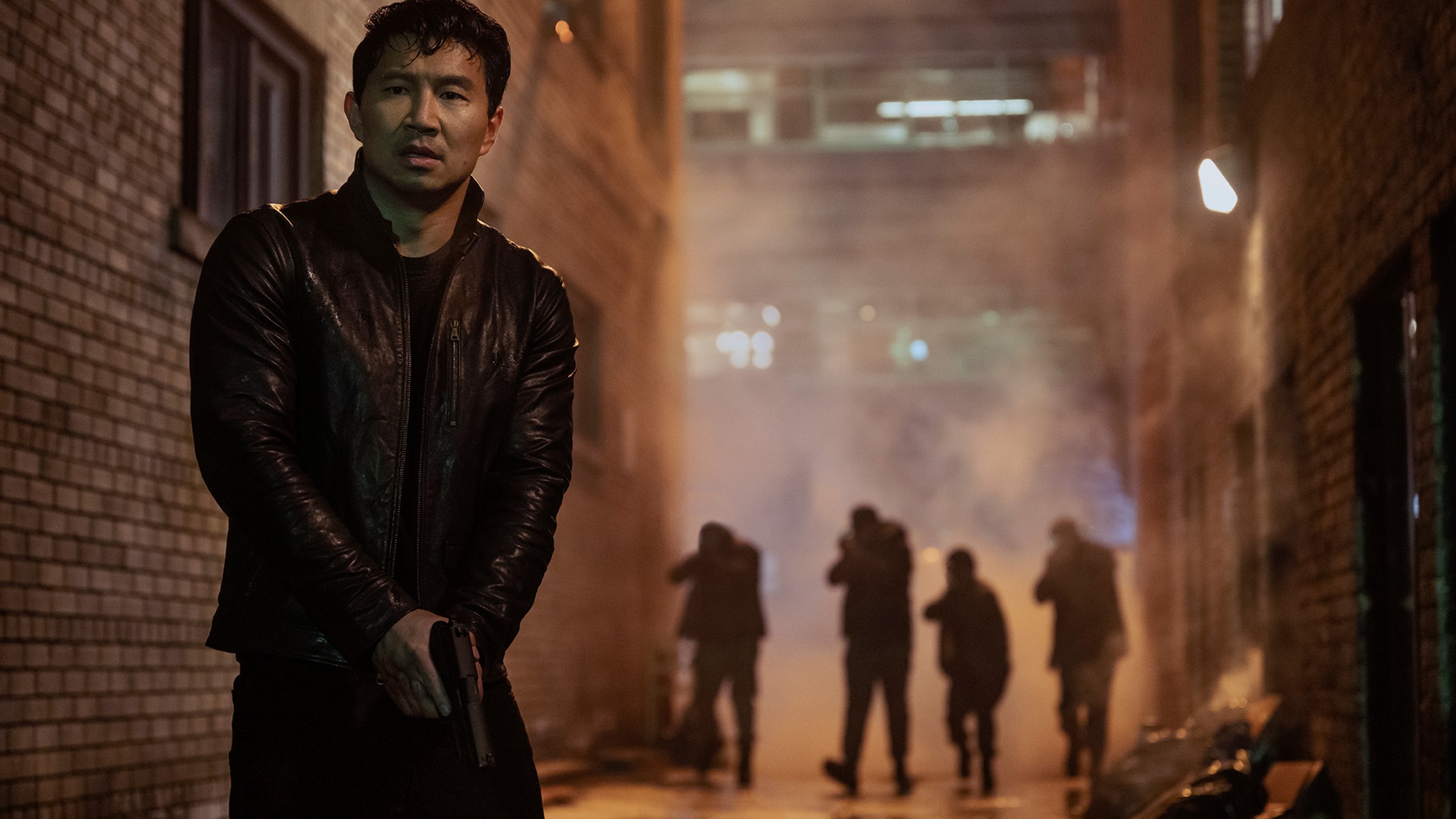
The Copenhagen Test relies heavily on suspense and psychological manipulation, creating a cat-and-mouse dynamic. We were curious how much you focused on building that sense of paranoia throughout the story.
We definitely wanted to explore paranoia in the story, but not let it completely take over the hopeful elements of the world we were building. We aimed to differentiate it from typical spy stories, and Thomas often reminded us that we tend to be cynical. So, we focused on giving everyone clear motivations and making sure everything felt purposeful – the worlds, the organizations, and even the hackers. It wasn’t enough to know who was behind the hack; we needed to understand why. We wanted an active story where Alexander wasn’t just reacting to events, but actively trying to solve the problem, both externally and internally – figuring out how to escape the situation and get ahead of it.
How far in advance did you map out the finale and where you wanted to leave audiences?
I was so impressed with how clear the showrunners were about where they wanted the story to go, even from the very beginning! They had a strong vision for Alexander’s arc – it was always about him realizing he could choose his own path, guided by what he believed was right, rather than just following orders. It was a beautiful message, and they never lost sight of it.
The exciting thing about where this story can go is that there are many possibilities. While we don’t know exactly what the future holds, we have a general idea of the path it will take. Essentially, there are two main threads to follow: investigating the technology itself – where it’s appearing, who’s been affected, and how it might change – and exploring its impact on the main character, Alexander. We’ll be looking at its origins, its various uses, and what it’s doing to him specifically. Ultimately, everything ties back to Alexander and the central questions of how far someone would go to prove their loyalty and whether belonging to a country is unconditional, or if there are limits one won’t cross. These are questions that will continue to drive the story forward.
What do you think? Leave a comment below and join the conversation now in the ComicBook Forum!
https://comicbook.com/tv-shows/list/5-best-new-sci-fi-tv-shows-of-2025-ranked/embed/#
Read More
- Gold Rate Forecast
- Looks Like SEGA Is Reheating PS5, PS4 Fan Favourite Sonic Frontiers in Definitive Edition
- Dune 3 Gets the Huge Update Fans Have Been Waiting For
- Pluribus Star Rhea Seehorn Weighs In On That First Kiss
- Kelly Osbourne Slams “Disgusting” Comments on Her Appearance
- Arknights: Endfield – Everything You Need to Know Before You Jump In
- Action Comics #1096 is Fun Jumping-On Point for Superman Fans (Review)
- Antiferromagnetic Oscillators: Unlocking Stable Spin Dynamics
- 10 Steamiest Erotic Thriller Movies of the 21st Century
- Tomodachi Life: Living the Dream ‘Welcome Version’ demo now available
2026-01-03 00:44