
Initially, game trailers were a significant source of excitement for an upcoming video game release, serving as a quick sneak peek into a promising new title. The captivating visuals or a taste of the gameplay were often enough to get gamers eagerly awaiting the launch. However, times have evolved and there’s been a shift in the impact of game trailers. No longer do they stir the same level of anticipation or trust. Instead, what we often see now leaves many viewers feeling drained or uninterested, with an increased focus on the trust element being compromised.
Two notable concerns arise frequently: Game developers often promise more than they can deliver, while falling short on final products, and trailer excitement has waned due to misleading previews that don’t accurately represent the gameplay. This gradual discrepancy between studio promises and actual experiences has led to a loss of trust among players.
Overpromise and Underdeliver
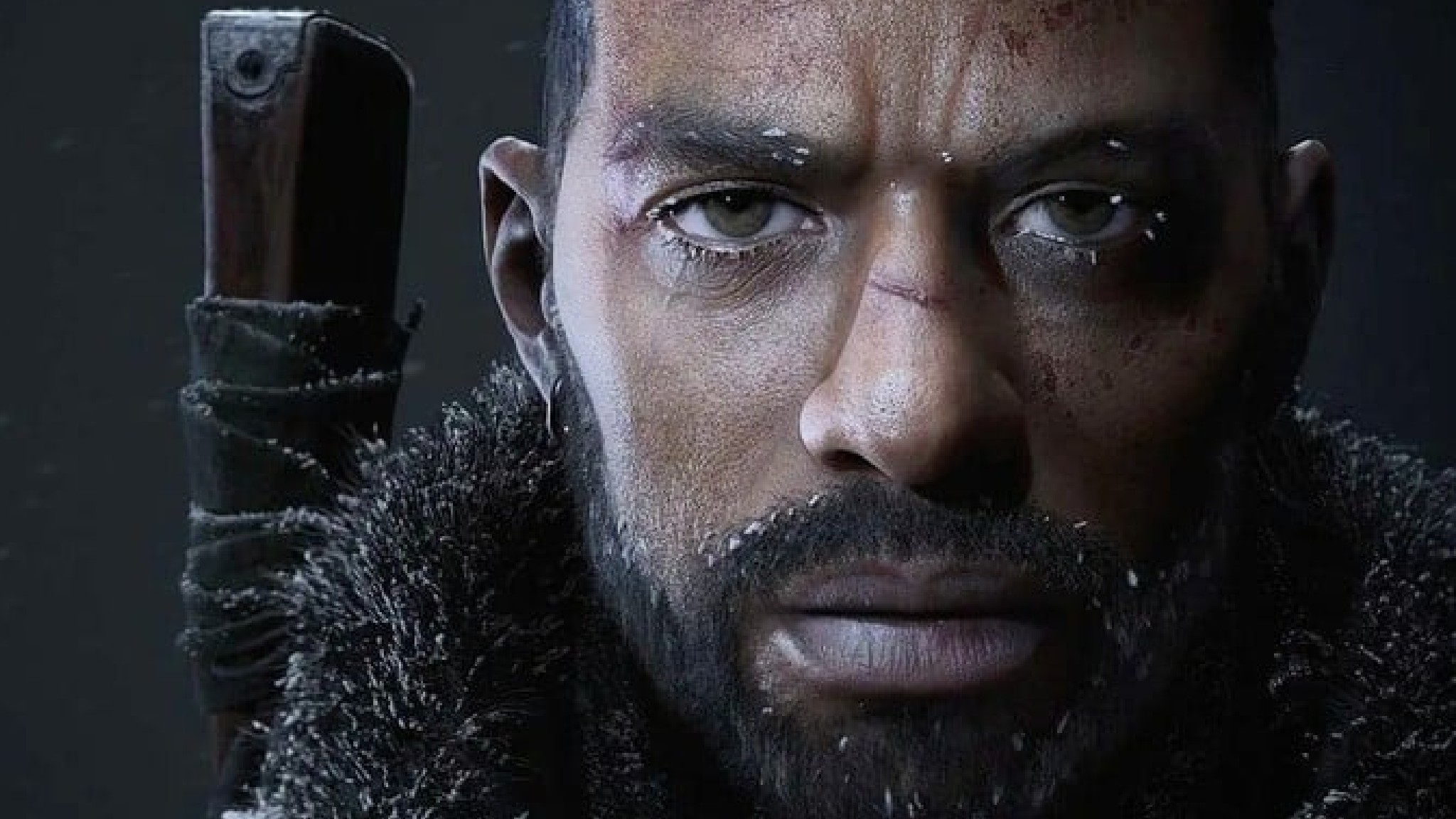
Over the past few years, trailers promoting games have frequently exaggerated or misrepresented features, leading to a frequent disconnect between the promised and delivered gameplay. On many occasions, developers have emphasized elements in their promotional campaigns that ultimately do not appear in the final version of the game. This discrepancy has often left players feeling let down, and such feelings of disappointment tend to persist when they recur, which unfortunately has been a common occurrence recently.
As a gamer, when I dive into a highly-anticipated game only to encounter critical bugs, missing content, severe performance issues, or gameplay that doesn’t meet the promised standards shown in the trailer, my initial response is often disappointment and frustration. The disconnect between what trailers promise and the actual experience can erode trust. Trailers may ignite our excitement, but they also bring a sense of skepticism and caution along with it.
In many cases, the issue begins during the early stages of game development. Production studios might craft trailers featuring grand ideas, sometimes before the actual gameplay has been fully developed. When the game is eventually released, it’s not uncommon for adjustments, technical constraints, or even significant design shifts to occur. As a result, the trailer may no longer represent the true nature of the game. While some level of discrepancy can be tolerated, if the final product deviates significantly from the initial trailer, players are quick to notice and criticize. This can leave players feeling deceived, which often leads to an influx of negative reviews.
Cinematics Over Gameplay

A significant concern with current trailer production is the move towards displaying less actual gameplay and more pre-rendered sequences or raw cinematics. These flashy clips can certainly be intriguing, but they fail to provide players with insights about the real gameplay experience. Although these trailers may not offer an accurate representation of the game, they will still manage to create excitement for the title. The allure of a game often lies in its ability to captivate public interest, and any positive aspect associated with it can contribute to generating hype.
Trailers for games may present an engaging story, but they don’t always showcase the main gameplay. This can lead gamers to wonder if the actual game will be enjoyable or similar to the trailer, especially for new IPs or emerging studios. Sometimes, viewers might even find it hard to categorize the genre of a game based solely on a trailer. Even for established franchises, using pre-rendered or heavily edited footage for demonstrations is often seen as frustrating by players.
A well-crafted trailer effectively combines engaging narrative elements with authentic gaming sequences. If this equilibrium isn’t maintained, the excitement can seem insincere. Players grow cautious due to numerous instances where trailers appear impressive initially, but fail to deliver an enjoyable final product.
Player Fatigue and Skepticism
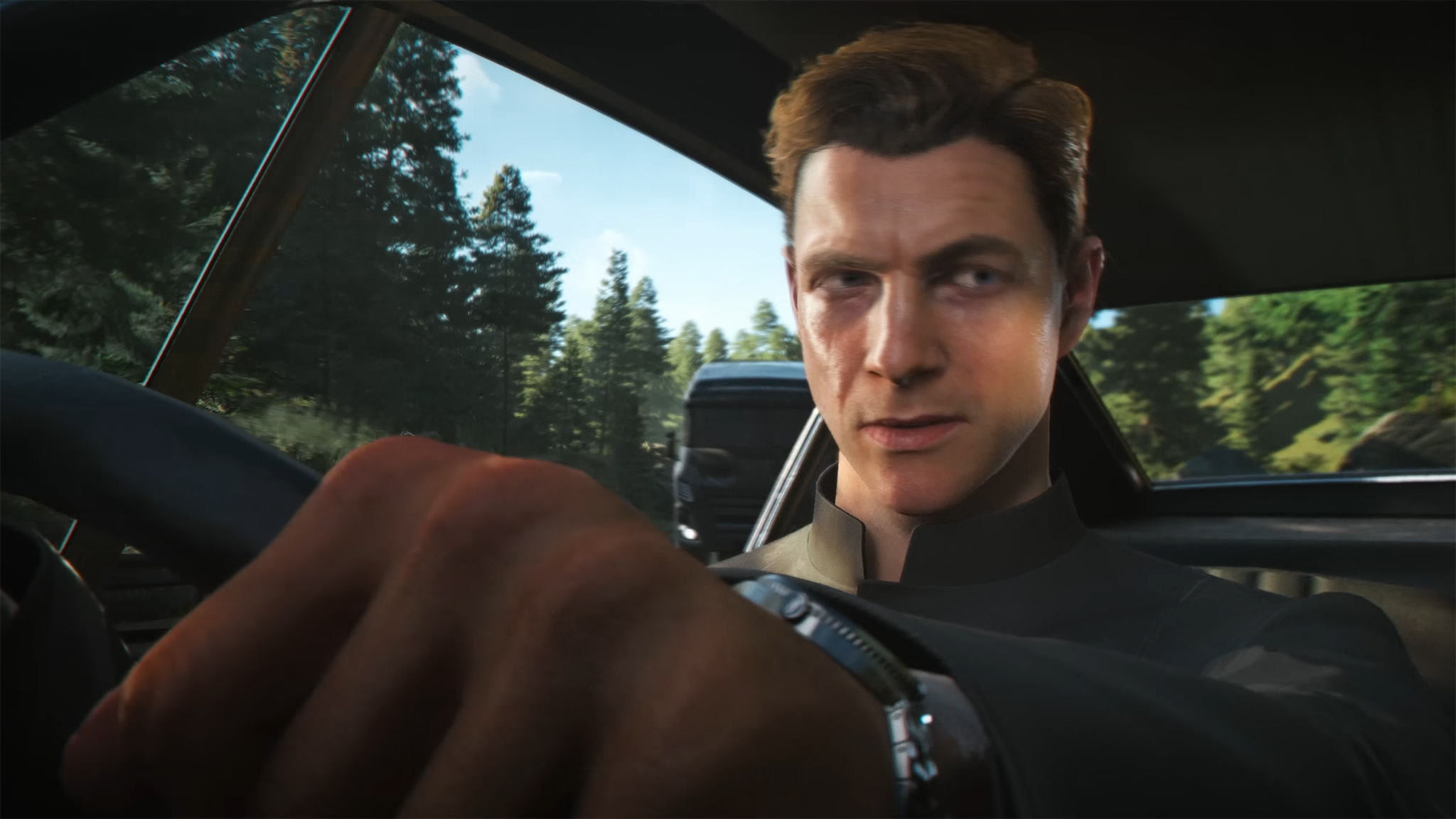
As a gamer, I’ve been left disappointed by several high-profile game flops and unfulfilled promises. This has definitely changed how I view trailers now – I approach them with a blend of skepticism, caution, and even optimism. It’s not all bad though, because this wariness encourages studios to be more transparent and deliver better games if they want our hard-earned cash. But it also means that trailers don’t have the instant hype-generating effect they once did. Even a beautifully crafted trailer might elicit a “We’ll see if the game lives up to this” instead of the raw excitement the studio intended.
The advent of early access, open betas, and day-one reviews has significantly altered the landscape in gaming. Today, gamers no longer solely depend on trailers to make purchasing decisions. With extended gameplay footage available for viewing or even testing before a purchase, they are privy to genuine insights about the product. This newfound transparency helps curb unwarranted excitement but also exposes instances where trailers may exaggerate expectations.
It’s crucial to understand that while game trailers remain significant as they frequently offer the first glimpse of a game and generate initial excitement, their effectiveness can be undermined when trust is compromised. Overpromising and then underdelivering can tarnish a brand’s image and make marketing efforts less impactful. Launching a game with unrealistically low expectations isn’t an ideal situation anyone would want.

Players prefer trailers that display actual in-game action and clearly convey a vision that sets realistic expectations. When trailers closely resemble the final game, they can still produce authentic excitement and eagerness. For instance, FromSoftware’s Elden Ring official gameplay trailer before its launch was remarkably like the end product, and it certainly delivered on its promise as shown by its success.
The decline in excitement for game trailers can largely be attributed to a breach of trust between studios and players. When studios overpromise and underdeliver, it erodes enthusiasm and faith. To rekindle interest, developers need to focus on honesty and authenticity in their marketing strategies. Players want to feel confident that what they see is truly representative of the game they’ll eventually play. While changes during development are inevitable, the consumer only encounters the shared content, making it crucial for developers to determine when to reveal their game and when patience might be required.
https://comicbook.com/gaming/news/video-games-failed-comeback/embed/#
Read More
- Gold Rate Forecast
- 22 actors who were almost James Bond – and why they missed out on playing 007
- 10 Best Buffy the Vampire Slayer Characters Ranked
- Arknights: Endfield – Everything You Need to Know Before You Jump In
- Every Creepy Clown in American Horror Story Ranked
- Spider-Man: Brand New Day’s Trailer Release Date Officially Confirmed & The MCU’s Strategy Is Perfect
- Hazbin Hotel Secretly Suggests Vox Helped Create One of the Most Infamous Cults in History
- Chill with You: Lo-Fi Story launches November 17
- Best X-Men Movies (September 2025)
- 32 Kids Movies From The ’90s I Still Like Despite Being Kind Of Terrible
2025-08-25 19:44