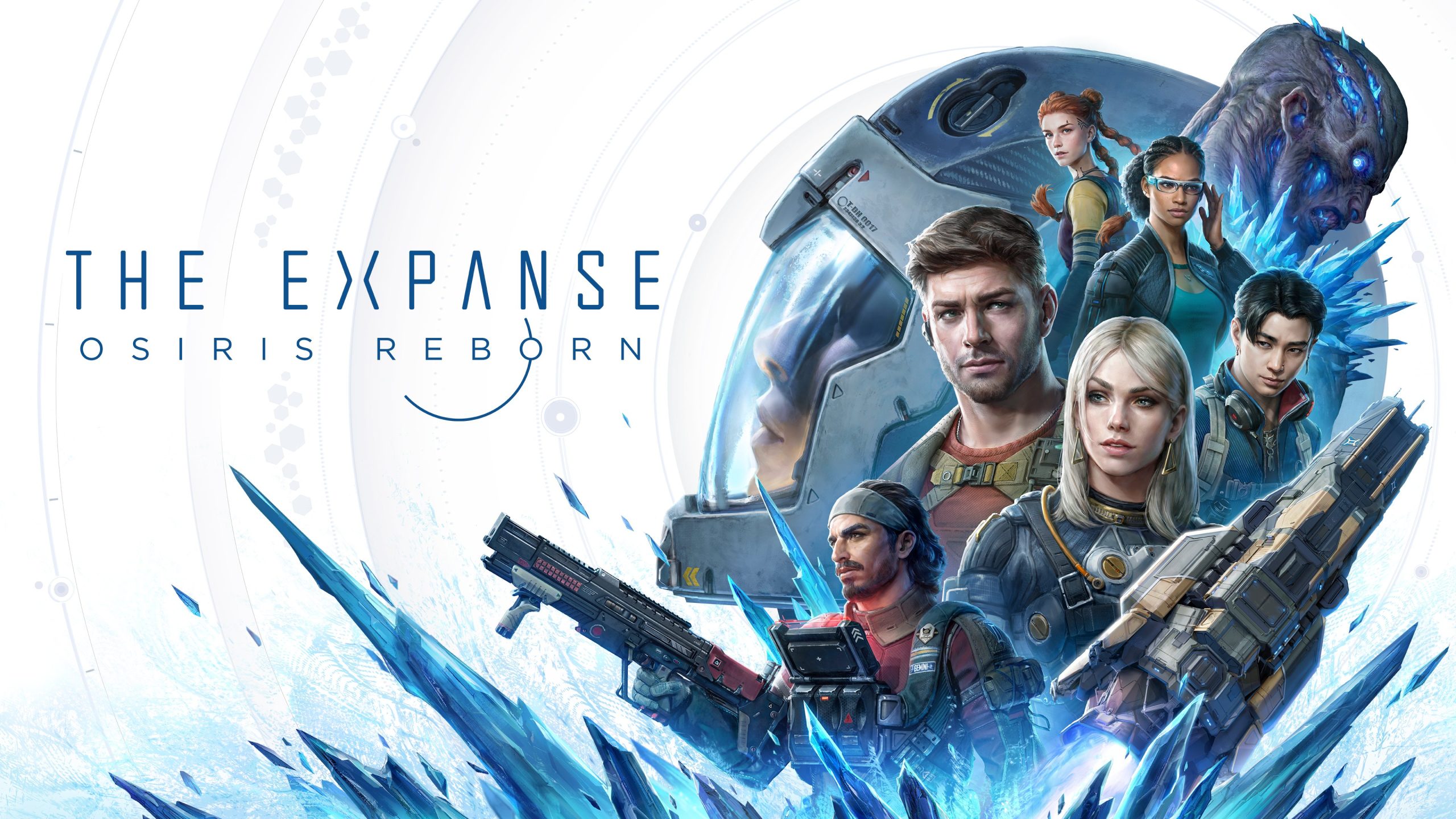
Owlcat Games, the studio behind popular RPGs like Pathfinder: Wrath of the Righteous and Warhammer 40,000: Rogue Trader, is known for faithfully bringing source material to life in its video games. Now, they’re setting their sights on a new challenge: a 3D, third-person RPG based on The Expanse, called Osiris Reborn. Owlcat has been sharing details about the game’s development, and game design director Leonid Rastorguev recently answered some of our questions about this exciting sci-fi project.
What made The Expanse the right project to push the studio toward a third-person action RPG format?
The world of The Expanse is incredibly detailed and complex, with many different storylines and a wealth of background information. This makes it an ideal setting for a role-playing game focused on storytelling.
The show’s strong visual style and detailed world-building make The Expanse a perfect match for a third-person action role-playing game.
Despite these changes, this game still feels like an Owlcat project at heart, especially in how we tell stories, let players make meaningful choices, and show the results of those choices. We’re not trying to simply retell the story from the show or books; instead, we want to add to the world and share our own unique stories and viewpoints.
Although Osiris Reborn plays quite differently than your previous games, what core elements from RPGs like Pathfinder or Rogue Trader did you prioritize keeping?
For me, what really defines our games is letting your choices matter and having real consequences. That’s super important to how we build RPGs, and it’s definitely a big focus in The Expanse: Osiris Reborn. Another thing I love is building strong companions – how you get to know them, the conversations you have, and the events you experience together. That character-focused storytelling is just something we always try to deliver in our games, and we’ve brought it fully into this one.
We’re still committed to creating detailed RPG systems. Even though the game is now more realistic, we’ve included a way for players to develop their characters and try out different strategies. So, even with changes to the game’s overall structure, our core design principles haven’t changed.
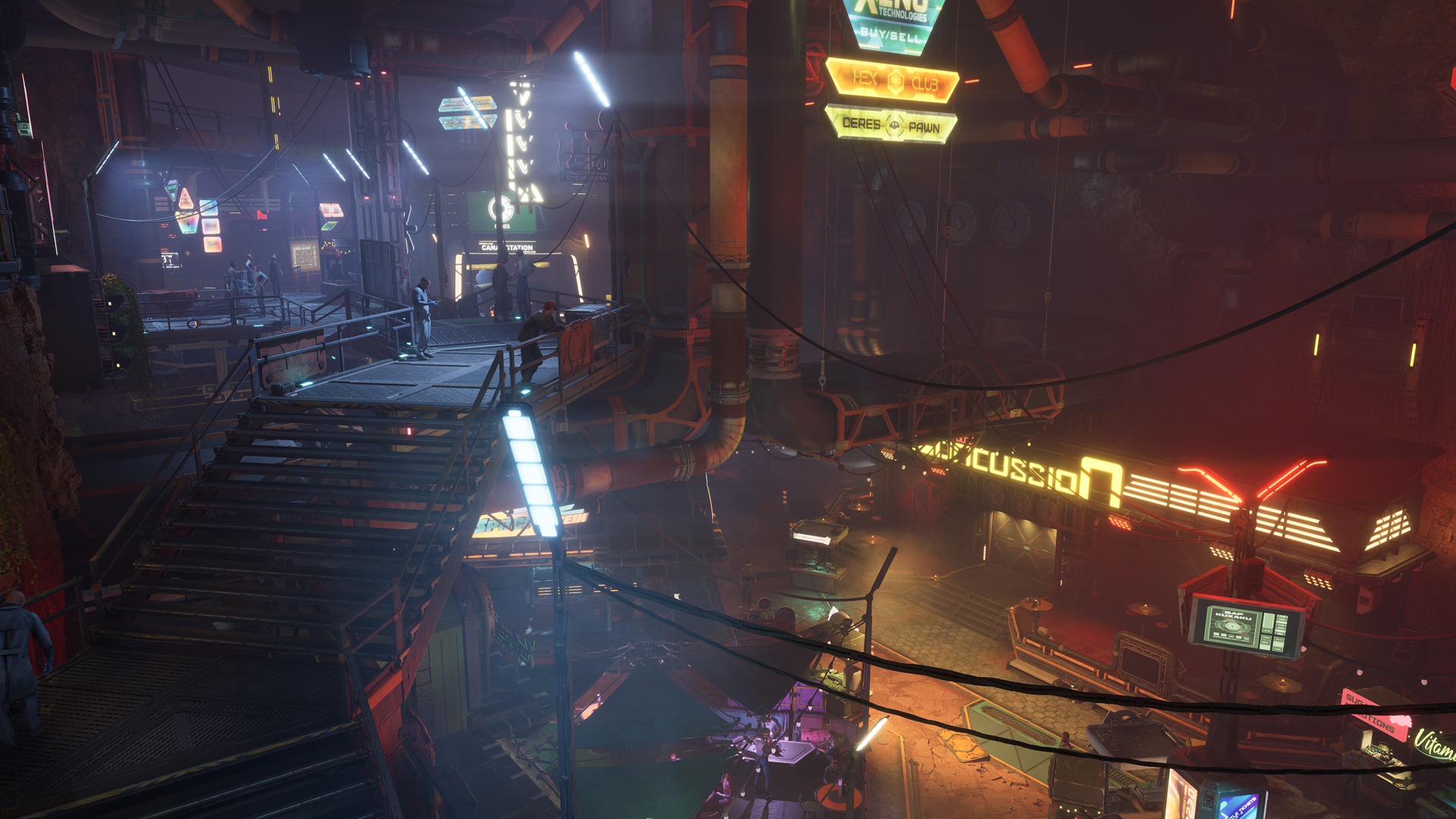
“First and foremost, it’s our approach to choice and consequences.”
Okay, so The Expanse is awesome because it feels so real – the science is believable, and the politics are super complex. As a gamer, I’m always curious: when you’re making a game based on something like that, what’s the hardest part? How do you take all that detail and make it a fun game without losing what makes The Expanse feel so… The Expanse?
One of the biggest hurdles in creating The Expanse is its commitment to realism. Because the show is based in science, we can’t use common sci-fi devices like energy shields or anti-gravity. Everything – from a character’s skills to the technology they use – has to feel believable and build on existing science or technology within the show’s world. This does make things more challenging, but it also helps the show feel authentic.
When crafting our story, we needed to fit within the existing events surrounding Holden and his team. These events set the stage for everything, so we decided to tell the story through new characters, allowing us to create our own unique narrative while still respecting what had already been established. Political elements are also important, and we plan to delve into those more fully later on.
The game’s description hints at appearances by characters and voice actors from the original Expanse series. How are you balancing references for dedicated fans with making the game accessible to people new to the universe?
That’s a good question! The Expanse features many memorable characters, from powerful political leaders like Chrisjen Avasarala, Fred Johnson, and Anderson Dawes, to important figures on a smaller scale, like Camina Drummer, Detective Miller, and the crew led by Holden.
When adding characters to the game, we focus on what a typical person within the Expanse universe would know about them. This allows new players to easily understand the story, while still offering familiar details and connections for existing fans.
As a huge fan, I always imagined Holden’s announcement about the Canterbury blowing up was everywhere – everyone in the system would have seen it! That’s a really cool way to build in those big moments from the books and show without forcing new players to already know everything about the Rocinante and its crew. We can give them just enough background to understand what’s happening, but still let our story take center stage.
Even though the story is serious, are there chances for fun, playful interactions or extra content to create a more well-rounded experience?
I totally agree! Even though The Expanse is a really intense show, full of political drama and characters just trying to make it through impossible situations, it’s not all doom and gloom. There’s actually a good bit of humor and lighter stuff woven into the main story, which I really appreciate.
We aimed to showcase a wider spectrum of experiences in our game. While it still features challenging moral dilemmas, serious consequences, and stories about difficult issues like inequality and conflict, we’ve also included more intimate, heartwarming, and even funny moments.
Much of the positive experience comes from life aboard the ship. The crew spends considerable time traveling, and these calmer periods allow them to connect, support each other, and create a comfortable, family-like environment that makes the journey more enjoyable.
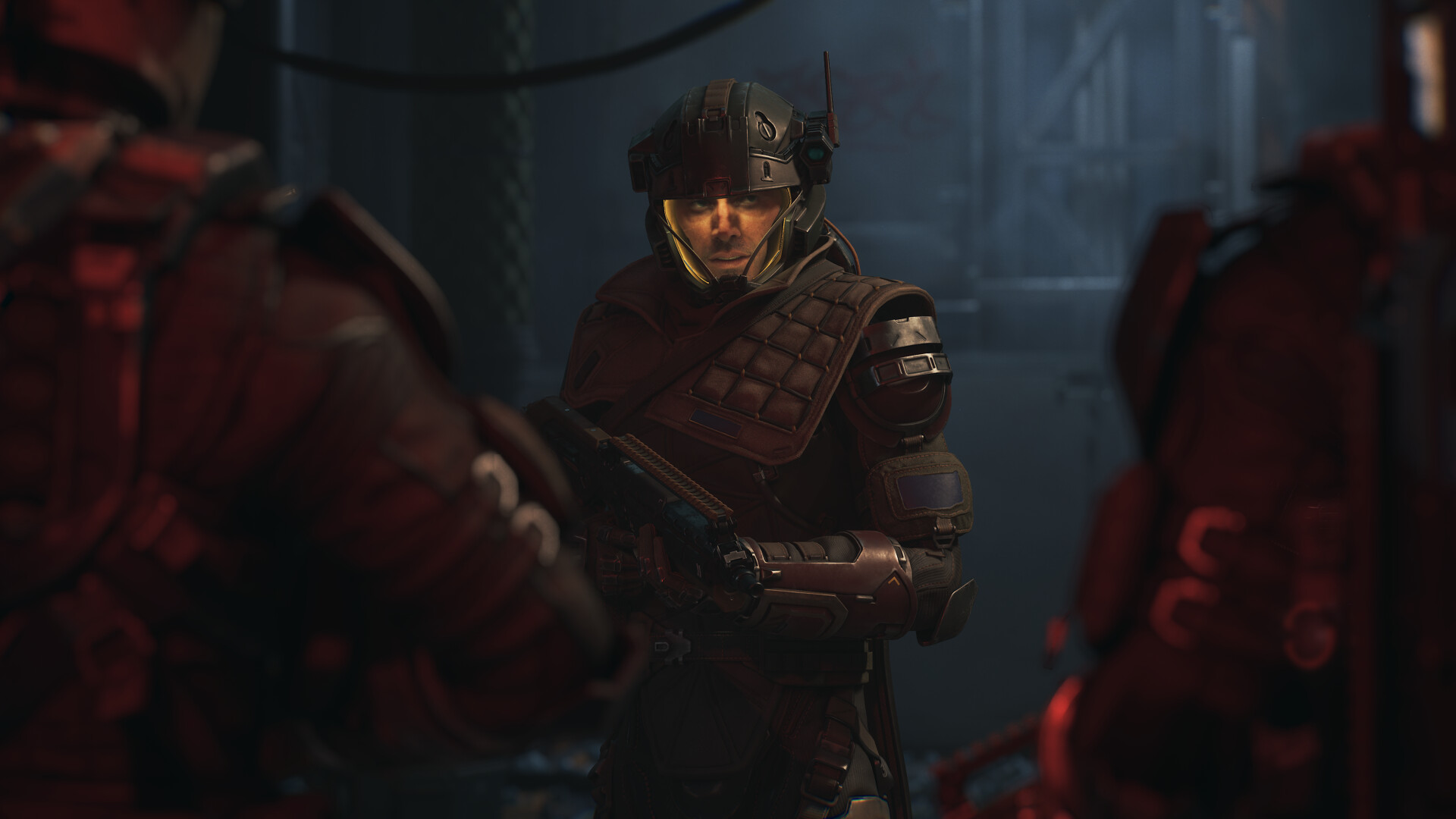
On the narrative side, we also had to work around the established storyline of Holden and his crew.
I’ve been thinking about how cool it is to start the game as a Pinkwater Security merc instead of following the main characters from The Expanse. It really changes how you see things! I’m curious how that decision impacted the story – did it affect the big picture and the kinds of choices we, as players, actually get to make throughout the game?
What makes the world of The Expanse so compelling is its depth and scope. It’s large enough to allow for stories that aren’t directly focused on Holden and his crew. As they grapple with the protomolecule, their choices affect the entire solar system, which naturally opens the door for telling other, related narratives.
As a fan, I really like how they’ve made you a mercenary working for Pinkwater Security. It means you’re not just some observer – you have your own goals and you don’t know the whole story behind what’s happening with the Rocinante. You only see things from your point of view and experience the fallout as it happens, which feels way more immersive and makes you really invested in figuring things out.
What’s really cool is that this lets us build a story where my choices actually matter, and it feels like a complete adventure on its own. We’re also weaving in bits and pieces of the bigger story you already know, but the trick is to make my character’s journey feel important without messing up Holden’s story or making things contradict each other. That’s the sweet spot we’re going for – a story that feels connected but still lets me forge my own path.
The beta test included a complete mission designed to let players experience team play, cover-based shooting, and the new Exploits system. What key feedback were you hoping to get from players after they tried this part of the game?
We appreciate all feedback from players. We’ve already received a lot of helpful insights from those who participated in the beta or watched streams. Right now, we’re less focused on finding completely new issues and more interested in understanding where to prioritize our work.
Our developers sometimes disagree on which problems are most important. Player feedback helps us get on the same page and focus on the issues that will improve the game the most. We are definitely listening and reading all your feedback!
Having supportive companions is a key feature, particularly because crew members offer assistance even when they aren’t directly involved in missions. How important is this support system to the game’s story and gameplay?
Companions are a central part of this project. We’ve always aimed to make them more complex and involved than in other games, integrating them into everything important you’ll do.
The game builds on the classic idea of having two teammates with you in battle and developing those relationships between missions. But we wanted to take it further. We added features like combat opportunities, letting companions significantly affect fights, and ways for even crew members not currently in your squad to contribute to the story and gameplay. For example, companions can offer suggestions during mission briefings, shaping how you tackle challenges.
The companion system is essential to both how the game plays – specifically the combat – and the story it tells.
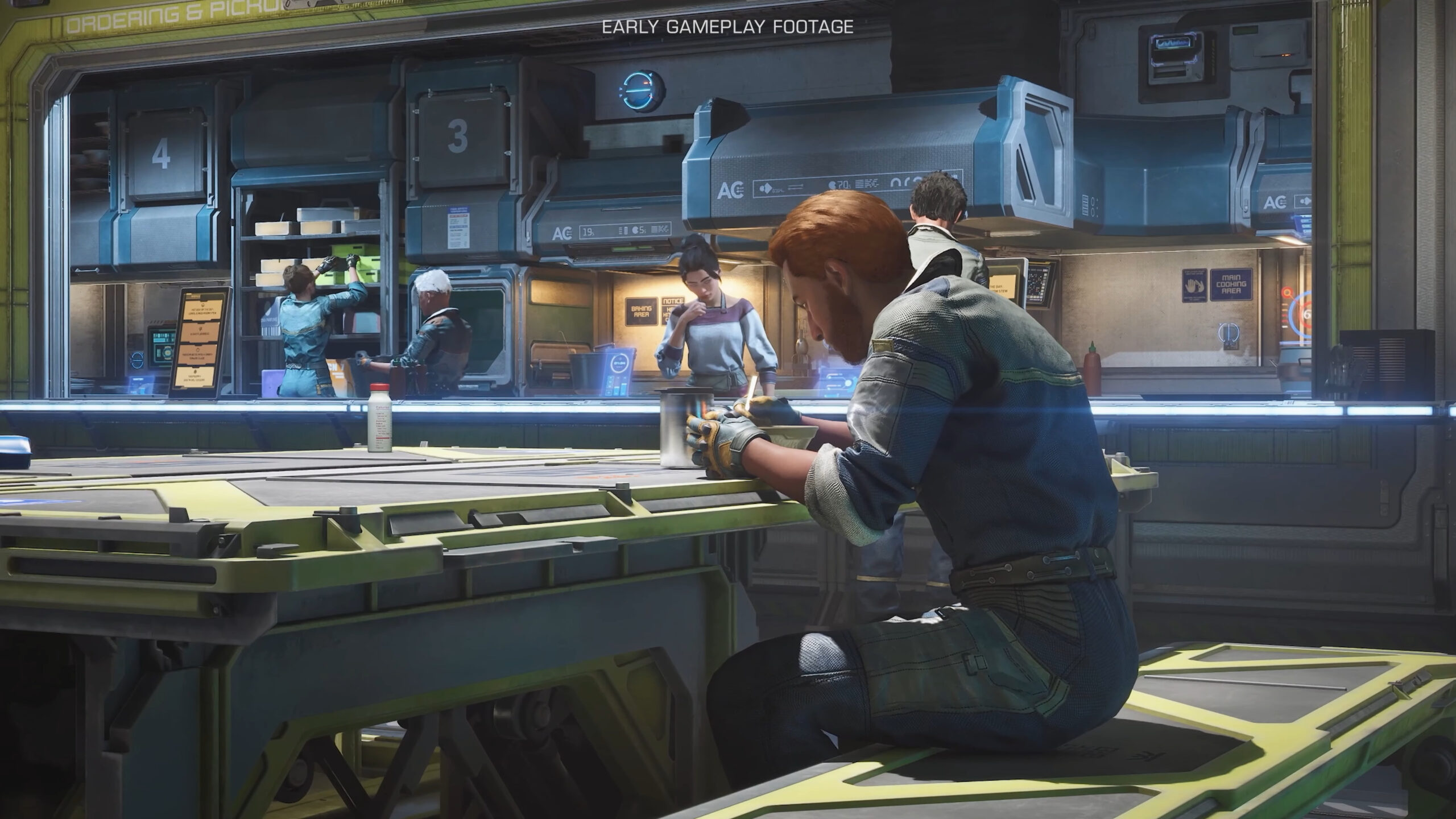
“Companions are one of the core pillars of the project.”
The story features a twin sibling of the main character, and this connection could be a significant plot element. How crucial is this relationship to the story’s emotional impact and the decisions players make?
It’s tough to talk about that without giving away important plot details. But I can tell you that the connection between the main character and their sibling is really central to the story and deeply affects what happens.
Despite all of this, the game remains a role-playing game at its core. Players are free to develop relationships with other characters however they choose – whether they want to get close or keep things more businesslike. This decision will then change how the story feels and why the player does what they do.
The game lets you create a captain with a background from Earth, Mars, or the Belt. But how much does that background actually change things – like what people say to you, how different groups react, the quests you get, or even how you connect with your crew?
Who you start out with as friends might affect how people first see you, but ultimately, your relationships depend on how you behave and the decisions you make, not where you come from.
Where you come from matters in the game. It influences how people see you in important locations, who you meet, and the quests you can undertake. Certain backgrounds also unlock unique experiences that are only available to specific players.
This naturally connects to role-playing because your character’s history shapes their goals, decisions, and interactions with the different groups and powers in the world.
Players seem to really like how you’ve supported the game after it launched. Given that it’s still early days, can you share whether Osiris Reborn will follow a similar pattern, with large expansions, story-driven downloadable content, or ongoing support for a long period?
It’s too soon to share detailed plans right now. We’ve been brainstorming ideas for after the launch – things like different formats and possible future directions – but nothing is decided yet. We’ll have more information to share as we get closer to the launch date.
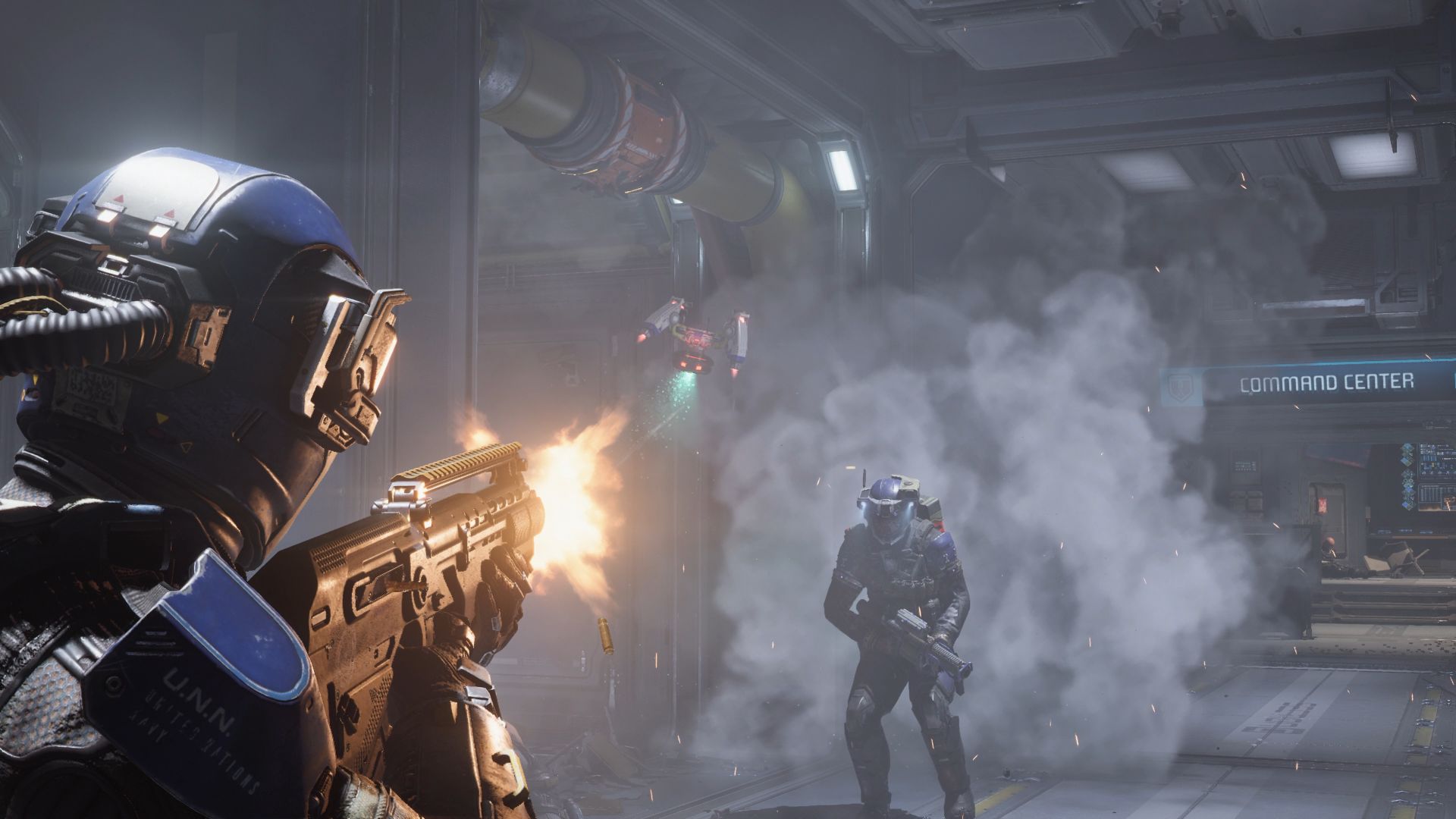
Your past experiences shape what drives you, the decisions you’ll probably make, and how you interact with the different political groups in the world.
What are your thoughts on PSSR, and what opportunities does it open up for your game?
We’re adding the new PSSR 2.0 technology to the PS5 Pro. This will dramatically improve the game’s graphics without slowing it down. Players will experience visuals comparable to those on high-end PCs using technologies like DLSS and FSR. PSSR helps eliminate visual glitches and ensures a consistently smooth and high-quality picture, even during fast-paced action.
What resolution and frame rates are we aiming for on PlayStation 5, Xbox Series S, Xbox Series X, and the upcoming PlayStation 5 Pro?
As a gamer, one of the things I really appreciate is having options to tweak performance. So, we’ve made sure you can balance how good the game looks with how smoothly it runs. Basically, the game is always figuring out the best resolution to use, and then it uses some clever tech to upscale it to your screen’s resolution – things like 4K, if your system can handle it. We’re aiming for 4K on most platforms, but the Xbox Series S will have a slightly different target resolution to keep things running consistently.
So, each platform has three graphics settings: Performance for a super smooth 60 frames per second, Balanced at 40 FPS, and Quality locked at 30 FPS. But the PS5 Pro is getting even more options, and a really cool feature – a mode with no frame cap at all, which is awesome for anyone using a VRR display. It’ll let my games look and run even better!
For Xbox Series S the target resolution is 2K (1440p) and it will only get 30 FPS.
Keep in mind that our release is still a year away, so these details are subject to change. This table represents our current goals, but isn’t final.
| PS5 | PS5 Pro | Xbox Series X | Xbox Series S | |
|---|---|---|---|---|
| FPS | 30/40/60 FPS options |
30/40/60 FPS options VRR support |
30/40/60 FPS options |
30 FPS |
| Target resolution after upscaling |
4K (2160p) | 4K (2160p) | 4K (2160p) | 2K (1440p) |
Read More
- Gold Rate Forecast
- 10 Most Powerful Versions of Superman, Ranked
- GBP CNY PREDICTION
- 007 First Light: Release Date, Story, Gameplay, Cast, Editions, and Platforms
- Forza Horizon 6 Car List So Far: Confirmed Highlights, Cover Cars, DLC, and Rewards
- DOGE PREDICTION. DOGE cryptocurrency
- EUR CNY PREDICTION
- PI PREDICTION. PI cryptocurrency
- Superman’s 7 Best Power-Ups, Ranked
- Fishbowl Is a Charming and Heartfelt Indie You Won’t Want to Miss (Review)
2026-06-02 21:15