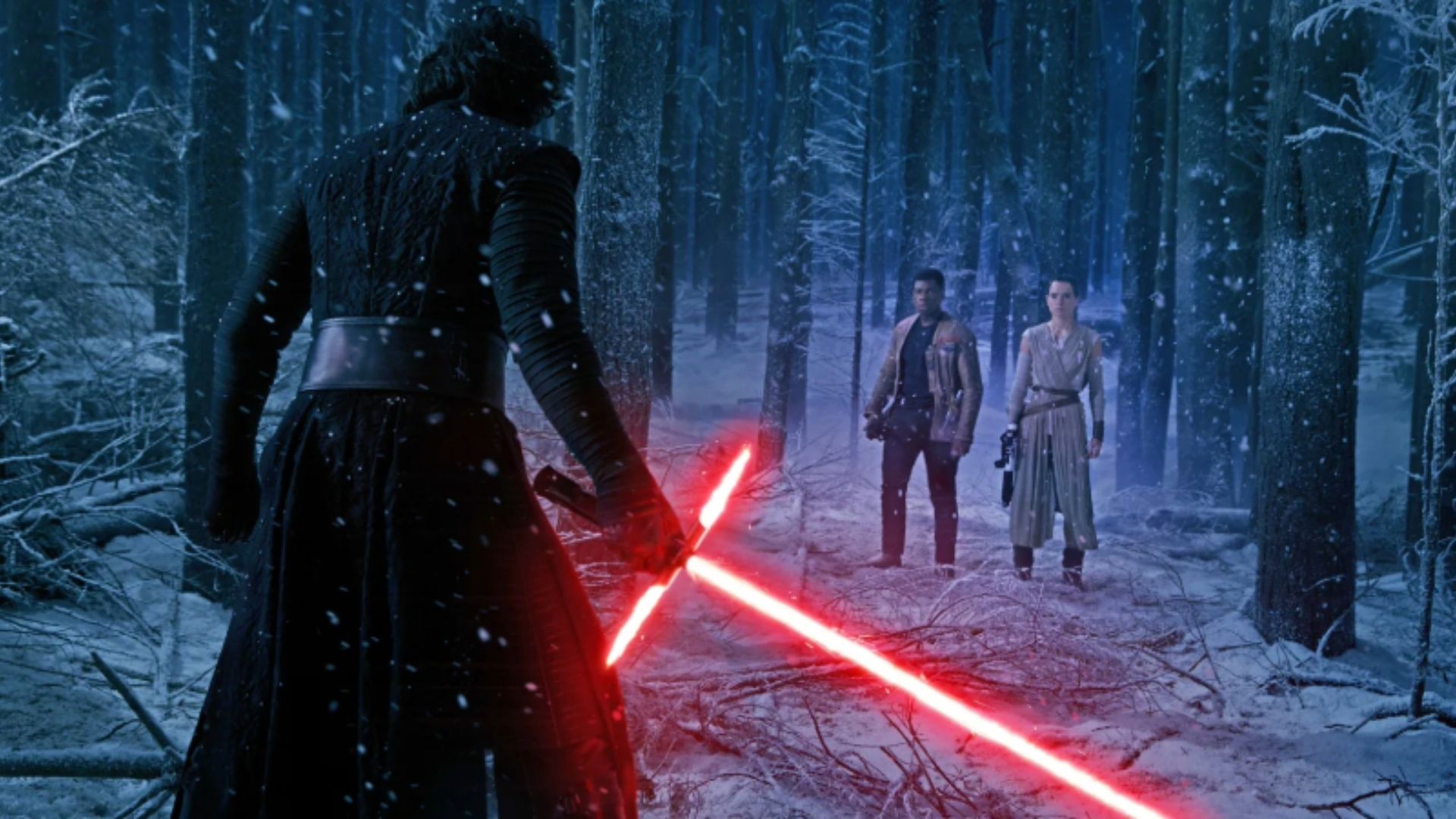
It’s amazing to think that Star Wars: The Force Awakens was released a decade ago. It felt like a completely new era for the franchise. When Disney announced more Star Wars films back in October 2012, it was huge news, but the anticipation only grew from there. Disney started promoting the movie a full thirteen months before its release, and the first teaser trailer on November 28, 2014, instantly captured the world’s attention. Once tickets went on sale in October 2015, other movies seemed to fade into the background, simply holding the place until The Force Awakens arrived. Even a new James Bond film and the final Hunger Games movie weren’t enough to capture audiences’ interest.
The Force Awakens was a massive financial success, earning over $100 million on its opening day and ultimately becoming the highest-grossing film domestically with $936.6 million, and $2.071 billion worldwide. The build-up to the film was almost as remarkable as the movie itself. In many ways, that initial excitement has been difficult for subsequent Star Wars films to recreate, and some fans may feel disappointed by that. While the quality of later films has varied, it’s been impossible to recapture the unique hype and instant impact of The Force Awakens, which effectively relaunched the Star Wars franchise – with both positive and negative consequences.
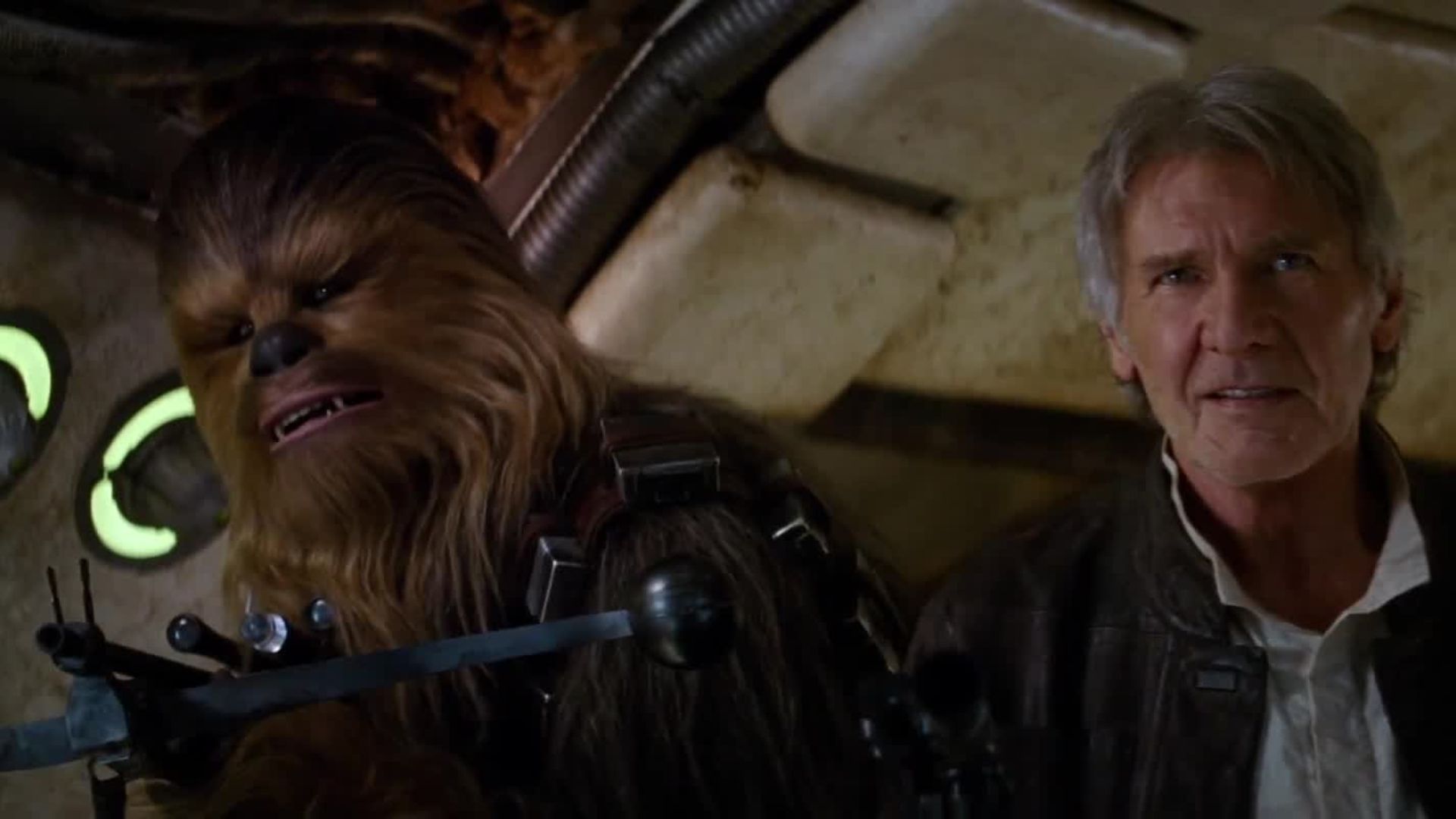
“Chewie, We’re Home” and How We Can Never Go Home Again
Disney
Everyone was incredibly excited for Star Wars: The Force Awakens, perhaps more so than for any movie since Episode I: The Phantom Menace first brought Star Wars back to theaters. Just like with The Force Awakens, the hype surrounding The Phantom Menace was huge – people even went to other movies just to see its trailer, as it had been 16 years since a Star Wars film had been released. The Phantom Menace became a major event for a whole generation, but when it finally came out, opinions were very mixed.
Despite the criticisms the sequel trilogy would eventually receive, The Force Awakens was initially very popular. While some critiques were valid, others, like the claim that Rey was an unrealistic character, weren’t. Overall, the film was well-received and briefly brought Star Wars fans together, creating a special feeling during the holiday season. Since then, both Star Wars and its fans have been trying to recapture that magic, but it’s proven to be incredibly difficult.
It’s unlikely any future Star Wars film will capture the same magic as The Force Awakens, due to the special circumstances surrounding its release. After a decade without a new Star Wars movie – a time when many believed the series had ended – The Force Awakens brought back beloved characters like Han Solo, Leia Organa, and Luke Skywalker, played by Harrison Ford, Carrie Fisher, and Mark Hamill. It felt like a culmination of 32 years of anticipation. The film tapped into a unique wave of nostalgia that can’t be recreated. While Star Wars has attempted to recapture that feeling – as seen with the return of Ewan McGregor and Hayden Christensen as Obi-Wan Kenobi and Anakin Skywalker – it hasn’t been the same.
Despite the huge success of The Force Awakens, many fans didn’t realize that subsequent movies would naturally earn less money. It wasn’t a repeatable, once-in-a-lifetime event. Some fans still consider The Last Jedi‘s $1.3 billion gross a failure simply because it didn’t match the record-breaking numbers of The Force Awakens. This overlooks the fact that The Empire Strikes Back earned less than the original Star Wars, and every Star Wars film has earned less than the first one. Yet, no one would claim the entire franchise declined after that. Still, unrealistic expectations persist.
Does ‘The Force Awakens’ Still Hold Up?
Disney
It’s tough to watch The Force Awakens now, knowing how the sequel trilogy turned out, especially how disappointing The Rise of Skywalker was. However, The Force Awakens deserves to be appreciated as a standalone film, separate from the larger story. When you remove the expectations and nostalgia, it’s still a really good movie and holds up well even after ten years. It’s frustrating to watch knowing where the story goes, but should a weak sequel ruin the enjoyment of the original? Just because a good sequel doesn’t improve a previous film, does a bad one negate the positive qualities of what came before?
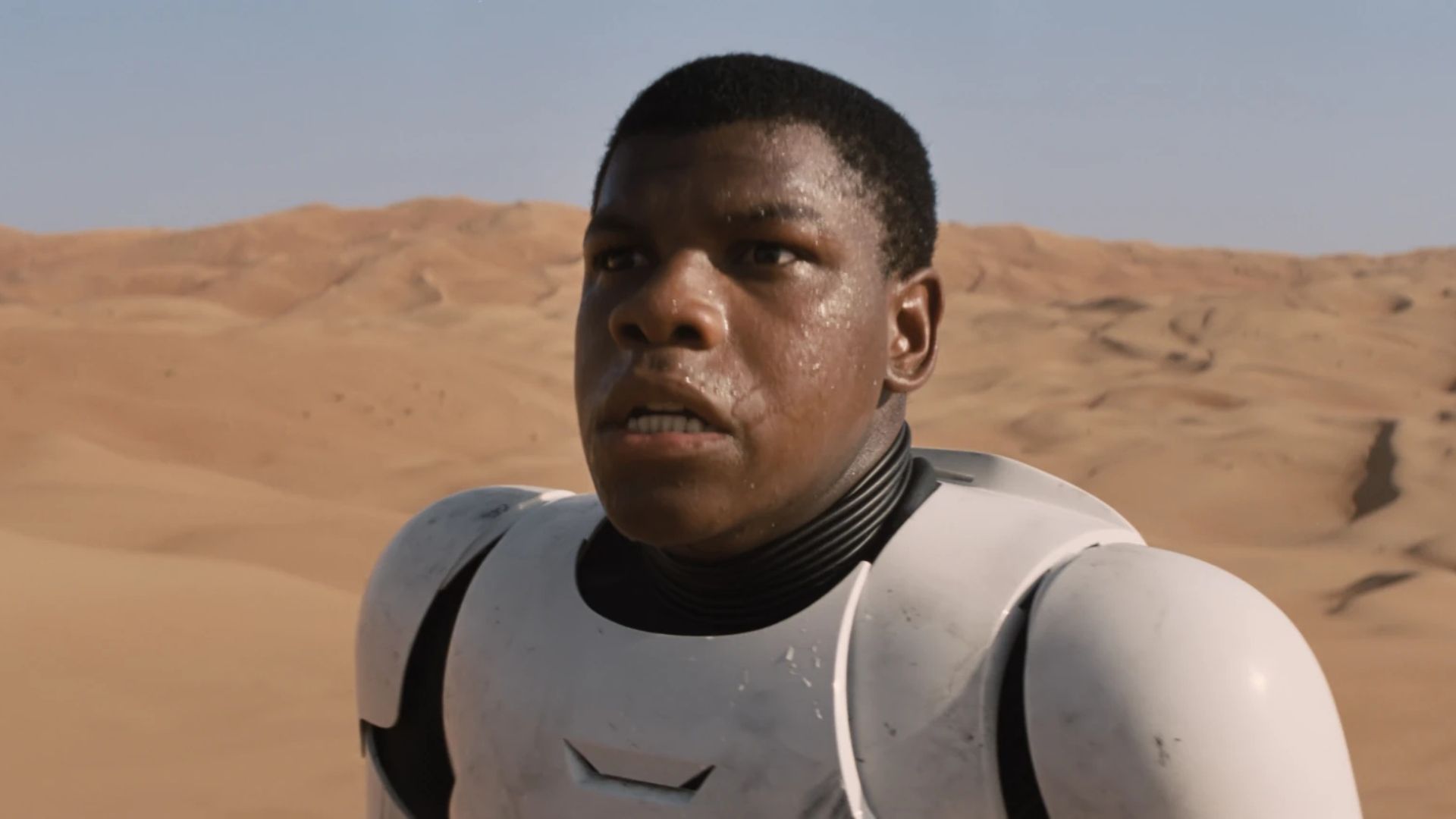
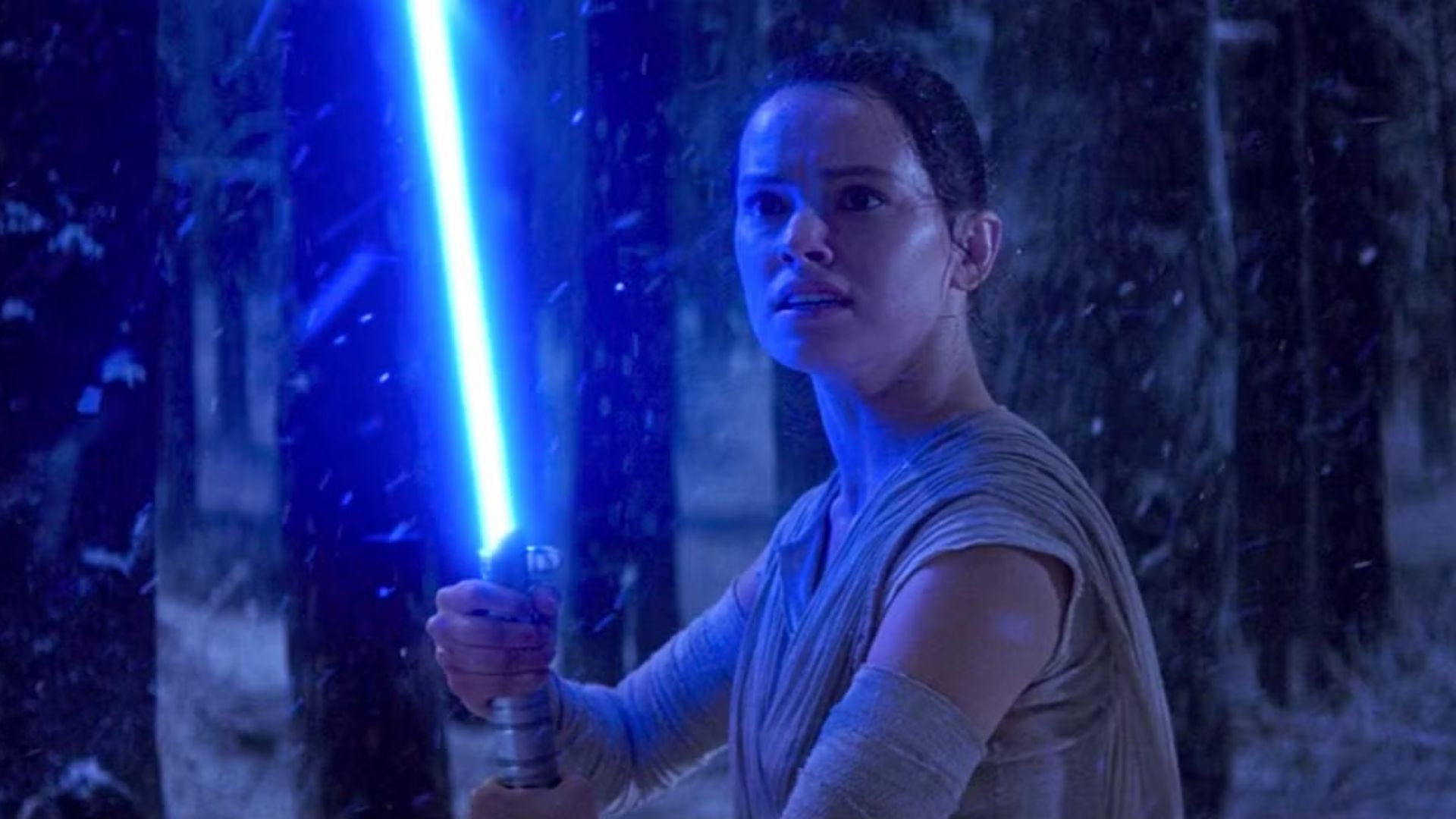
While J.J. Abrams’ work on the Star Wars saga is now viewed with some criticism because of The Rise of Skywalker, The Force Awakens really showcases his talent as a director. Abrams has a knack for finding great actors – he helped launch the careers of stars like Keri Russell and Chris Pine – and the cast he assembled for The Force Awakens is exceptional. Daisy Ridley, John Boyega, Oscar Isaac, and Adam Driver all give memorable performances, and audiences immediately connected with their characters. Fans quickly became invested in Rey, Finn, Poe, BB-8, and Kylo Ren, speculating about their future just like audiences did with Luke Skywalker, Han Solo, and Princess Leia in 1977. In fact, the movie may have been too successful in that regard, as the intense fan theories and expectations ultimately made it difficult for the subsequent films to satisfy everyone.
The Force Awakens intentionally echoes the original Star Wars film, and that was by design. It essentially reimagines the story while also serving as a great entry point for new, younger fans, potentially encouraging them to discover the older movies. While seeing the original isn’t essential, it definitely enhances the experience. The film’s creators deliberately mirrored the look and feel of the original trilogy, a decision that resonated with fans and was largely well-received. Many viewers felt that The Force Awakens captured the same spirit and atmosphere as the classic Star Wars they remembered.
J.J. Abrams draws inspiration from the original Star Wars films, using their style to explore and redefine the visual elements of the franchise. As film critic and filmmaker Patrick H. Willems noted in his 2018 video essay, “The Storytelling Language of Star Wars,” Abrams’ approach to The Force Awakens involved…
J.J. Abrams’ directing style has long been influenced by Steven Spielberg, characterized by dynamic action and a focus on the characters’ perspectives – and he brings that approach to The Force Awakens. Unlike earlier Star Wars films that often showed characters from a distance, Abrams keeps the camera moving with the heroes, putting the audience right in the action. The film’s visual style blends the grand scale of the original A New Hope with the energetic, immersive feel of The Empire Strikes Back. It’s a deliberate shift from the more static camera work of the prequel trilogy, creating a sense of constant forward motion and excitement.
It’s ironic that some of the original complaints about The Force Awakens now seem more valid in hindsight. When it first came out, many viewers felt the First Order was simply a rehash of the Empire, which diminished the satisfying conclusion of Return of the Jedi. The concern was that such a powerful evil shouldn’t be able to reappear after the Rebels had fought so hard to destroy it.
The First Order in the Star Wars sequel trilogy was inspired by the idea of Nazis who escaped after World War II and attempted to rebuild their power. Interestingly, after the release of The Force Awakens in 2015, there was a noticeable increase in white supremacist groups and Nazi symbolism – something the filmmakers hadn’t anticipated. The notion of Nazis being unequivocally evil even became a subject of discussion for some, which is, of course, undeniable. Adding another layer to this, Donald Trump was re-elected President in 2024 after losing the previous election. It seems The Force Awakens unintentionally captured a growing trend in the world and now feels eerily predictive.
‘The Force Awakens’ is Different, and So Are We (And That’s a Good Thing)
Disney
Since The Force Awakens came out, a lot of people have written about it, and more criticism has emerged. It’s likely that the disappointing ending of The Rise of Skywalker made the original film’s problems seem worse in retrospect. It’s also possible that initial opinions – both positive and negative – have simply changed over time, similar to how reactions to the prequel films softened after their release.
A lot has happened with Star Wars and the movie business since The Force Awakens came out. It’s easy to look back fondly on that time, right before and after the film, when the future of Star Wars felt open and full of possibilities, with everyone sharing their ideas and predictions. Sometimes, the anticipation is actually more enjoyable than seeing the final result. But even then, there were always strong opinions and disagreements, just like there were with the earlier films. It wasn’t perfect then, and it never will be.
Seeing The Force Awakens today feels different than when it first came out, but that’s not necessarily a negative. Films become like preserved moments in time, and how audiences feel about them can change over the years. While The Force Awakens was initially very popular, opinions have become more mixed. It’s hard to say how it will be viewed on its twentieth anniversary. After all, nobody expected the prequel trilogy to gain a following later on. It will be interesting to see how a new generation reacts to the film without all the original excitement and expectations. Maybe we’ll revisit this in 2035 – perhaps Disney will finally make that Hunt for Ben Solo movie by then!
Read More
- 4 TV Shows To Watch While You Wait for Wednesday Season 3
- Gold Rate Forecast
- All 6 Takopi’s Original Sin Episodes, Ranked
- Best X-Men Movies (September 2025)
- 10 Best Buffy the Vampire Slayer Characters Ranked
- 40 Inspiring Optimus Prime Quotes
- PlayStation Plus Game Catalog and Classics Catalog lineup for July 2025 announced
- Every Creepy Clown in American Horror Story Ranked
- 10 Most Memorable Batman Covers
- Ted’s ‘Dungeons & Dealers’ Episode Accurately Captures D&D Experience
2025-12-18 16:25