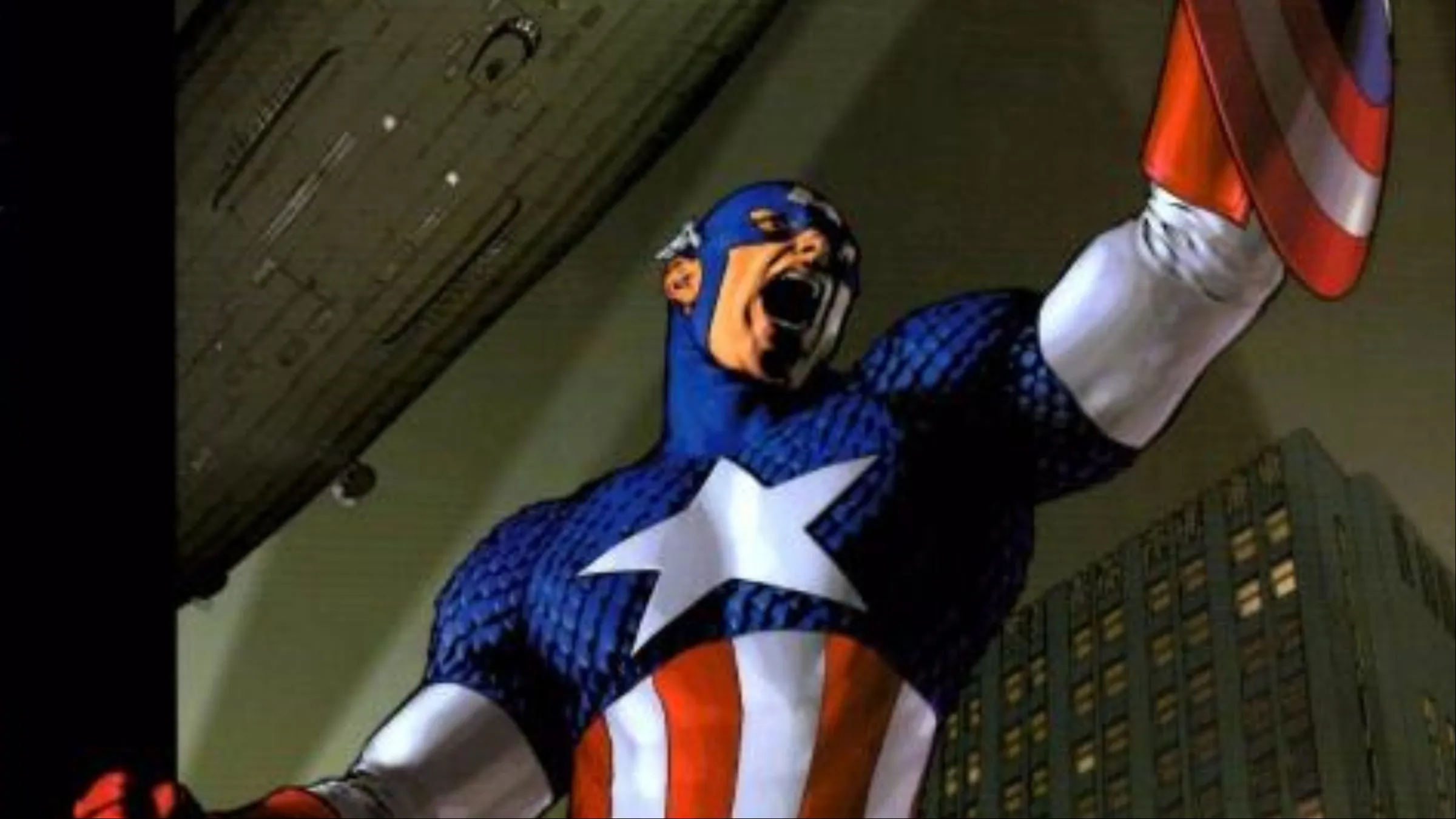
Captain America is experiencing another strong run, largely thanks to the creative team of Chip Zdarsky and Valerio Schiti. This happens every few years – a talented writer or artist will take on the character and produce exceptional comics. The late 1990s and early 2000s were a surprisingly good period for Captain America in this regard. A promising run by Waid and Garney, initially started in 1998, continued with Waid teaming up with Andy Kubert, followed by Dan Jurgens, who delivered some excellent stories. This era led into 2001 and the events of 9/11, which prompted Marvel to reposition Captain America by moving the comic to their Marvel Knights imprint, necessitating a change in direction for the character.
The fourth volume of Captain America started strong with what many consider one of the best stories in the character’s history. Issues #17-20 marked a significant shift in tone, moving away from the previously established style. While earlier issues were often larger in scope, this four-part story, titled “Cap Lives,” felt much more realistic. It takes place in an alternate reality where the Allies lost World War II after Captain America went missing. He’s discovered by the Nazis and awakens to find America under the control of the Red Skull. This storyline is a truly exceptional Captain America tale that deserves more recognition.
“Cap Lives” Is an Amazing Captain America vs. Red Skull Story
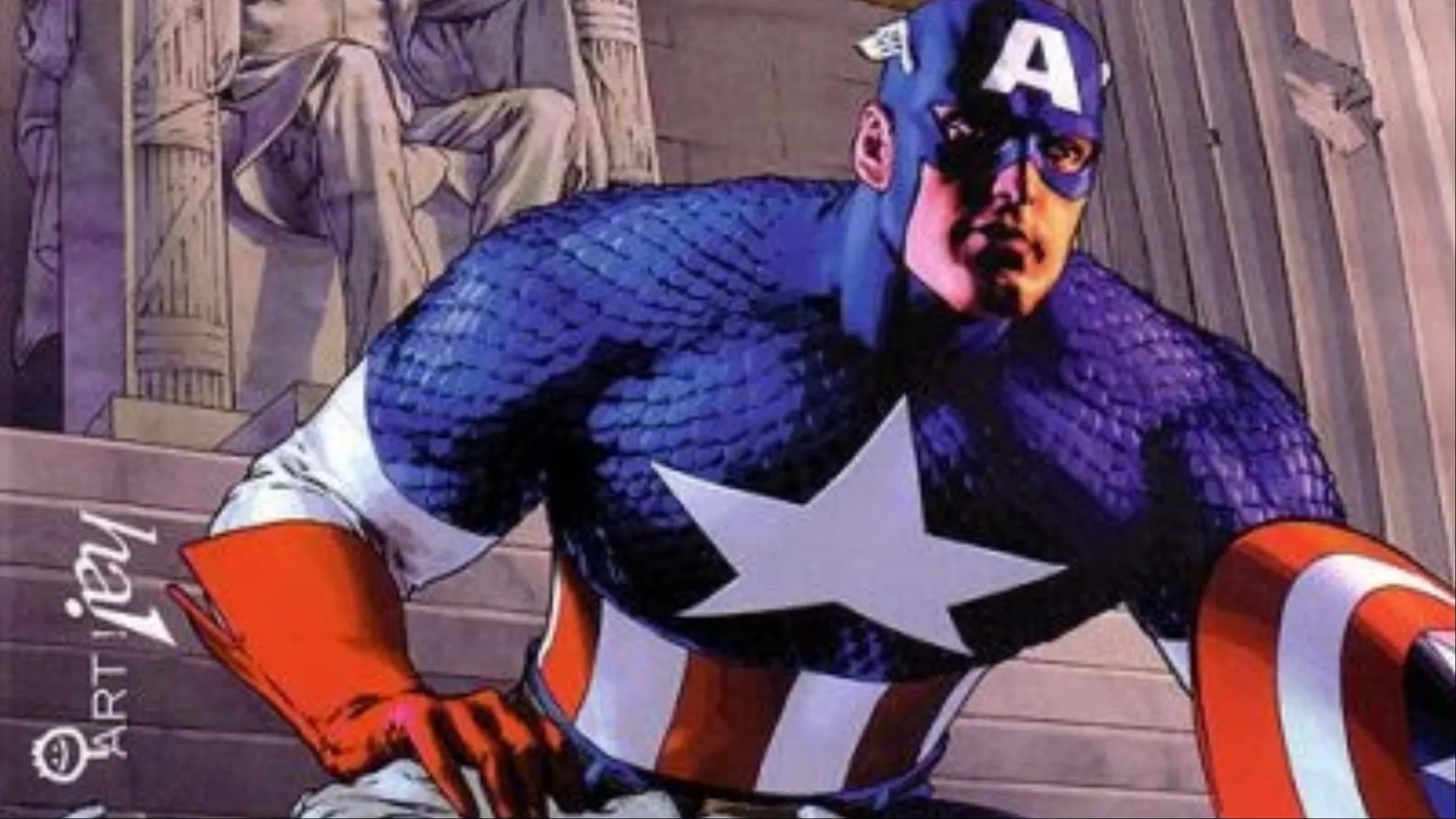
Let me tell you why I think “Cap Lives” is so good. It really starts with the people who made it. The writer, Dave Gibbons, is a legend – seriously, one of the best artists DC Comics has ever seen. You probably know his work – he drew Superman and Green Lantern, but he’s most famous for Watchmen, which he created with Alan Moore. He’s collaborated with so many amazing writers over the years, and you can just feel that experience and skill in every panel.
Lee Weeks, a skilled penciler and graduate of the Joe Kubert School, was a long-time Marvel artist whose classic style was a great fit for the story “Cap Lives.” Set in a 1960s New York City controlled by Nazis, the story needed a retro yet futuristic look, which Weeks perfectly captured through strong character work, detailed backgrounds, and dynamic action scenes. Veteran inker Tom Palmer added incredible depth to the artwork, and Gene Ha’s covers completed what became a truly artistic masterpiece.
A talented team of artists collaborated on a compelling story that explored a familiar theme—a changed future—but with a unique twist. While not a future for the audience, it was for Captain America, and his reaction to this altered world was spot-on. The story showed us what happened to classic Marvel heroes like the Fantastic Four, Nick Fury, and the Avengers in this new timeline, delivering everything fans hoped for.
Seeing Red Skull in a position of power over Captain America was a compelling dynamic, forcing Cap to rely on all his abilities to overcome the Nazi threat. While many fans at the time were looking for darker, more realistic superhero stories, this comic offered something different: a classic Captain America adventure against his greatest foe, set in a bygone era of airships and Nazi super-soldiers. Though it didn’t gain much attention when it was first released, and sales of Captain America (Vol. 4) declined, it’s now considered one of the best Marvel stories from that period.
“Cap Lives” Is What Captain America Stories Should Be
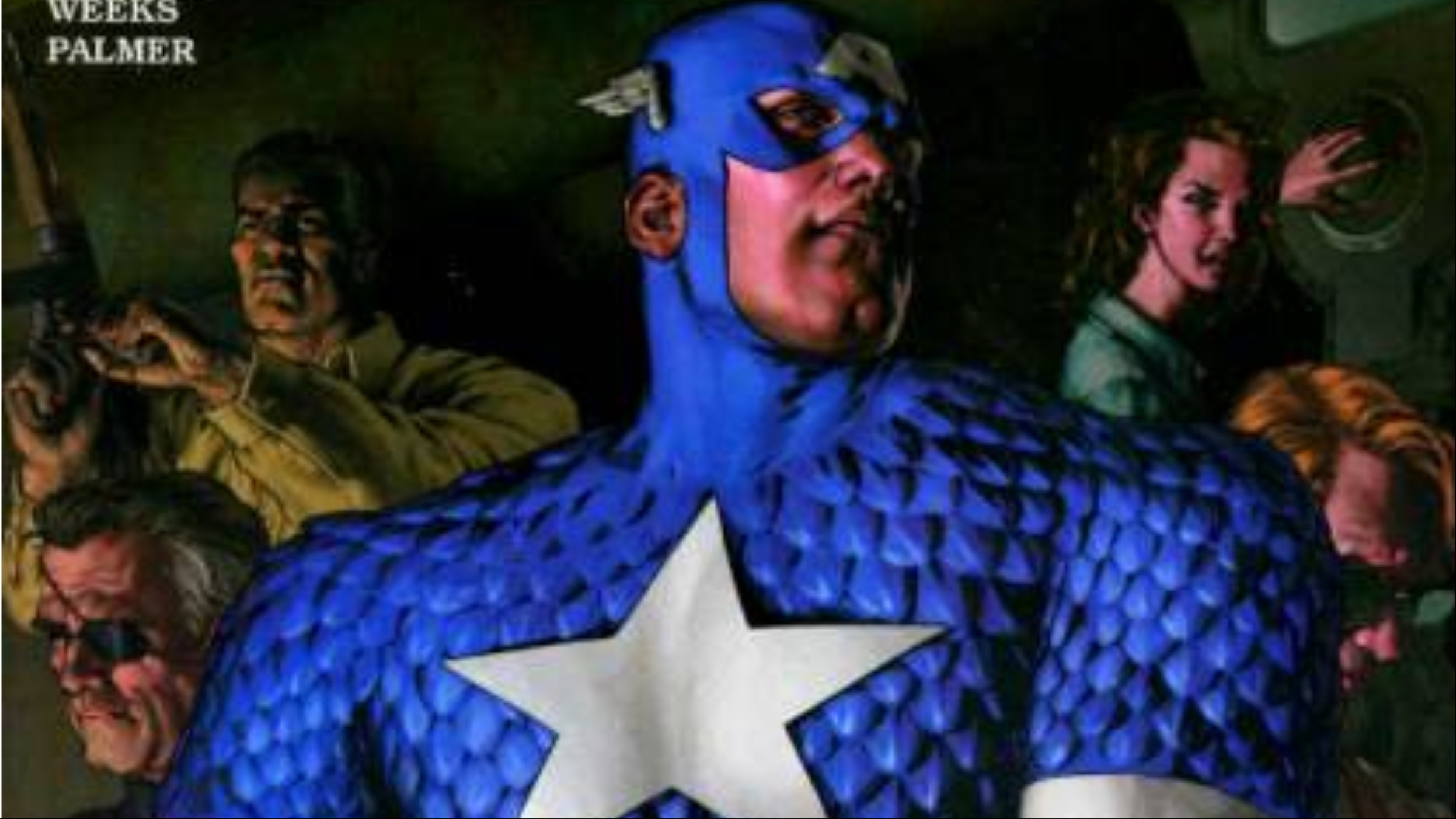
Captain America’s 2002 run, beginning with the work of John Ney Reiber and John Cassaday, powerfully addressed the national emotions following the 9/11 attacks. This story, titled “Cap Lives,” offered a fresh direction for the character, but unfortunately, it was largely overshadowed by the many other successful titles Marvel was publishing at the time. Despite this, it remains a classic tale, bringing together a fantastic creative team to pit Marvel’s most iconic hero against a formidable foe.
This story won’t offer a new perspective on the Star-Spangled Avenger, but it delivers plenty of action against Nazis, features interesting alternate versions of familiar characters, and ultimately reinforces the idea that freedom will triumph over oppression. It’s a hopeful story, bringing light to darkness, and a victory over fascism feels particularly relevant and needed right now.
https://comicbook.com/comics/list/10-marvel-comics-you-need-to-read-in-2026/embed/#
Read More
- Gold Rate Forecast
- Dune 3 Gets the Huge Update Fans Have Been Waiting For
- 22 actors who were almost James Bond – and why they missed out on playing 007
- Disney Promotes Thomas Mazloum To Lead Parks and Experiences Division As Josh D’Amaro Prepares To Become CEO
- Antiferromagnetic Oscillators: Unlocking Stable Spin Dynamics
- Jack Osbourne Shares Heartbreaking Tribute to Late Dad Ozzy Osbourne
- Action Comics #1096 is Fun Jumping-On Point for Superman Fans (Review)
- Hazbin Hotel Secretly Suggests Vox Helped Create One of the Most Infamous Cults in History
- 5 Weakest Akatsuki Members in Naruto, Ranked
- Dungeon Stalkers to end service on June 9
2026-02-12 22:12