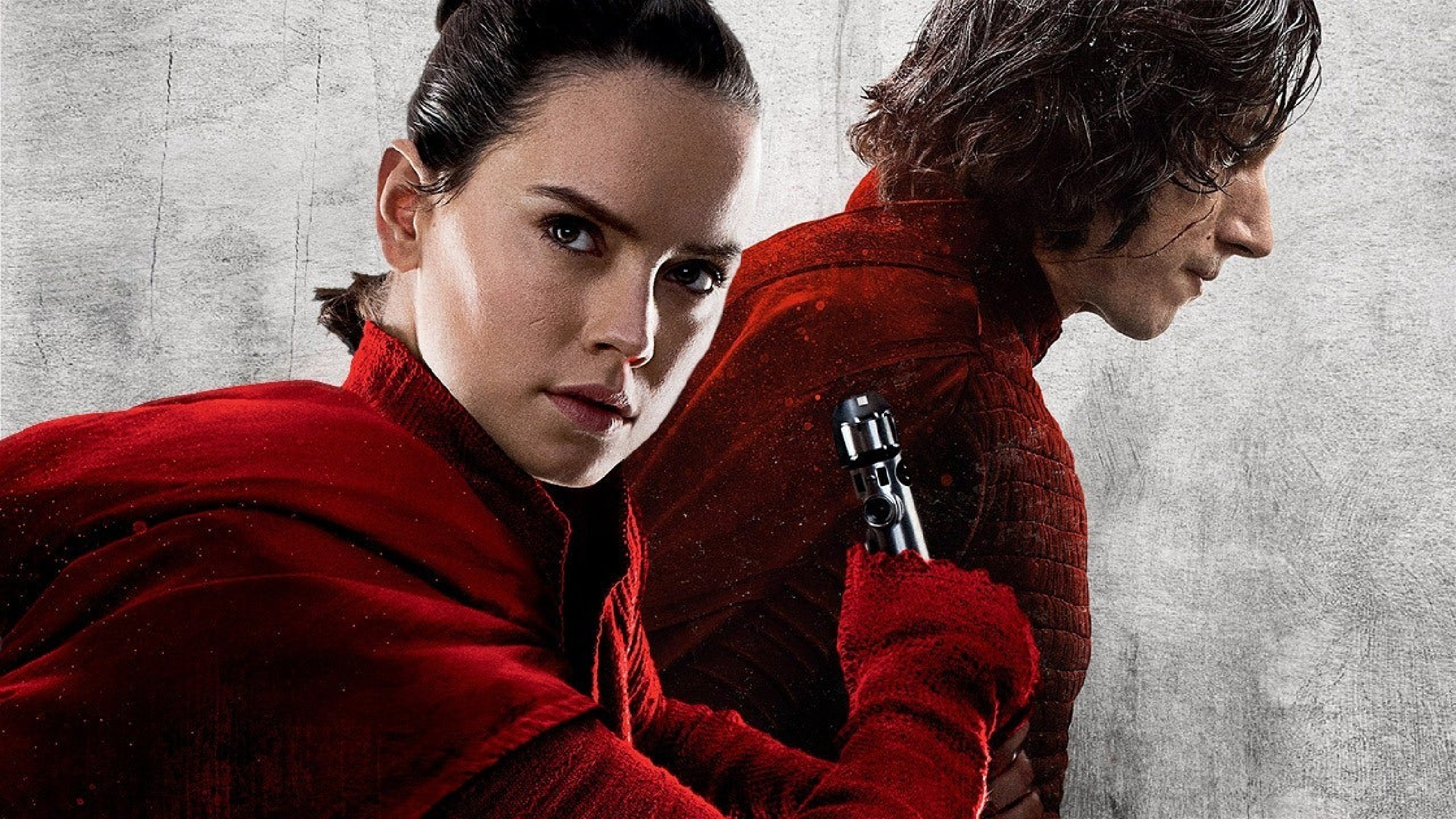
Just four words dramatically altered the course of Star Wars. While George Lucas often suggests he had the entire story mapped out from the beginning, the reality is quite different. Evidence shows the famous reveal – Darth Vader’s “I am your father” – wasn’t part of the initial script for The Empire Strikes Back, and Luke’s sister was originally conceived as a different character altogether. However, these weren’t necessarily errors; the “I am your father” moment proved to be a pivotal, perfectly executed twist that defined the franchise.
Here’s the problem: even making the right choice doesn’t guarantee a good outcome. A decision that seems good at the time can have unexpected negative effects later on, potentially changing the entire story of a franchise. This happened with The Empire Strikes Back – the famous reveal of Darth Vader as Luke’s father unintentionally harmed the overall Star Wars story. Interestingly, Rian Johnson’s The Last Jedi was, in part, an attempt to address this issue, which is sadly one of the main reasons fans disliked the film.
The Empire Strikes Back Abandoned A New Hope’s Greatest Theme

Many fans consider The Empire Strikes Back the best Star Wars film, and it’s easy to see why. However, the movie departs from George Lucas’s initial vision for Luke Skywalker, who was originally conceived as a relatable, everyday hero. In the first film, Luke was meant to be a wish-fulfillment character – an ordinary person who discovers extraordinary abilities and the power to impact the galaxy. The central idea was that true change isn’t driven by strength or technology, but by ordinary individuals who rise to the challenge and achieve the seemingly impossible.
While still inspiring, The Empire Strikes Back shifted the direction of Star Wars. It moved away from Luke being an ordinary hero and revealed he was part of a powerful family with a significant role in galactic history. George Lucas reinforced this idea in Return of the Jedi by showing that Princess Leia was also a Skywalker. He even started referring to the story as the “Skywalker saga,” unintentionally highlighting this new focus on family destiny.
Beyond The Empire Strikes Back, the prequel films support the idea that the story truly centers on Anakin Skywalker, not Luke. Anakin is presented as a destined hero, a messianic figure, rather than a typical hero. This changes how we see Luke and Leia; their importance isn’t about their personal journeys to become great, but about them carrying on Anakin’s legacy as the Chosen One. George Lucas originally planned for the sequel trilogy to reveal Leia as the true Chosen One, completing her father’s destiny.
Rian Johnson Tried to Bring A New Hope’s Biggest Theme Back
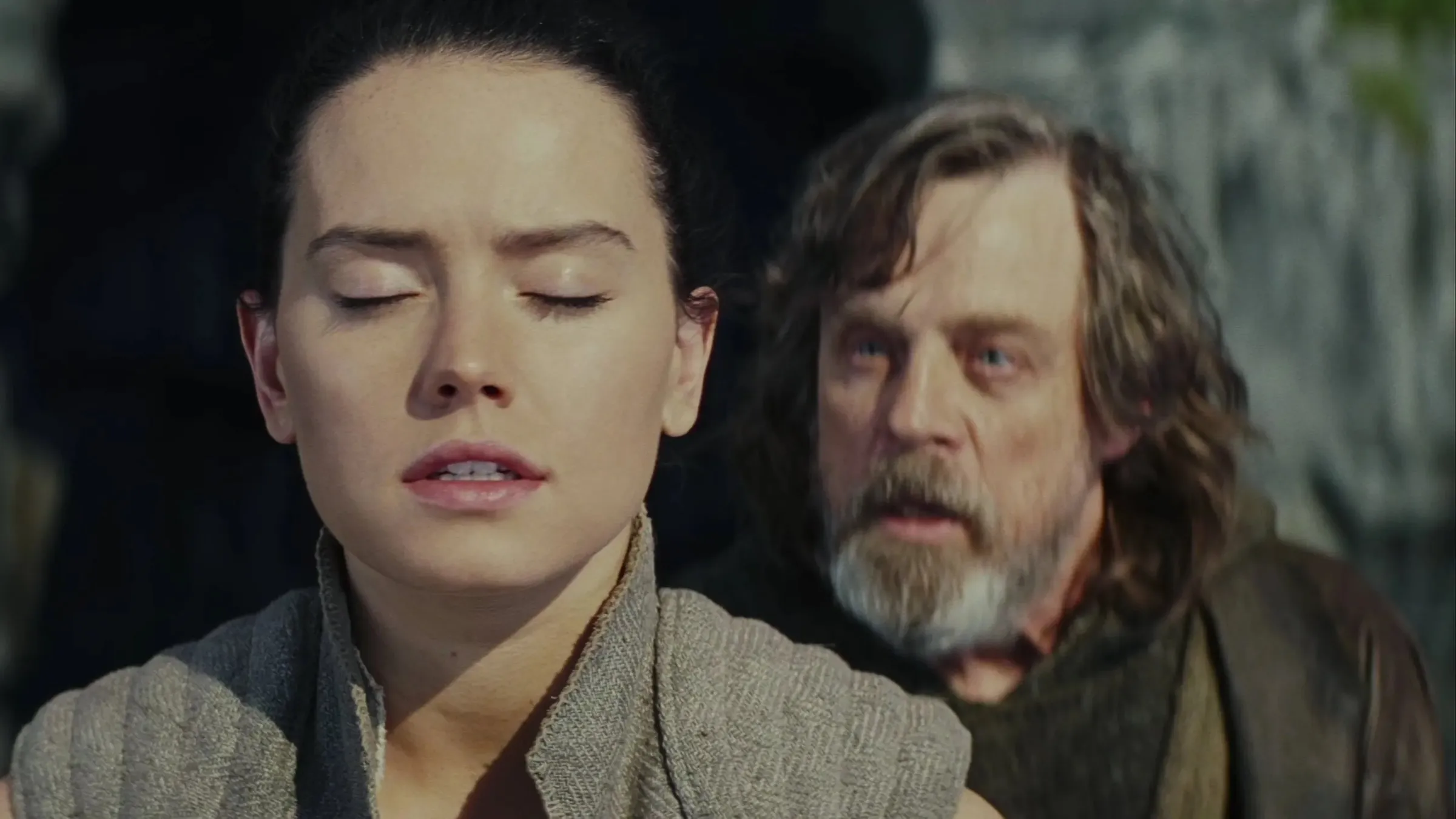
It’s important to note that the symbolic elements in the original films weren’t deliberately planned. Rian Johnson addressed this in The Last Jedi, which was intended to be the second film in the Disney sequel trilogy, much like The Empire Strikes Back was in the original series. Johnson’s film explores the contrast between the idea of a special ‘Chosen One’ and the more relatable ‘everyman’ hero. He portrays Luke Skywalker as a hero who’s lost faith and realizes he can’t simply solve the galaxy’s problems with a lightsaber. The script challenges us to question our need for a savior and suggests that real power comes from ordinary people taking action themselves.
The idea that family history doesn’t define a person is most apparent in The Last Jedi‘s reveal that Rey has no significant family lineage. The Force Awakens initially suggested Rey might be connected to a powerful family, similar to Luke Skywalker’s origins on a desert planet, and fans excitedly speculated about her parents. However, director Rian Johnson felt that giving Rey a traditional, dynastic background wouldn’t be emotionally fulfilling for her, especially since she didn’t know key figures from the Star Wars universe like Obi-Wan Kenobi. While such a reveal might have been interesting for the story’s lore, it wouldn’t have resonated with Rey as a character.
Okay, so The Last Jedi really flipped the script on the whole ‘chosen one’ idea, and honestly, I found it refreshing. Remember how A New Hope showed us anyone could be a hero? This movie doubles down on that. It turns out Rey’s parents weren’t important at all – she wasn’t born special, she becomes special through her own actions. The scene where this is revealed is cleverly set up to feel like the big Empire Strikes Back twist, but it does the complete opposite. It takes Star Wars away from destiny and bloodlines and puts the power back in the hands of the individual. It’s a bold move, and surprisingly, a lot of fans really didn’t like it!
The Star Wars Fandom Won’t Accept A Reset
After that, things changed dramatically. Star Wars fans strongly disliked the idea that Rey had no family connection to the established characters, and they made their feelings known. The idea of family legacy is now a core part of the Skywalker story, and Lucasfilm responded by revealing that Rey was actually the granddaughter of Emperor Palpatine. Regardless of whether the studio agreed with director Rian Johnson’s original intent, they ultimately abandoned the direction he’d taken with Rey’s backstory.
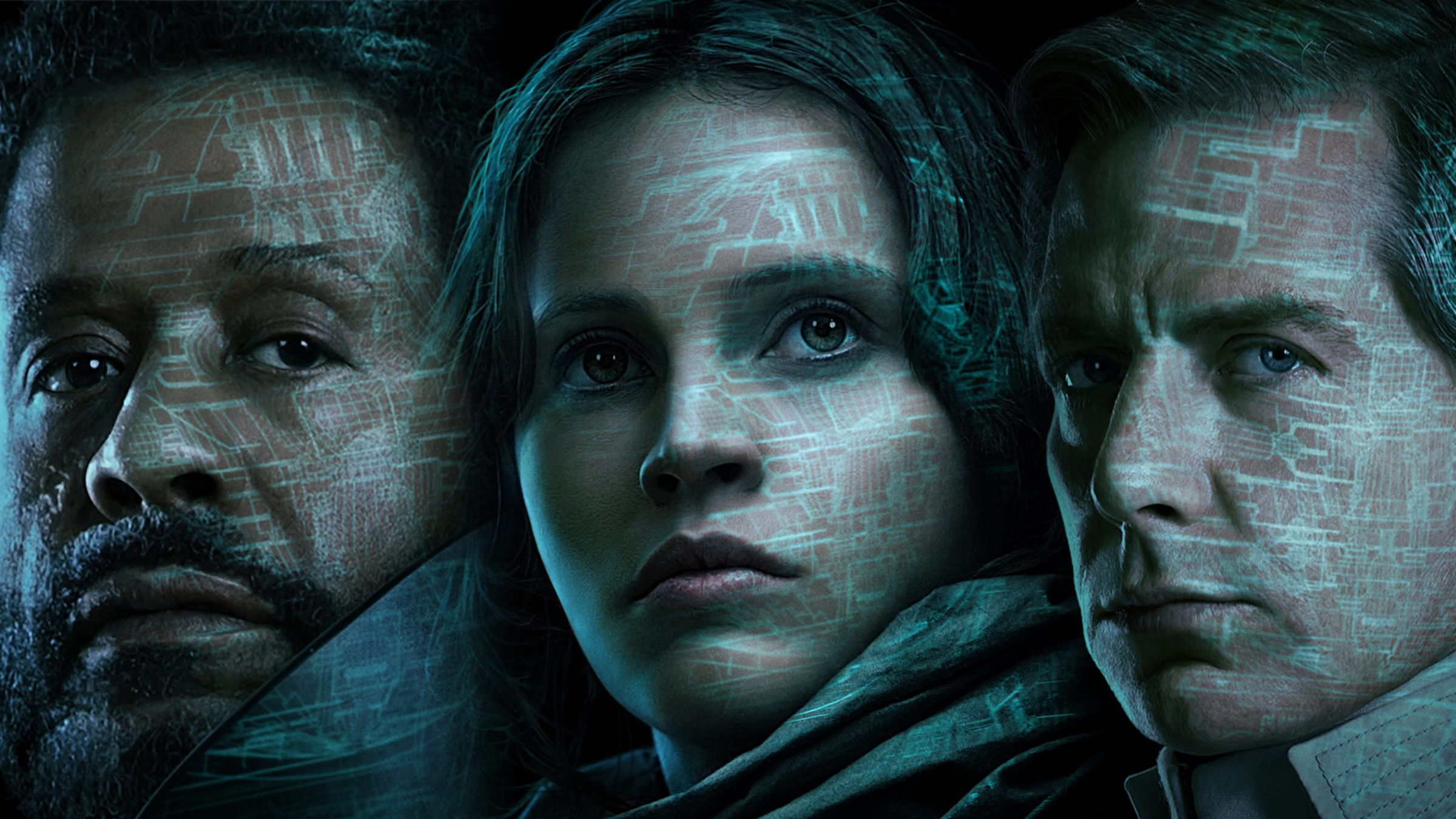
It’s ironic that people now connect most with the relatable, everyday heroes in Star Wars. We live in a time when many historical figures – and it’s often men – are presented as larger-than-life individuals. Interestingly, the most popular Star Wars film, Rogue One, and TV show, Andor, focus on ordinary characters. Lucasfilm seems to have found a clever balance: keeping the grand narratives of powerful figures like the Skywalkers separate from stories about more down-to-earth heroes.
In retrospect, the ending of Rogue One feels particularly fitting. While fans often focus on Darth Vader’s appearance and the unique hallway battle, the most important takeaway is that even the powerful Chosen One can be defeated by ordinary people willing to make the ultimate sacrifice. Yes, Vader eliminates the rebels, but they succeed in securing the Death Star plans. This failure demonstrates that the true heroes of the galaxy aren’t the powerful figures, but everyday individuals.
George Lucas has had a somewhat mixed reaction to Disney’s Star Wars films, but he particularly enjoyed Rogue One. He even gave the film’s writer, Tony Gilroy, a lengthy 45-minute phone call, which Gilroy described as an incredibly significant experience. Lucas likely appreciated Rogue One because it brought back important themes that had been lost in other Star Wars installments. At its heart, Rogue One was a hopeful story, focusing on the power of everyday people rather than relying on the actions of famous heroes.
What do you think? Leave a comment below and join the conversation now in the ComicBook Forum!
Read More
- What Song Is In The New Supergirl Trailer (& What It Means For The DC Movie)
- Dune 3 Gets the Huge Update Fans Have Been Waiting For
- TV legend Carol Kirkwood reveals the reasons why she decided to retire after 28 years with BBC
- Starfield PS5 Won’t Play Off Physical Disc without a Download
- First Berserker: Khazan Players Are Getting Free Items to Celebrate the Game’s 1 Year Anniversary
- Jaleco Sports: Bases Loaded II announced for PS5, Switch; now available
- Digimon Is Getting a New RPG in 2026 (And You Probably Missed It)
- Kanye West’s Wife Bianca Censori Details New Marriage Milestone
- Designing Magnetism with Molecular Architecture
- Butcher’s Transformation Into A “Ruthless Killer” In The Boys Season 5 Explained By Karl Urban
2026-03-15 21:15