
Action role-playing games are incredibly popular because they keep you constantly moving forward. They encourage players to be proactive and skillful, rewarding quick reactions and consistent progress. From the very beginning, these games teach you that taking the initiative and being powerful are key. You fight enemies to get better gear, which then lets you defeat even tougher enemies – it’s a really satisfying cycle. This reliable and exciting gameplay has made the genre stand out. After playing many of these games, I’ve realized something is missing, though I doubt it will ever be added.
I’ve played a ton of action RPGs, and they always have you as the main hero, sword swinging and battling monsters. But I’ve always wondered, what if I could play as the helper instead? It’s weird because nobody really lets you be a dedicated healer or support character! Even when there is healing, it usually just helps you survive, or it’s tied to how much damage you do. And if a game does let you support others, you’re usually controlling the whole party yourself. I get why it hasn’t been done, but it feels like such a cool idea that the genre keeps overlooking!
Healers Deserve To Be Heroes Too
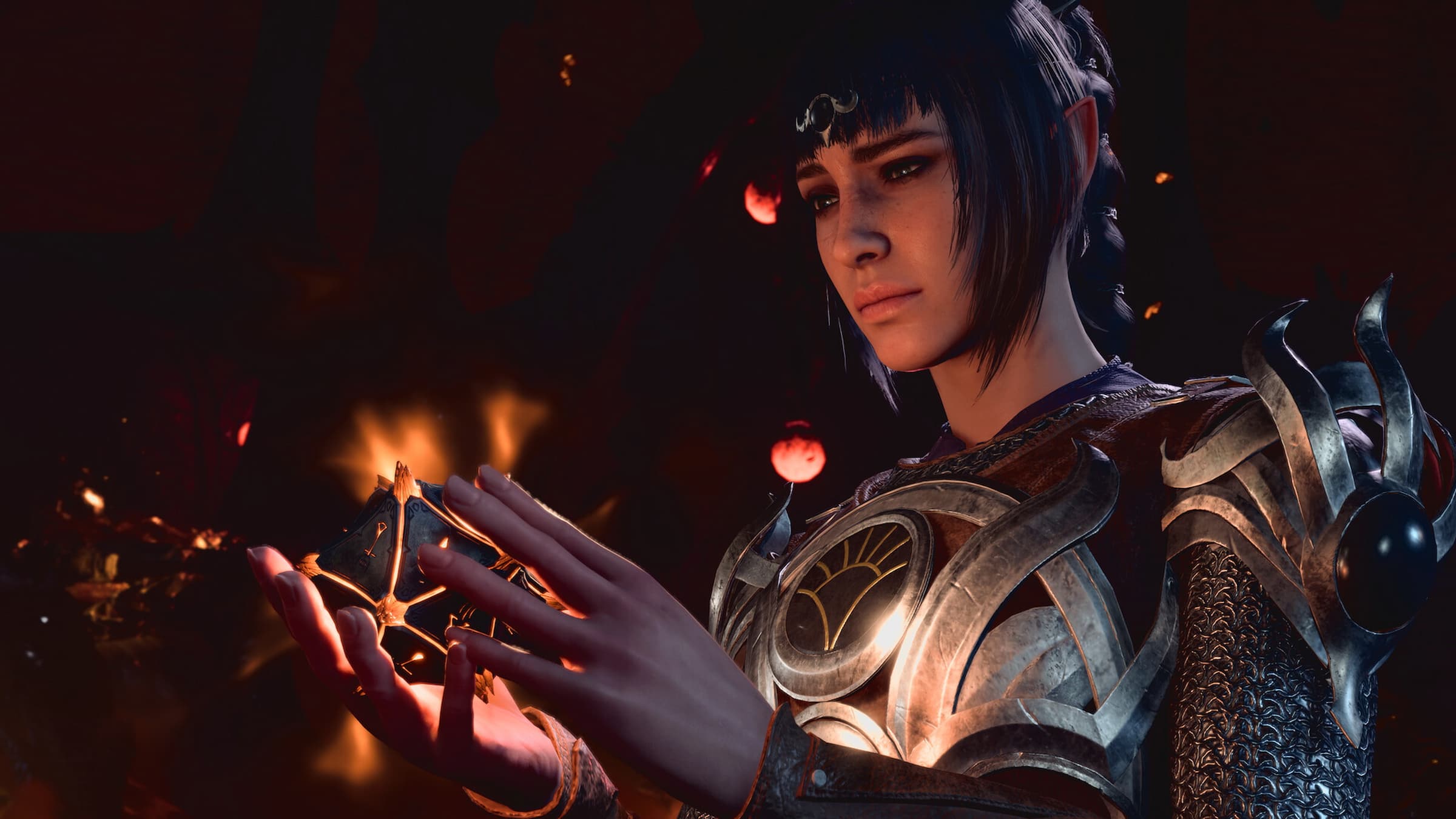
Healers are vital in many role-playing games (RPGs), often acting as the core support for their team – think of a character like Aerith from Final Fantasy VII. While damage-dealing characters usually get the spotlight, they wouldn’t last long without healers keeping them alive, particularly during tough boss battles. However, even though healers are so crucial in traditional RPGs, they rarely get to be the main character in faster-paced, action-oriented games.
While healers might not deal the most damage, their ability to keep allies alive is crucial. Playing a healer requires careful timing and deciding who to help first, which creates a unique and engaging challenge. In games like Baldur’s Gate 3, this support role feels incredibly powerful, and I always include a cleric due to their versatility and helpful abilities. I feel the same way about classic turn-based RPGs – I always make sure to have a dedicated healer who can also buff the team when needed.
Action RPGs generally don’t include dedicated healers. The core gameplay focuses on a single character actively fighting enemies, and a healer who doesn’t directly attack would feel weak in comparison. Without teammates to heal, the role simply doesn’t work. That’s why healing in these games is usually limited to keeping yourself alive or providing quick emergency help, rather than being a central way to play. However, just because healers aren’t a common role doesn’t mean they aren’t valuable or fun. The genre has simply decided against including them, and it’s time to consider that decision. Healers deserve recognition too, even if their style isn’t as outwardly impressive.
It’s Hard To Mix Action And Healing

The main challenge in creating an action RPG focused on healing isn’t about game design, but how the gameplay feels. Action RPGs require players to constantly be moving, aiming, and reacting. However, traditional healers usually focus on watching the battlefield, predicting damage, and responding – they don’t directly attack. It’s hard to make that style of play fit into the fast-paced action of the genre. If a healer isn’t attacking, the gameplay can become repetitive, involving simply watching health bars, waiting for abilities to recharge, and trying to stay safe.
Action games thrive on keeping players engaged, so any moment that feels slow can be a problem. Designers work hard to avoid this because boredom quickly leads to players stopping. That’s why many action RPGs combine healing with attacking – things like regaining health while dealing damage, adding buffs and debuffs to attacks, or making healing part of aggressive skills. Another approach is to use companions, like Atreus in God of War, who can provide support and healing either automatically or through player control.
Honestly, I get why they made this design choice. Having a character totally focused on healing in a single-player ARPG just doesn’t seem to fit. Without other people or smart AI companions, healing feels kind of pointless. You’d either be healing yourself, which takes away the challenge, or healing NPCs that don’t really need it. It’d end up feeling like I’m just watching things happen and clicking occasionally, instead of actually playing the game. It’s a tough problem to solve, but I think it’s a goal the developers should definitely aim for!
Supports Are On The Sidelines For Now

Could the difficulty of including healers in action RPGs actually be a chance for innovation? Perhaps the issue isn’t that healers don’t fit, but that the genre needs to adapt to include them. With the rising popularity of cozy games, particularly with titles like Haunted Chocolatier on the horizon, this feels like a perfect fit. A more relaxed, low-pressure fantasy ARPG could be a great way for developers to explore this possibility.
Imagine an action RPG unlike any other, where instead of playing the powerful warrior, you’re the healer keeping everyone alive. Your teammates fight on their own, reacting to the situation and how well they’re doing. You’ll move around the battlefield, boosting their abilities, removing harmful effects, and healing them as the fight happens. It’s still an active combat system, but your job is to support your team and help them succeed.
This game could offer a relaxing yet engaging experience, blending gentle action with strategic thinking. It focuses less on fast reflexes and more on careful planning, timing, and prioritizing who needs help. Rather than attacking enemies, you’ll be focused on keeping your team alive and preventing them from losing. This approach is surprisingly soothing, particularly for players tired of constant combat, and appeals to those who enjoy supporting others.
Games such as Baldur’s Gate 3 demonstrate that players enjoy playing support roles if the game mechanics allow them to be effective. However, those games achieve this by slowing down time, pausing combat, or focusing heavily on managing a party – things that aren’t typical in action RPGs (ARPGs). To make a similar support-focused system work in an ARPG, the game’s overall speed and flow would need a complete overhaul. Currently, it’s unlikely any ARPG would incorporate this type of system because it clashes with what players expect from the genre and could frustrate those who prefer fast-paced, constant action. Successfully implementing it would require significant changes to the game’s interface, how enemies behave, and how players measure progress.
It’s understandable why no one has attempted this yet – it would be a huge gamble. Not all new ideas succeed, and innovation doesn’t always guarantee success. However, the healing-focused fantasy genre needs to move forward, and that requires taking risks. Instead of a typical action RPG, this genre could really flourish as something different – a blend of action, strategy, and relaxing gameplay. It deserves a chance to shine.
What do you think? Leave a comment below and join the conversation now in the ComicBook Forum!
Read More
- Gold Rate Forecast
- Looks Like SEGA Is Reheating PS5, PS4 Fan Favourite Sonic Frontiers in Definitive Edition
- Dune 3 Gets the Huge Update Fans Have Been Waiting For
- Arknights: Endfield – Everything You Need to Know Before You Jump In
- Pluribus Star Rhea Seehorn Weighs In On That First Kiss
- Jack Osbourne Shares Heartbreaking Tribute to Late Dad Ozzy Osbourne
- Action Comics #1096 is Fun Jumping-On Point for Superman Fans (Review)
- 22 actors who were almost James Bond – and why they missed out on playing 007
- Every Upcoming Transformers Movie: Release Dates, Details, & Everything We Know
- Dungeon Stalkers to end service on June 9
2025-12-31 18:50