Fantasy has been a consistent part of filmmaking since the very beginning, even before sound and color were added to movies. Early filmmakers used it as a chance to try out new techniques – like special effects and unusual camera angles – to bring the feeling of dreams and myths to life on screen. Over the years, fantasy’s popularity has gone up and down, sometimes appealing to a small group of dedicated fans and other times becoming a huge mainstream success with massive movie series. What’s remarkable is that fantasy can take place in all kinds of worlds, from dark, realistic medieval settings to bright, magical places, while always exploring the connection between everyday life and the impossible.
Fantasy stories resonate with everyone because they give form to our inner conflicts, turning ideas like greed or bravery into monsters and magical objects. Many films have used these elements, but a few truly defined the genre, creating the visual style and storytelling techniques we still see today. These landmark fantasy movies perfected special effects, detailed world-building, and meaningful themes, effectively setting the standard for those who followed.
10) The Dark Crystal
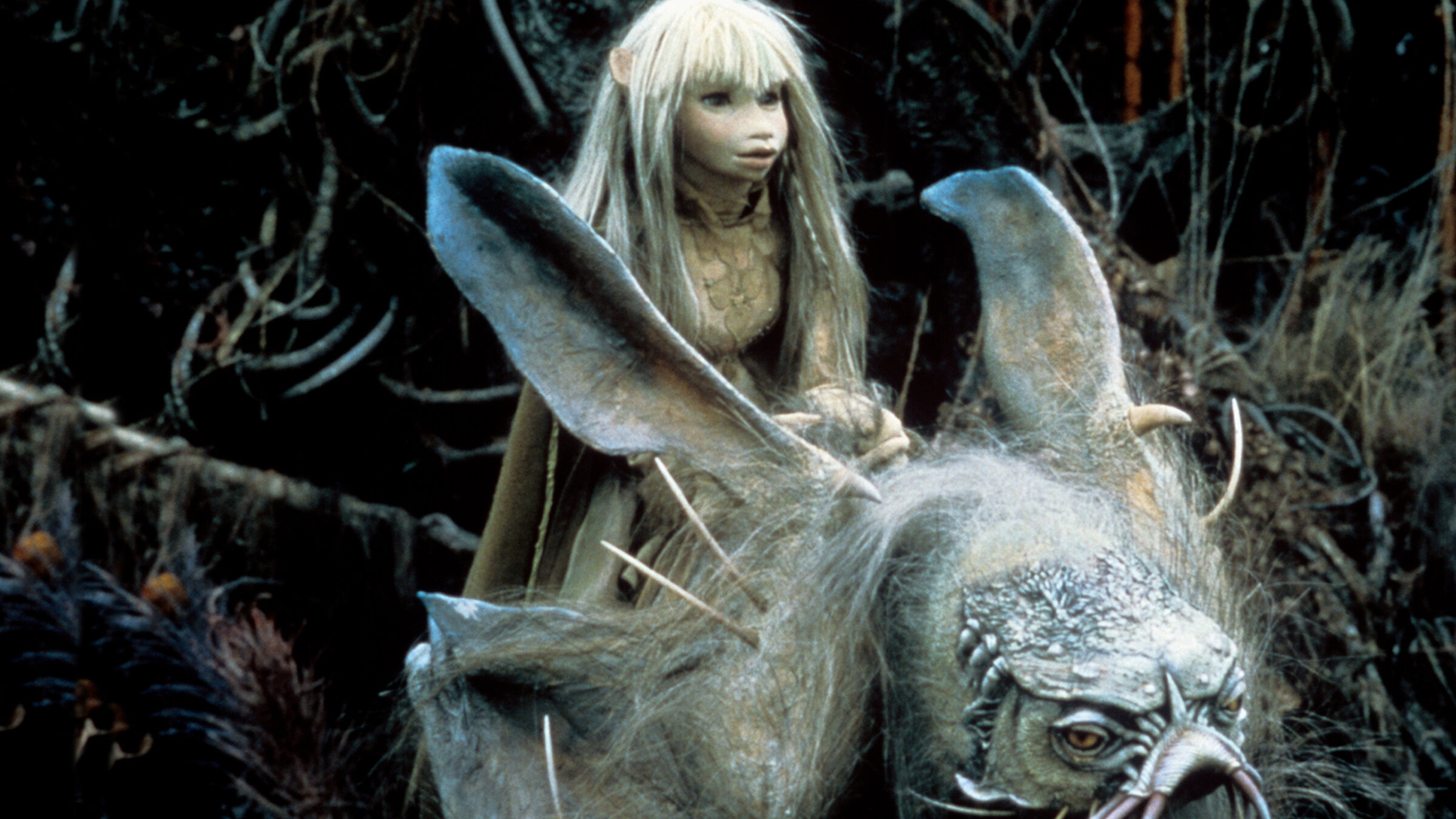
Jim Henson and Frank Oz’s The Dark Crystal stands out as a truly original fantasy film because it built a complete world without any humans. The story centers on Jen, a Gelfling who must repair a broken crystal to stop the evil Skeksis from ruling forever. What makes this film different is that it used incredibly advanced puppets and animatronics to create all the creatures and life, instead of relying on actors in costumes. This meant the designers had to invent every detail of the alien world from the ground up, creating a believable and completely otherworldly environment. By focusing on realistic movement and weight for the puppets, the filmmakers showed that a fully realized fantasy world could be built using practical effects alone, setting a new standard for immersive fantasy filmmaking.
9) Excalibur

John Boorman’s Excalibur redefined fantasy films of the early 1980s by reimagining the King Arthur legend. The film follows Arthur’s reign and the influence of Merlin, but instead of focusing on historical details, it creates a visually stunning and symbolic experience. With striking lighting and uniquely designed armor, Excalibur evokes a dreamlike world where the land and its king are deeply connected. Boorman elevated the familiar Arthurian tales into a grand, almost spiritual story about the end of magic and the dawn of reality. The film’s majestic score, drawn from the works of Richard Wagner, also became a benchmark for many fantasy films that followed.
8) Jason and the Argonauts
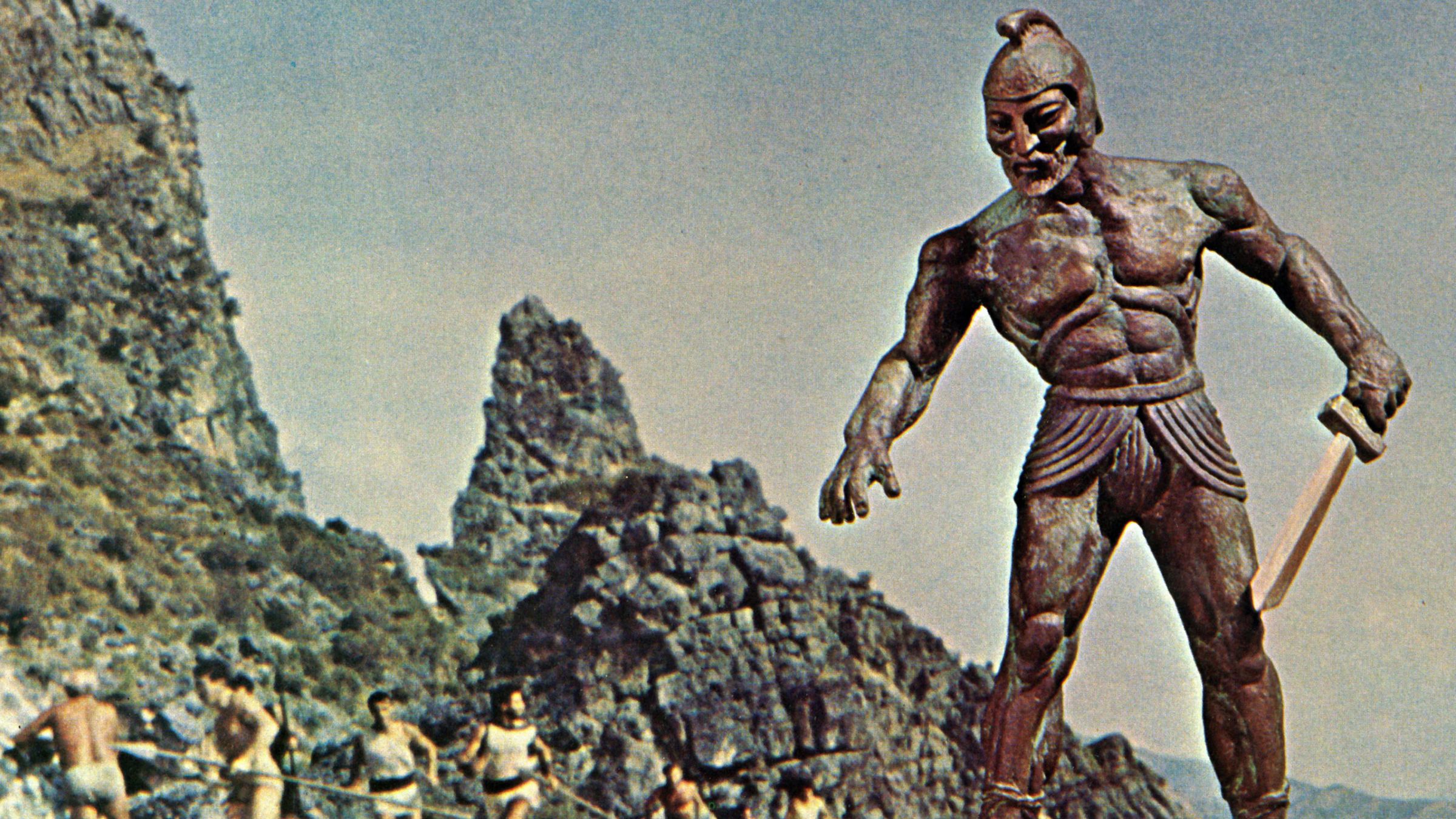
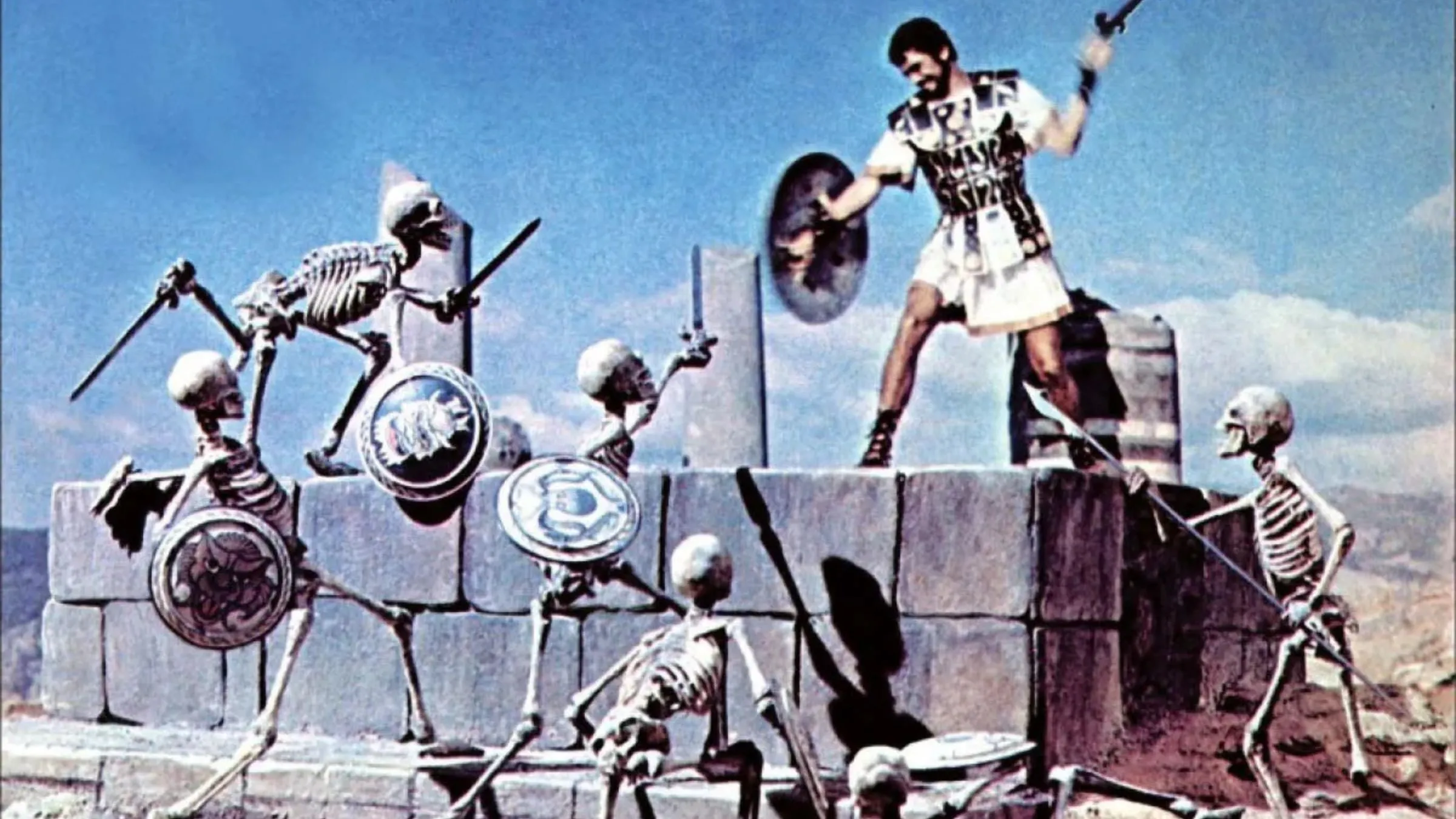
The 1963 film Jason and the Argonauts is a landmark achievement in fantasy movies, largely thanks to the groundbreaking stop-motion animation by Ray Harryhausen. The story centers on Jason’s (Todd Armstrong) dangerous quest to find the Golden Fleece, where he faces famous mythological monsters like the bronze giant Talos and a terrifying army of skeletons. Instead of relying on older, obvious special effects, Harryhausen’s innovative “Dynamation” technique flawlessly combined miniature models with real actors, making the creatures feel incredibly realistic and threatening. The famous battle with the skeletons is still analyzed by filmmakers today as a masterclass in technical skill and has inspired countless fantasy films since.
7) Beauty and the Beast

Jean Cocteau’s 1946 film, Beauty and the Beast, brought a uniquely poetic and dreamlike quality to fantasy movies, a standard that’s rarely been equaled. The film tells the story of Belle (Josette Day), who bravely offers herself as a prisoner in place of her father, held captive by the Beast (Jean Marais) in a castle that feels strangely alive. Cocteau used clever practical effects – like turning human arms into candelabras and animating statues to follow the characters – to create a truly magical atmosphere. He didn’t bother with explaining how the magic worked, instead focusing on the emotional power and symbolism of the fairy tale. The film’s beautiful visuals set a new artistic benchmark for the fantasy genre, demonstrating that the most compelling magic feels personal and meaningful.
6) Spirited Away

Hayao Miyazaki’s Spirited Away is a beautifully animated fantasy film that became a worldwide success. The story follows Chihiro, a young girl who finds herself trapped in a bathhouse for spirits after her parents are turned into pigs. Through this imaginative setting, the film explores rich Japanese folklore and Shinto beliefs, creating a world that is both magical and surprisingly ordinary in its bureaucracy. Spirited Away demonstrated that traditional hand-drawn animation could achieve the same epic scale and emotional impact as live-action films, and it ultimately won an Academy Award. Beyond its stunning visuals, the film also tackles important themes like environmentalism and the importance of preserving culture, connecting with viewers of all ages.
5) Pan’s Labyrinth

Guillermo del Toro’s Pan’s Labyrinth tells a haunting story set against the backdrop of the Spanish Civil War. The film weaves together the grim realities faced by a young girl, Ofelia, with a fantastical world she discovers through a mysterious creature called the Fauno. He sets her on a perilous quest to prove she is a rightful princess of the underworld. The movie is famous for its incredible creature effects, particularly the terrifying Pale Man, brought to life with practical makeup and prosthetics. Instead of simply offering an escape, Pan’s Labyrinth uses magic to represent the struggle against oppression, suggesting that imagination is vital for enduring hardship. By skillfully combining historical drama and fantasy, del Toro proved that the genre could tackle complex, mature themes with both intelligence and emotional resonance, seamlessly blending the supernatural with a believable human story.
4) The Thief of Bagdad

Both the 1924 and 1940 versions of The Thief of Bagdad heavily influenced how we visually imagine stories inspired by Arabian Nights. The original film with Douglas Fairbanks was groundbreaking for its time, using huge sets and special effects like wirework to bring to life magical elements such as flying carpets and underwater worlds. The 1940 remake, starring Sabu, took things further with vibrant color and advanced visual effects, creating iconic images like a giant genie and mechanical flying horses. These films helped move fantasy adventures away from simple stage productions and toward the sweeping, imaginative worlds we see today in franchises like Indiana Jones and Star Wars.
3) The Wizard of Oz

First released in 1939, The Wizard of Oz is still considered a landmark fantasy film, largely because of its groundbreaking use of color. The film cleverly used Technicolor to show the difference between Kansas and the magical Land of Oz, visually representing the power of imagination. Beyond its technical brilliance, The Wizard of Oz set the standard for many fantasy stories that follow – tales where an ordinary person enters a fantastical world and grows as a person along the way. The film’s detailed sets and impressive character makeup, especially for characters like the Cowardly Lion, helped create a believable and immersive world. Plus, the memorable songs and heartwarming story ensured that its message about finding your way home and discovering yourself resonated with audiences of all ages.
2) A Trip to the Moon
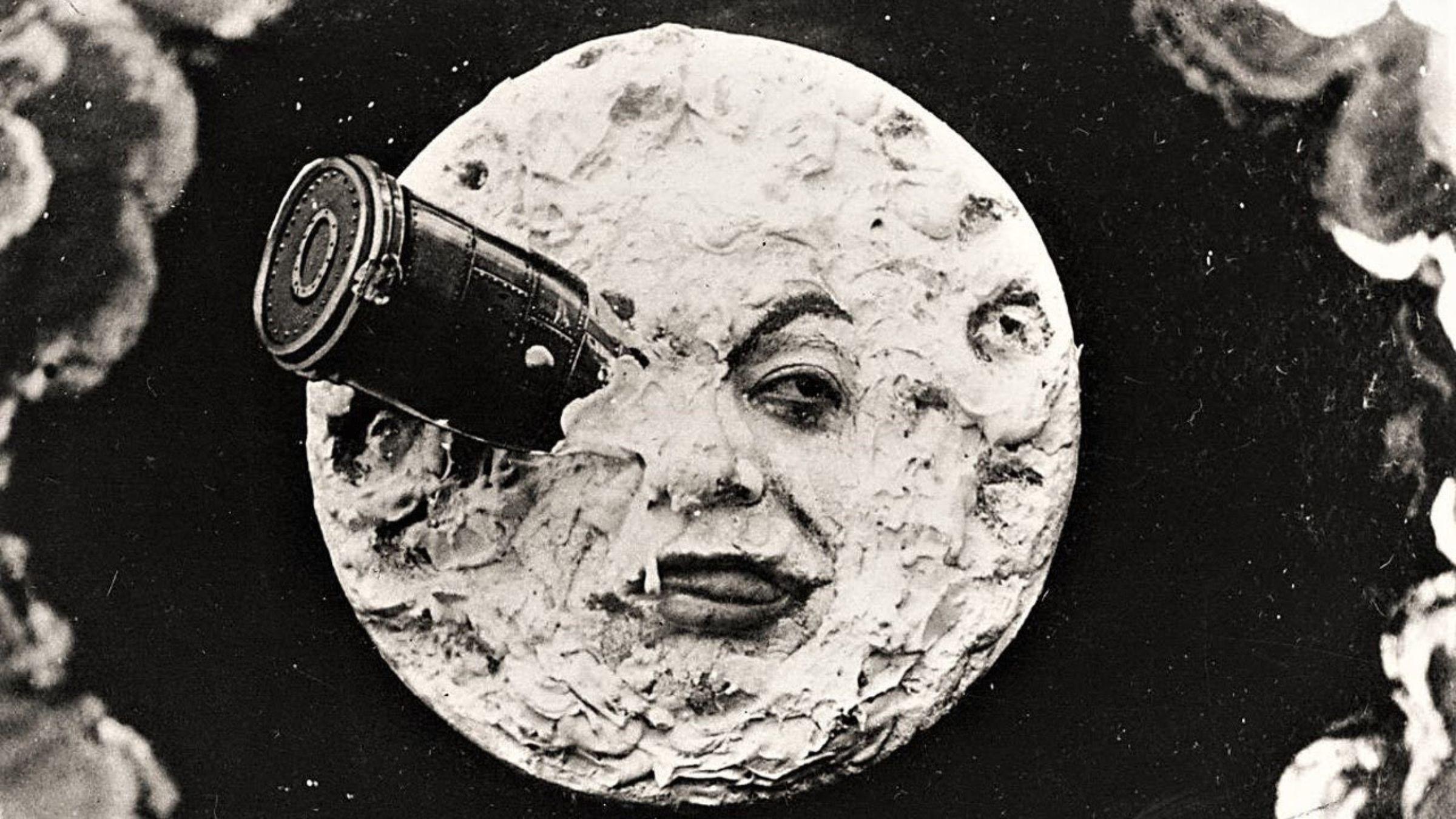
Though short by today’s standards, Georges Méliès’ 1902 film, A Trip to the Moon, is the very first building block of all fantasy and science fiction movies. The film follows Professor Barbenfouillis and his team as they are launched to the Moon by a giant cannon. Méliès, who was a magician, used his illusion skills to create new filmmaking techniques like the “stop trick” and multiple exposures, allowing him to create magical effects – making people vanish or monsters burst apart. He proved that cameras could do more than just capture what’s real. The famous image of a rocket stuck in the Moon’s eye is still one of the most well-known scenes in movie history, representing the beginning of the special effects industry. Without Méliès’ groundbreaking work, we wouldn’t have the tools to bring fantastical stories to life on screen.
1) The Lord of the Rings: The Fellowship of the Ring
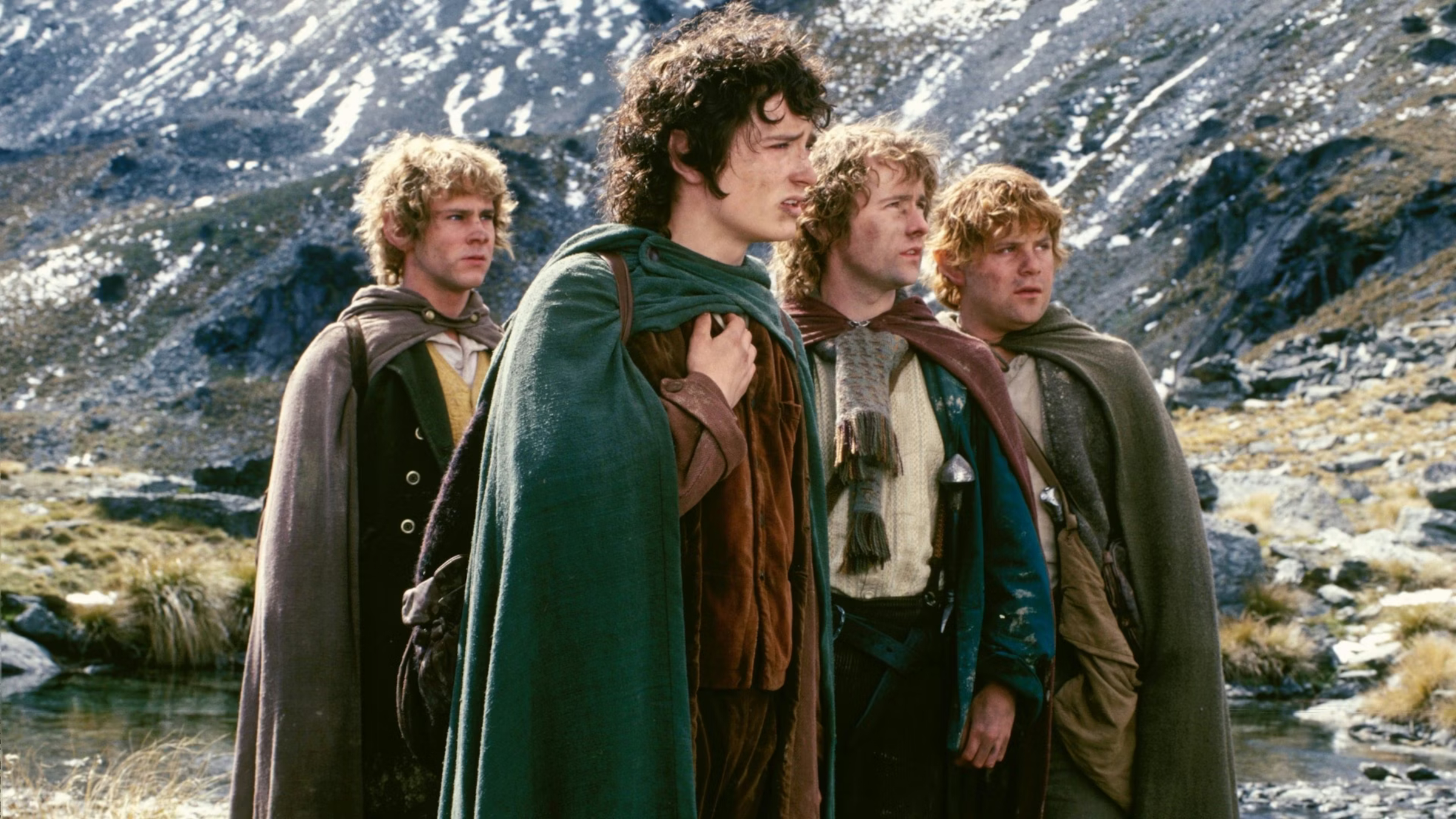
Peter Jackson’s The Lord of the Rings: The Fellowship of the Ring dramatically changed the landscape of fantasy films. It treated J.R.R. Tolkien’s rich world with the seriousness of a historical story. The film, which follows Frodo Baggins (Elijah Wood) on his quest to destroy the One Ring, combined impressive real-life sets with groundbreaking digital effects – especially the creation of Gollum (Andy Serkis) using performance capture technology. It demonstrated that high fantasy could appeal to a wide audience without losing the complex ideas and language from the original books. By filming all three The Lord of the Rings movies at the same time in New Zealand, the filmmakers created a new way to produce ongoing stories, which many franchises have since tried to copy. Ultimately, The Lord of the Rings: The Fellowship of the Ring successfully combined the magic of classic fantasy with the latest technology, setting a new standard for the genre.
What fantasy movie do you think has most shaped how we imagine magical worlds? Share your thoughts in the comments and join the discussion on the ComicBook Forum!
https://comicbook.com/movies/list/7-most-rewatchable-fantasy-movies-of-the-1980s/embed/#
Read More
- The Super Mario Galaxy Movie: 50 Easter Eggs, References & Major Cameos Explained
- Surprise Isekai Anime Confirms Season 2 With New Crunchyroll Streaming Release
- 10 Best Free Games on Steam in 2026, Ranked
- Preview: Sword Art Online Returns to PS5 as a Darker Open World Action RPG This Summer
- Skate 4 – Manny Go Round Goals Guide | All of the Above Sequence
- Forza Horizon 6 ‘Prologue’ gameplay
- Joel Kinnaman Claims ‘Peacemaker’ Was His Last Time as Rick Flag Jr. in the DCU
- What happened to Soldier Boy in The Boys?
- WTH?! Twitter Drops Fake Daredevil: Born Again Season 2 Spoilers as Character Return Confirmed
- Highly Anticipated Strategy RPG Finally Sets Release Date (And It’s Soon)
2026-02-28 00:13