
Looking back at animation, the 80s often felt like a non-stop commercial for toys – stories were secondary to selling action figures. But the 90s? That was a total game changer. Suddenly, creators were allowed to really create, focusing on deeper themes and beautiful visuals instead of just what would fly off the shelves. While The Simpsons actually started at the very end of the 80s, it really hit its stride in the 90s, becoming the sharp, satirical powerhouse we still know and love today. And it wasn’t just The Simpsons; Batman: The Animated Series completely reinvented superhero cartoons with a more grown-up feel. X-Men brought a soap opera-like storyline to Saturday mornings, and Animaniacs was just brilliantly self-aware, constantly winking at the animation industry itself with its crazy, energetic humor. It was a truly innovative decade for cartoons.
The 1990s weren’t just about the biggest cartoon hits; a lot of shows pushed the limits of what animation could be. Channels like MTV, Nickelodeon, and Disney started trying out new, experimental styles and telling ongoing stories that were surprisingly modern for the time. These programs have stayed popular because they treated viewers with respect and weren’t afraid to be creative, allowing them to remain relevant long after they originally aired.
7) The Pirates of Dark Water

The Pirates of Dark Water was a remarkably beautiful and ambitious fantasy series for Saturday morning TV. It followed Ren, a young prince (voiced by George Newbern), as he gathered a diverse crew to find thirteen magical treasures and save the world of Mer from a dangerous, dark liquid called the “Dark Water.” The show was expensive to make for its time – each episode reportedly cost around $500,000 – and that investment paid off with a richly detailed world full of fascinating creatures and scary sea monsters that still impress viewers today. Sadly, the series was cancelled before the story could finish, but it’s still remembered as a groundbreaking example of complex, ongoing storytelling.
6) Recess
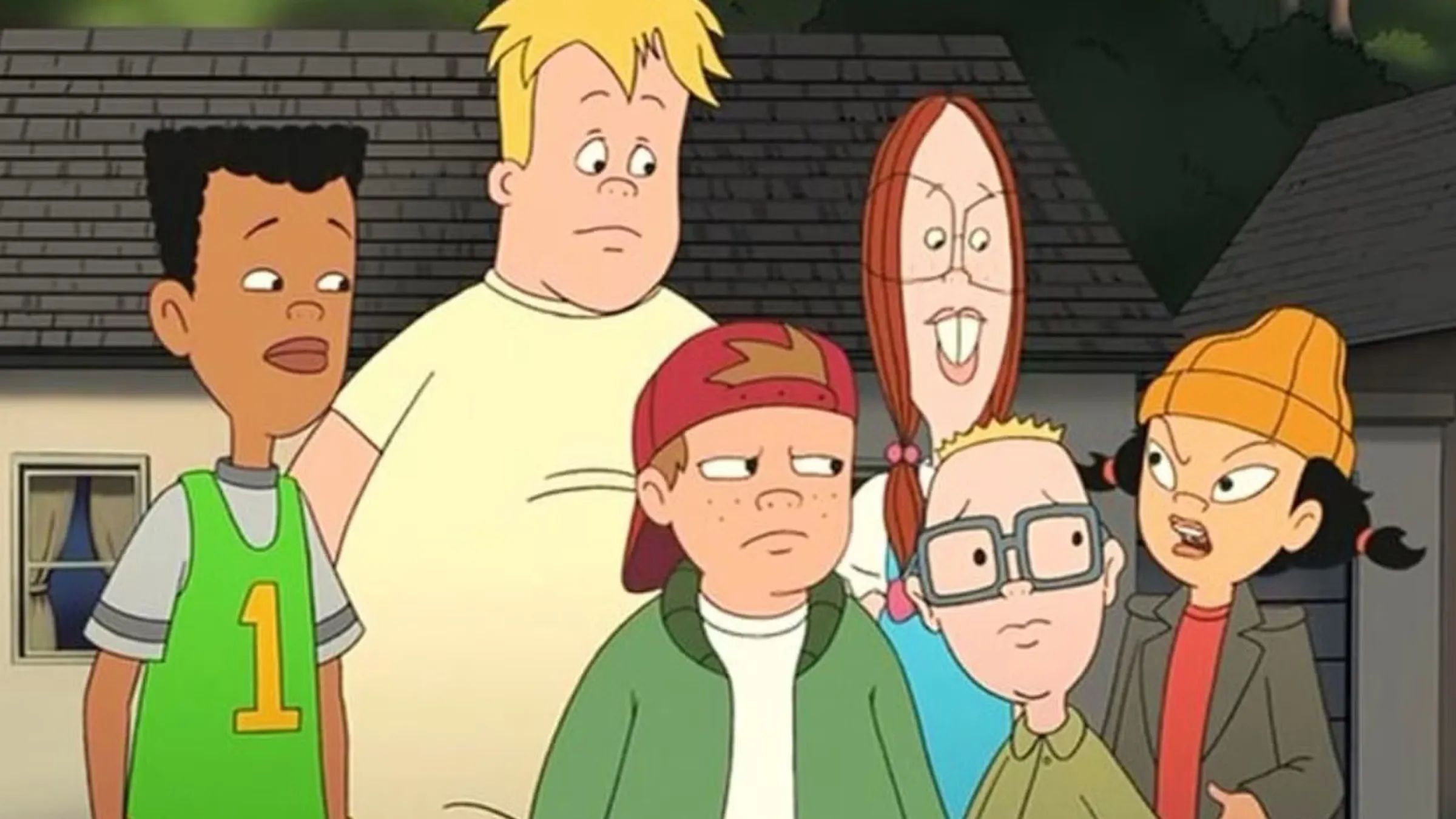
Though often seen as a typical kids’ comedy, Recess is actually a clever look at how societies work, using a school playground as its setting. The show follows six friends, led by T.J. Detweiler, as they deal with the strict rules and social groups of their schoolyard. This allows Recess to explore big ideas like rights, power, and how communities stay together, all through the everyday experiences of elementary school kids. Unlike many other cartoons from that time, Recess takes children’s problems seriously, showing that the ways people organize themselves are universal. Because of its smart writing and thoughtful themes, the show continues to be an interesting look at human behavior for viewers of all ages.
5) Hey Arnold!
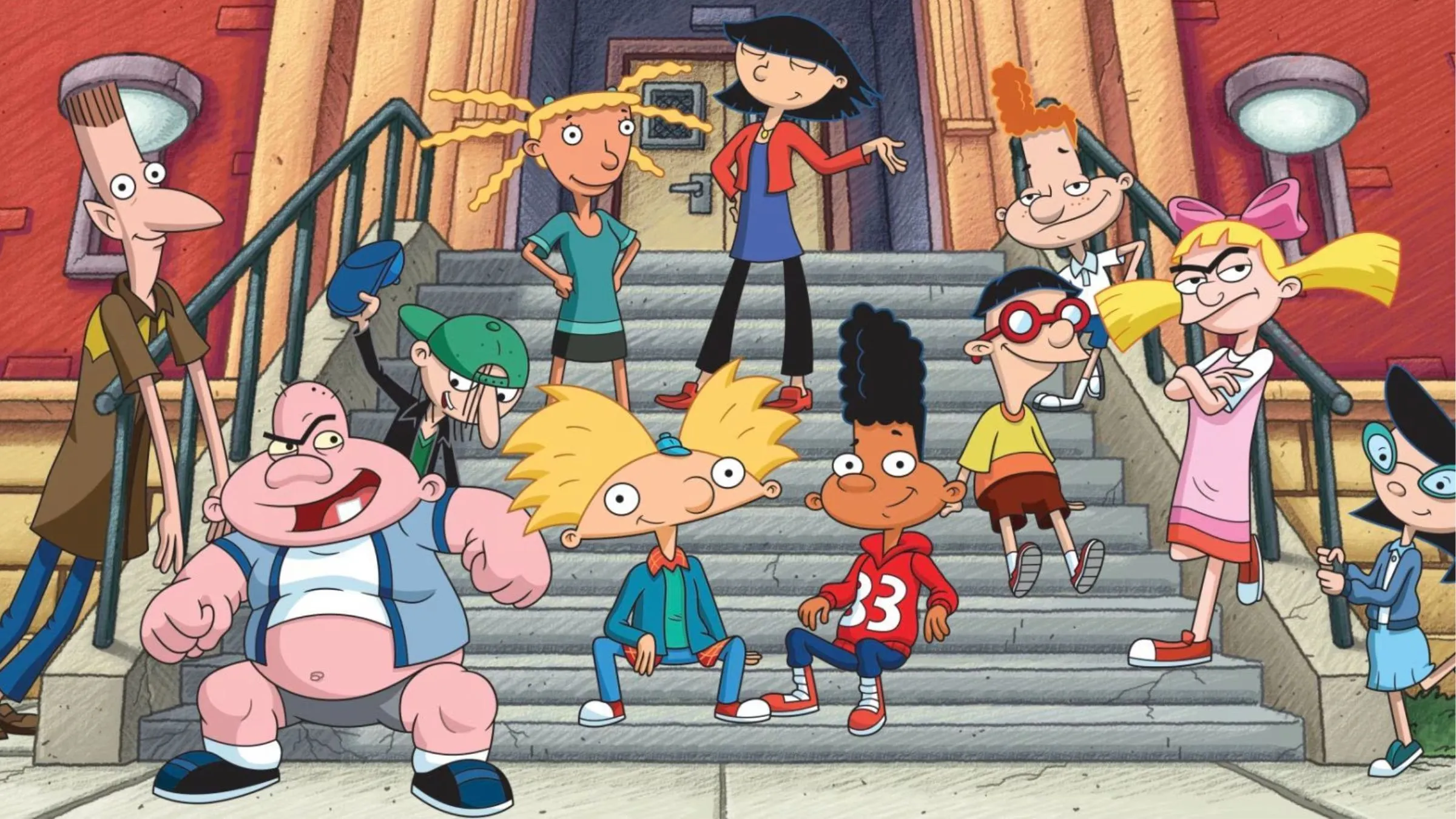
Unlike many fast-paced cartoons of the 1990s, Hey Arnold! stood out with its realistic style, jazzy music, and focus on feelings and city life. The show centers on Arnold Shortman, a sweet fourth-grader who lives with his quirky grandparents in the made-up city of Hillwood. A big reason the show remains popular is its willingness to explore tough topics like poverty, loneliness, and the pain of not having parents around. This is especially clear in the character of Helga Pataki, who acts tough but is actually very insecure and secretly in love with Arnold. Hey Arnold! also made the city itself feel like a living, breathing place, adding a sense of both sadness and honesty rarely seen in shows for children.
4) Rocko’s Modern Life
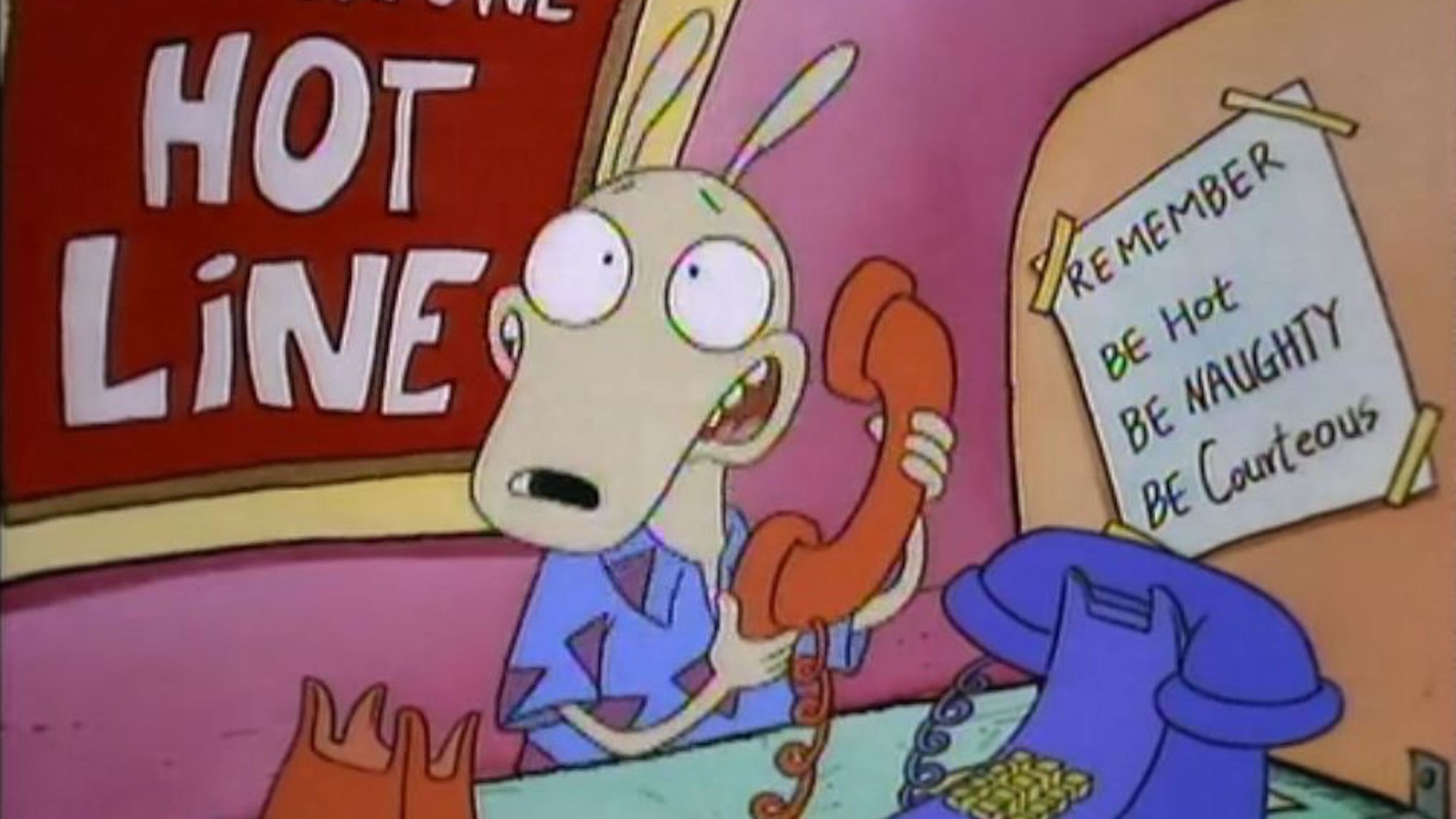
Rocko’s Modern Life was a truly unique cartoon that used strange and dreamlike visuals to cleverly poke fun at the stresses and silliness of being an adult. The show centers on Rocko, an Australian wallaby, and his attempts to cope with a dead-end job and a wacky neighborhood full of odd characters. This setup allowed the creators to offer sharp, yet funny, commentary on issues like unfair work practices, annoying technology, and the general unhappiness many people feel. By combining over-the-top slapstick with a real understanding of everyday struggles, Rocko’s Modern Life is a standout example of animation that truly connects with the human experience.
3) The Maxx
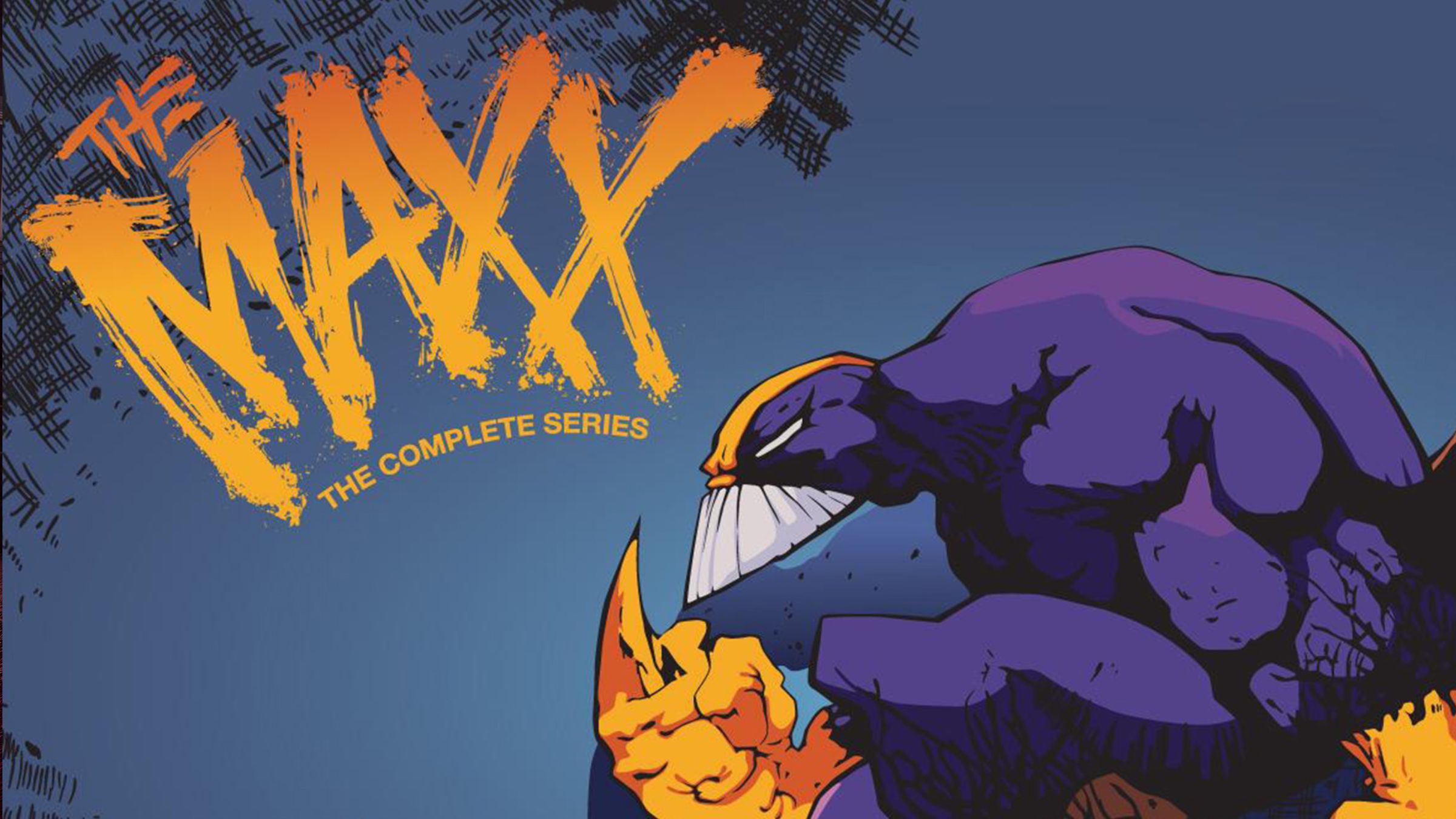
Originally shown on MTV’s Oddities block, The Maxx is a compelling and unsettling look at trauma, how people cope with difficult experiences, and the way we each see the world. The story centers on Dave, a homeless man (voiced by Michael Haley) who believes he’s also a superhero named The Maxx, existing in a strange parallel world called the Outback. His connection to reality is Julie Winters (voiced by Glynnis Talken), a social worker whose own troubled past is deeply connected to the Outback. The show uses a unique blend of animation styles – traditional, computer-generated, and live-action – to vividly portray the characters’ mental and emotional struggles. This innovative approach allowed the series to tackle serious issues like sexual violence and domestic abuse with a thoughtfulness rarely seen in animated shows at the time.
2) Æon Flux

At the forefront of innovative 1990s animation, Æon Flux pushed the limits of what animation could be with its dark worldview and unique visual style. The show depicts a bleak future where secret agent Æon Flux (voiced by Denise Poirier) is locked in a constant battle – both physical and philosophical – with the powerful technocrat Trevor Goodchild (voiced by John Rafter Lee). Created by Peter Chung, the series started as short, silent films focused on movement and symbolism rather than detailed storytelling. Even when it became a half-hour show, the plot remained intentionally confusing, often killing off the main character to start the cycle of conflict over again. This unwillingness to provide simple answers or clear morals made Æon Flux a key work in the cyberpunk genre and inspired many artists who followed.
1) Gargoyles

Disney’s Gargoyles was a groundbreaking animated series that combined the dramatic storytelling of Shakespeare with a modern, fantasy setting. Unlike most cartoons of the 1990s, it told one continuous, complex story. The show centers on Goliath (voiced by Keith David) and his clan of ancient warriors who awaken after a thousand years of slumber in present-day Manhattan. Gargoyles explored mature themes like betrayal, forgiveness, and the risks of unchecked technological advancement, all while developing richly detailed characters – even the villains, such as David Xanatos (Jonathan Frakes) and Demona (Marina Sirtis). Its sophisticated storytelling has earned it a dedicated fanbase and led to a live-action remake currently being developed for Disney+ by James Wan and Gary Dauberman.
What 1990s cartoon holds up the best today? Share your thoughts in the comments and join the discussion on the ComicBook Forum!
Read More
- Gold Rate Forecast
- 22 actors who were almost James Bond – and why they missed out on playing 007
- Every Creepy Clown in American Horror Story Ranked
- Hazbin Hotel Secretly Suggests Vox Helped Create One of the Most Infamous Cults in History
- As Dougal and friends turn 60, Radio Times explores the magic behind The Magic Roundabout
- Arknights: Endfield – Everything You Need to Know Before You Jump In
- Jack Osbourne Shares Heartbreaking Tribute to Late Dad Ozzy Osbourne
- Best X-Men Movies (September 2025)
- Kingdom Come: Deliverance 2 – Legacy of the Forge DLC Review – Cozy Crafting
- Blue Protocol Star Resonance: Goblin Lair Dungeon Guide
2026-03-03 20:11