Today’s fantasy world is largely dominated by a few huge franchises. When people talk about the genre, films like Harry Potter and The Lord of the Rings immediately spring to mind. These franchises were important in attracting a generation of viewers and demonstrating to studios that big-budget fantasy films could be profitable.
Before fantasy films became huge blockbusters, filmmakers spent years experimenting with the genre, trying out new ideas and pushing creative limits. Some of these early attempts weren’t successful at first, either flopping in theaters or receiving negative reviews. Looking back, though, many of these films were groundbreaking, laying the foundation for the popular fantasy franchises we know today.
Excalibur Provided the Framework for Modern Dark Fantasy
John Boorman’s film Excalibur offered a stark and dramatic take on the King Arthur story, setting it apart from earlier, more cheerful versions like the 1967 film Camelot and the 1953 film Knights of the Round Table. Boorman’s film, with its striking visuals and intense violence, was a key influence in shaping the darker, more realistic style of fantasy films we see today. Though not the very first, Excalibur helped popularize this grittier approach to the Arthurian legend.
Medieval stories used to feel quaint and simple, with clearly defined heroes and villains. But the film Excalibur changed that, moving away from the overly dramatic style common at the time. Before that, tales of King Arthur and his knights were mostly lighthearted adventures. Excalibur brought a grittier realism, showing violence and treachery.
The film featured a remarkable cast, including both established stars and exciting new talent. Legends like Helen Mirren and Nicol Williamson anchored the story, while rising stars such as Patrick Stewart and a young actor playing Gawain were just beginning their careers. This blend of seasoned performers and fresh faces gives the movie a lasting quality.
The Dark Crystal Was a Major Risk for Jim Henson Studios
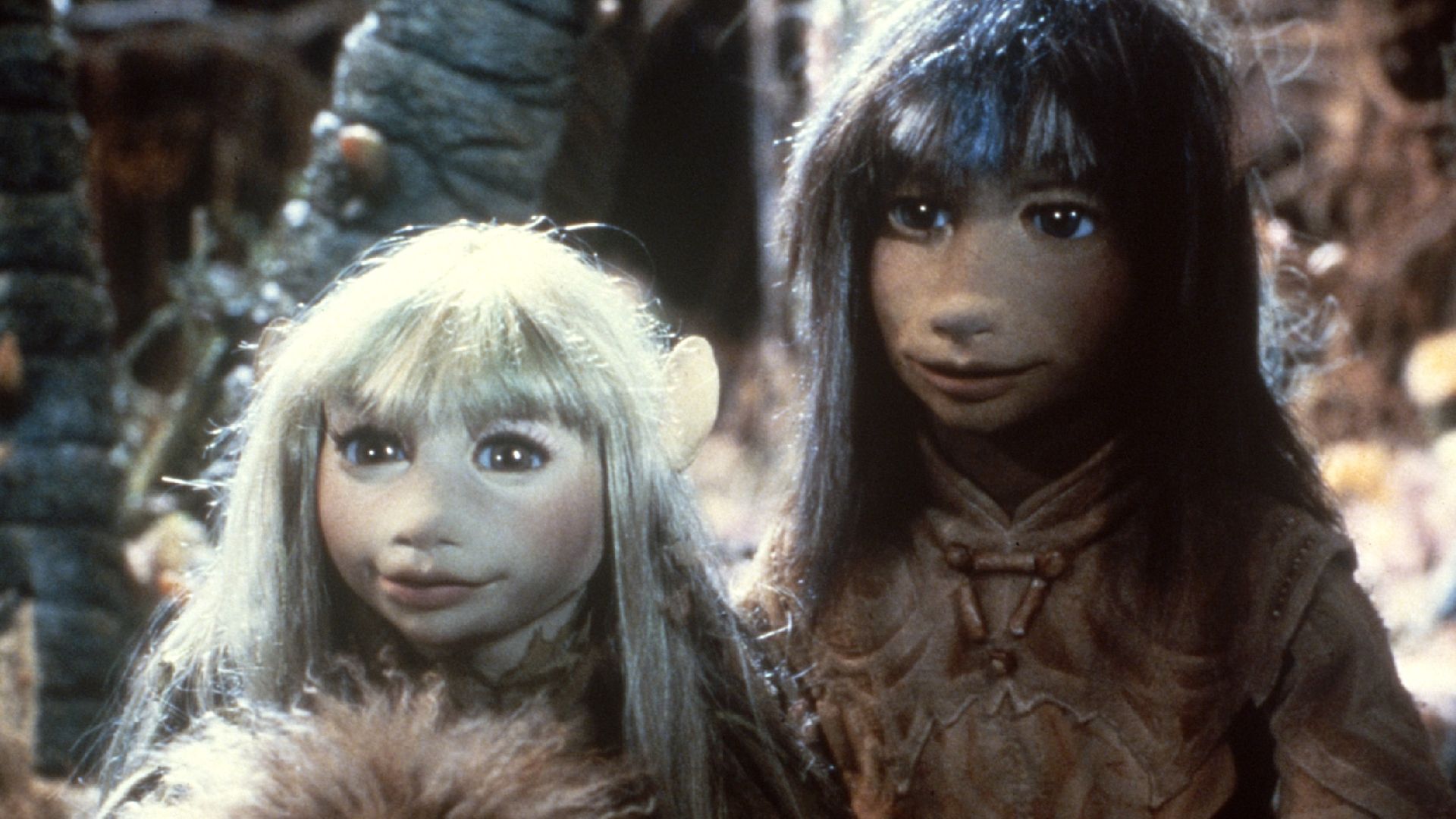
Looking back, Jim Henson’s The Dark Crystal was a hugely important film for the fantasy genre. However, it wasn’t an instant success and was a big financial risk for the studio at the time. Henson was best known for The Muppets, so making a film as different in tone and scale as The Dark Crystal was a creative and financial gamble. While it didn’t do particularly well in theaters initially, it became popular after it was released for home viewing.
Jim Henson built a complete and unique world, Thra, entirely without showing any humans on screen. It felt like a real place with its own history and living creatures. The Dark Crystal was innovative for its use of practical effects, animatronics, and puppetry. While not immediately recognized, the designs established a new level of detail in creating fantasy worlds. Thra felt genuinely alive and different from other imagined environments.
Looking back, The Dark Crystal boasts some of the most impressive creature effects ever filmed. The filmmakers intentionally built a completely immersive world, and it’s inspired many others since. Unlike Jim Henson’s earlier, lighter work, this film tackled darker themes, proving that puppets could powerfully explore complex subjects.
Ridley Scott’s Legend Features One of Fantasy’s Iconic Villains
Despite a difficult production filled with challenges, the film has become popular again in recent years. The making of the movie was plagued by problems, including a devastating fire that ruined a large part of the set. Tom Cruise briefly had to stop filming after his father passed away, and Tim Curry found the extensive makeup needed for his character particularly challenging.
The movie Legend, like many films that later became beloved classics, gained a strong following after its initial release through home video and television. It’s particularly known for its incredible practical effects, created before the widespread use of CGI. While some critics found the film’s slow pace to be a weakness, fans appreciated it for creating a unique, dreamlike atmosphere.
Despite the challenges with his makeup, Tim Curry delivered a fantastic performance, becoming one of the most iconic fantasy villains of his time. His character, Darkness, was incredibly imposing and memorable, and has since become the standard image of a demonic villain. Thanks to its impressive practical effects and magical atmosphere, the film Legend is now considered a classic.
Willow Was a Franchise-Ready Fantasy Epic
You know, despite what some critics thought back then, George Lucas and Ron Howard really tried to build something new – a fantasy world designed for sequels and spin-offs, but not based on any pre-existing novels. After Star Wars blew up, Lucas wanted to recreate that same winning formula – that structure that appealed to so many people – but this time, in a fantasy setting. He was aiming for a franchise, and wanted to see if that same magic would work with swords and sorcery instead of spaceships.
The story in Willow feels instantly recognizable to many viewers. It’s similar to the kind of adventures found in role-playing games like Dungeons & Dragons, especially because it follows a group of characters rather than just one hero. This approach makes the world feel more expansive and realistic.
Although it took years for the world of Willow to expand beyond the original movie, the creators deliberately designed it with future stories in mind. The world-building was detailed and thoughtful, much like Tolkien did with The Lord of the Rings, and was conceived as a complete universe from the start. While Willow didn’t become the massive franchise it could have been, it helped inspire the multi-part fantasy series we enjoy today.
The NeverEnding Story Encouraged a Generation to Imagine
Wolfgang Petersen’s 1984 film, The NeverEnding Story, based on Michael Ende’s novel, was ahead of its time in using a story-within-a-story format. More than just an adventure, the film explored the power of imagination and the connection between readers and books. The choices made by the main character, Bastian, directly impacted the fantasy world of Fantasia.
This shift placed readers and viewers inside the story, adding a psychological depth to how tales were told. It highlighted that imagination isn’t just about escaping reality, but has a real power. By becoming part of the story, reading or watching a film felt empowering, almost heroic. As seen in The NeverEnding Story, imagination could literally change the world.
The story holds a valuable life lesson: even its villain, The Nothing, feels realistic. It represents a genuine force – born from human despair – that we create ourselves through a loss of imagination and wonder. Using a fantastical world, the story explores universal experiences and offers ways to cope with them.
Dragonheart Gave CGI Characters a Soul
Dennis Quaid starred in Dragonheart, a film that changed how dragons were portrayed in fantasy. Before this movie, dragons were usually shown as either simple monsters or just background figures. Dragonheart made Draco a fully developed character with his own personality, thanks to innovative CGI effects that allowed him to truly interact with the story and become a central figure.
Let me tell you, seeing Quaid interact with Draco, voiced by the legendary Sean Connery, was something special. The filmmakers used some really early, but effective, motion and facial capture technology to bring this to life. What impressed me most wasn’t just the tech itself, but how it allowed both actors to really play off each other. Draco didn’t feel like a CGI creation at all; thanks to Connery’s performance and Quaid’s believable reactions, he truly felt like a fully realized character, and their connection felt genuine. It was a real breakthrough in how they brought fantastical creatures to the screen.
The movie Dragonheart paved the way for other films to feature fantastical creatures as central characters. It showed audiences that they could connect with these computer-generated characters, and is remembered for having one of the most moving endings in a fantasy film from that time. It also came before the widespread use of motion capture technology, which is now common in both movies and video games.
Stardust is a Perfect Fantasy Genre Mashup
Matthew Vaughn’s 2007 film, Stardust, came out during a time when fantasy movies were heavily influenced by The Lord of the Rings. Studios were all trying to create the next big fantasy hit, but Stardust stood out by taking a lighter approach. Unlike most films of that era which aimed for epic seriousness, Stardust didn’t take itself too seriously.
Stardust is a clever movie that playfully twists common fantasy story elements and surprises the audience. It boasts a fantastic cast, including both rising stars and well-known actors like Ian McKellen (who narrates), Charlie Cox, Robert De Niro, Henry Cavill, and Michelle Pfeiffer. The film intentionally casts these actors as the classic fantasy character types you’d expect.
Stardust skillfully blends comedy, love, and a touch of the macabre. Released during a time when many fantasy stories simply copied The Lord of the Rings, it showed that the genre could be much more diverse and imaginative. It paved the way for more unique and inventive fantasy stories to be told.
The Golden Compass Proved Young Adult Fantasy Could Be Complex
Like Stardust, The Golden Compass arrived after the huge success of The Lord of the Rings and Harry Potter films. In the mid-2000s, movie studios were eager to find new large-scale fantasy stories to adapt for the screen, following Peter Jackson’s demonstration of their creative and financial potential. The Golden Compass aimed to capitalize on the popularity of those two major franchises.
Similar to Harry Potter, the story centered on young characters learning about the dangers in the world. However, it took inspiration from The Lord of the Rings in its grand scope and serious tone, creating a vast world brimming with diverse cultures and beliefs.
The film was visually impressive and even won an Academy Award for its visual effects. The Golden Compass raised the standard for how digital creatures were created, particularly its armored bears. Although a planned sequel never happened, the film proved that stories for young adults could tackle complicated and meaningful topics.
Found an error? Send it so it can be corrected.
Read More
- Looks Like SEGA Is Reheating PS5, PS4 Fan Favourite Sonic Frontiers in Definitive Edition
- Gold Rate Forecast
- Dune 3 Gets the Huge Update Fans Have Been Waiting For
- Pluribus Star Rhea Seehorn Weighs In On That First Kiss
- Jack Osbourne Shares Heartbreaking Tribute to Late Dad Ozzy Osbourne
- 22 actors who were almost James Bond – and why they missed out on playing 007
- Arknights: Endfield – Everything You Need to Know Before You Jump In
- Antiferromagnetic Oscillators: Unlocking Stable Spin Dynamics
- Action Comics #1096 is Fun Jumping-On Point for Superman Fans (Review)
- Every Upcoming Transformers Movie: Release Dates, Details, & Everything We Know
2026-03-06 06:11