Netflix recently announced a plan to buy Warner Bros. Discovery for a massive $82.7 billion, a move that’s already causing debate. This follows a similar trend, like when Amazon bought MGM in 2022, which is why future James Bond films will likely stream on Prime Video. If the deal goes through, popular Warner Bros. franchises like Harry Potter and all DC movies and TV shows would become part of Netflix. While the merger isn’t finalized and things could still change, it raises questions about what this means for the future of entertainment.
I’m currently pondering five key questions. Some focus on details, while others consider the broader impact on the industry as a whole. Ultimately, only time will provide definitive answers.
5) The Impact on the Physical Media Industry
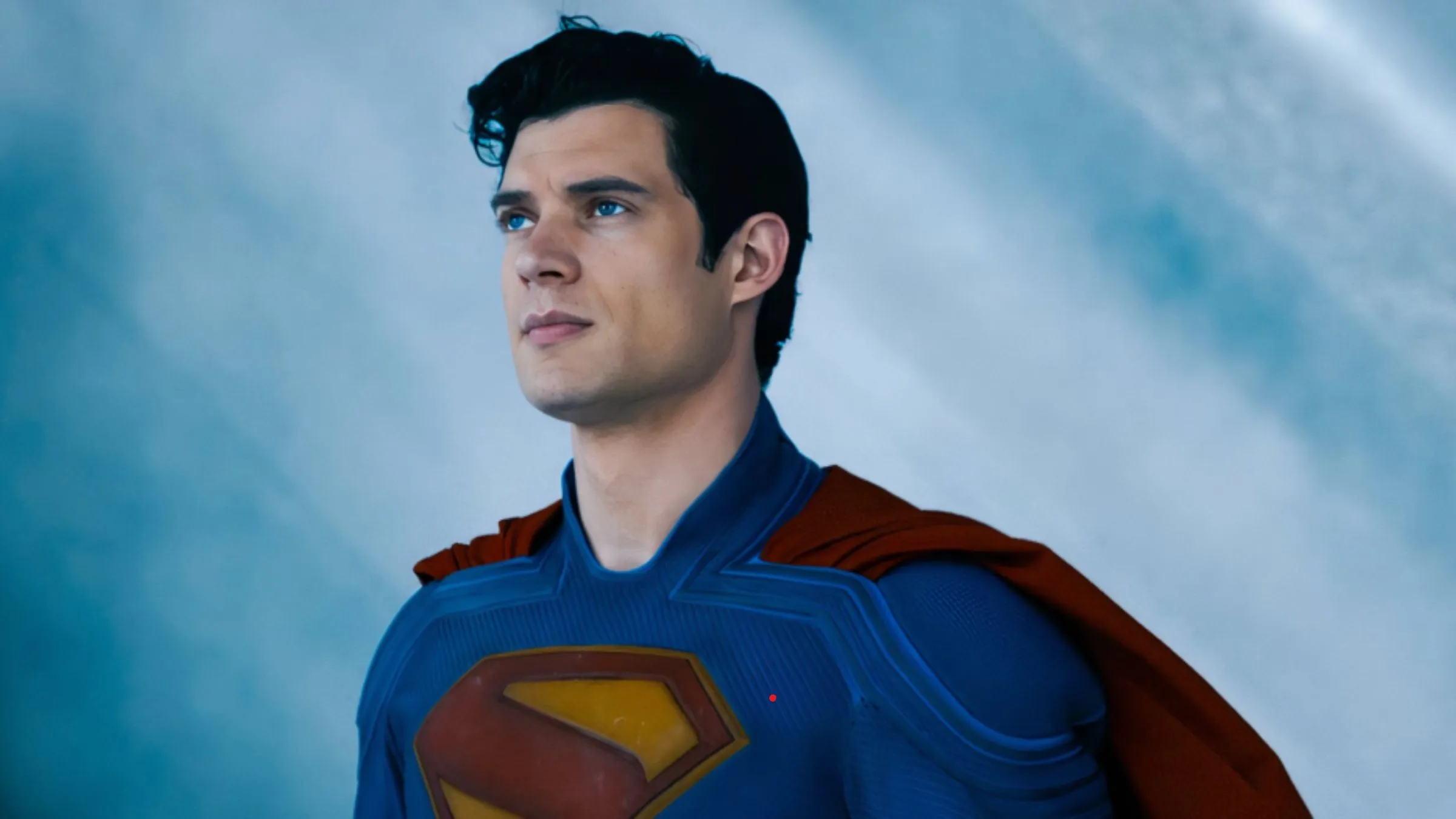
Remember Blockbuster and Redbox? They’re both gone now. And if you visit a Target, at least where I live, you won’t find any Blu-rays or DVDs for sale anymore. They still sell music albums and books, but physical movies seem to be a thing of the past.
Physical media like Blu-rays has been declining in popularity for a while now. If Netflix were to acquire Warner Bros., it’s unlikely they’d continue releasing movies and shows, such as those from the DC Universe, on physical discs. It would be more profitable for them to keep everything exclusive to streaming. This means that if you want to watch a movie like Man of Tomorrow, you’d have to pay for a monthly Netflix subscription. And if you wanted to re-watch it a couple of months later, you’d need to pay for another month. Considering Netflix prices are already around $36 a year in 2025 – often more than the cost of a 4K Blu-ray – and likely to increase, it’s easy to see why they might stop supporting physical media altogether. This is disappointing for those of us who prefer to own our favorite movies, display them on our shelves, and watch them whenever we want.
4) The Impact on the Theater Industry
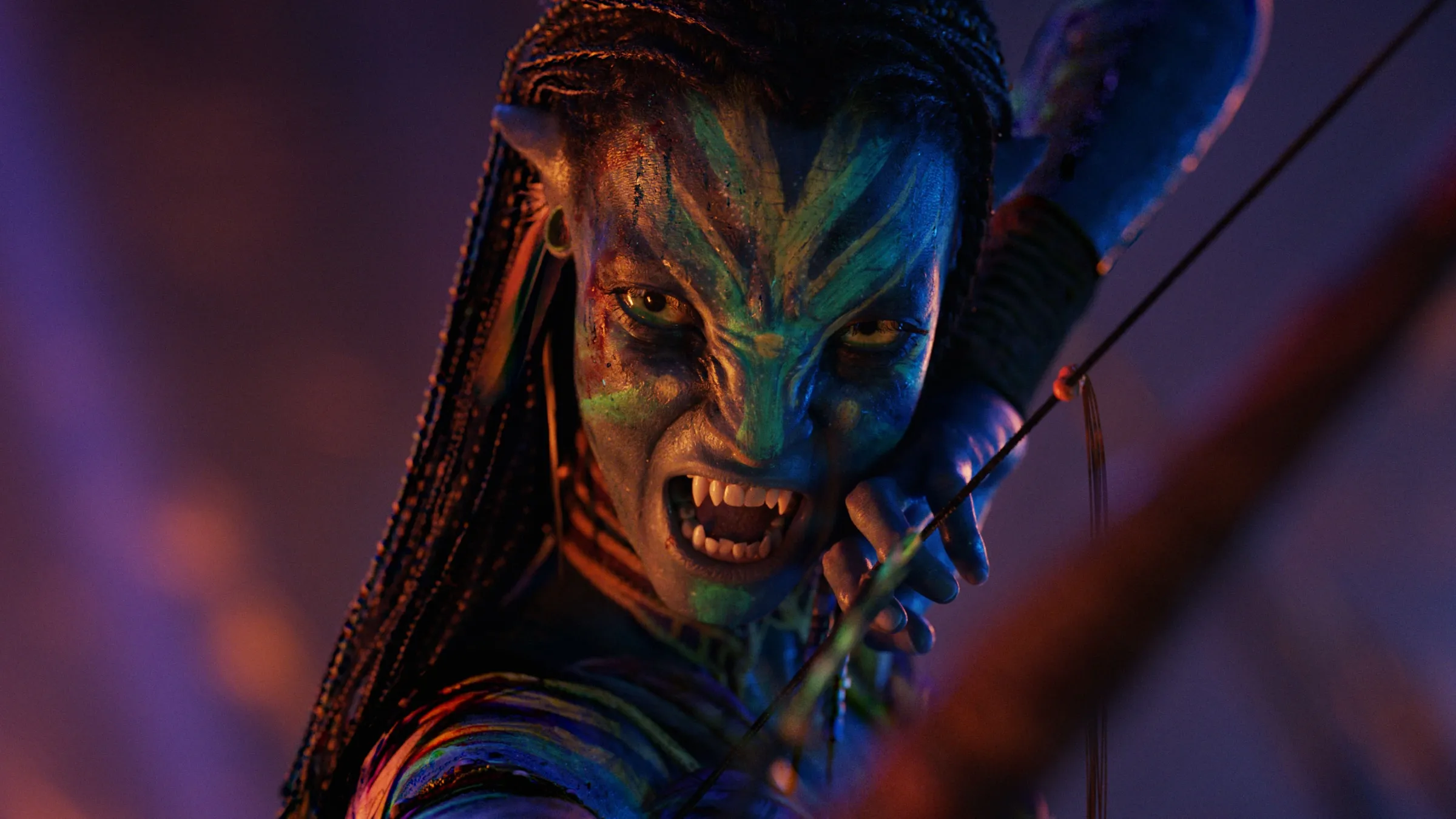
I used to work at a small, two-screen art house movie theater when I was younger, but it was unfortunately demolished to make way for more parking space. Now, with this merger, a big question is what it means for the future of movie theaters in general. Theaters have been struggling for the last decade, and only huge blockbuster films, like Avatar: Fire and Ash, still draw large crowds. If this merger happens, even fewer films will be shown in theaters, and even if Netflix does allow some to be shown, their CEO has indicated those runs will be much shorter than usual.
As reported by Deadline, Netflix’s Ted Sarandos stated that while they might occasionally release films in theaters, they don’t believe in keeping them there for long periods. He argues that extended theatrical releases aren’t ideal for viewers. This means movies could appear in cinemas for just a couple of weeks before becoming available on Netflix. If a film is successful in theaters, Sarandos suggests that theaters will lose access to it quickly, as Netflix won’t continue to supply it.
3) How Expensive Will Netflix Become?
As of December 2025, Netflix subscriptions range from $7.99 per month for the Standard plan with ads, to $17.99 for the Standard plan without ads, and $24.99 for the Premium plan. These prices are quite expensive, particularly when you consider that Netflix’s shows and movies aren’t significantly better than what you can find on services like Paramount+, HBO Max, or Hulu.
If Netflix were to combine its content with HBO Max’s library and start releasing new DC films on its platform soon after they’re in cinemas, a significant price increase would be understandable. With so many streaming services already straining budgets – particularly for those who cover movies and TV professionally – the thought of Netflix potentially doubling its prices is worrying. While a full doubling seems unlikely, it wouldn’t be shocking if prices rose dramatically.
2) What Happens with HBO Max?
If the merger is completed, it’s highly likely that the shows and movies currently on HBO Max will eventually become available on Netflix. This means people who currently pay for the bundle that includes Disney+, Hulu, and HBO Max would lose access to about a third of the content they’re paying for.
The real concern is whether the quality of HBO shows will decline. While Netflix has some good programs, they generally don’t reach the same level as HBO. Plus, even critically acclaimed shows aren’t safe from cancellation, as we saw with the series GLOW. Netflix abruptly ended the show despite it being popular and only a few episodes away from finishing its planned story, demonstrating they’re willing to cancel shows even when they’re well-received.
1) The Future of the DCU

Ted Sarandos has stated that Warner Bros.’ big films, including those from the DC Universe, won’t completely stop being released in theaters. However, the time between a movie’s theatrical release and its availability elsewhere will be reduced, and it’s interesting to consider how James Gunn and Peter Safran feel about this change.
The DC Universe is just getting started, but it’s already looking promising and suggests a bright future, much like the early success of Superman hinted at. It’s likely Netflix will continue to support James Gunn and Peter Safran, so concerns about their involvement shouldn’t hold the DCU back. However, it’s possible Gunn and Safran might be unhappy if their planned movies are unexpectedly released in theaters for a short time. Would that lead them to quit, potentially ending the cinematic universe after only a first phase, like ‘Gods and Monsters’? It will be fascinating to see how all of this unfolds for Superman and the rest of the DC characters.
Read More
- Gold Rate Forecast
- Best X-Men Movies (September 2025)
- Chill with You: Lo-Fi Story launches November 17
- Every Creepy Clown in American Horror Story Ranked
- Hazbin Hotel Secretly Suggests Vox Helped Create One of the Most Infamous Cults in History
- Arknights: Endfield – Everything You Need to Know Before You Jump In
- 10 Best Buffy the Vampire Slayer Characters Ranked
- As Dougal and friends turn 60, Radio Times explores the magic behind The Magic Roundabout
- PlayStation Plus Game Catalog and Classics Catalog lineup for July 2025 announced
- All 6 Takopi’s Original Sin Episodes, Ranked
2025-12-07 17:41