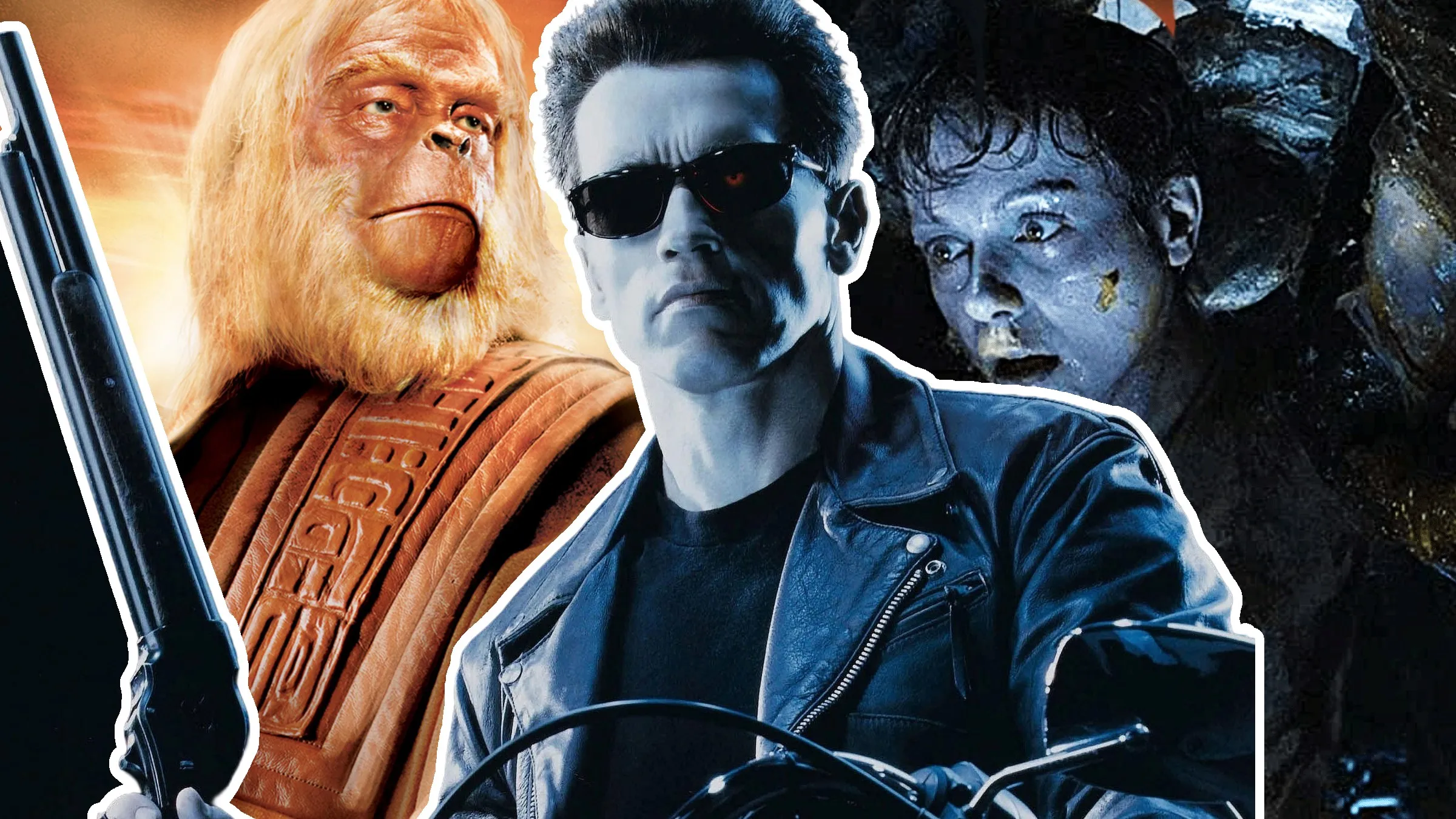
Film fans often start conversations by asking which movie sequel surpassed the original, or simply which sequel is actually good. These questions are popular not just because they spark debate, but because truly great sequels are rare. Even today, with Hollywood relying heavily on franchises and sequels, most follow-up films aren’t highly praised. Historically, sequels were often seen as quick ways to profit from a successful movie.
Many excellent science fiction films stand alone, like Ex Machina and District 9. And while some of the most iconic movies have sequels – 2010: The Year We Make Contact continued the story of Kubrick’s 2001: A Space Odyssey – what sets these sequels apart is their lasting impact on the sci-fi genre, their own series, and filmmaking in general. Interestingly, though, most of these influential sequels wouldn’t even be considered in typical discussions about great films.
10) Aliens
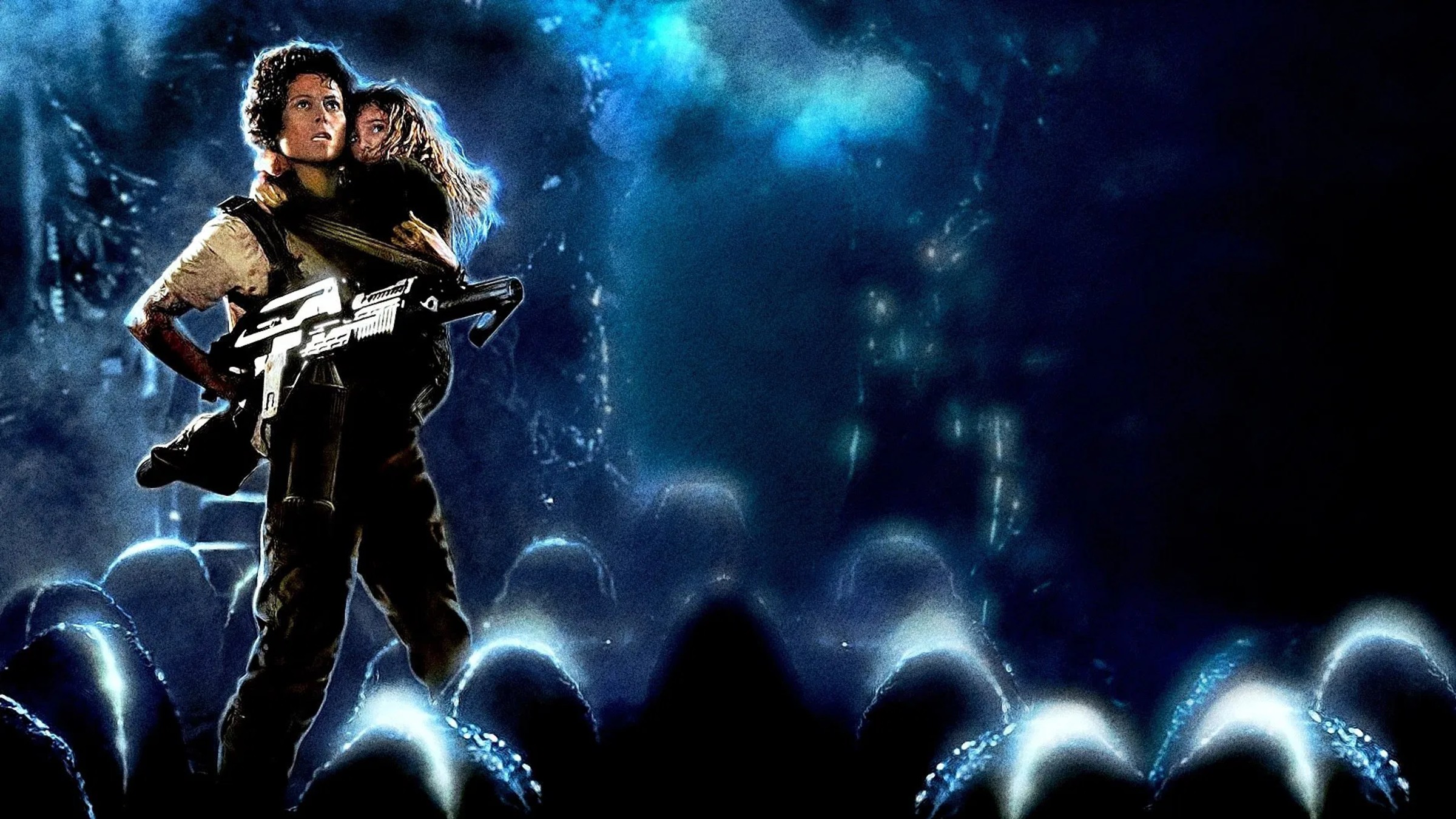
There’s a famous story about how James Cameron convinced 20th Century Fox to make Aliens. He supposedly wrote “Alien” on a chalkboard, added an “S” to make “Aliens,” and then cleverly changed the “S” into a dollar sign. Cameron insists this really happened! As unbelievable as it sounds, this simple act perfectly captures what makes the film such a groundbreaking sequel. That single added letter instantly communicates the core idea: the original threat isn’t just one creature anymore—it’s multiplied, and the danger is significantly greater than before.
Beyond its technical achievements, Aliens is a landmark science fiction sequel. James Cameron’s film significantly developed the mythology of the xenomorphs, establishing key elements that would define the entire franchise. It also gave Sigourney Weaver the opportunity to deliver a career-defining performance, earning her first Academy Award nomination. Importantly, Aliens demonstrated that sequels don’t have to simply repeat the formula of the original and proved the flexibility of the science fiction genre.
9) Back to the Future Part II

Back to the Future Part II is remarkably clever. It manages to navigate the complexities of time travel while creating a truly unique story: part of it unfolds simultaneously with the events of the first film. Beyond that, the sequel offers a fascinating vision of the future – specifically, 2015 – with concepts like flying cars that have had a lasting impact on science fiction films.
A unique aspect of Back to the Future Part II and its place in film history involves how the filmmakers dealt with Crispin Glover’s refusal to return for the sequel. They cleverly used prosthetics – originally created for Glover in the first movie – on a new actor playing George McFly, making it appear as though Glover was still in the role. This led to a lawsuit, which Glover won, and ultimately resulted in a new rule from the Screen Actors’ Guild preventing this practice from happening again.
8) Beneath the Planet of the Apes
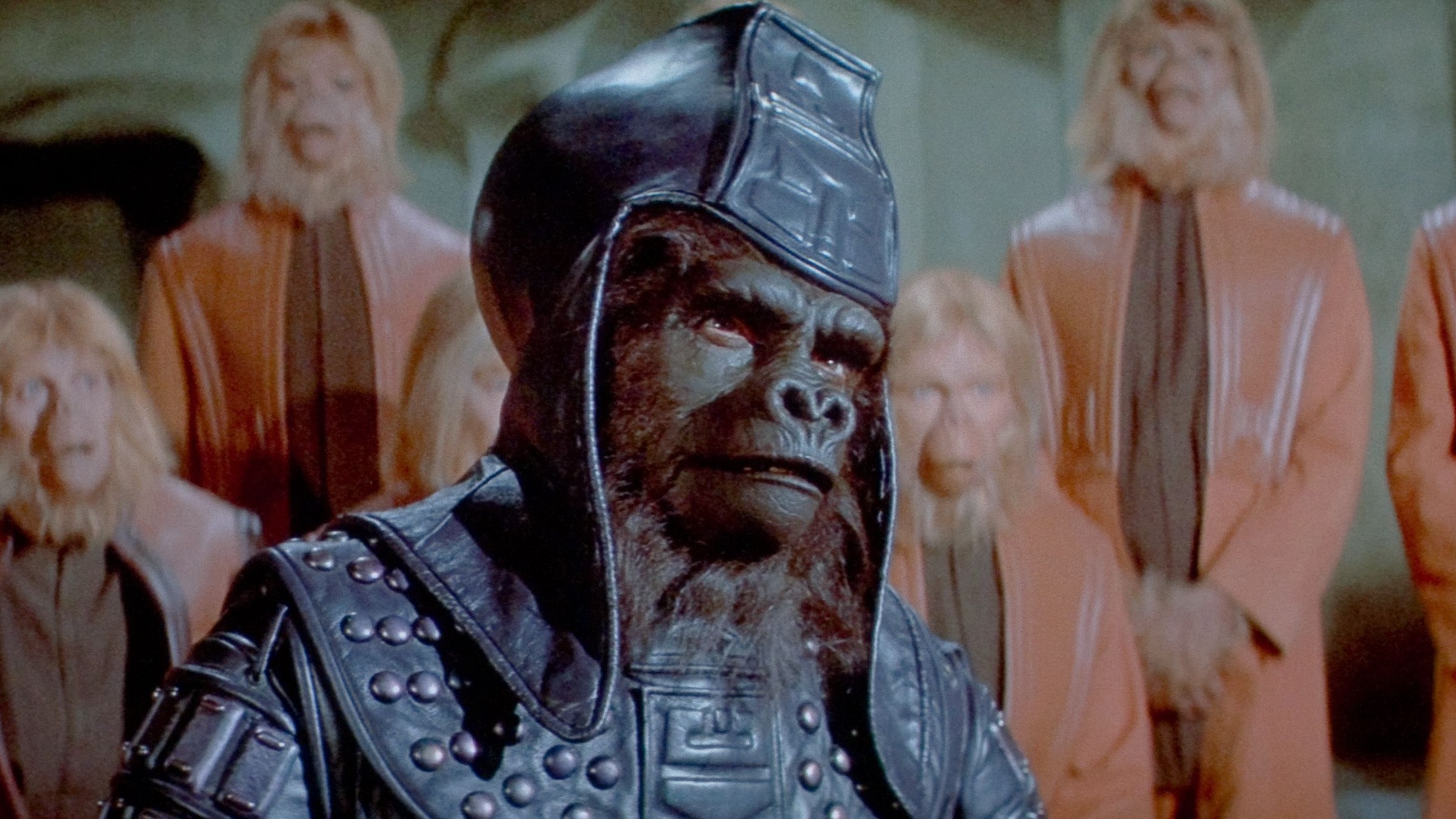
Following the strong performance of the 1968 film, a sequel to Planet of the Apes was rapidly developed. What set it apart from many sci-fi franchises of the 1940s and 50s was that the sequel continued the story directly after the first film, expanding on the existing plot rather than simply starting a new one with familiar concepts and the same brand. This approach proved influential in Hollywood, but it’s actually only one of the sequel’s many noteworthy features.
Beneath the Planet of the Apes introduced a strange and unsettling element to the series: underground humans who had mutated and developed psychic powers, and who actually worshipped the atomic bomb. This sequel took the story in unexpected directions and left viewers with even more unanswered questions than the first film. The movie ends on a bleak note, with the bomb detonating and seemingly destroying the planet. Despite this downbeat conclusion, the film was successful enough to warrant another sequel. However, because of the way Beneath ended, every subsequent Planet of the Apes movie felt obligated to follow a similar pattern, ultimately limiting the story’s possibilities and creating a narrative challenge for the filmmakers.
7) Bride of Frankenstein
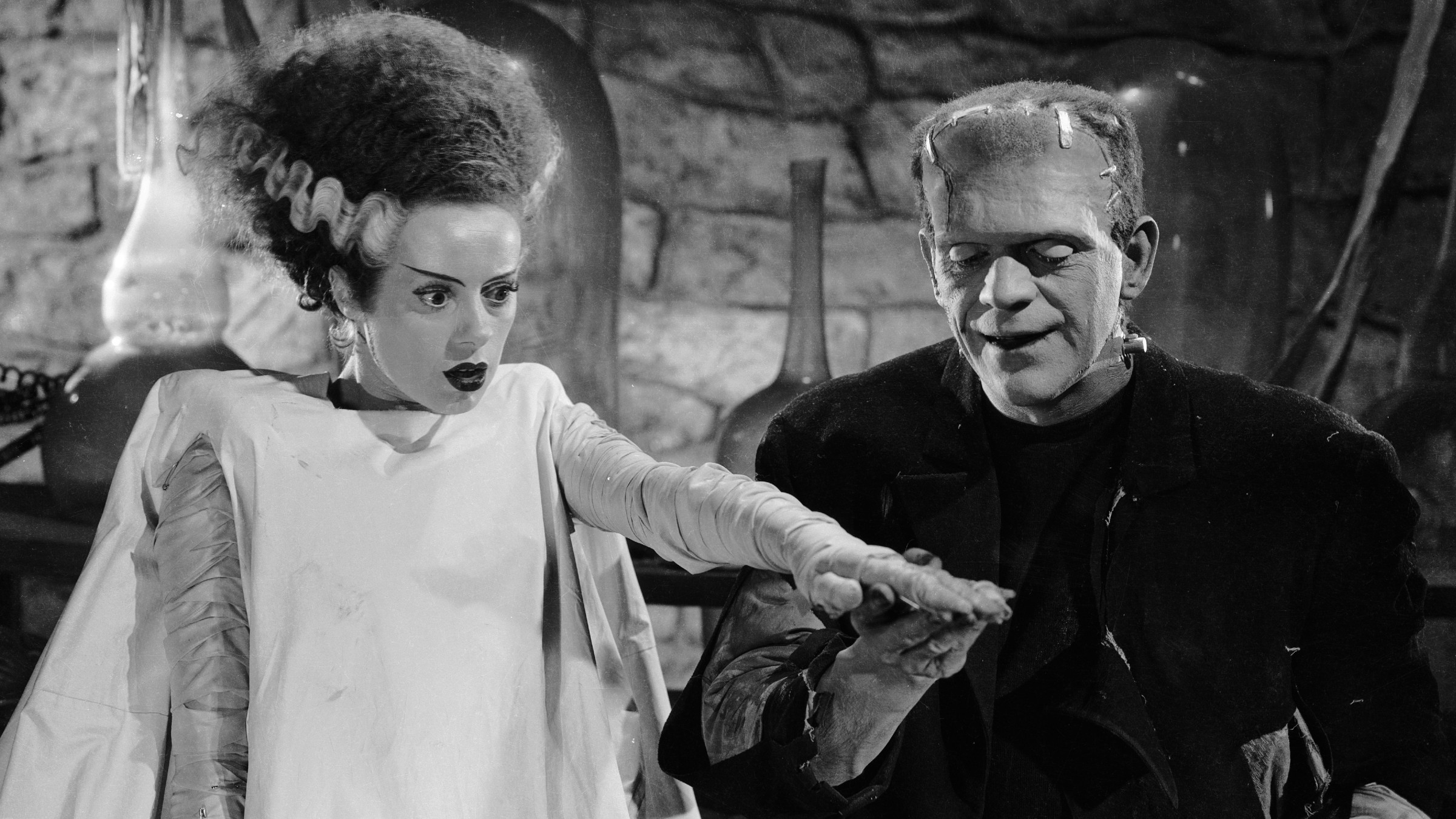
Universal’s popular monster movies led to many sequels, but most didn’t follow a consistent storyline. While films like Dracula’s Daughter and The Invisible Man Returns simply continued the titles, director James Whale’s sequel to Frankenstein was different. Bride of Frankenstein didn’t just continue the story with the original actors, it also drew more inspiration from Mary Shelley’s novel and even included Shelley as a character. The film’s impact goes beyond its story, as the Bride herself has become a famous and enduring image in cinema for nearly a century.
6) The Empire Strikes Back
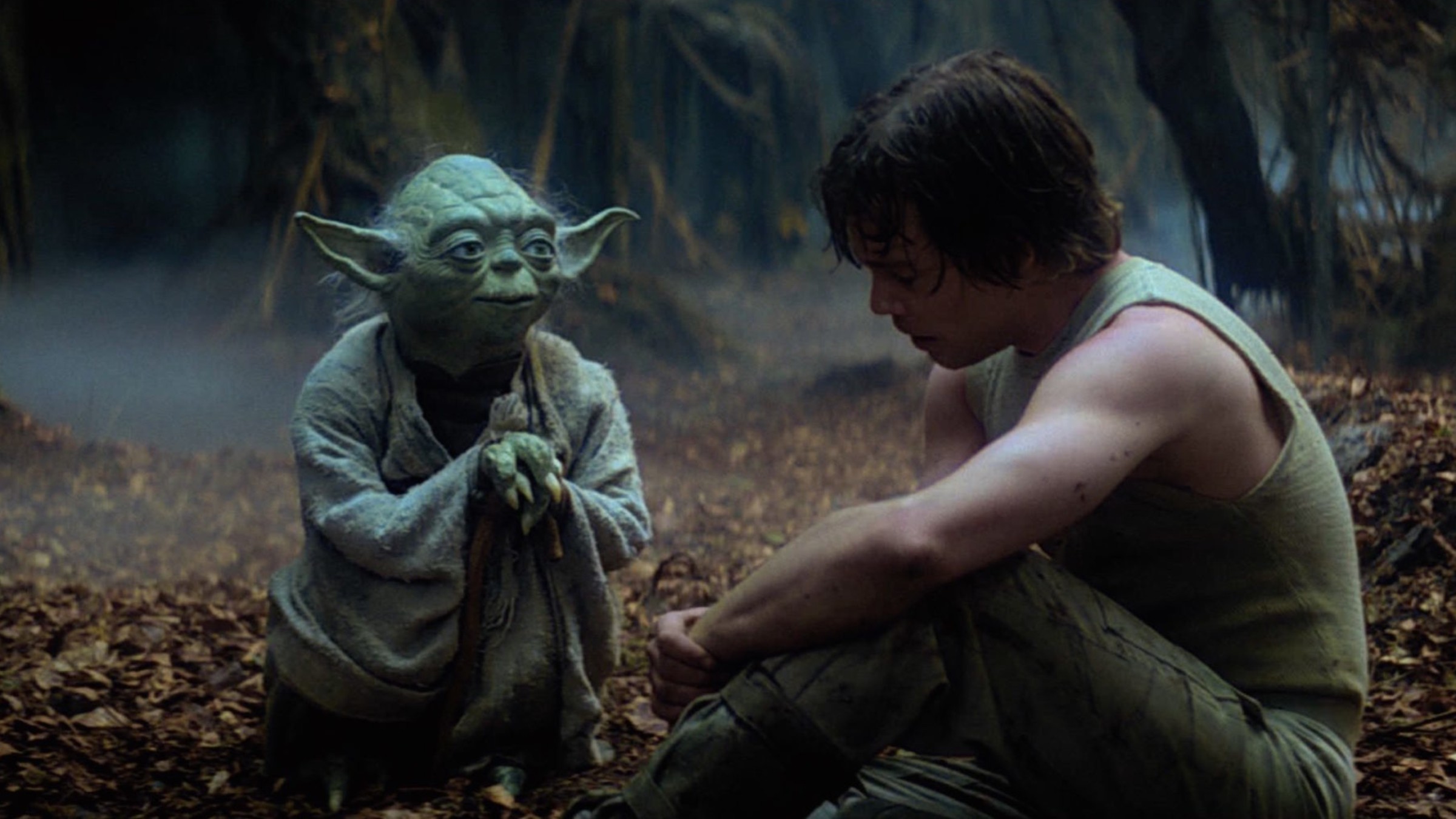
The second Star Wars film, The Empire Strikes Back, practically defined how the middle chapter of a trilogy or series should unfold. It established the pattern of taking a more serious and somber tone while ending on a cliffhanger, leaving viewers eager for the finale—a technique seen in films like Captain America: The Winter Soldier, The Dark Knight, and The Matrix Reloaded. Even today, people often refer to a series’ turning point as its “Empire moment.” Beyond its darker tone and suspenseful ending, Empire is also notable for its maturity. It expands on the established story and, more importantly, forces its characters to confront challenges and grow as individuals.
5) Mad Max 2: The Road Warrior
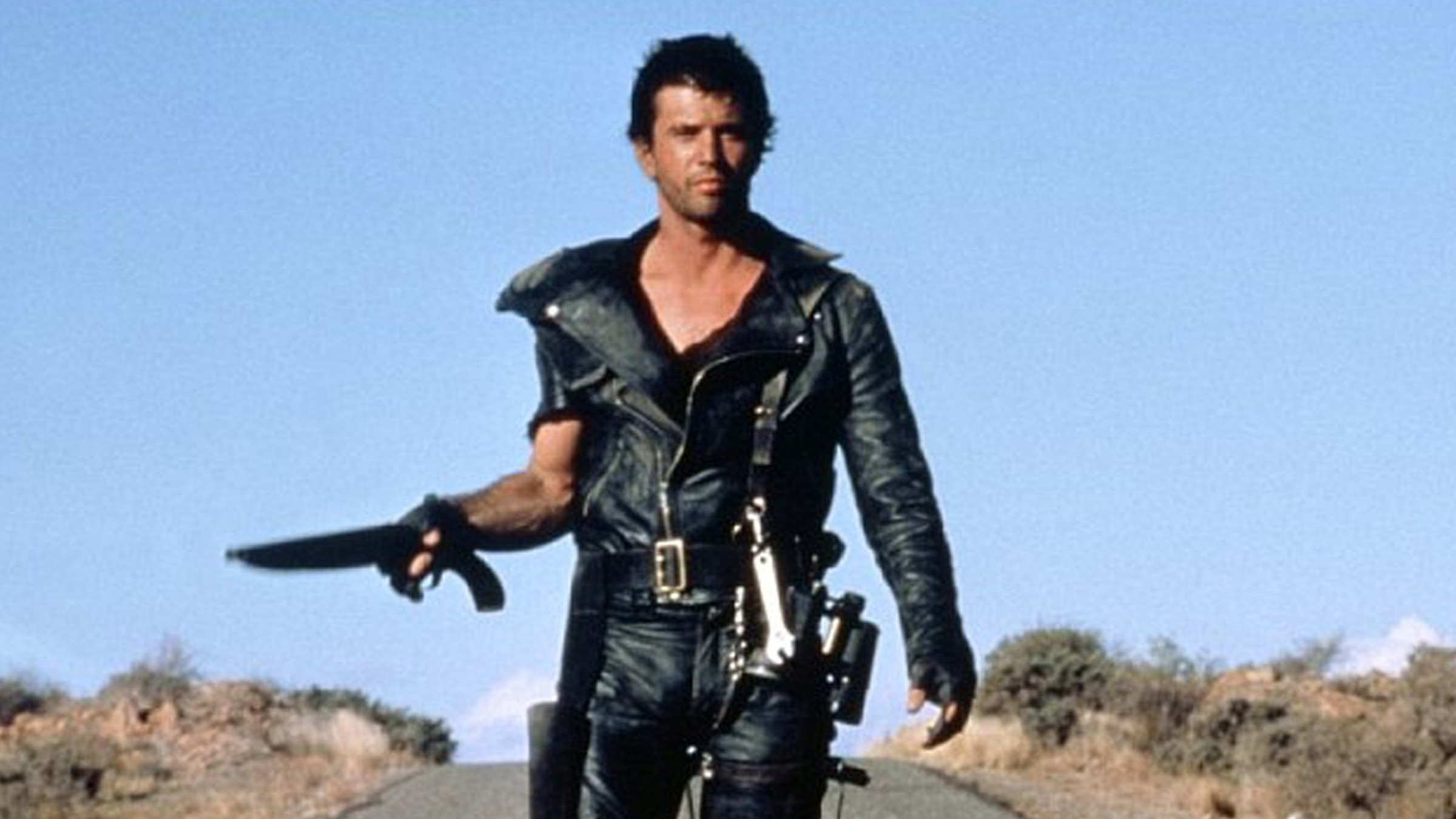
George Miller’s first Mad Max film was a success, but it was the sequel, The Road Warrior, that truly defined his vision of a broken world controlled by dangerous groups and a reluctant hero. Max Rockatansky became a template for action heroes, and the film itself was groundbreaking. The post-apocalyptic genre wouldn’t be what it is today without Mad Max – games like Fallout and Twisted Metal owe a huge debt to it, and might not even exist. In fact, many of the iconic elements we associate with Mad Max – like the fanatical car enthusiasts and the over-the-top action – actually originated in The Road Warrior, setting the stage for Mad Max: Fury Road.
4) Star Trek II: The Wrath of Khan
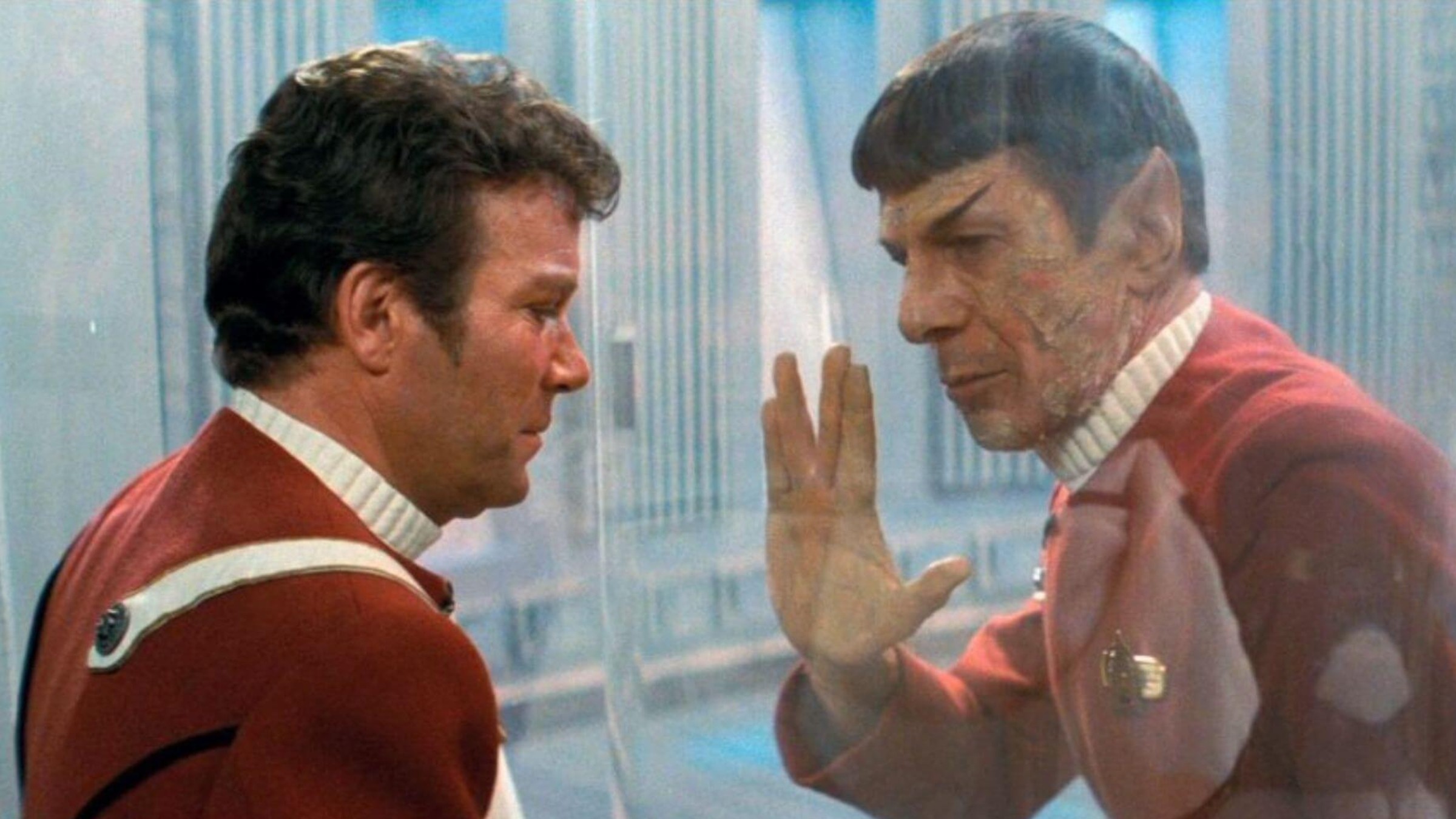
While Star Trek: The Motion Picture gave Gene Roddenberry and fans their wish of seeing the original series reimagined with a larger budget and improved effects, its slow speed wasn’t popular with everyone. The next film, however, dramatically changed the pace, style, and energy, propelling Star Trek to new heights and providing a blueprint for other franchises to successfully expand their stories and refocus their priorities.
As a huge Trek fan, I’ve always thought The Wrath of Khan did more than just tell a great story – it really shaped how we talk about Star Trek movies. It accidentally started this whole tradition where people say only the even-numbered films are any good, and it all began with Khan. To this day, it’s still considered by many to be the very best Star Trek movie ever made.
3) Superman II
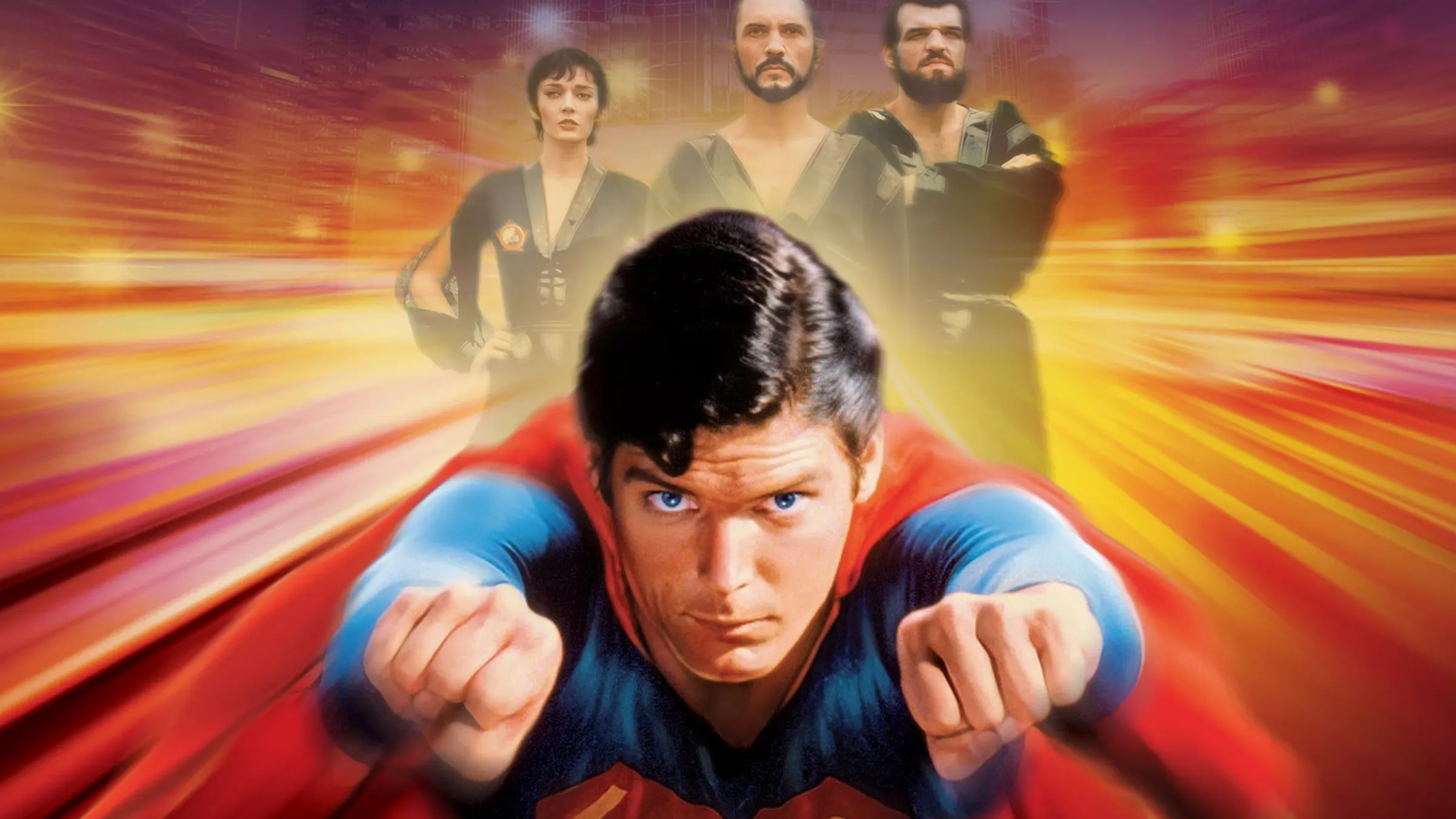
Even though making Superman II was difficult, its impact went far beyond simply being another sequel. It showed that a successful comic book movie wasn’t a fluke, and that these long-running characters could become even more popular as films. Without Superman II paving the way, we likely wouldn’t have seen hits like Spider-Man 2, The Dark Knight, or the entire X-Men franchise (which was produced by the same company behind Superman II).
2) Terminator 2: Judgment Day
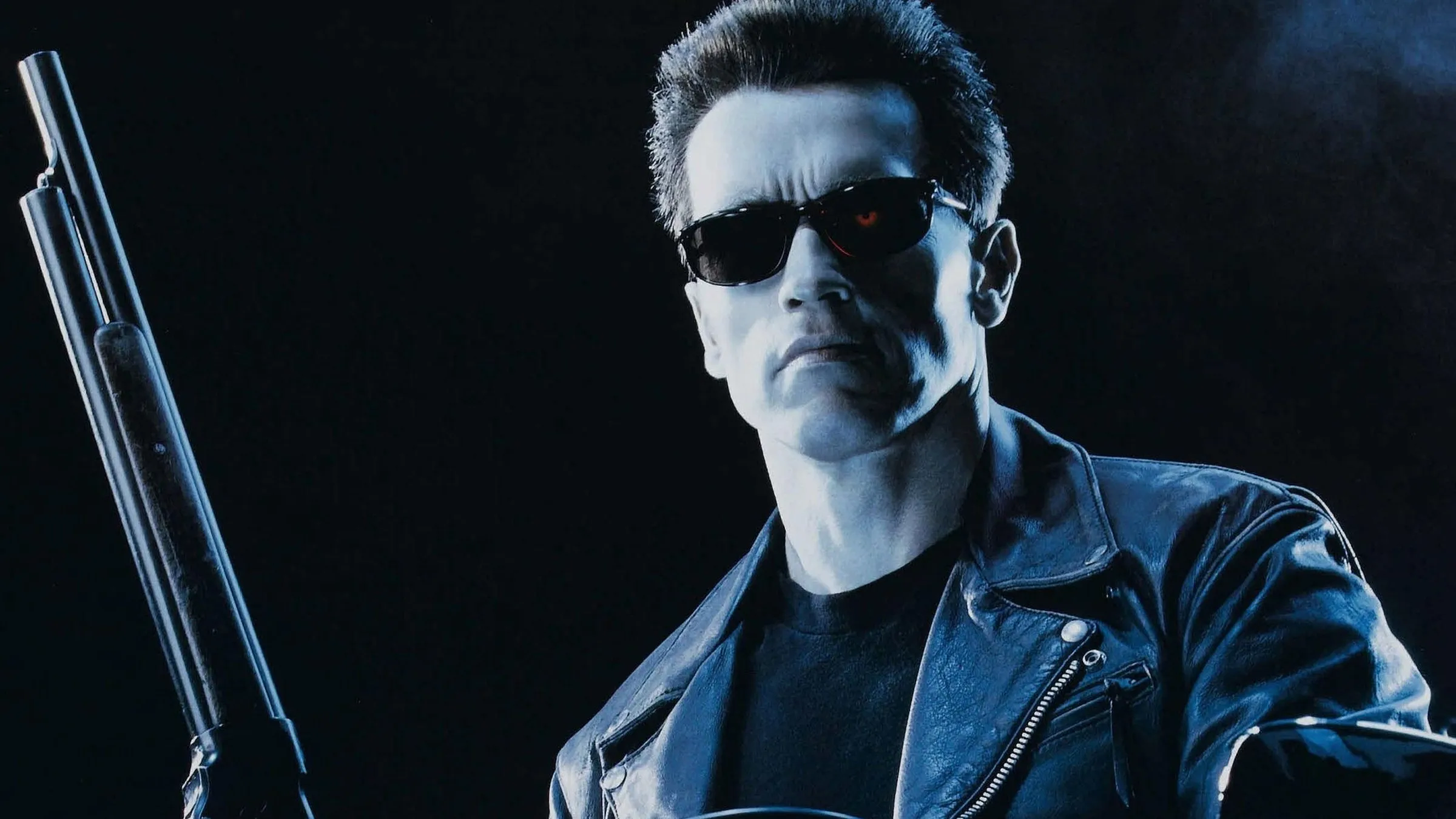
Just like he did with Aliens, James Cameron surprised audiences with the sequel to The Terminator. He successfully transformed the original’s horror into a thrilling action movie, and demonstrated a knack for defying expectations. Terminator 2 achieved this by unexpectedly turning Arnold Schwarzenegger’s character from a villain into a hero, and revealing the seemingly harmless police officer as the true enemy – a classic move by Cameron.
Beyond its innovative storytelling and surprising plot twists, Terminator 2 revolutionized visual effects. It set a new standard for combining practical and digital techniques, dramatically advancing computer-generated imagery and inspiring films like Jurassic Park and Independence Day.
1) Tron: Legacy
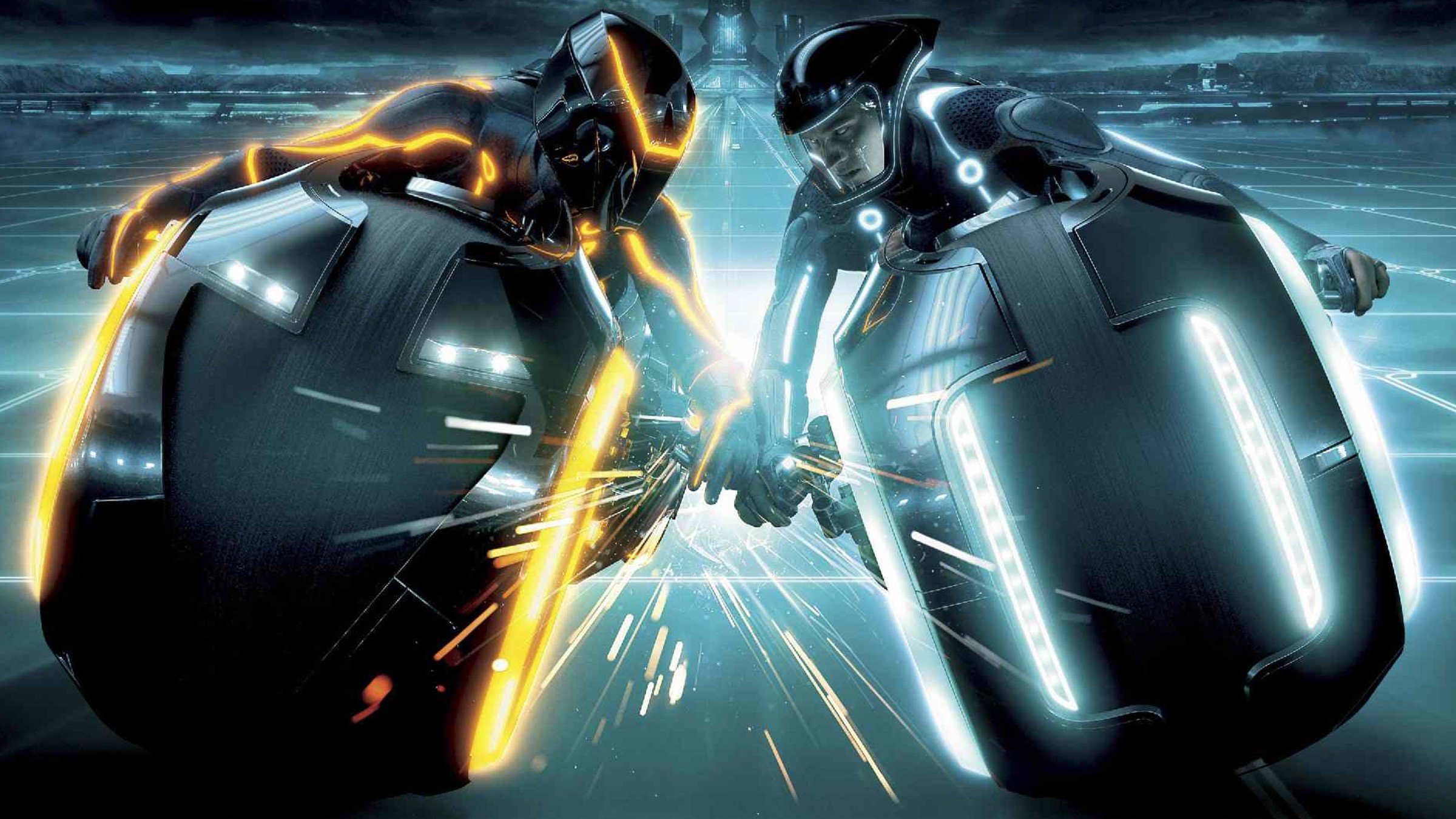
While Tron: Legacy isn’t a cinematic masterpiece, it definitely left its mark on science fiction. Released 38 years after the original Tron, the film is largely responsible for popularizing the term “legacy sequel”—a follow-up film that takes place years or decades later with the original cast returning. Though not the first to attempt this type of sequel, Tron: Legacy coined the phrase and influenced a wave of blockbusters for over a decade. Despite its flaws, the film’s impact is clear in movies like Creed, Blade Runner 2049, Ghostbusters: Afterlife, and the 2018 Halloween.
Read More
- Pluribus Star Rhea Seehorn Weighs In On That First Kiss
- Gold Rate Forecast
- Kelly Osbourne Slams “Disgusting” Comments on Her Appearance
- Looks Like SEGA Is Reheating PS5, PS4 Fan Favourite Sonic Frontiers in Definitive Edition
- Arknights: Endfield – Everything You Need to Know Before You Jump In
- Dune 3 Gets the Huge Update Fans Have Been Waiting For
- ’90s Cartoon Reboot & TMNT Connection!
- Guardians of the Globe Members We Want to See in Invincible Season 4
- ‘Marty Supreme’ Ending, Explained
- Goat 2 Release Date Estimate, News & Updates
2026-03-11 20:45