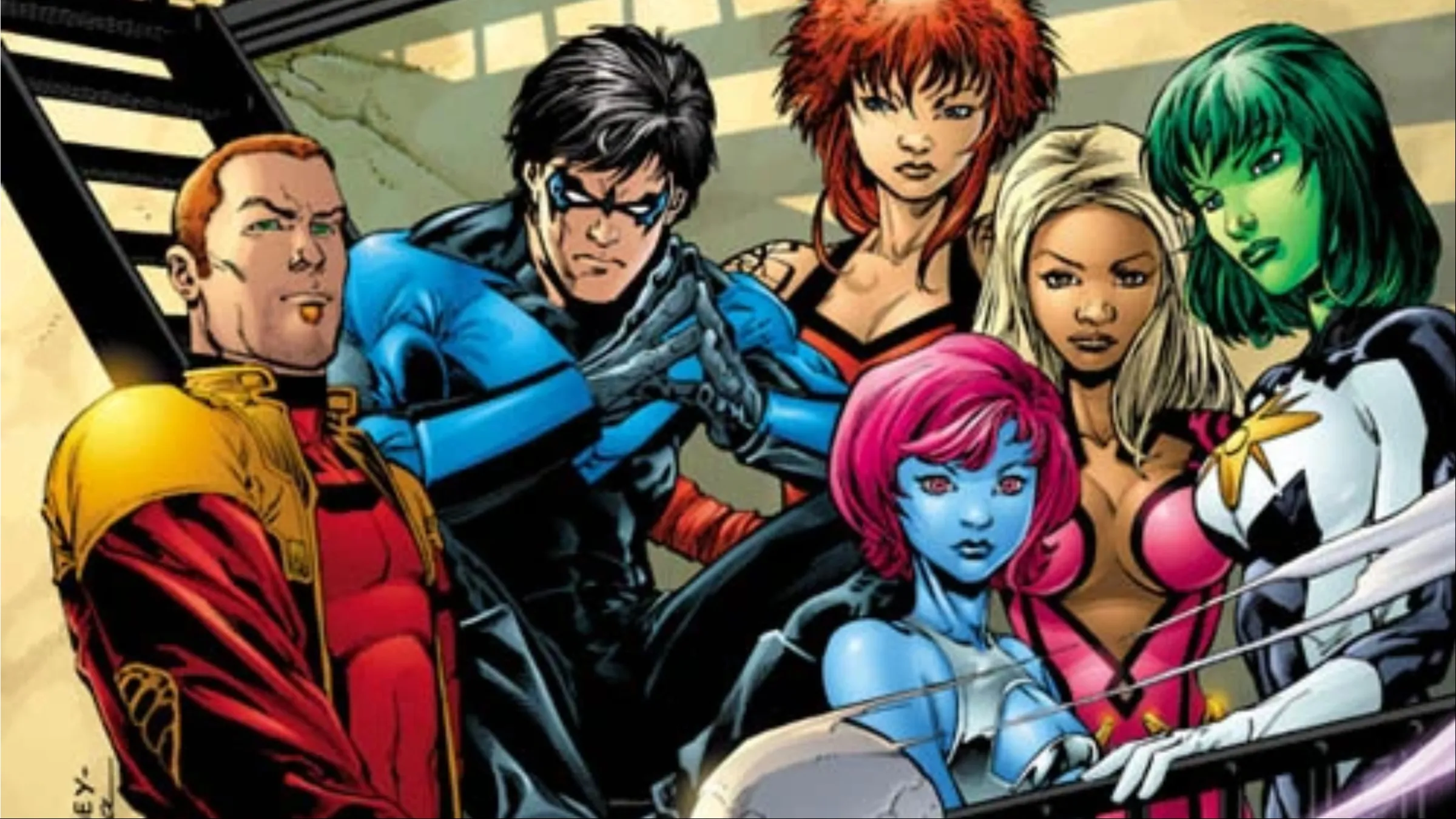
DC Comics essentially invented the modern superhero team. The Justice Society was the first to unite the publisher’s biggest heroes, and it set the standard for all team-based comics that followed. Since then, DC has constantly experimented with the format, creating teams for different ages like the Legion of Superheroes and the Teen Titans, groups of villains like the Legion of Doom and the Rogues, magical teams such as Shadowpact and Justice League Dark, and countless other combinations of superpowered individuals. While some of these teams have become incredibly popular and enjoyed long runs, others haven’t lasted as long and are occasionally revived in new attempts.
The Outsiders are a great illustration of a team formed for a specific purpose. Originating in the early 1980s, the team came about after Batman disagreed with the Justice League and decided he needed a group he could personally select and lead. The original lineup included Metamorpho, Katana, Black Lightning, Geo-Force, Looker, and Halo, but the team didn’t last throughout the decade. DC Comics attempted revivals several times, without success, and tried again in the early 2000s. This later iteration became a highly underrated comic series that deserves wider recognition.
The Return of the Outsiders Was Part of the ’00s Rebuild of DC Comics
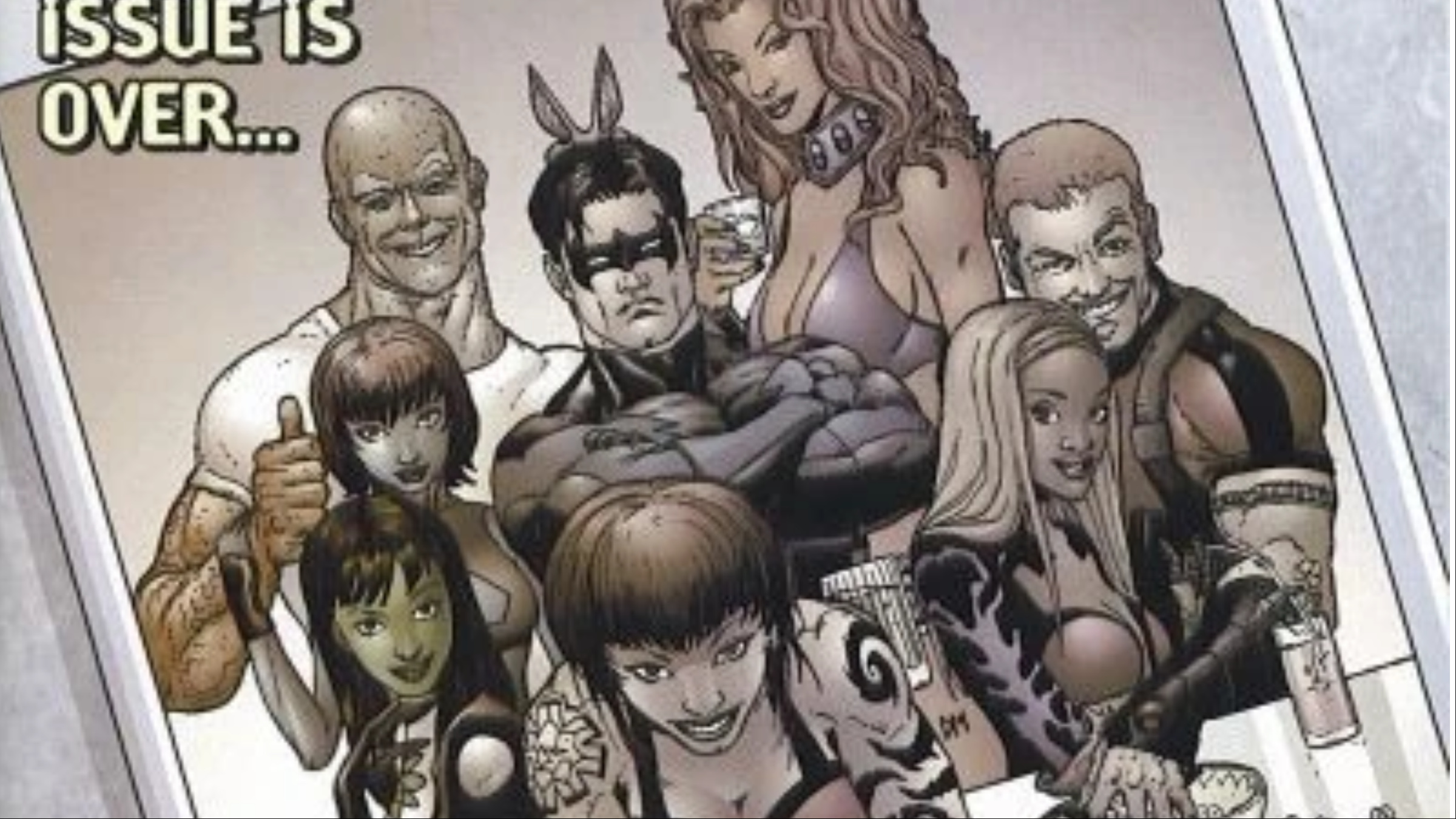
DC Comics experienced a creative revival in the 2000s, aiming to recapture the feel of its 1980s stories. A key moment in this shift was the Young Justice/Titans: Graduation Day storyline. In this story, the Young Justice and Titans teams fought a malfunctioning, super-powered Superman robot controlled by the cyborg Indigo. Tragically, Donna Troy died, leading the teams to split up. Cyborg, Raven, Starfire, and Beast Boy formed a new Teen Titans with Superboy, Impulse, Wonder Girl, and Robin – a nod to the original ’80s team. This left Nightwing and the established heroes without a team name.
Following the destruction of Troy, Nightwing was hesitant to form a new team, fearing he’d lose people he cared about again. Despite this, he created a new version of the Outsiders, bringing together Arsenal, Jade, Thunder (Black Lightning’s daughter), Shift (a clone of Metamorpho), Indigo, and Grace, a tough fighter with a troubled history. DC Comics supported writer Judd Winick by giving him creative control over this team.
As a longtime comic fan, I always admired how DC wasn’t afraid to push boundaries. They really changed the game with titles like Swamp Thing, which eventually led to the amazing Vertigo line. By the early 2000s, the Comics Code Authority – you know, the group originally created to basically shut down EC Comics back in the 50s because their horror and crime comics were too edgy and selling too well – had lost a lot of power. Newsstands weren’t really carrying comics anymore, so DC started taking risks. A great example is Outsiders (Vol. 3); they let writer Judd Winick tell a more mature story without getting approval from the Code, which was a cool move.
The early 2000s were a time when comics often tried to be shocking, but writer Justin Winick handled that trend skillfully in his Nightwing run. The series featured increased violence and mature themes, including complex relationships and sexuality among the team members, all used to reflect the intense stress of their missions. Nightwing was a demanding leader, and each character carried their own emotional baggage. This approach worked incredibly well, giving the book a distinct and compelling tone. It delved into the darker corners of the DC Universe, pitting the team against villains like Sabbac and the Fearsome Five. One storyline even tackled the serious issue of sex trafficking and featured a guest appearance by John Walsh of America’s Most Wanted. Winick crafted sophisticated superhero stories that remain impactful today. Considering the often-excessive edginess of comics from that era, this series could easily have failed, but instead, it truly excelled.
Outsiders Was Never as Popular as It Should Have Been
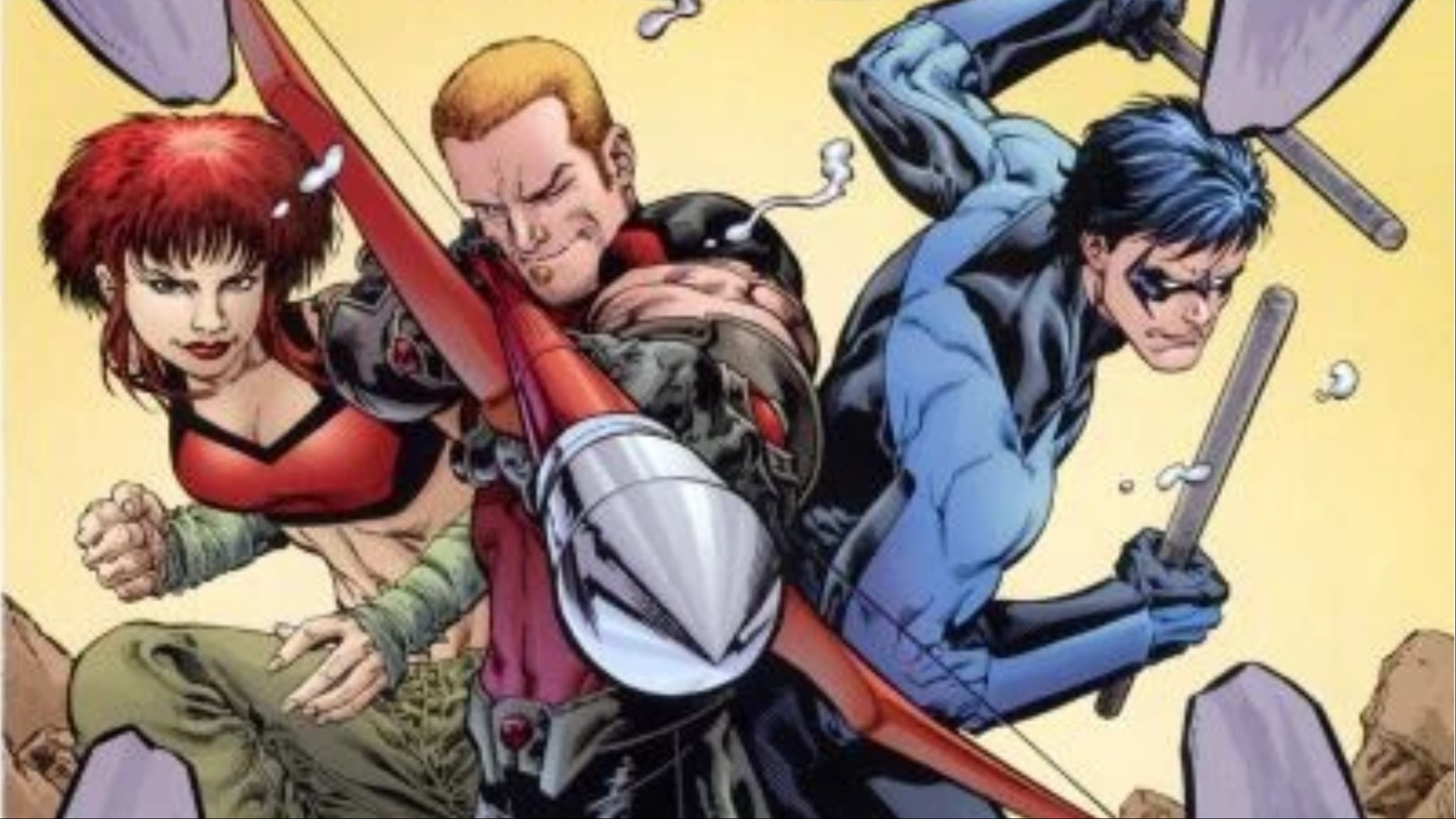
The third volume of Outsiders was a really exciting comic that arrived when DC needed it most. It updated a classic team – known for being independent and acting as the enforcers for a vigilante in a tough city – for modern audiences. It was a key part of DC’s move towards more classic, Bronze Age-style storytelling, and arguably started that trend. Despite its impact, it didn’t always get the recognition it deserved.
This all happened during a great period for team-based comics, with popular titles like JSA, JLA, and Teen Titans (Vol. 3). JSA and Teen Titans were particularly successful thanks to the rising star writer Geoff Johns, and JLA was benefiting from a fantastic run by Joe Kelly. Outsiders (Vol. 3) stood out from the crowd, offering a different approach to team dynamics, but it didn’t receive the attention it deserved. While it was a truly excellent series – and eventually saw Batman leading the team again before reverting to its original form – for a while, Outsiders was one of the most original team books available.
Read More
- Gold Rate Forecast
- 10 Most Powerful Versions of Superman, Ranked
- GBP CNY PREDICTION
- 007 First Light: Release Date, Story, Gameplay, Cast, Editions, and Platforms
- Superman’s 7 Best Power-Ups, Ranked
- 10 Best Free Games on Steam in 2026, Ranked
- Forza Horizon 6 Car List So Far: Confirmed Highlights, Cover Cars, DLC, and Rewards
- DOGE PREDICTION. DOGE cryptocurrency
- 10 Greatest Wii U Games of All Time, Ranked
- What happened to Soldier Boy in The Boys?
2026-05-31 01:40