Sixteen years ago, a groundbreaking game arrived, instantly standing out with its unique blend of grace, energy, and self-assurance – a combination rarely seen since. Most action games at the time featured male heroes, but PlatinumGames took a chance with a female lead, and it paid off. The game’s combat was a beautiful, fast-paced spectacle, its style was playful and cool, and its main character was instantly memorable. She quickly became recognized alongside iconic male leads like Dante, Kratos, and Ryu, and paved the way for more compelling female characters in games.
Released on October 29th, 2009, Bayonetta quickly became a game-changer for action games. Critics loved its stylish and powerful protagonist, praising Bayonetta’s unique and modern design. I, like many players, was immediately captivated by her. While I hadn’t enjoyed Devil May Cry, Bayonetta‘s wild story and intense action really drew me in. PlatinumGames created something special, and Nintendo recognized that potential, acquiring the series despite its mature content.
Bayonetta Proved That Strength and Style Could Coexist
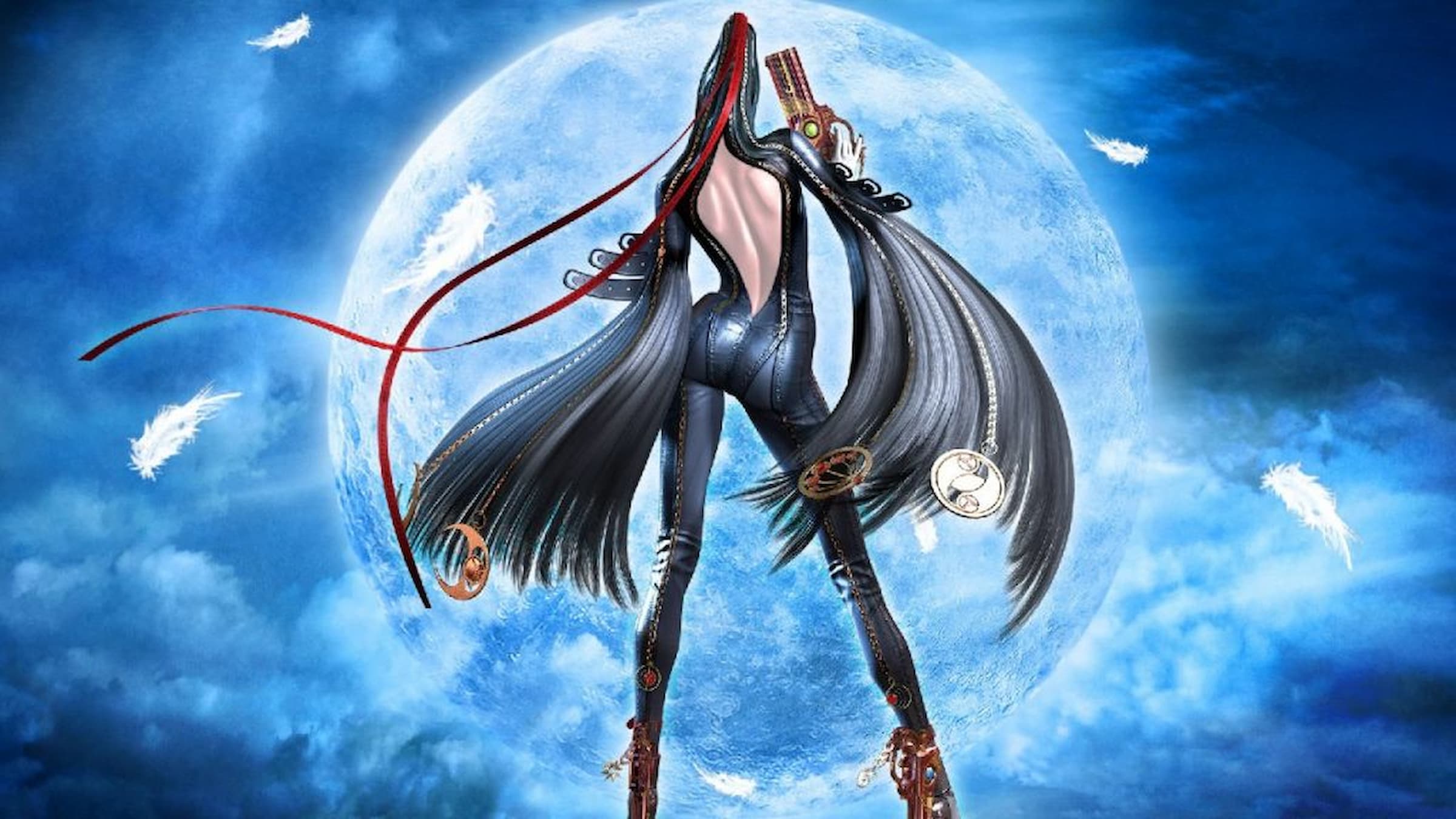
Before the game Bayonetta, female characters in action games were usually portrayed in one of two ways: as tough, serious fighters who were essentially female versions of male heroes, or as glamorous characters designed to be visually appealing rather than powerful players. Bayonetta changed that. She was quick, stylish, and confidently feminine, even embracing sensuality—something many action games avoided. This made being both strong and attractive not just okay, but something to admire, and gave players a female lead who could cleverly outsmart, powerfully defeat, and dramatically outshine anyone who challenged her.
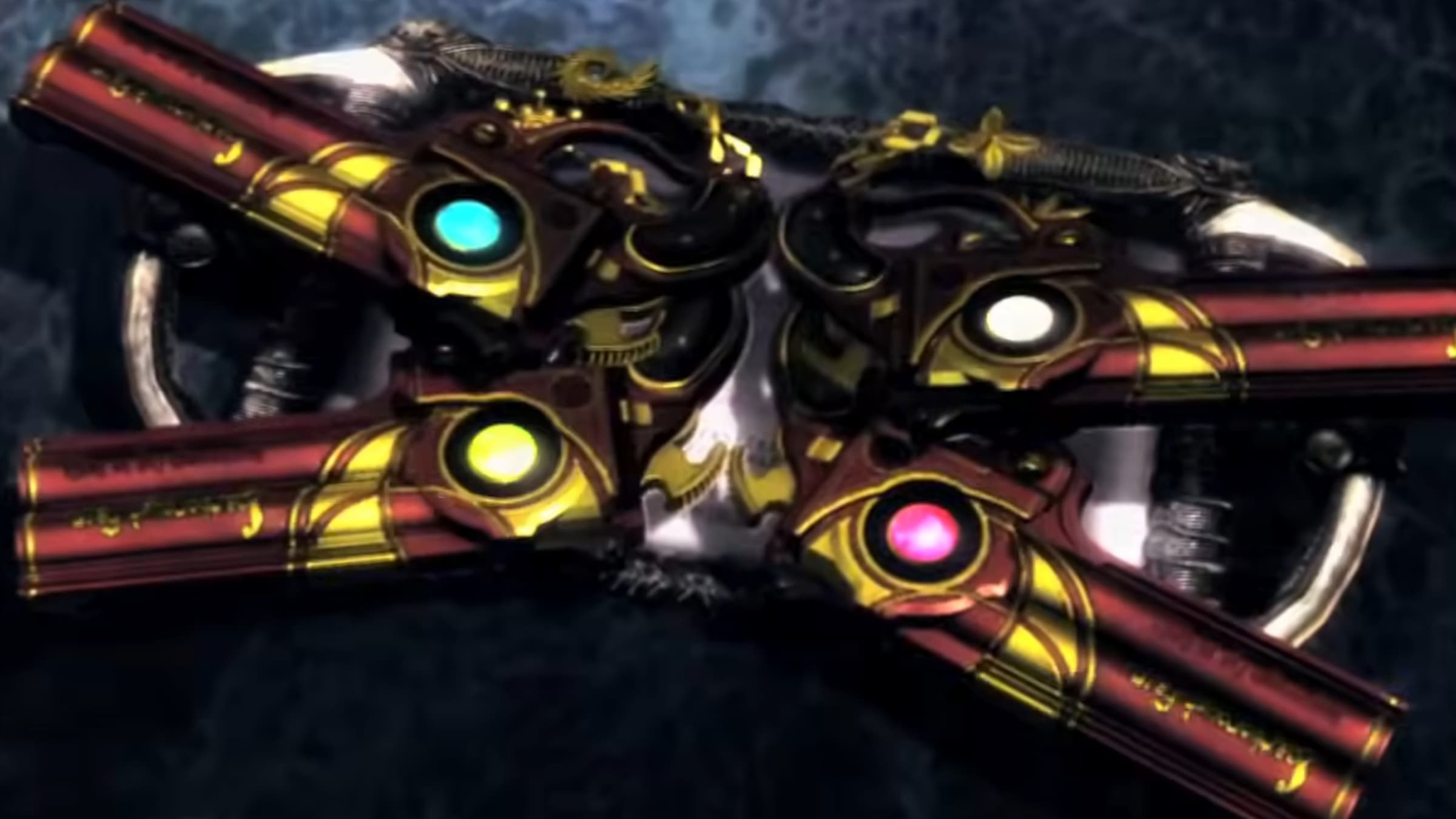
Bayonetta’s signature weapons, inspired by Dante’s powerful arsenal, gave her a distinctive look. She confidently fought in high heels, using both guns and close-combat attacks. Bayonetta could summon demons and even used her hair as a weapon against both demons and angels. Everything about her – her movements and her words – radiated confidence and a bold sense of style, and she wasn’t shy about showing it.
She wasn’t just strong; she was captivating. Everything she did – her movements, her playful teasing, even her stances – felt carefully planned, transforming the fast-paced action into a dazzling show. I spent hours learning complex attack combinations to unleash her most impressive moves and mastering the art of dodging, which allowed me to trigger a special ability called Witch Time, slowing down everyone around me while I attacked.
Even now, you can see the impact of Bayonetta in many games. Characters like 2B from Nier Automata and Eve from Stellar Blade clearly draw inspiration from Bayonetta’s style and personality. I especially love her updated design in Bayonetta 2, which showed how well she could evolve alongside the gaming world. She continues to be one of the most compelling female protagonists in gaming, and it’s easy to see why.
No One Moves, Fights, or Flirts Like Bayonetta, and No One Ever Will
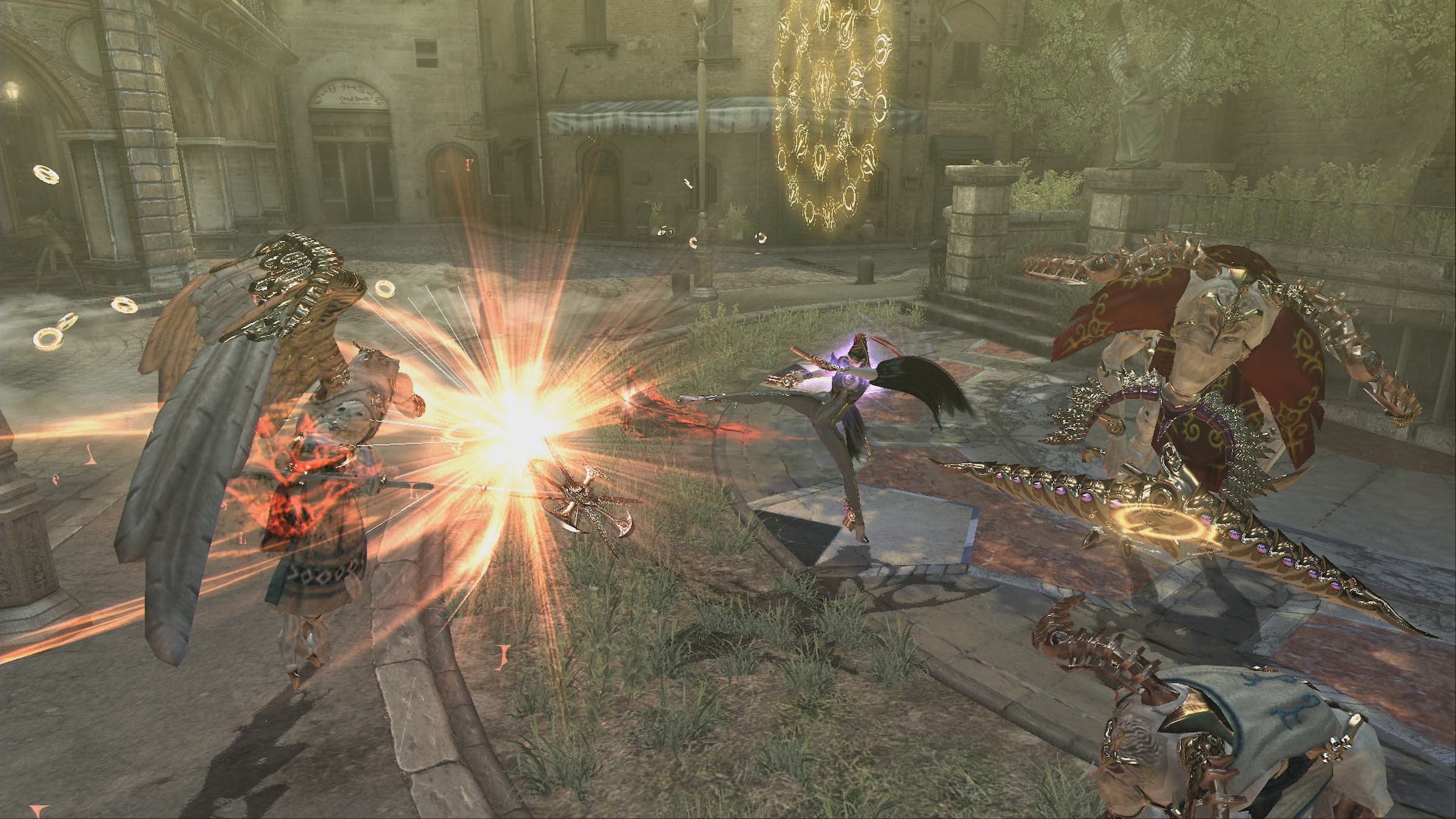
Bayonetta became popular not just because of how she looked or how strong she was, but because of her personality. She was playful and confident, even cracking jokes during intense battles with terrifying enemies – and she always seemed completely in charge. Her confidence and flirtatiousness weren’t about appealing to others; they were simply an expression of her power. She flirted because she wanted to, not because she felt she had to. This combination of amazing fighting skills and captivating personality made her a unique and memorable character. I personally found her style appealing, unlike Dante’s, which felt awkward in comparison.
Bayonetta was a captivating fighter, playfully taunting opponents and occasionally surprising me with her wit. She was always in control of every battle, setting the tempo and making the world react to her. This felt perfect for the over-the-top action – one moment I’d be sprinting across a massive, two-headed angel, searching for a vulnerable spot, and the next I’d be unleashing a demonic iron maiden to obliterate a group of enemies.
Bayonetta wasn’t just a fun character to play; she represented a change in how I thought about games. When I first experienced her, I saw more than just a stylish witch. She confidently owned who she was and wasn’t afraid to be exactly what she wanted. While many action games have followed, none have captivated me quite like Bayonetta. The combat felt perfect, and it actually got better with each installment. Plus, her design was always a fantastic mix of elegance and boldness – it somehow worked even when it shouldn’t have.
Bayonetta’s Gameplay Ascended While Its Story Declined
One of the things about Bayonetta is that it’s incredibly fun to play, even though the story isn’t particularly memorable. The first game was clever and well-made, but the plot itself wasn’t groundbreaking. While the idea of battling strange angels and demons as a powerful witch was appealing, the story mostly served as a way to showcase the game’s fantastic and action-packed combat.
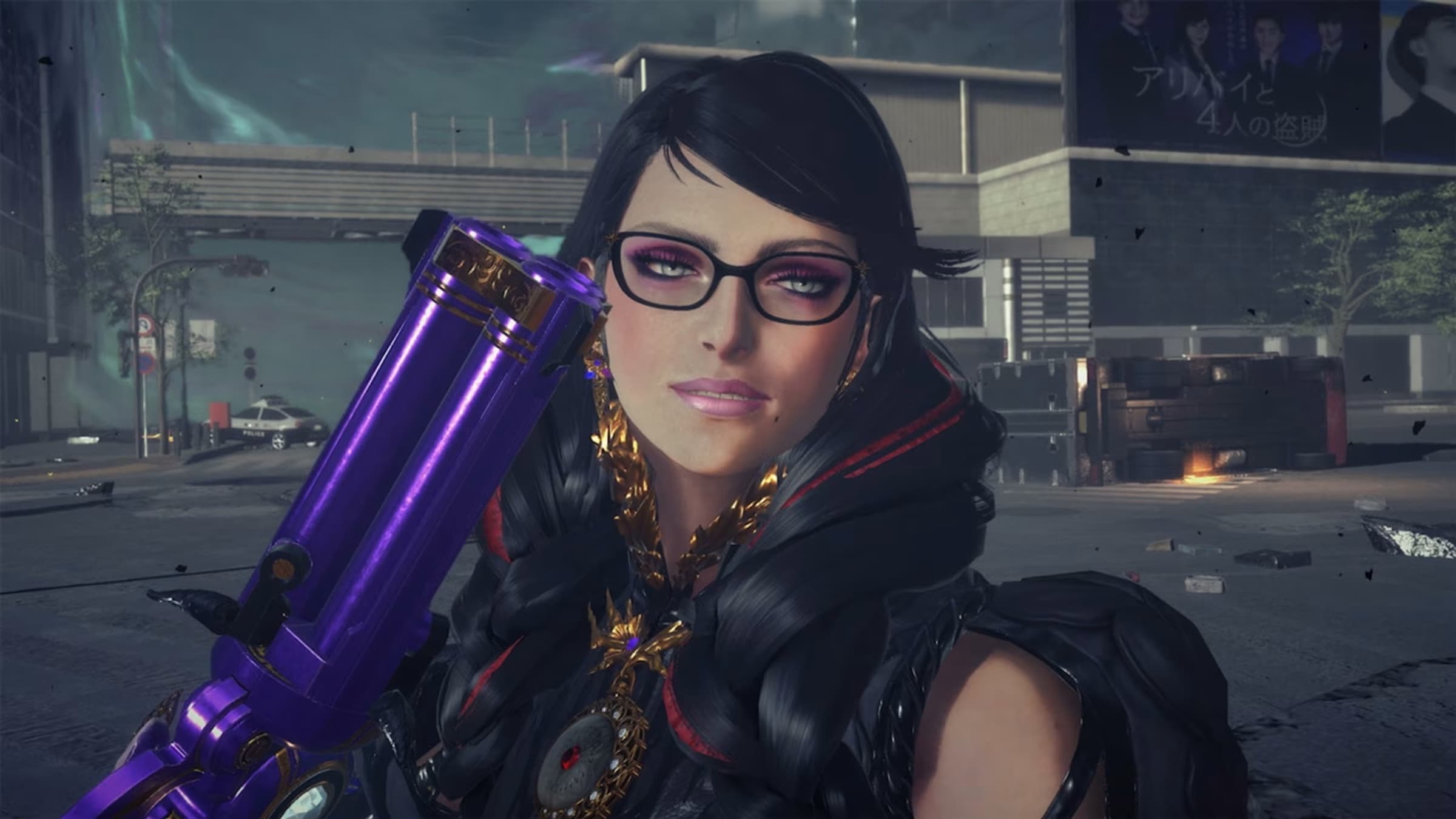
Bayonetta 2 refined everything players loved about the first game, making the action even more over-the-top and adding fresh gameplay elements. I particularly like Bayonetta’s design in this installment, as it reflects the game’s new features. While the story followed a familiar path, it explored new and engaging directions. Many fans consider Bayonetta 2 to be the strongest entry in the trilogy. Unfortunately, Bayonetta 3 doesn’t quite live up to its predecessors, and feels like the weakest link in the series.
Despite having some of the best gameplay in the Bayonetta series, the story in Bayonetta 3 is its weakest point, separate from the issues with the voice acting. The new character, Viola, felt out of place, and the idea of multiple Bayonettas from different dimensions didn’t quite work. However, the biggest problem was the romantic storyline between Bayonetta and Luka. While they’ve always had a playful connection, this felt unnatural, especially given that Viola is their daughter from another universe. Like many fans, I always viewed Bayonetta and Luka as friends – their personalities seemed too different for a romantic relationship.
Okay, so the story wasn’t really my cup of tea, but honestly, this game makes up for it with some absolutely amazing levels and the most fun, fast-paced combat I’ve had in a while. I immediately wanted to replay stages just to beat my high score! It seems like we might not get a main-line Bayonetta game anytime soon, but she’s still showing up in things like Bayonetta Origins: Cereza and the Lost Demon and Super Smash Bros. Ultimate, which is cool. I’m really hoping for another full game though, not just because the combat is so addictive, but because I want to see where Bayonetta’s story goes next.
What do you think? Leave a comment below and join the conversation now in the ComicBook Forum!
Read More
- What Song Is In The New Supergirl Trailer (& What It Means For The DC Movie)
- Highly Anticipated Strategy RPG Finally Sets Release Date (And It’s Soon)
- TV legend Carol Kirkwood reveals the reasons why she decided to retire after 28 years with BBC
- Why is Tech Jacket gender-swapped in Invincible season 4 and who voices her?
- The Super Mario Galaxy Movie: 50 Easter Eggs, References & Major Cameos Explained
- Sydney Sweeney’s The Housemaid 2 Sets Streaming Release Date
- Welcome to Demon School! Iruma-kun season 4 release schedule: When are new episodes on Crunchyroll?
- Dune 3 Gets the Huge Update Fans Have Been Waiting For
- Starfield PS5 Won’t Play Off Physical Disc without a Download
- The Biggest Week In Geek TV Officially Starts Today (What to Watch, When and Where)
2025-11-01 16:18