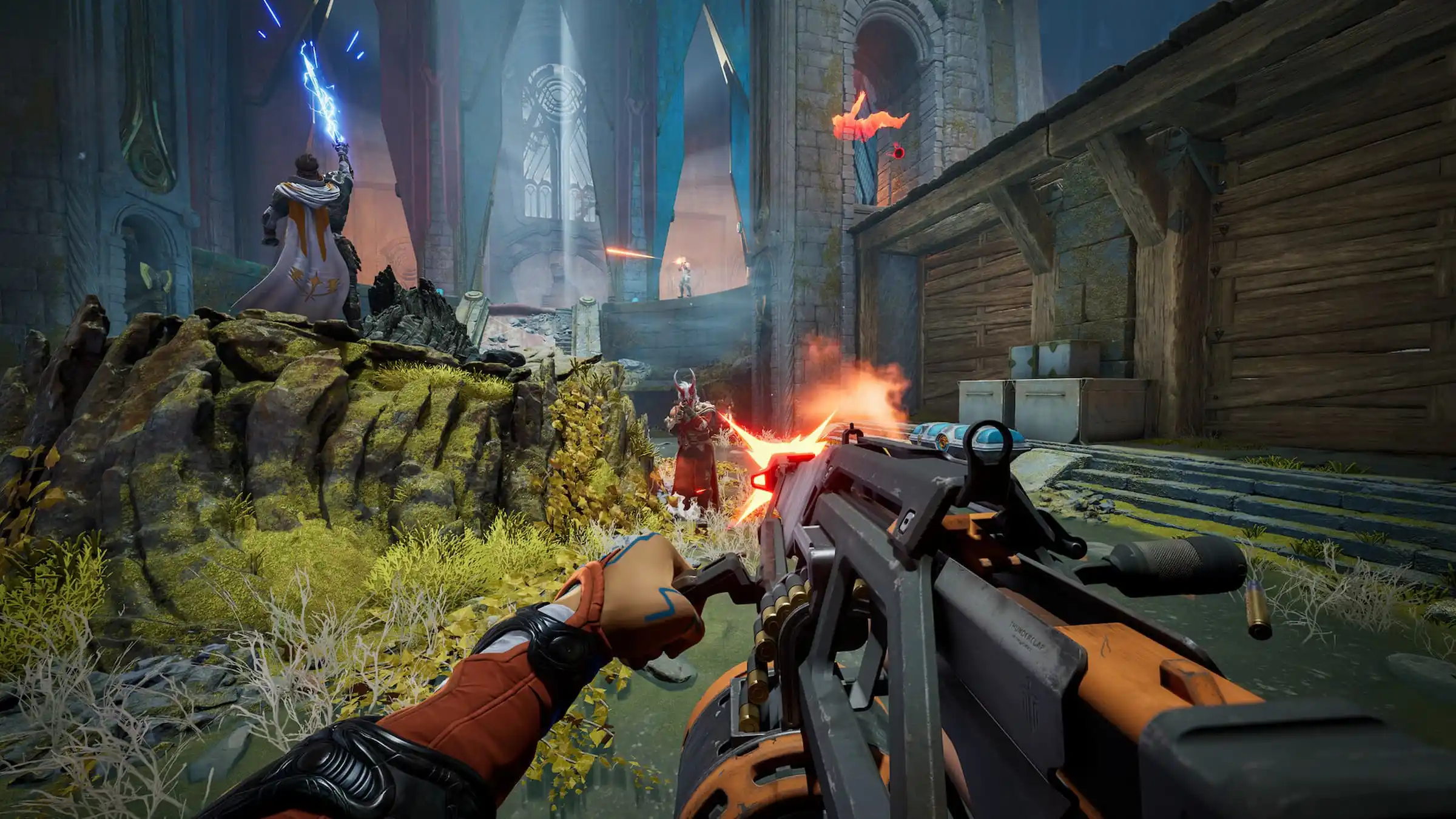
Whether a competitive multiplayer game succeeds often depends on how well players understand what’s happening at any given moment. If the gameplay is logical, even losing can be a learning experience. But if it’s confusing, players quickly become frustrated. Highguard falls somewhere in between – it has a solid underlying system, but doesn’t always explain it clearly to players.
Really understanding how a Highguard match unfolds is more crucial than any tutorial or explanation. Each match, from the initial buying phase to the final Core detonation, follows a predictable pattern of building up, increasing intensity, and then focusing on key objectives. Once you grasp this pattern, the flow of the match becomes much clearer, even if it still takes practice to play perfectly.
Understanding Each Phase of a Highguard Match
Each game starts with a preparation period. For about the first minute, players strengthen their base by upgrading walls and choosing their initial equipment. This system is simple and similar to games like Rainbow Six Siege, which is a good thing. The main issue isn’t the system itself, but rather a lack of clear guidance for new players – they often aren’t sure which walls to reinforce or which weapons will be most effective. Despite this, this initial phase subtly influences how the rest of the match will play out.
Once teams have finished buying their initial equipment, the focus shifts to gathering resources. Players then spread out across the map to collect items and gear that will help them improve their abilities and become more powerful. While the idea is to encourage strategic movement and early battles, success really depends on how well the team coordinates. Teams that collect loot quickly and efficiently usually have a significant advantage when the next phase begins.
The Stormbreaker is a key turning point in the game. After the initial loot gathering, both teams will clash in a large fight to control it. While winning doesn’t immediately end the match, it gives the winning team control of the game’s momentum. Having the Stormbreaker puts a team in a strong position, allowing them to dictate the action and forcing the other team to play defensively.
Mastering Momentum Across Highguard Match Phases
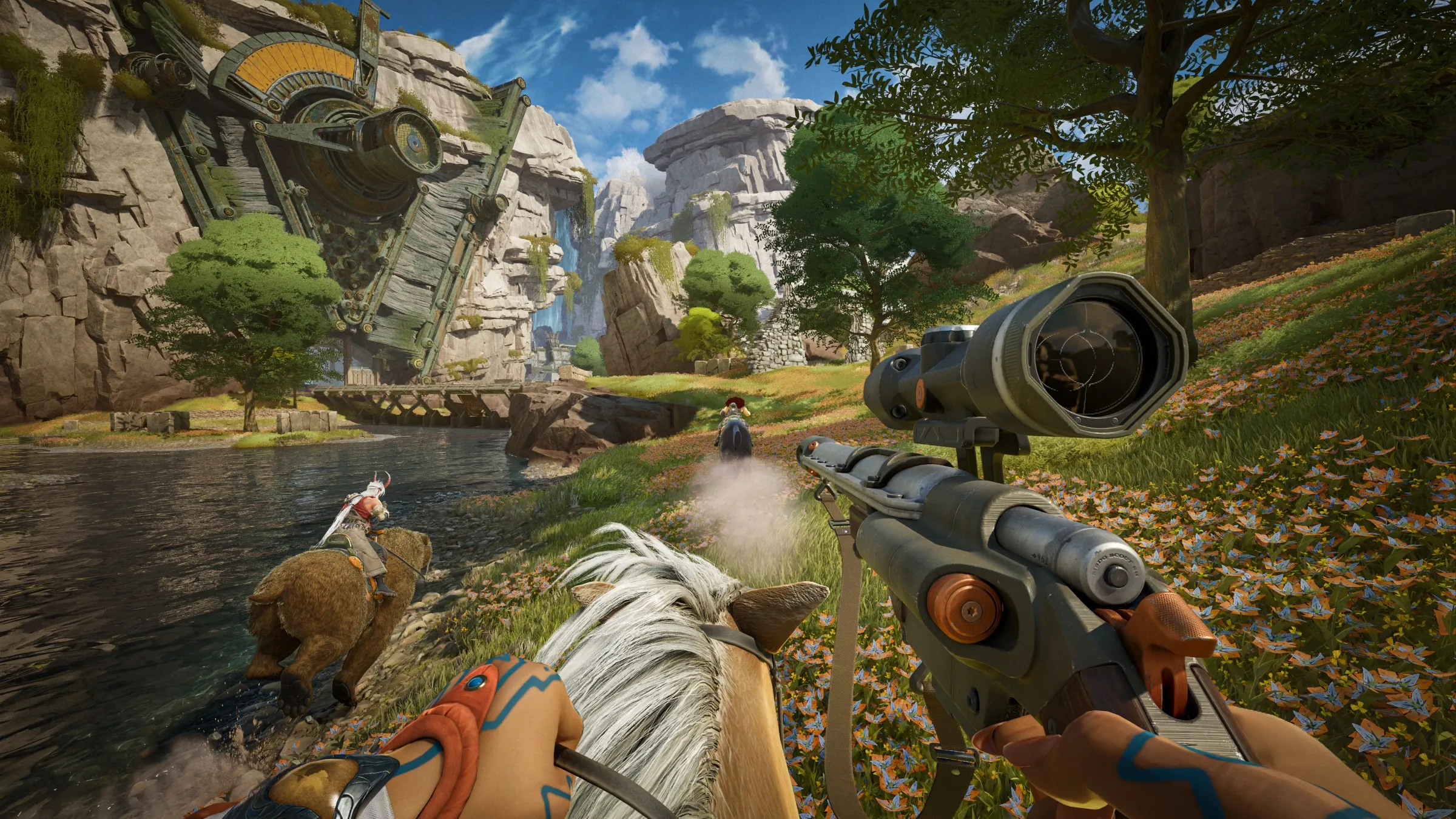
When overtime happens during the Stormbreaker phase, the team that still controls the Stormbreaker at the end – meaning the team that’s still active – gets to start an attack on the enemy base. Using the Stormbreaker at the enemy base puts the defending team at a disadvantage right away. This change in the game – from open fighting to focused attack and defense – is a key feature of Highguard.
Raids focus on completing objectives, not just defeating enemies. Each base has two generators and a central Core. Attackers win by planting and detonating bombs, similar to how it works in Counter-Strike. They need to protect their planted bombs while defenders try to disarm them, and attackers have a limited number of lives. Planting a bomb on the Core takes more time, but if it explodes, the defending team immediately loses.
Even if the Core isn’t destroyed, the base still takes damage, lowering its health and bringing the match closer to ending. Once the attack is over, the game starts a new round. Teams go back to buying items, collecting loot, fighting Stormbreaker, and potentially raiding the enemy base again. This continues until one team’s base is completely destroyed.
Okay, so in Highguard, it’s all about building up a flow, not just constantly battling. Each part of the game really sets up the next, and if you skip a step, you’re gonna have a tough time later on. I’ve noticed if my team doesn’t bother looting, we get wrecked in the Stormbreaker fights. And if we lose Stormbreaker? Forget about it – we’re forced to play defense, even if we’re not ready for it. It’s a domino effect!
Controlling the Stormbreaker is the most important factor in winning. When your team has it, you can take control of the game and make things happen. Losing control forces you to respond to your opponent instead of setting up your own strategy, and in Highguard, that usually leads to defeat. Don’t underestimate the early generator phase either – teams that try to quickly attack the Core often fail because they haven’t properly prepared first.
Matches in Highguard build tension gradually. Each round increases the pressure, meaning errors become more damaging and victories feel more significant. As health gets lower, even small wins have a bigger impact. While Highguard doesn’t always clearly explain this pattern, understanding it makes the flow of a match much easier to follow. This consistent progression happens throughout every match, whether the game explicitly points it out or not.
What do you think? Leave a comment below and join the conversation now in the ComicBook Forum!
Read More
- Looks Like SEGA Is Reheating PS5, PS4 Fan Favourite Sonic Frontiers in Definitive Edition
- Dune 3 Gets the Huge Update Fans Have Been Waiting For
- Pluribus Star Rhea Seehorn Weighs In On That First Kiss
- Gold Rate Forecast
- Kelly Osbourne Slams “Disgusting” Comments on Her Appearance
- Arknights: Endfield – Everything You Need to Know Before You Jump In
- Tomodachi Life: Living the Dream ‘Welcome Version’ demo now available
- Why Eriksholm: The Stolen Dream Could Be 2025’s Standout Stealth Experience
- Alien & Predator Shared Universe Explained: All Crossovers, Connections, Canon & Secret 3rd Sci-Fi Franchise
- 5 Weakest Akatsuki Members in Naruto, Ranked
2026-01-27 01:40