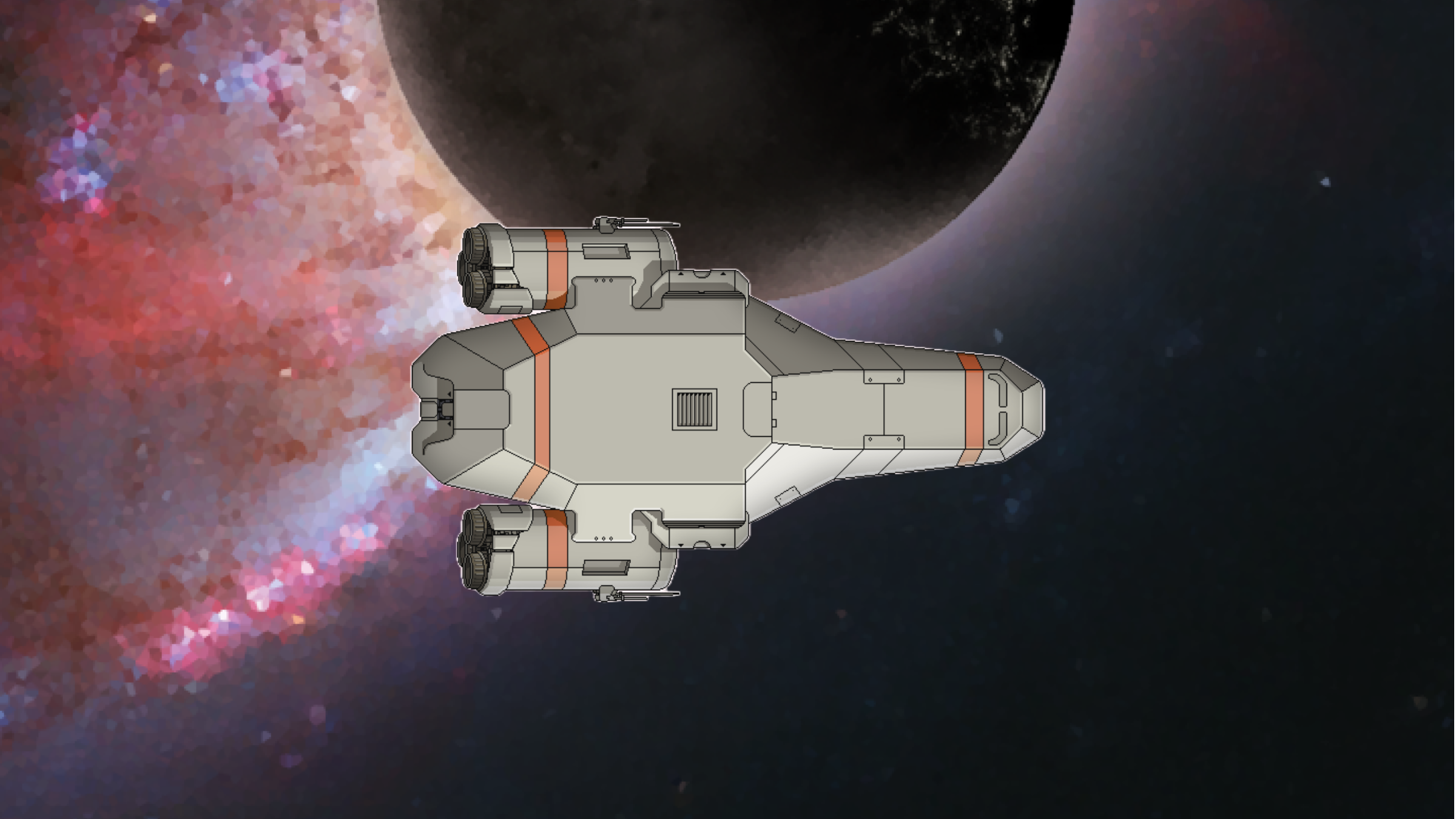
Though it began as a small, dedicated genre with the original Rogue in 1980, the roguelike style has become incredibly popular. Games like Hades 2 and Slay the Spire are now central to gaming conversations, and you can find countless titles on any game store promising randomly generated levels, high replay value, and challenging gameplay. Many of these games are truly great, with some boasting impressive graphics and others offering innovative new ideas. Interestingly, much of this success can be traced back to a game released over ten years ago.
FTL: Faster Than Light is still considered one of the greatest roguelike games of all time. It has a simple yet perfectly crafted concept that makes the gameplay loop challenging, addictive, and satisfying. Despite being an older title, it’s easy to overlook in favor of newer games. However, FTL is a must-play for any fan of the genre, and thankfully, it remains enjoyable even today for those who haven’t experienced it yet.
Why FTL: Faster Than Light Works So Well
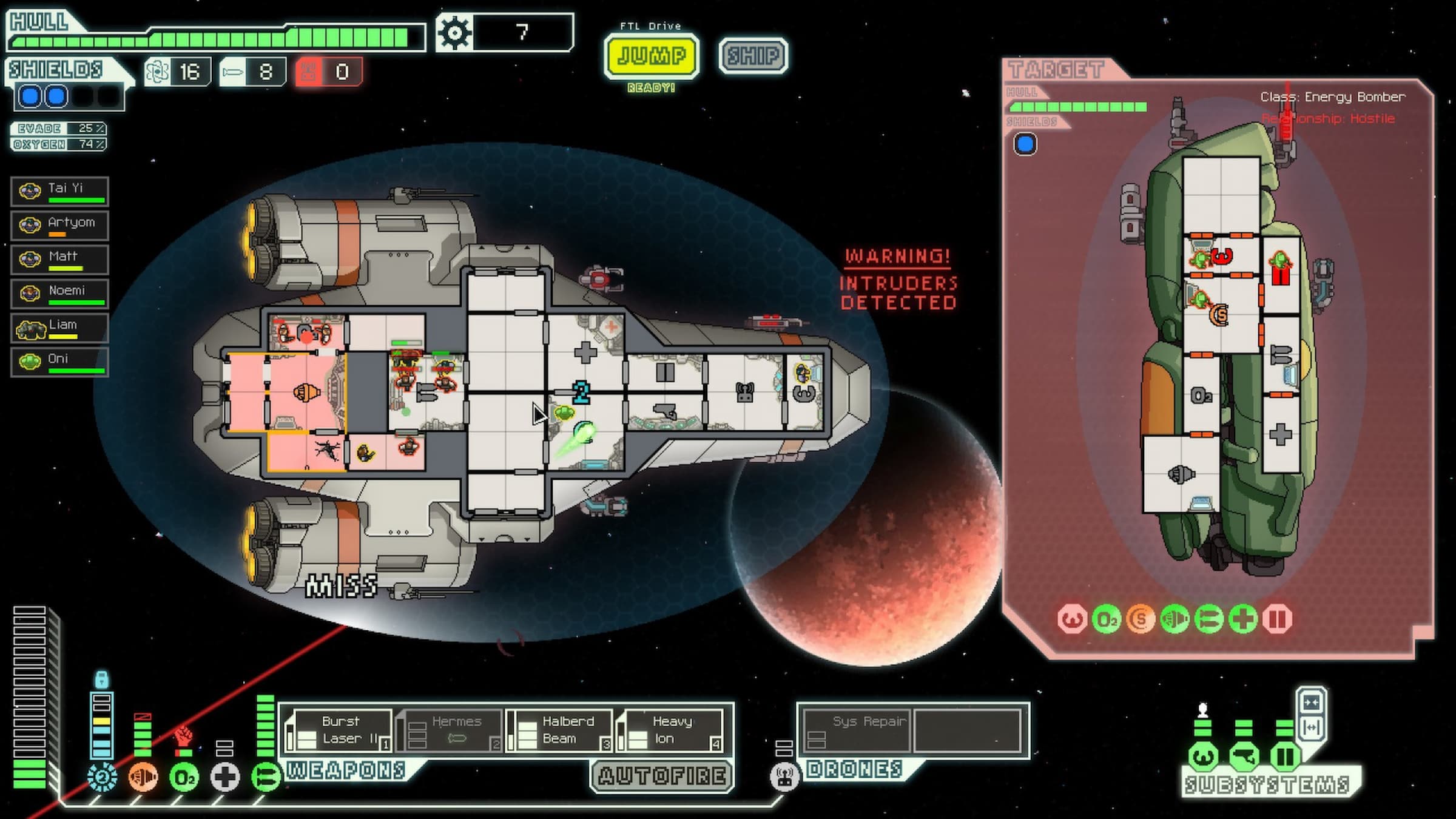
FTL: Faster Than Light is a fantastic game that expertly builds tension using straightforward gameplay. You pilot a spaceship, traveling from one star system to another through a dangerous galaxy. This journey, with its series of challenges and encounters, has become a blueprint for many similar games. Every choice you make impacts your survival, leading to either deadly battles or the chance to add valuable crew members to your team.
Your choices have real impact throughout the game – deciding where to direct power, who to send into danger, and when to fight or run. What makes these decisions so engaging is how clearly the game shows you the results of your actions. You can see systems failing, crew members getting stressed, and oxygen levels dropping. Even with simple graphics, everything is so well-presented that when a run ends, it always feels justified, whether because of a bold risk or a series of small errors.
I’ll never forget the first time I truly succeeded. It took many tries, but when everything finally clicked, it was a really powerful feeling. That feeling came from getting so attached to my ship and the crew onboard. Losing a crew member is tough, but rescuing them feels incredibly rewarding. It reminded me of playing Nuzlocke runs in Pokemon – I really grew to care about every Pokemon on my team.
I absolutely love how FTL: Faster Than Light handles difficulty. It doesn’t hold your hand at all – the tutorials are really light, and you learn by actually playing and figuring things out. New ships, random events, and better strategies just slowly reveal themselves as you go, which really encourages you to try different things. That feeling of getting better and mastering the game is a huge part of why it’s still so addictive even after you’ve put tons of hours into it.
FTL Boosted The Roguelike Genre To Light Speed
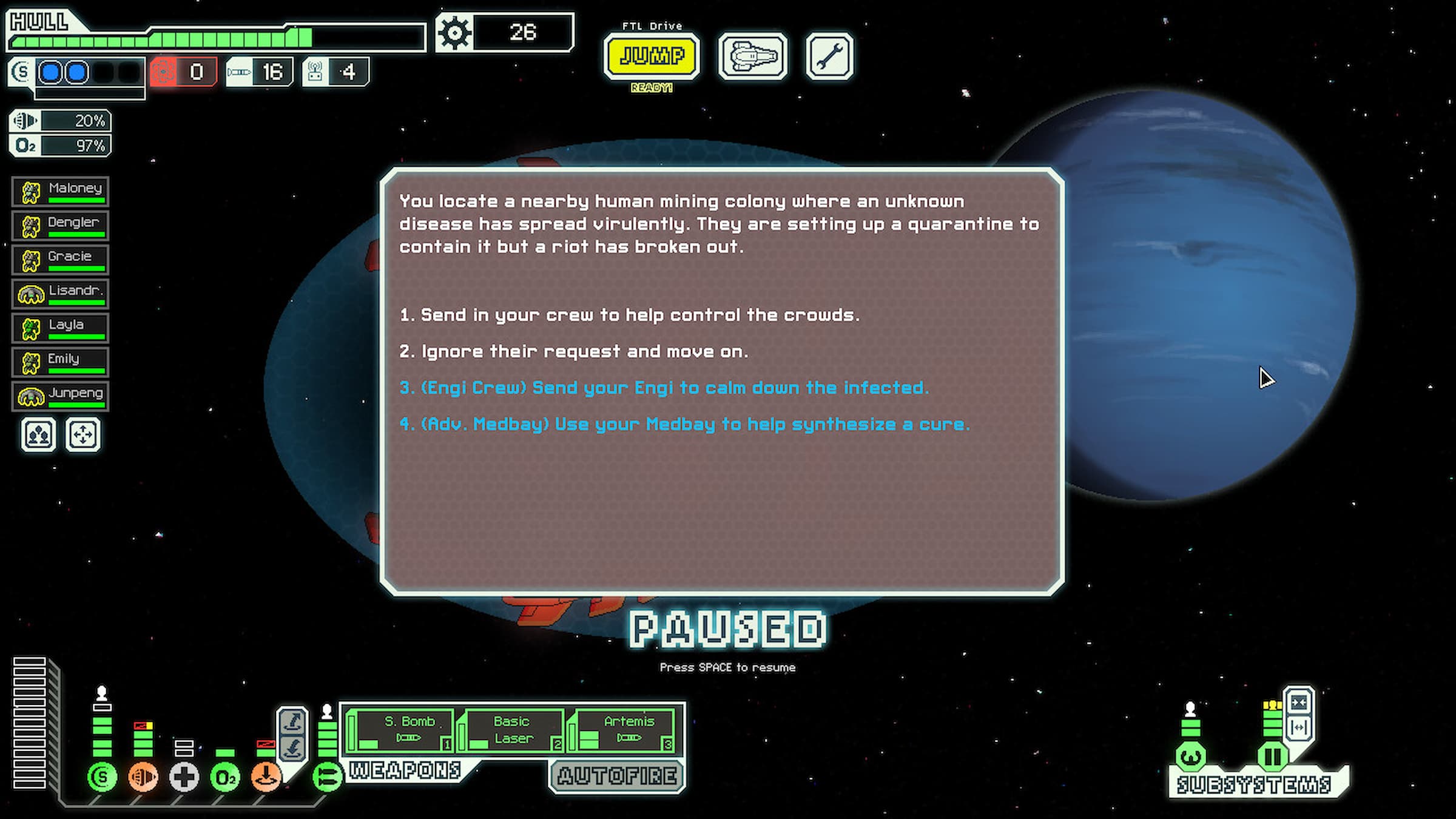
It’s hard to overemphasize how much the game FTL: Faster Than Light has impacted roguelikes. Many newer games in the genre directly use ideas from it. These include runs built around randomly generated stages, careful management of resources, and events that present players with choices that affect both the story and gameplay. These concepts have become essential to the roguelike genre.
What really stood out about FTL: Faster Than Light was its ability to create intense moments without relying on constant action. The game often pauses, giving players time to carefully consider their options, but the sense of urgency never disappears. It struck a great balance between thoughtful planning and the excitement of putting those plans into action. This approach has heavily influenced many strategy-focused roguelikes, which now prioritize careful decision-making over quick reflexes. Beyond the roguelike genre, FTL‘s impact can also be seen in games that use gameplay mechanics to tell a story, letting a player’s choices and actions create a narrative instead of relying on cutscenes or dialogue.
Modern roguelikes frequently include features like persistent upgrades, special currencies that carry over between runs, and impressive graphics. Many of these games are fantastic. However, they all still strive to recreate the core experience that FTL pioneered – the feeling that each playthrough is a unique, self-contained adventure shaped by your decisions. This clearly demonstrates just how influential FTL has been – and continues to be – on the roguelike genre.
It Was Ahead Of Its Time
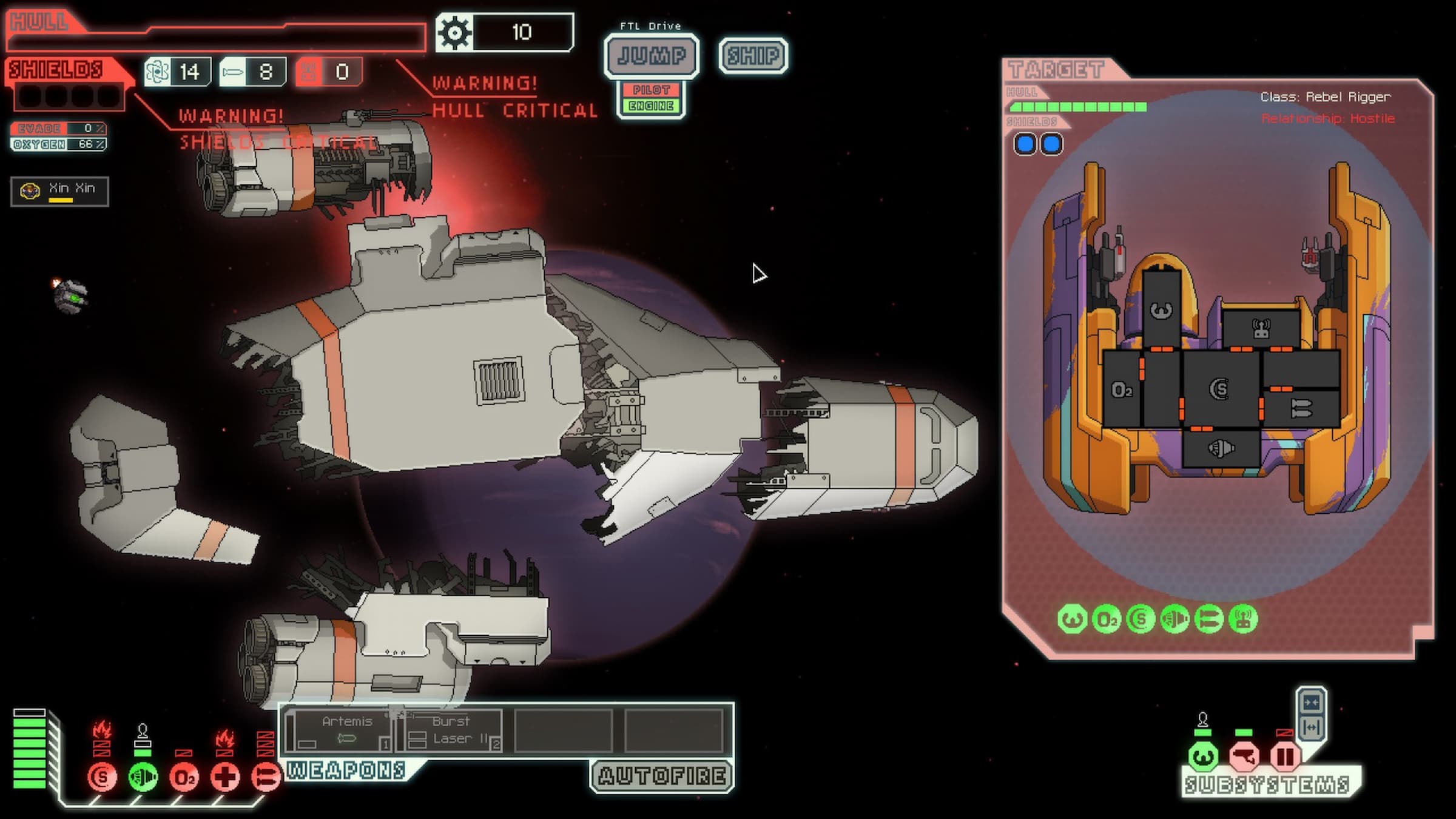
One reason FTL: Faster Than Light isn’t as popular as it once was is simply its age. It wasn’t known for being visually impressive, and that’s even more noticeable now. The game has a basic interface and its graphics are functional, but not particularly striking. With so many new roguelikes boasting beautiful designs, FTL’s simple pixel art can be easily overlooked. However, it offers a more subtle charm to players willing to give it a try.
The game’s simplicity is a major reason it’s still enjoyable today. Its design isn’t tied to fleeting trends, the gameplay is straightforward and responsive, and it offers a challenging but balanced experience. It feels just as good to play now as it did years ago – something unusual in a genre that changes so rapidly. Ironically, its basic graphics have helped it stay relevant, unlike games that rely on the newest visual styles.
The game also benefits from its simplicity. Instead of constantly unlocking new items or permanent upgrades, FTL focuses on player knowledge and skill as the primary path to progress. This makes each new strategy feel truly earned and satisfying, giving the game lasting appeal that many similar games lack.
It’s easy to overlook older games when so many new ones are released, but playing FTL: Faster Than Light again really highlights how important it is. It’s still incredibly fun, well-designed, and easy to pick up. While newer, more visually impressive roguelikes appear, few offer the same combination of excitement, clear gameplay, and reasons to keep playing. Even after many hours, I still find myself wanting to start another journey across the galaxy.
What do you think? Leave a comment below and join the conversation now in the ComicBook Forum!
Read More
- Pluribus Star Rhea Seehorn Weighs In On That First Kiss
- Gold Rate Forecast
- Kelly Osbourne Slams “Disgusting” Comments on Her Appearance
- Looks Like SEGA Is Reheating PS5, PS4 Fan Favourite Sonic Frontiers in Definitive Edition
- Arknights: Endfield – Everything You Need to Know Before You Jump In
- Hideo Kojima Says He Was Never Told About The Matrix Creators Wanting Him to Make a Game
- ‘Marty Supreme’ Ending, Explained
- ’90s Cartoon Reboot & TMNT Connection!
- Goat 2 Release Date Estimate, News & Updates
- Dune 3 Gets the Huge Update Fans Have Been Waiting For
2026-01-04 18:11