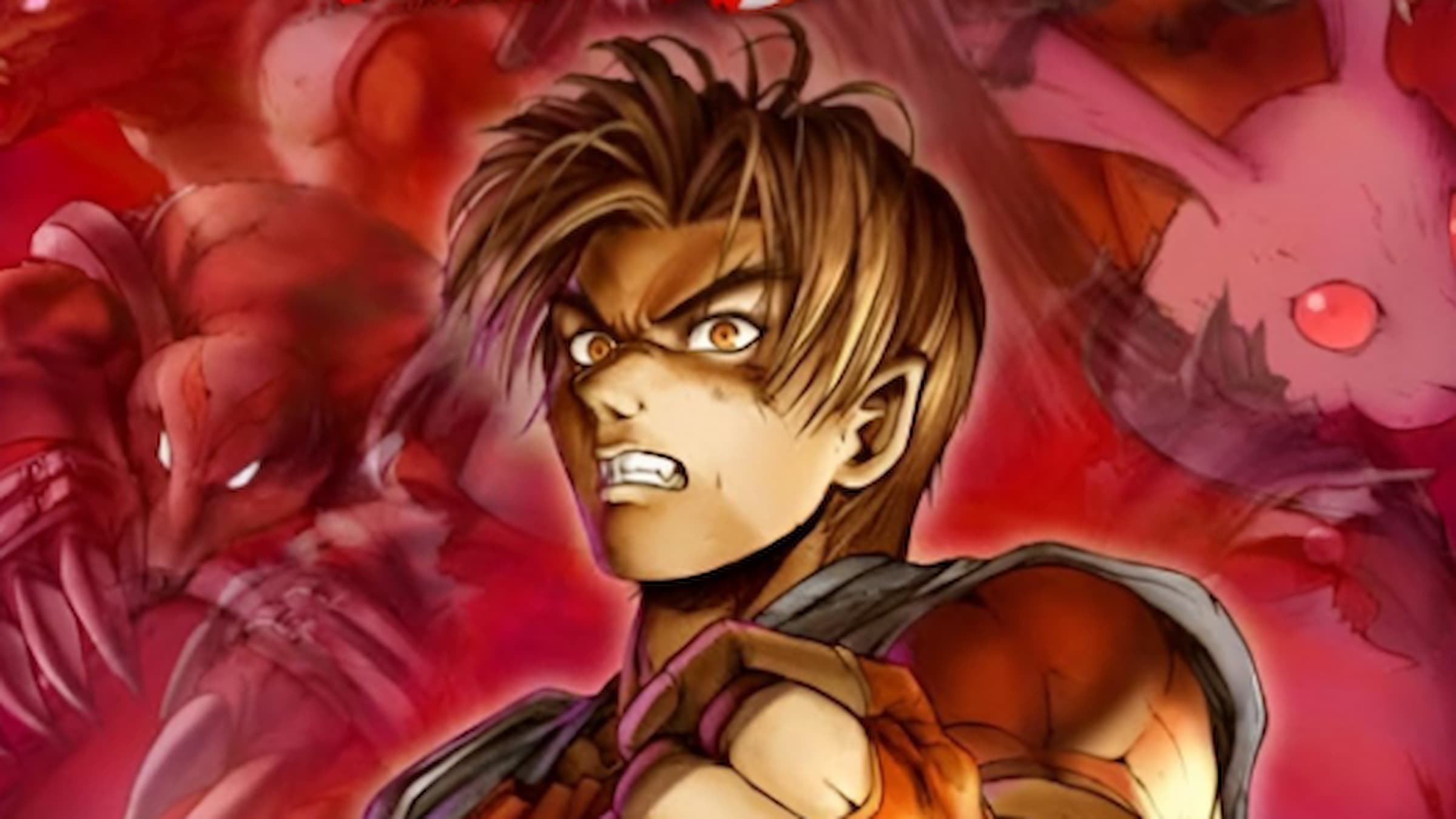
Fighting games have always changed with the times. Early games were built for arcades, then moved to home consoles, and stayed popular thanks to competitive players. Some series, like Street Fighter and Tekken, have stayed relevant for decades, while others had their moment and then disappeared. These days, Street Fighter and Tekken are usually the first games people think of when talking about fighting games.
If you grew up playing fighting games in the late 90s and early 2000s, you probably remember a lot of different series. Some of them really stood out, offering unique gameplay, style, or just a memorable feel. One example is Bloody Roar, which combined classic fighting game elements with a cool feature: characters could transform! Despite being popular and different, the series hasn’t had a new game in over two decades.
Bloody Roar and Its Unique Identity
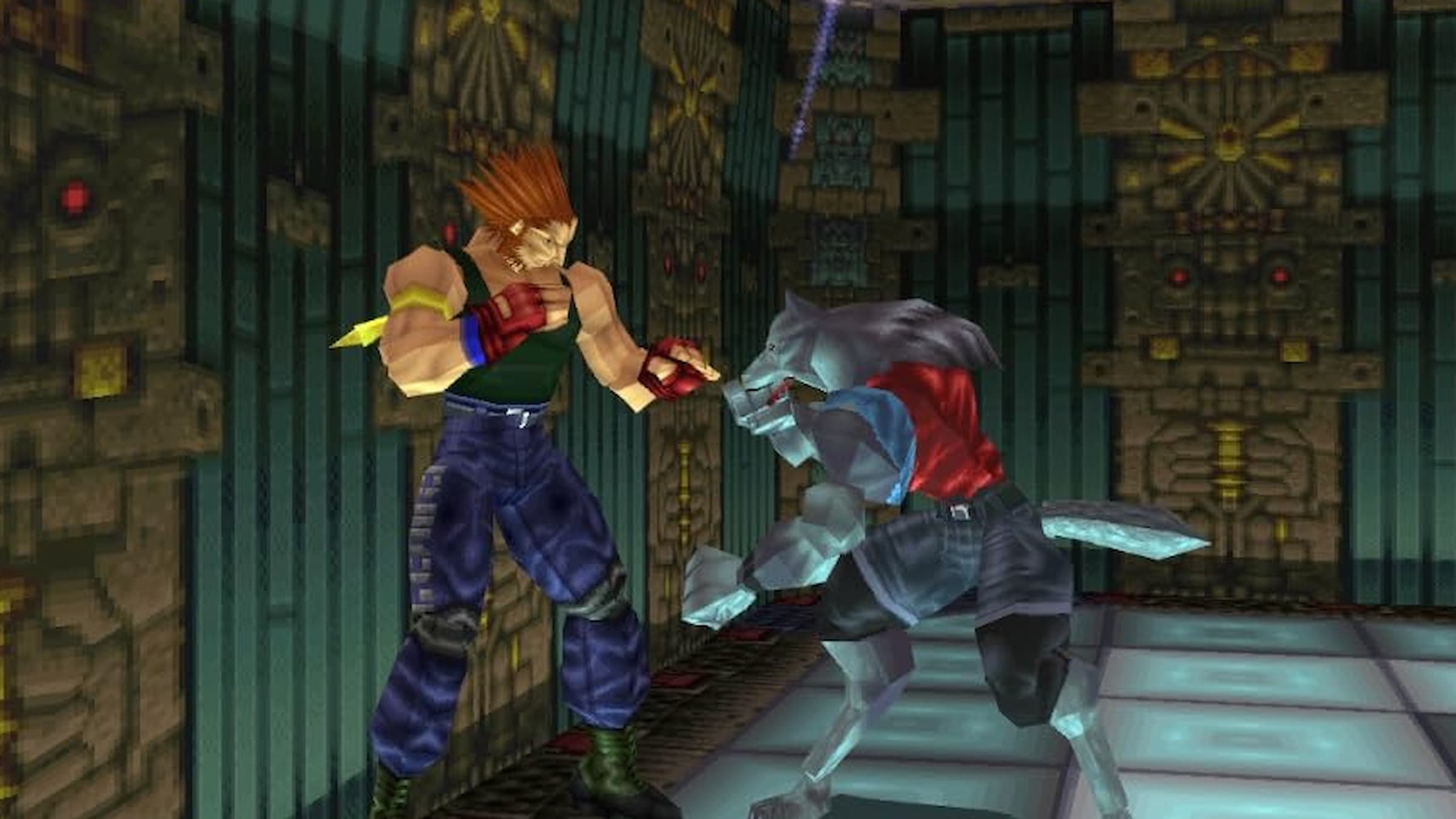
I immediately noticed Bloody Roar because it was truly unique. Originally released in 1997, the game pioneered the idea of fighters transforming into strong animal forms during battles. These weren’t just visual changes; the transformations completely altered a character’s attacks, increased the damage they dealt, and added new strategies to the gameplay, fundamentally changing how matches were fought.
I’ll never forget the first time I transformed into a beast in the game. It felt like something out of a movie – a huge, impactful moment that instantly made me realize how amazing the game was. Bloody Roar wasn’t just about stringing together attacks; it was a game of strategy, requiring careful timing, managing your resources, and applying pressure. Knowing when to unleash your beast form could completely turn the tide of a battle.
Beyond just its fighting gameplay, Bloody Roar had a unique feel. The characters were designed with a blend of anime style and a more mature, gritty look. Each fighter’s personality was strongly connected to their animal form – whether they transformed into a wolf, tiger, or other beast. This consistent theme helped the game differentiate itself in a market full of fighting games.
How It Compared to Other Fighters of Its Era
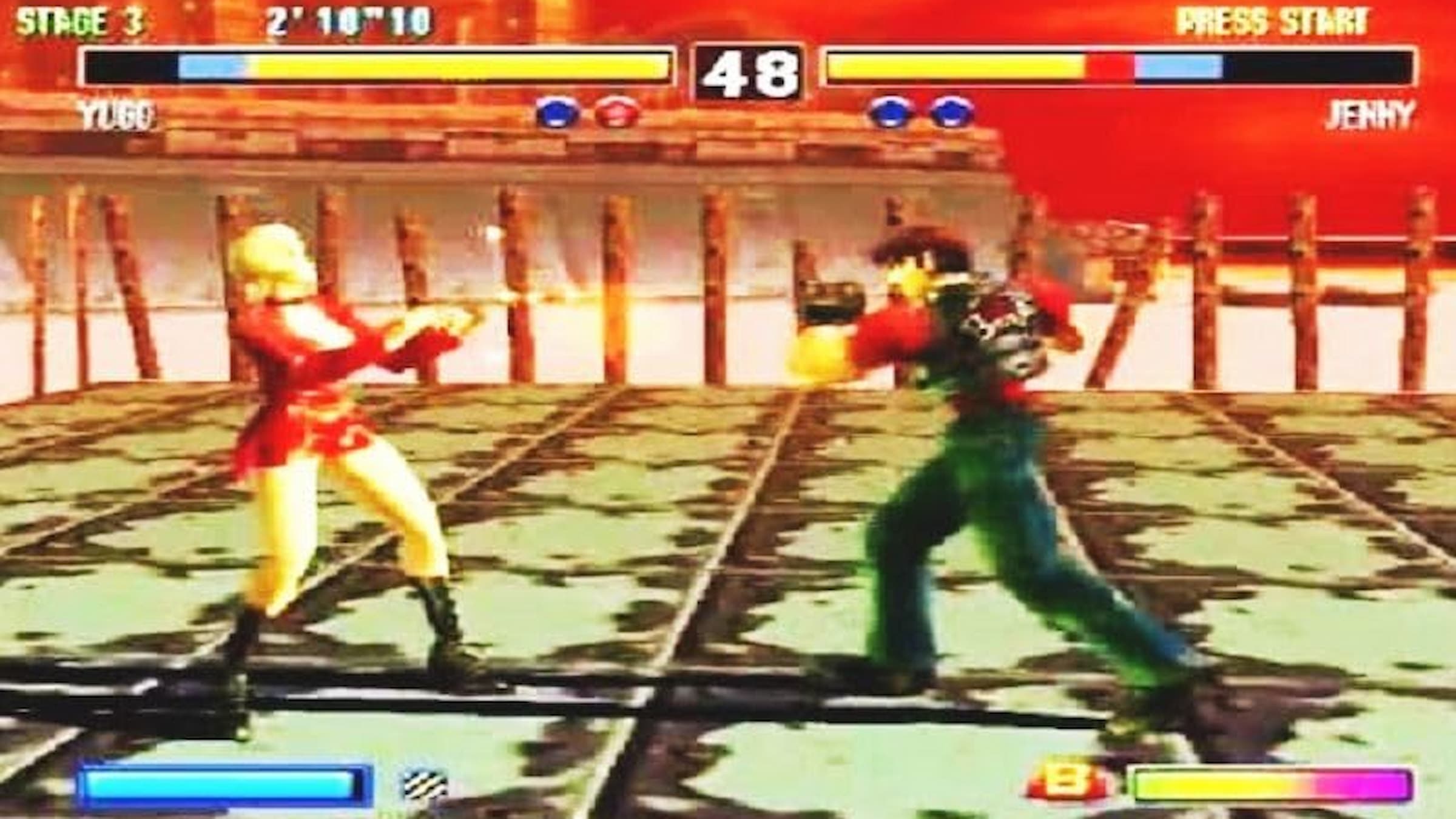
At its most popular, Bloody Roar competed with major 3D fighting games like Tekken and Soulcalibur – titles that shaped the genre for a generation and still do. Tekken was known for its precise controls and skillful play, while Soulcalibur highlighted weapon combat and smooth character movement. With these two games dominating the scene, it’s easy to see why Bloody Roar, though unique, faded from the memory of many fighting game fans.
Despite sharing a similar perspective to other fighting games, Bloody Roar felt quicker and more action-packed. Instead of knocking opponents out of the arena, attacks damaged the environment itself. Players were rewarded for aggressive tactics over defensive ones. The unique beast system created exciting swings in momentum, something many other games didn’t offer. Bloody Roar prioritized intense, fast-paced action, making it a favorite for players seeking an immediately exciting fighting game experience.
I always thought Bloody Roar was different from other fighting games. While Tekken slowly got more complex and Soulcalibur focused on cool weapons and a good story, Bloody Roar just went all-in on being visually amazing without messing up the actual gameplay. But looking back, that might have been its downfall. As fighting games became more about big tournaments, things like balance and how long a game stayed popular became super important. Tekken, Soulcalibur, and even Street Fighter kept changing and improving, but Bloody Roar just couldn’t seem to find its footing as the scene evolved.
Why Bloody Roar Deserves a Return
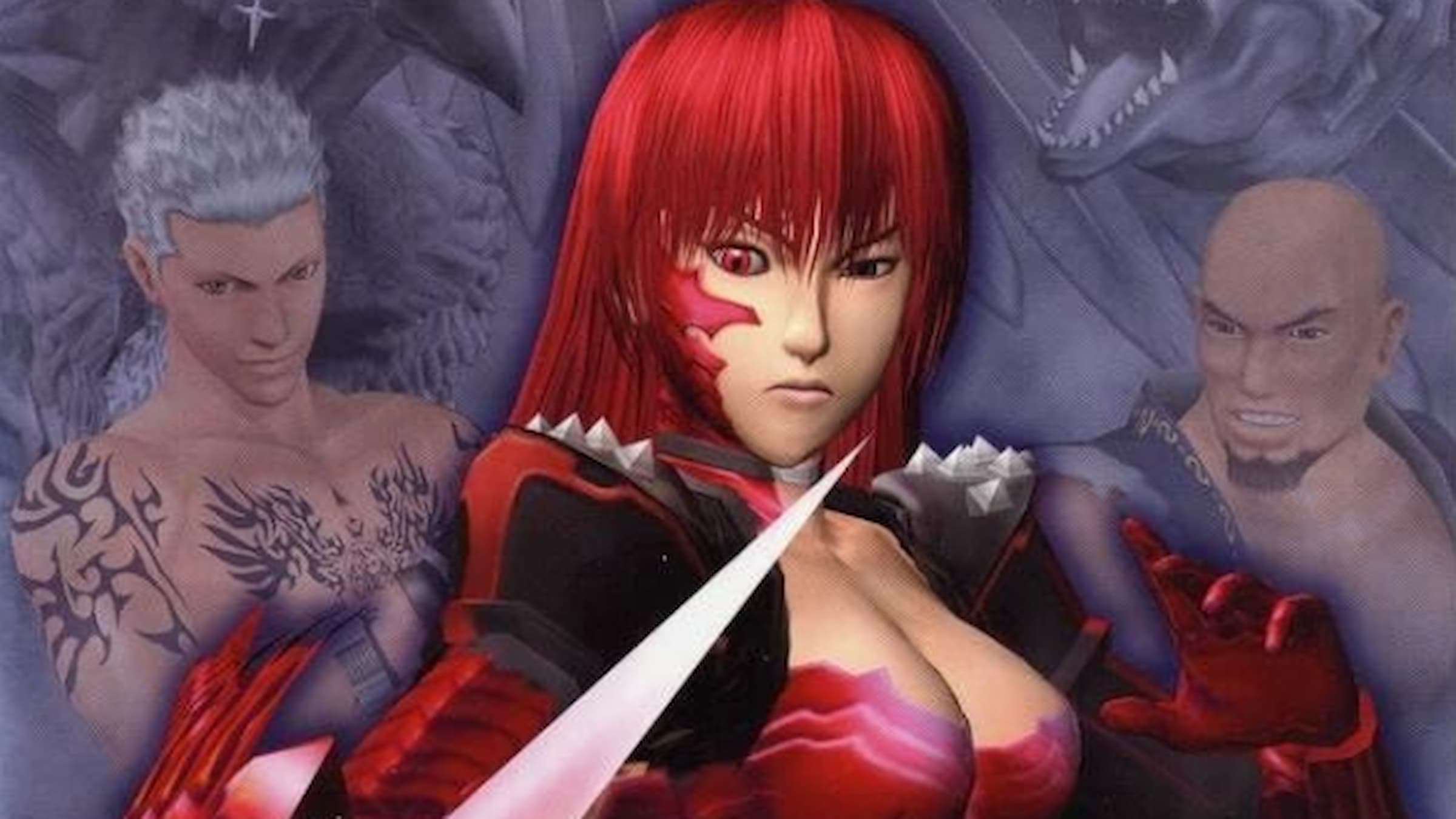
The last main installment, Bloody Roar 4, came out in 2003. While it was well-received, the series faded away after that. However, the fighting game world today is much more varied. We’ve seen successful comebacks for older games, whether through updates to gameplay or complete remakes that stay true to the original. Now seems like the perfect time to bring Bloody Roar back.
The game could be improved with updated balancing and online features to support long-term competitive play. But what really sets it apart is its unique transformation system – no other fighting game changes gameplay so dramatically during a match.
The game has a built-in audience: longtime fans are excited to see Bloody Roar return, and a new generation of players is increasingly interested in unique fighting games. A successful revival could connect these different groups, similar to what we’ve seen with other classic game series. Plus, modern gaming technology would allow for even more spectacular transformations, really highlighting what makes Bloody Roar special.
After over twenty years, it’s a shame that Bloody Roar hasn’t made a comeback. The game had a unique style, introduced exciting new gameplay ideas, and is still remembered fondly by fans. In a fighting game world that’s always changing, Bloody Roar is perfectly set up for a successful return. I’d be thrilled to see this beloved series make a triumphant comeback and stand alongside the long-established giants of the genre.
What do you think? Leave a comment below and join the conversation now in the ComicBook Forum!
Read More
- Looks Like SEGA Is Reheating PS5, PS4 Fan Favourite Sonic Frontiers in Definitive Edition
- Pluribus Star Rhea Seehorn Weighs In On That First Kiss
- Dune 3 Gets the Huge Update Fans Have Been Waiting For
- Kelly Osbourne Slams “Disgusting” Comments on Her Appearance
- Gold Rate Forecast
- Arknights: Endfield – Everything You Need to Know Before You Jump In
- Tomodachi Life: Living the Dream ‘Welcome Version’ demo now available
- The Smiling Friends’ Creators Have Bad News For Fans
- Why Eriksholm: The Stolen Dream Could Be 2025’s Standout Stealth Experience
- Dungeon Stalkers to end service on June 9
2026-01-03 21:14