
At Awesome Con in Washington, D.C., Nathan Fillion and most of the original cast revealed that a new animated Firefly series is in development. The show will take place between the end of the original 2002 TV series and the 2005 movie Serenity, and Fillion confirmed he has Joss Whedon’s approval. Fillion’s production company, Collision33, is working with 20th Television Animation on the project. Tara Butters and Marc Guggenheim, both experienced TV writers and producers, will be the showrunners, and they’ve already finished a script. The animation will be done by ShadowMachine, the award-winning studio behind Guillermo del Toro’s Pinocchio. However, the new season will need to address some potentially tricky decisions regarding the show’s established story.
Fox cancelled the show Firefly after only 11 of its 14 episodes aired, leaving the story unfinished. But the Firefly world didn’t end there. Starting in 2005, Dark Horse Comics released official comics that continued the story, with one series directly connecting the TV show to the movie Serenity. In 2018, Titan Books began publishing authorized Firefly novels, with Joss Whedon overseeing the project. Later that year, Boom! Studios took over the comics license and launched a new series meant to continue the story from both the TV show and the earlier Dark Horse comics. Unfortunately, Boom! Studios didn’t always follow the storylines established by Dark Horse. This means the new animated series is entering a franchise where what’s considered official story material is already inconsistent – a problem Star Wars faced before and addressed with a divisive choice.
Star Wars‘ Extended Canon Once Became Unmanageable
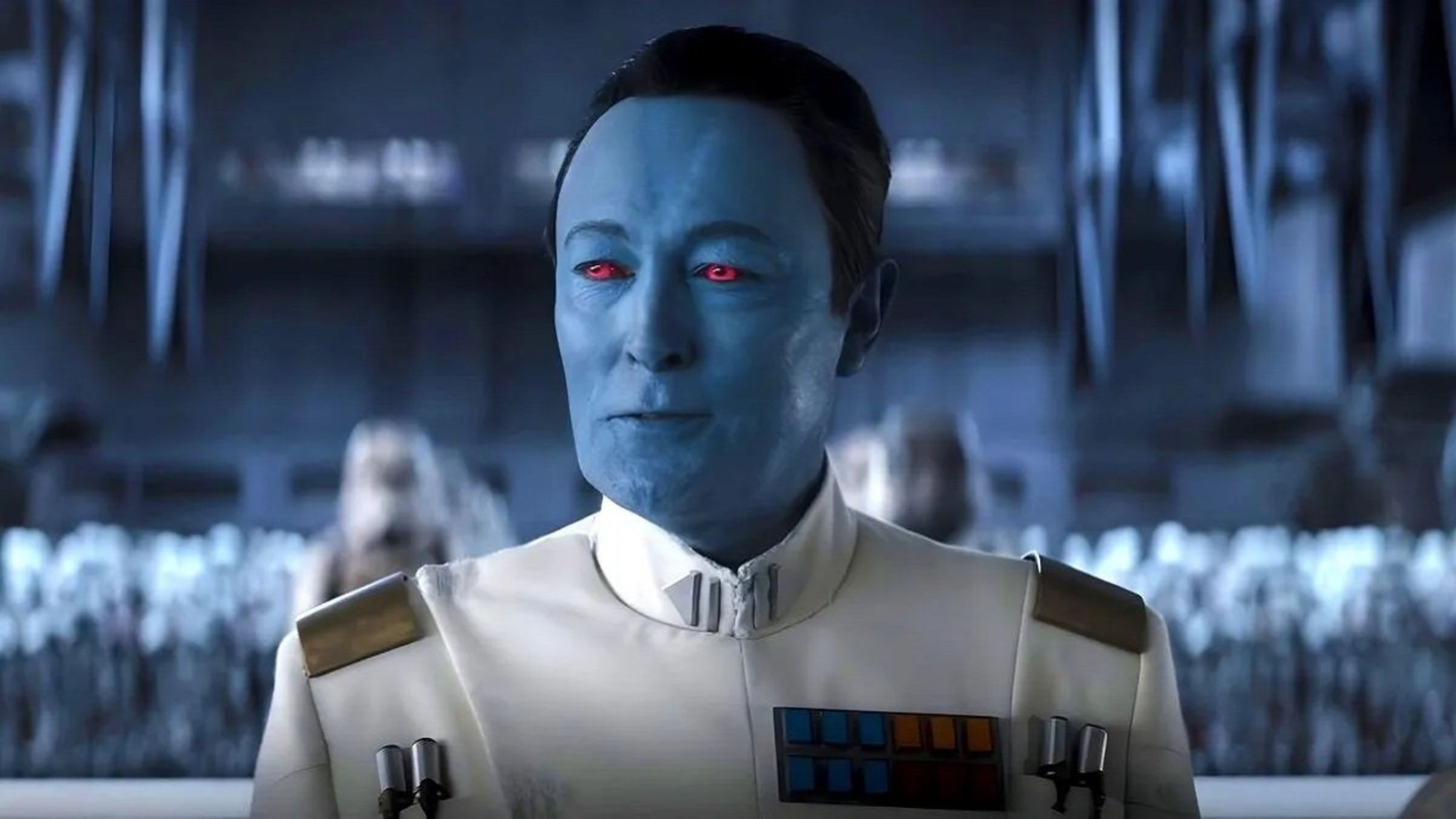
For almost forty years, before Disney bought Lucasfilm in 2012, the world of Star Wars expanded far beyond the movies through a huge collection of licensed books, games, and comics. Published by companies like Del Rey, Bantam Spectra, and Dark Horse, these stories filled in all the gaps left by the films. Lucasfilm’s licensing division managed this material with a system that ranked how ‘official’ each story was – the movies were the most important, followed by novels and then games. Lower-ranked stories were expected to change if they contradicted something in a higher-ranked story. This created a wealth of extra storytelling and a passionate fanbase who loved characters like Mara Jade and Jacen Solo as much as those they saw on screen.
The weakness of the original Star Wars storytelling approach became clear when a lot more stories started being created. The prequel movies immediately contradicted details already established in novels about the universe’s history and events. As more and more content was added, it became increasingly difficult to write new stories without accidentally conflicting with what had come before. By the time Disney started working on The Force Awakens, the existing collection of stories was so complex and interconnected that the filmmakers would have needed to be historians rather than creative writers to avoid breaking established continuity.
In April 2014, the vast collection of previously published Star Wars stories was rebranded as Star Wars Legends. This created a separate timeline that still existed within the Star Wars universe, but was no longer considered official canon. This change gave new storytellers complete freedom, allowing them to rebuild the narrative after Return of the Jedi when Disney took over. Over the last ten years, content from Legends could be used as inspiration, referenced, or completely disregarded, depending on how well it fit the new storylines. For example, popular stories like the Thrawn trilogy and novels by Karen Traviss weren’t erased, but creators weren’t bound by them – they could pick and choose elements to use while ignoring the rest.
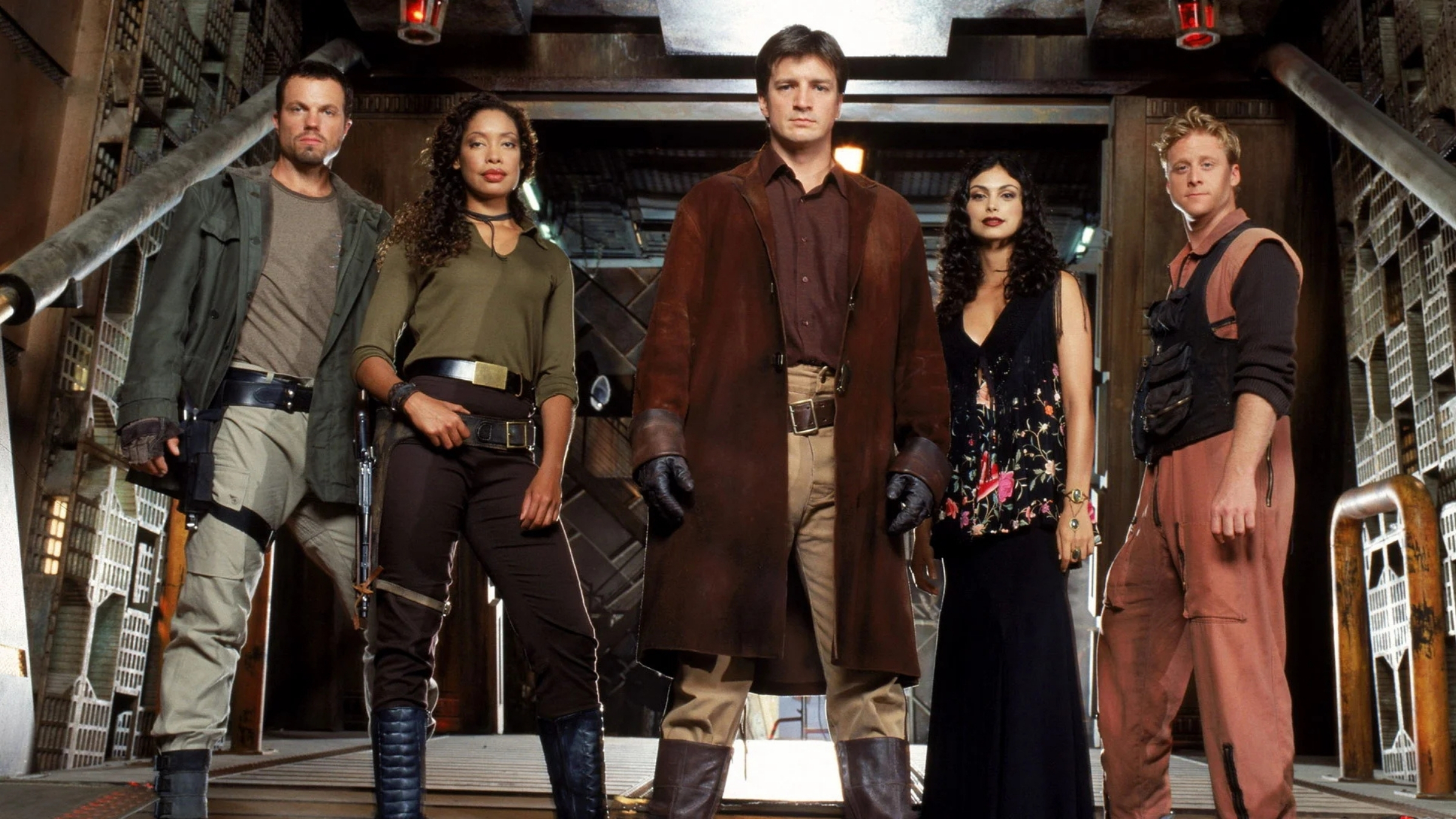
The recent changes to how ‘Legends’ content is categorized were a practical fix to an organizational issue, and the new ‘Firefly’ animated series is running into a similar problem. Because the series takes place between the live-action show and the movie ‘Serenity’, it will overlap with established storylines already created by different publishers. For example, the ‘Serenity: Those Left Behind’ comic book series was created specifically to address loose ends from the show – like why Inara left the crew and Shepherd Book departed the ship – and provide closure that the original series didn’t.
The upcoming animated Firefly series has a tricky continuity issue to address. It needs to either fit with what’s already been established in the original show, directly change it, or officially state what parts it’s ignoring. The showrunners, who have experience with franchise television, are good at handling complicated timelines, but what this series really needs is a clear decision about which past events are considered official and which can be reimagined. Without that decision, the new series could be burdened with two decades of conflicting storylines even before the first episode.
Do you worry that the extensive backstory of Firefly might make the new animated series too complicated? Or do you trust the creators, Guggenheim and Butters, to handle it well? Share your thoughts in the comments and join the discussion on the ComicBook Forum!
Read More
- Gold Rate Forecast
- Looks Like SEGA Is Reheating PS5, PS4 Fan Favourite Sonic Frontiers in Definitive Edition
- Pluribus Star Rhea Seehorn Weighs In On That First Kiss
- Arknights: Endfield – Everything You Need to Know Before You Jump In
- Dune 3 Gets the Huge Update Fans Have Been Waiting For
- 10 Steamiest Erotic Thriller Movies of the 21st Century
- Antiferromagnetic Oscillators: Unlocking Stable Spin Dynamics
- 22 actors who were almost James Bond – and why they missed out on playing 007
- 5 Weakest Akatsuki Members in Naruto, Ranked
- Action Comics #1096 is Fun Jumping-On Point for Superman Fans (Review)
2026-03-28 00:14