
This has to make for some awkward reading at the Microsoft coffee table.
Time Magazine recently released its yearly “Person of the Year” issue. This tradition started in 1927 and has featured people who have most influenced the world each year, whether positively or negatively.
Time Magazine’s “Person of the Year” has recognized a diverse range of influential figures throughout history. Past honorees include world leaders such as Donald Trump, Barack Obama, and Franklin D. Roosevelt, as well as activists like Greta Thunberg and Nelson Mandela. The title has also been given to prominent scientists and innovators, including Elon Musk and Andrew Grove, the former CEO of Intel and a key figure in the development of the microchip.
Time magazine’s “Person of the Year” for this year isn’t a single person, but the people behind artificial intelligence, dubbed “The Architects of AI.” The cover image is a modern take on the classic “Lunch Atop a Skyscraper” photo, showing workers precariously balanced high above New York City. While the image is meant to symbolize the risks of AI and a possible stock market crash, a key detail is missing that reveals why Microsoft is struggling to stay competitive in the field.

This photo shows eight leaders in the fields of technology, servers, and artificial intelligence. Pictured from left to right are Mark Zuckerberg (Facebook), Lisa Su (AMD), Elon Musk (xAI and Grok), Jensen Huang (NVIDIA), Sam Altman (OpenAI and ChatGPT), Demis Hassabis (Google DeepMind), Dario Amodei (Anthropic and Claude), and Fei-Fei Li, a leading AI researcher.
Notice any particular absences?
The individuals shown here all provide the funding and resources needed to create the most advanced AI models available today, like ChatGPT, Claude, Llama, Grok, and Google Gemini. The absence of Microsoft AI, led by Mustafa Suleyman and with CEO Satya Nadella’s support, highlights how much Microsoft lags behind in cutting-edge AI research.
Microsoft is essentially acting like an investment bank with its current AI offerings. It’s reselling NVIDIA graphics cards through its Azure cloud service and offering ChatGPT as part of its Copilot product. While Microsoft is developing its own AI models like MAI, they aren’t widely used and have limited access for developers. Microsoft also hasn’t publicly shared performance data for these models.
Microsoft’s limited presence highlights that the company isn’t currently a leader in the artificial intelligence field – they’re operating more behind the scenes.
Forced integrations and investments aside, is Microsoft actually serious about AI?
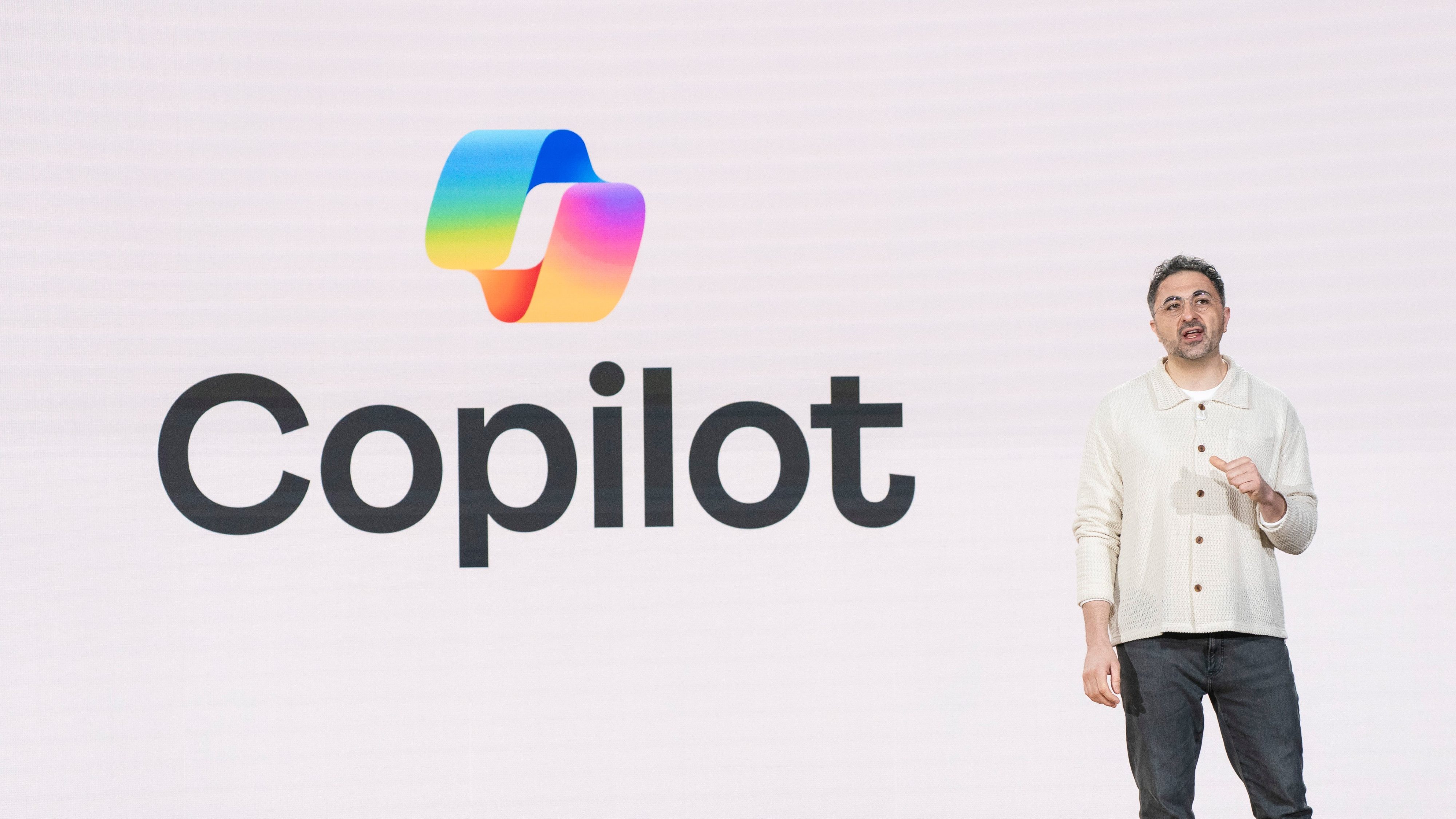
I recently discussed how Microsoft’s clumsy and reactive approach to artificial intelligence could harm its customers. It’s definitely damaging the reputation of Windows as well.
Dislike of Windows 11 is becoming widespread, and the way Microsoft is pushing its Copilot AI features—even into simple programs like Word and Notepad—is damaging the company’s reputation. It’s not just that people dislike AI in general; Microsoft’s AI products simply aren’t performing well.
It’s unclear what changes Microsoft made, but Copilot, their version of ChatGPT, doesn’t seem to perform as well as the original ChatGPT. Also, the AI-powered photo editing features in Microsoft Photos are noticeably worse than those offered by Google or Samsung on Android phones.
As a big fan, I’ve always been frustrated with how Outlook and Edge integrations just don’t measure up to what Google and Chrome offer. And honestly, Xbox’s “Gaming Copilot” feels like it’s just guessing when it can’t find info on a game’s official site – it tries to create answers out of nowhere, which is pretty annoying!
Microsoft CEO Satya Nadella has often stated his goal of making AI central to the company. However, Microsoft hasn’t yet released any truly groundbreaking or helpful AI products. Recent features like Windows Recall, which raised privacy concerns, and Click-To-Do haven’t generated much excitement among users.
The current situation with Microsoft’s AI efforts feels strikingly similar to the failure of Windows Phone. Just like their previous partnership with Nokia, which caused internal conflict while competitors sped ahead, Microsoft’s collaboration with OpenAI seems to be experiencing friction. Windows Phone ultimately failed because of short-sighted decisions and a lack of full commitment, and we’re now seeing a similar pattern with Microsoft’s AI products – a rush to release unfinished features without a clear, consistent strategy.
People are trying out AI tools like Github Copilot and Microsoft Copilot, but Microsoft appears to be focusing on creating more affordable, though less powerful, versions of these technologies, similar to what they’ve done with products like Outlook and Teams. They seem to prioritize being competitive on price rather than leading with top-of-the-line quality.
Considering the high costs of operating AI, it’s uncertain whether this approach will ultimately be successful for the field.
Read More
- The Super Mario Galaxy Movie: 50 Easter Eggs, References & Major Cameos Explained
- 10 Best Free Games on Steam in 2026, Ranked
- Sydney Sweeney’s The Housemaid 2 Sets Streaming Release Date
- All 13 Smash Bros. Characters in the Super Mario Galaxy Movie
- Why is Tech Jacket gender-swapped in Invincible season 4 and who voices her?
- Welcome to Demon School! Iruma-kun season 4 release schedule: When are new episodes on Crunchyroll?
- Forza Horizon 6 ‘Prologue’ gameplay
- Dune 3 Gets the Huge Update Fans Have Been Waiting For
- What happened to Soldier Boy in The Boys?
- WTH?! Twitter Drops Fake Daredevil: Born Again Season 2 Spoilers as Character Return Confirmed
2025-12-14 20:40