
Though its first showing at the Game Awards wasn’t ideal, players are eager to learn more about Highguard, the new first-person shooter from Wildlight Entertainment. The team behind the game has a strong background, having contributed to many popular gaming franchises. However, it wasn’t immediately obvious how Highguard would differentiate itself from other games in the genre. The developers focused on creating a unique experience, and the result is a game that builds on classic deathmatch gameplay with a lot of interesting new features.
I recently got a hands-on look at Highguard at a preview event in LA, and I was really impressed. It’s not just about building a base and gathering resources – those things are there, but they feed into something much cooler: unique siege battles. It really stands out from other games I’ve played. I chatted with the design and creative director, Jason Ford, and lead designer, Carlos Panetta, about how the game has changed during development. They even talked about how they took unexpected glitches and turned them into fun gameplay features – which is awesome!
Breaking Down The Inspiration Behind Highguard
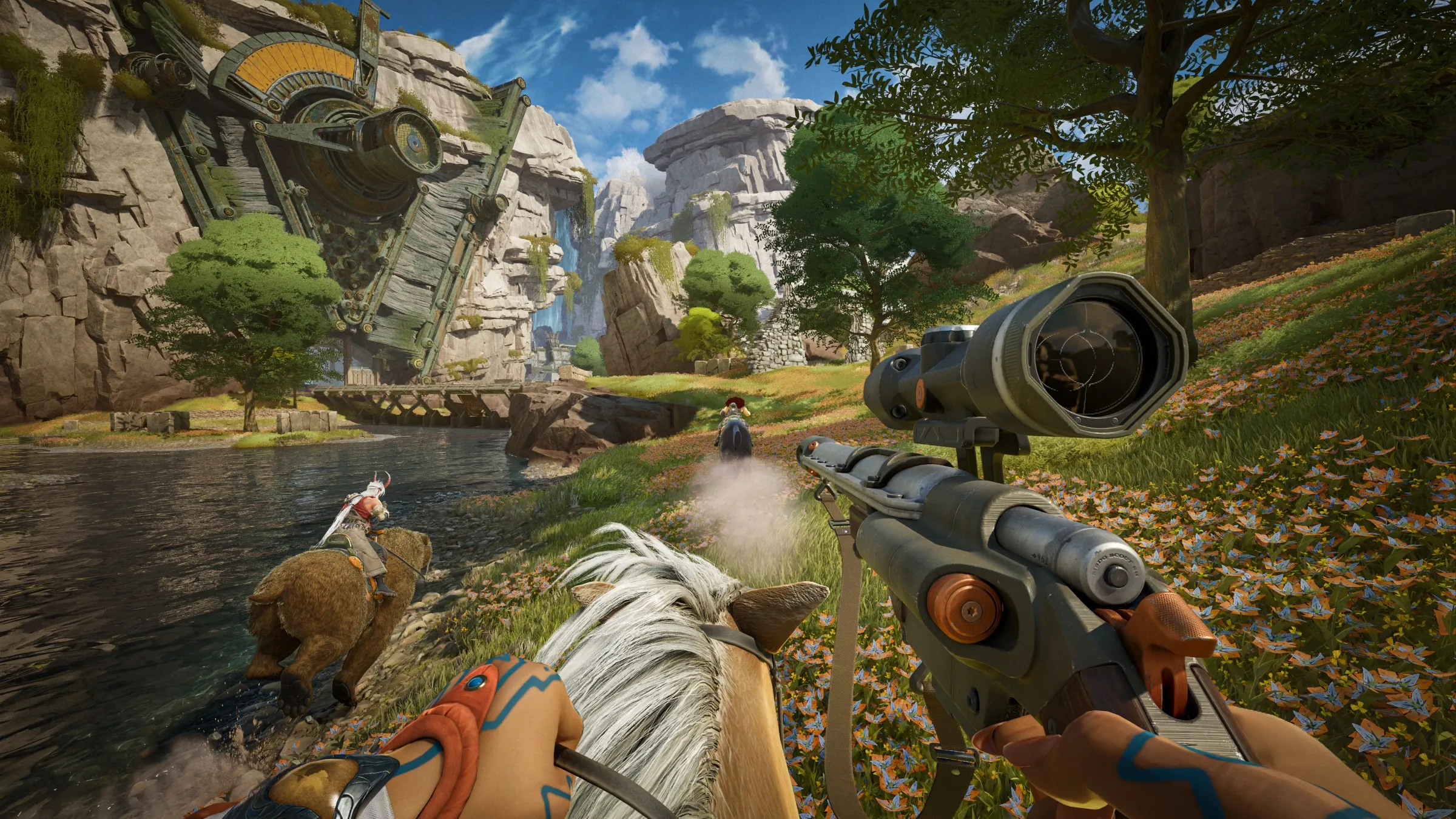
Highguard is a team-based game where players raid each other’s bases. Two teams of three compete for the Shieldbreaker, a powerful sword that weakens enemy defenses. Once a team captures the Shieldbreaker and brings it to the enemy base, a large-scale battle begins: the attackers try to destroy key parts of the base, while the defenders try to stop them. A match typically lasts between one and four rounds, depending on how well the attacking or defending team performs.
Highguard offers a fresh take on online competition, emphasizing both strong teamwork and direct player-versus-player combat. According to developer Panetta, the game’s design evolved through a process of trying out different ideas and studying other popular games. They wanted to create something new that would stand out. Knowing they enjoyed and excelled at multiplayer online games, the team researched what was already available, playing titles like Sea of Thieves and Rust. They even asked what games were popular with younger players, discovering Bed Wars, which further informed their design process. The core idea was always to understand what made other games appealing and build something unique from that foundation.
Both Panetta and Ford explained that the game Rust heavily influenced their work on Highguard, particularly its focus on action. They did find Rust‘s progression to large-scale raids a bit slow, so they designed Highguard to capture the thrill of planning and executing attacks, but much faster. This emphasis on quick action was a core part of their design philosophy, inspired by the fast pace of games like Apex. However, they also had to consider the speed of Highguard and deliberately include slower moments that focused on skillful movement and managing resources. They even questioned whether they could create a slower-paced game, as playtesters consistently asked for more athletic gameplay, faster kills, and better escape options. Ultimately, they sped things up based on that feedback.
The development team sped up the game to match the scale of its world. This made both on-foot combat and gunfights while riding faster and more dynamic. They even discovered a unique way to move between these styles of play – a sliding dismount from their mounts. Initially a glitch, the team loved it and decided to keep it. As they refined the transitions between riding and on-foot movement, they realized how cool it was to quickly slide into cover while dismounting or quickly reposition using the mount, and embraced it as a key feature.
The Development Process Is Key To Game Design (And Helped Make Highguard Something Special)
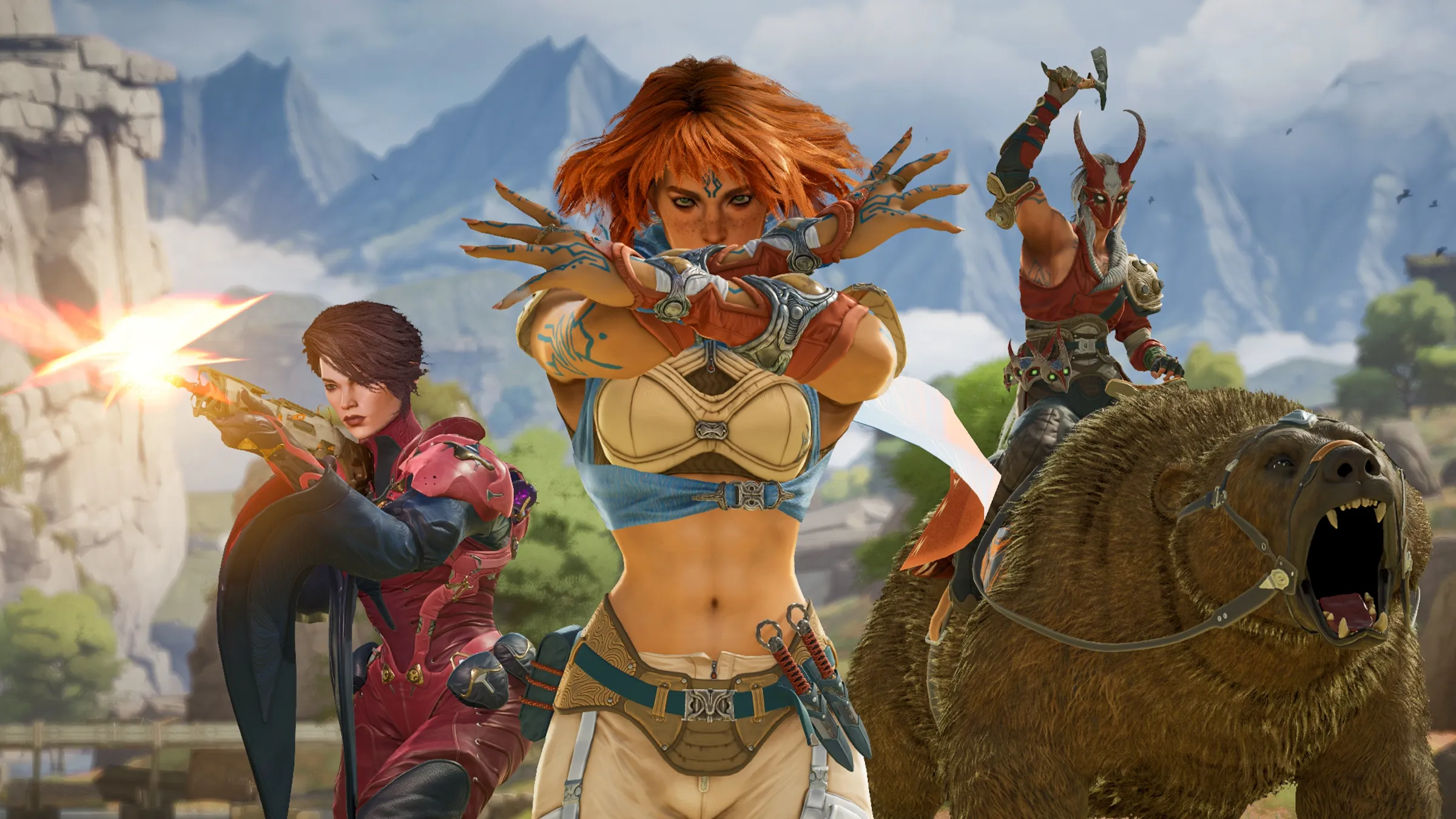
Unexpected discoveries are key to making a great game, and the team at Ford really embraced that approach. As Ford explained, they’ve learned from past experiences with games like Apex to trust the development process. They build a lot of prototypes, and often stumble upon exciting ideas by chance. When they find something fun, they prioritize it and build it into the game. It’s about recognizing those happy accidents and saying, ‘This is great – we have to include it!’
The way the game was developed was essential to perfecting Highguard’s core gameplay. The developers explained that even showing damage to the base itself was an idea that evolved during development. The mechanic of dealing damage with every action came about through playtesting; initial ideas of simply destroying the enemy base led to very long matches with no clear winner. Instead, they designed bases with specific, targetable points, and added ways to win by damaging shields or defending against attacks.
The creators of Highguard focused on making the game easy to pick up but still challenging to master. They started with a more complex design and intentionally removed elements to streamline the experience. For example, they initially included a traditional healing system similar to Apex Legends, but ultimately decided to remove it. According to Panetta, even though they had already created the necessary assets, the healing mechanic added unnecessary complexity and slowed down the gameplay. Players responded positively to the simplification, demonstrating that reducing complexity was a key goal, even when it meant making tough decisions.
The design of Highguard really shines in fast-paced matches, offering a lot for players to manage. While it can feel complex at times, the focus on quick attacks and solid defense actually improves the game in several ways. Battles are faster, competition is higher, and the overall experience is more engaging. During the preview, it was clear how well-crafted the game is, and it was exciting to discover new strategies. My teammates, even the more strategic players, had to adapt quickly. Defensive players could effectively fortify their base, while I found success by mastering the mounted movement and using the Shieldbreaker to swiftly navigate the mines and attack the enemy base. Ultimately, Highguard is a really enjoyable game, especially when your team works together seamlessly.
Highguard is a surprisingly deep game, despite being easy to pick up and play. The biggest challenge during development was finding the right balance between all its different elements. As developer Ford explained, the game went through many iterations where it just didn’t work. They struggled with unbalanced gameplay and map design, making it difficult to create a fun experience – especially since they were pioneering a new game style without existing examples to follow. However, the team’s experience allowed them to trust the development process. They focused on getting prototypes into players’ hands, gathering feedback, identifying problems, brainstorming solutions, testing those solutions, and then refining the game based on what worked best. Ford believes that consistently following this process is the key to success, even when facing significant hurdles. This was the most challenging development process he’s ever been through, but ultimately it led to a special and enjoyable game. They learned from each prototype, and that’s how they created something truly unique – you just need to trust the process.
Highguard is now available for Xbox Series S/X, PlayStation 5, and on PC
Read More
- Dune 3 Gets the Huge Update Fans Have Been Waiting For
- Gold Rate Forecast
- Looks Like SEGA Is Reheating PS5, PS4 Fan Favourite Sonic Frontiers in Definitive Edition
- Pluribus Star Rhea Seehorn Weighs In On That First Kiss
- Kelly Osbourne Slams “Disgusting” Comments on Her Appearance
- Antiferromagnetic Oscillators: Unlocking Stable Spin Dynamics
- Tomodachi Life: Living the Dream ‘Welcome Version’ demo now available
- Arknights: Endfield – Everything You Need to Know Before You Jump In
- One Street Fighter Character’s Return Absolves Almost 29 Years Of Bad Blood
- ‘If You Found It Boring, This Won’t Change That’: Starfield’s PS5 Port to Be Revealed Soon, But Don’t Expect Major Reinvention
2026-01-26 23:42