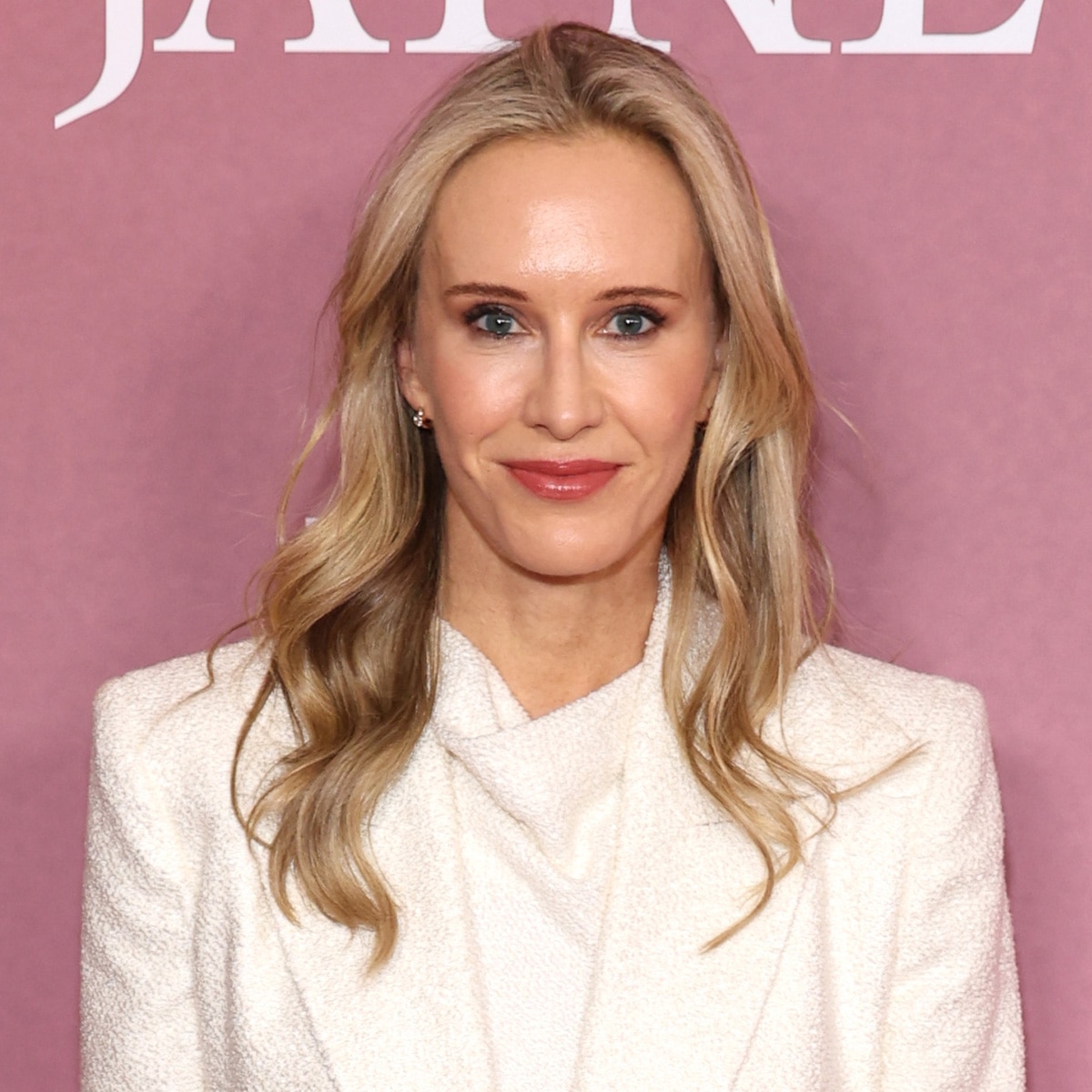
Content warning: This story discusses child sexual abuse.
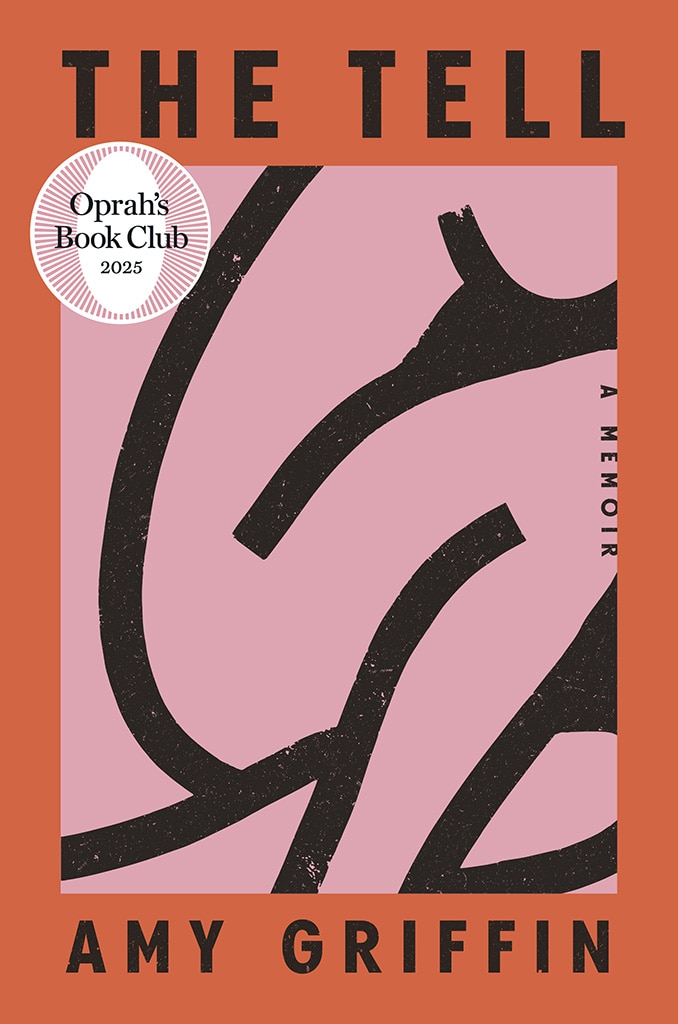
Does Amy Griffin‘s memoir The Tell actually tell the story of another woman’s trauma?
A venture capitalist is writing a book, expected to be a bestseller in 2025, detailing her journey of healing. In it, she recounts how therapy involving MDMA helped her remember and process traumatic experiences of sexual abuse by a teacher when she was a middle school student in Texas during the 1980s.
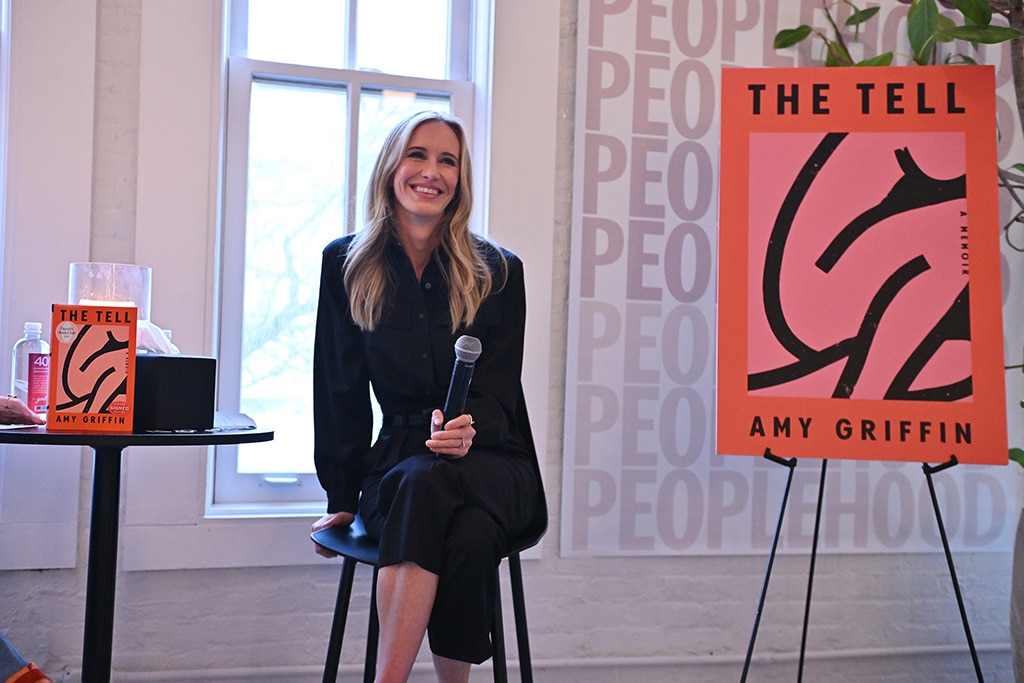
Last March, Oprah Winfrey, Reese Witherspoon, and Jenna Bush Hager joined the book tour launch celebration for Griffin. The event, held at the Ford Foundation Building in New York City, was hosted by Mariska Hargitay, star of Law & Order: SVU. Hargitay, a longtime supporter of survivors of sexual assault, also interviewed Griffin and later shared on Instagram how fortunate everyone was to hear and learn from her story.
In an essay written last April for TIME‘s 100 Most Influential People of 2025, Witherspoon shared how her friend first told her the story that forms the basis of her powerful memoir.
The Oscar-winning actress described watching a woman confront painful memories from her childhood. After unlocking long-hidden experiences of abuse, she began a remarkable process of understanding, mourning, and recovery.
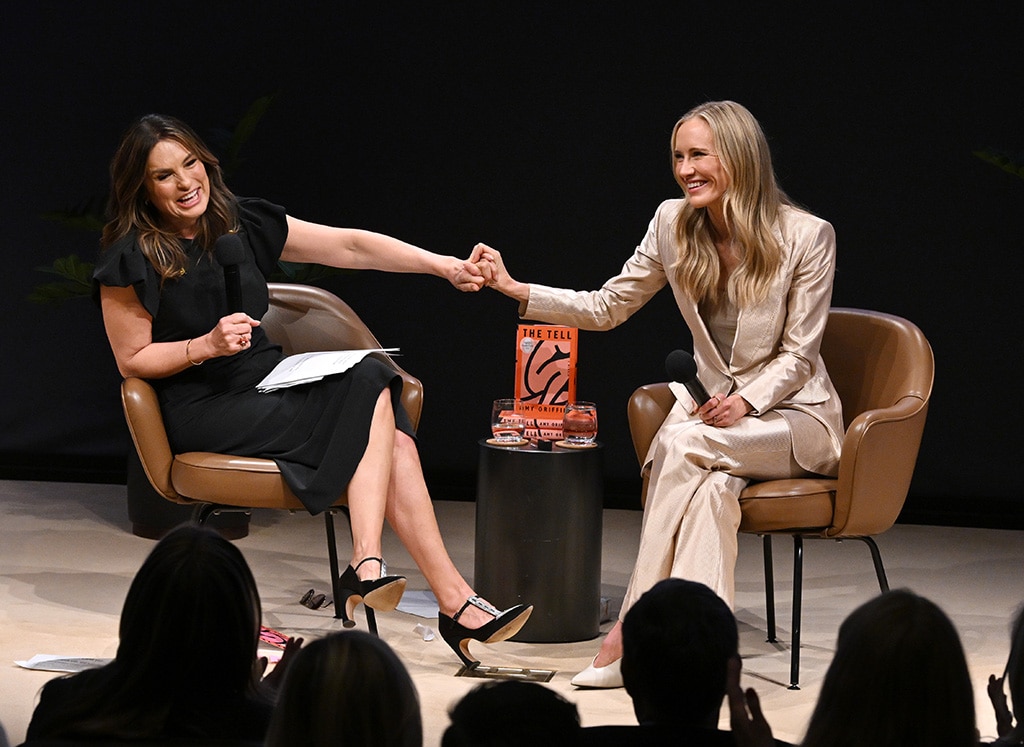
Featured in Vogue and heavily promoted by Oprah, Reese Witherspoon’s book club, and Jenna Bush Hager’s book club—Oprah even remarked it was the first time all three groups had aligned on a single title—The Tell quickly became a success, selling over 100,000 copies and remaining on the New York Times Hardcover Nonfiction best-seller list for four weeks.
I’ve seen this happen before – a story initially embraced with enthusiasm can quickly come under a microscope. After the initial positive response to Griffin’s account of abuse, people started to really dig in and question certain details. It’s a reminder that when sharing personal stories, especially sensitive ones, scrutiny often follows.
Who is Amy Griffin?
In her memoir, The Tell, Griffin shares her life story, from childhood in Amarillo, Texas—where she found comfort in running—to her adventures in New York City, marriage, raising four children, and launching her company, G9 Ventures.
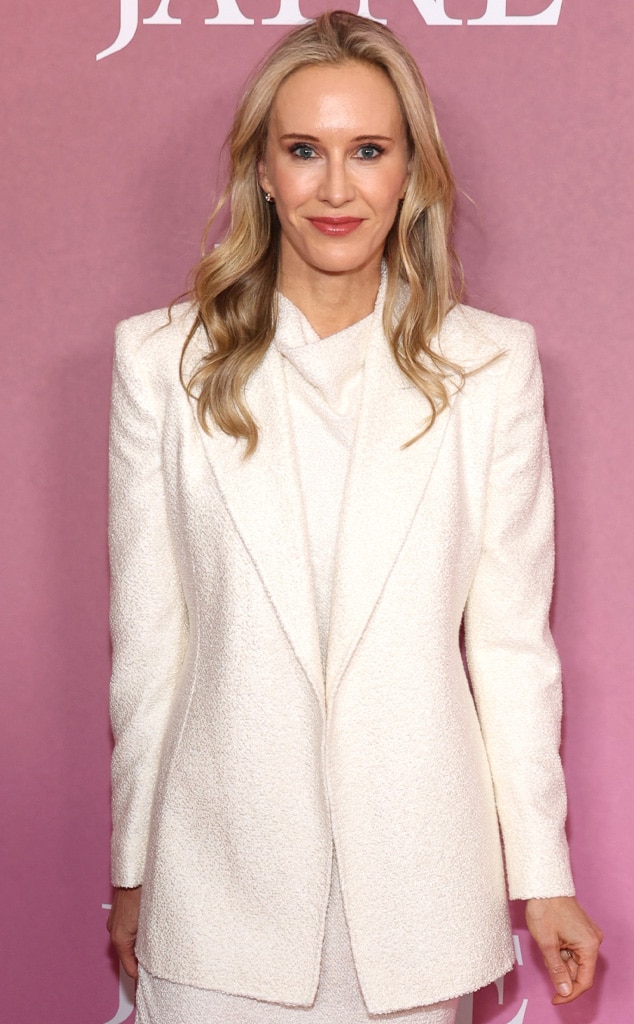
In her book, she explained that she felt compelled to keep running, as if escaping something. She wrote in the introduction that she ran to avoid confronting her emotions, stating, “I ran because I was afraid of what I would feel if I sat still.”
It completely shattered me when my little girl, she was only ten, looked at me one night and said, ‘Mom, this is hard to say, but… you don’t feel like you. You’re kind, sure, but it’s like you’re not really here.’ I honestly didn’t even know how to respond. It felt like everything just stopped.
The book explains that Griffin couldn’t access memories of her abuse until she started therapy using MDMA and began exploring her childhood experiences.
She wrote that she knew the memories were genuine, because her body remembered what had happened. Whenever she told her story, she would tremble, and even just hearing the name ‘Texas’ would bring her to tears.
Why did Amy Griffin’s memoir The Tell attract scrutiny?
The practice of recovering traumatic memories remains an inexact science.
Okay, so I was reading this article in USA Today, and this psychologist, Jim Hopper, totally gets it! He was talking about The Tell – you know, the show everyone’s buzzing about? – and how sometimes, things just…don’t click. He said people can go years, even decades, without having everything line up just right to remember something important. It’s like, all the pieces have to be there – the right situation, the right hints – and if they aren’t, the memory just stays hidden. It totally explains why everyone is so obsessed with figuring out what The Tell was actually about, and why it’s caused so much debate! It’s like our brains are desperately trying to unlock something!
Hopper explained that certain thoughts or beliefs might cause Griffin to remember something that didn’t actually occur. However, it’s also possible that something did happen to her, and she’s only now feeling comfortable enough to acknowledge it.
According to Rick Doblin, founder of the Multidisciplinary Association for Psychedelic Studies, the truth of an event – whether it actually occurred – isn’t important in therapy. He told the New York Times in September that people often create narratives to understand their experiences and give their lives meaning.
He explained that memories brought up by MDMA are frequently more about the feeling than the exact details. He believes even if the specific events recalled aren’t entirely accurate, the emotional experience itself is meaningful and can be helpful in therapy.
Last year, the New York Times reported that a former classmate of Griffin’s had also been attacked in similar locations, but by a different teacher. This classmate used a pseudonym when speaking to the paper. Despite this and the publication of Griffin’s book, The Tell, local law enforcement and state education officials confirmed that no other complaints were ever filed against the retired teacher during his 30 years in the district.
Who is suing Amy Griffin?
On March 4th, Jane Doe filed a lawsuit against Griffin, claiming he falsely attributed her experiences to himself. The lawsuit alleges Griffin publicly shared details of a sexual assault, claiming they happened to him when they actually happened to Doe, causing her emotional distress and constituting an invasion of privacy and negligence.
According to his statement to TopMob News, Thomas A. Clare, Griffin’s lawyer, claims the New York Times created a false story about his client and her book, and deliberately designed the basis for what he considers a ridiculous lawsuit.
Clare explained that after two New York Times reporters initially brought the matter to the plaintiff’s attention, the plaintiff voluntarily chose to share her story with the world, becoming the main source for a New York Times article and appearing in photos with the publication. The Times, Clare continued, then actively promoted this inaccurate story even after receiving multiple warnings. They intend to prove the claims are without merit in court, and to highlight the flawed reporting by the New York Times that started the issue.
A NY Times spokeswoman told the Associated Press, “We’re confident in the accuracy of our reporting.”

In September, Clare told the Times that simply sending a list of questions for fact-checking had caused further trauma and significant emotional and physical harm to a sexual assault survivor, which she found unacceptable.
He stated that the Times had been misled by someone who fabricated stories, and that simply sharing an account of abuse doesn’t confirm it actually happened.
According to Griffin’s editor at The Dial Press, a Penguin Random House imprint, publishers don’t fact-check memoirs. They rely on authors, like Amy, to honestly share their recollections. As the editor told the Times, ‘We trust her, and all of our authors, that they are recounting their memories truthfully.’
According to reports in the Times and the Associated Press, Jane Doe’s lawsuit states that the dress she wore to an eighth-grade dance—borrowed from a friend named Griffin—was stained after she was assaulted, and she returned it to Griffin in that condition.
In her memoir, The Tell, Griffin recounts lending a dress to a classmate, referred to as Claudia, for a dance. After beginning therapy with MDMA, Griffin felt compelled to reconnect with Claudia. When they met, Griffin asked if Claudia had also experienced abuse by the teacher Griffin had accused of assault, but Claudia stated that she had not.
Clare explained to the New York Times that the student they spoke with wasn’t the Claudia featured in the book.
According to the New York Times, Jane Doe alleges that she spoke with Griffin about her childhood in Amarillo while having coffee in 2019. Later, in 2022, a producer reached out, expressing interest in turning her life story into a movie or television show.
According to the lawsuit, the plaintiff shared details of abuse she experienced in middle school, after which the producer stopped communicating with her.
Jane Doe’s lawyer, Zachary Rosenblatt, stated that his client suffered considerable harm because private information was revealed without permission. He believes they have a solid legal basis for a privacy lawsuit and intends to vigorously pursue all legal options, including taking the case to court.
In the afterword to The Tell, Griffin explains that the book draws on personal sources, including her journals, recollections of conversations with loved ones, notes from medical appointments, and scenes she recreated from memory.
Where is Amy Griffin now?
Despite the recent controversy surrounding her book – which she hasn’t addressed publicly – Griffin has continued to appear in public. She recently posted a photo on Instagram with Reese Witherspoon, celebrating the actress’s 50th birthday on March 23rd.
I had the best night ever with you! And that’s saying something, considering all the great nights we’ve had,” Reese Witherspoon wrote in a comment.
Read More
- Gold Rate Forecast
- Dune 3 Gets the Huge Update Fans Have Been Waiting For
- Looks Like SEGA Is Reheating PS5, PS4 Fan Favourite Sonic Frontiers in Definitive Edition
- Pluribus Star Rhea Seehorn Weighs In On That First Kiss
- Kelly Osbourne Slams “Disgusting” Comments on Her Appearance
- Arknights: Endfield – Everything You Need to Know Before You Jump In
- 22 actors who were almost James Bond – and why they missed out on playing 007
- Action Comics #1096 is Fun Jumping-On Point for Superman Fans (Review)
- Antiferromagnetic Oscillators: Unlocking Stable Spin Dynamics
- 10 Steamiest Erotic Thriller Movies of the 21st Century
2026-03-28 15:18