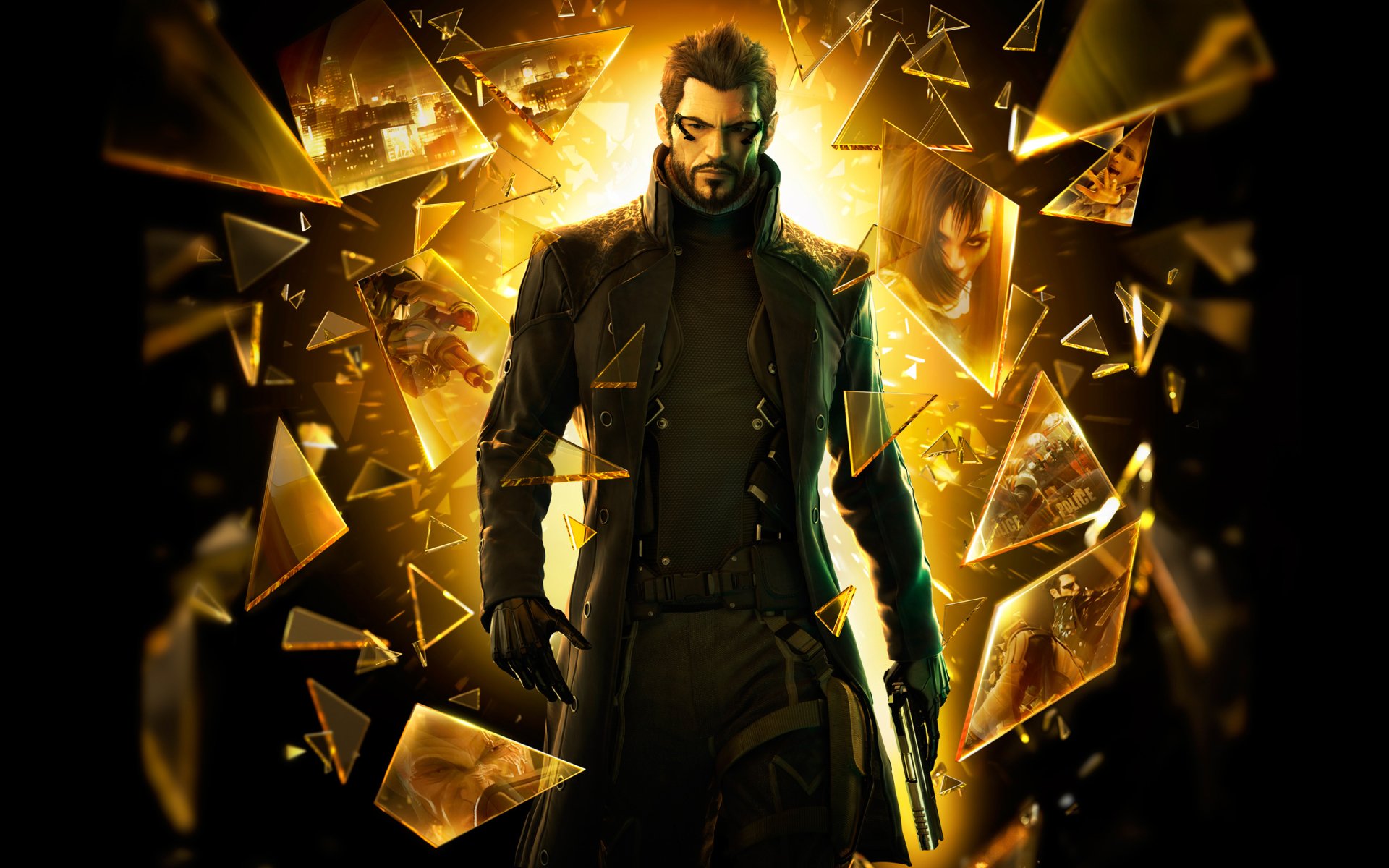
We often get asked what makes a game truly great. And the truth is, it’s a matter of opinion! Everyone has different tastes, so what one person loves, another might not. But generally, amazing games either really stand out in one particular area, or they’re consistently good across the board, earning the positive or negative feedback they receive.
Occasionally, a game comes along that tries to blend the most successful features from different genres, creating something truly new and memorable. While we’ve seen some excellent games attempt this recently, Deus Ex: Mankind Divided stands out as something truly unique.
What makes this game special? While other titles have tried, none quite capture the same feeling. Let’s explore what creates such a memorable experience – a beautifully connected system of gameplay set in a dark, futuristic world where the line between humans and machines is blurring.
Following up on the dramatic ending of Human Revolution was a tough task, and Mankind Divided smartly avoids directly addressing it. This allows the game to tell a more streamlined story while still offering the gameplay players already enjoy, with some fresh additions and surprises.
Let’s concentrate on the story itself. After the violent events of the last game, Mankind Divided jumps forward in time, showing the consequences and using them as a way to explore some challenging ideas.
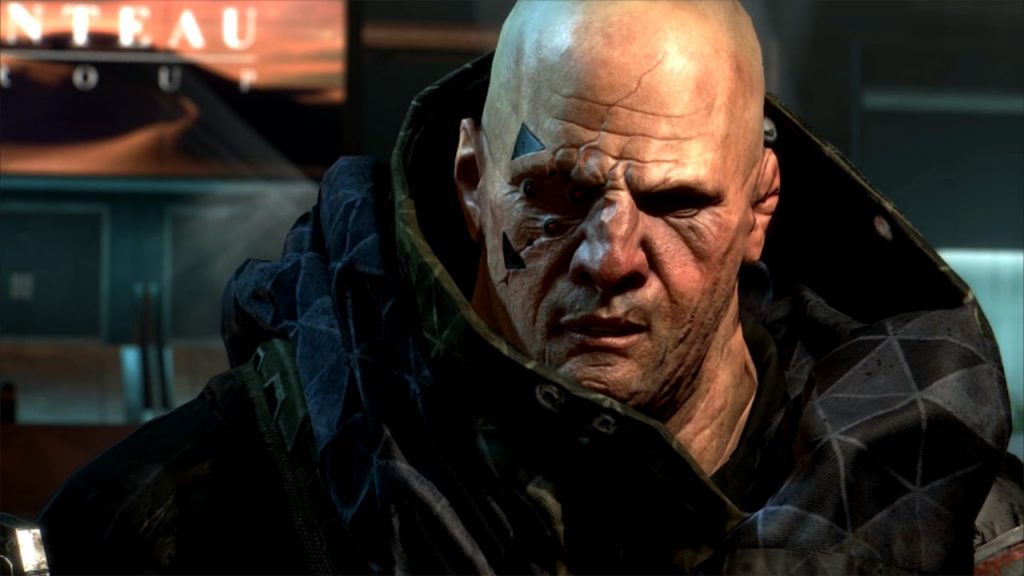
The game delivers a tough, often bleak story where Adam Jensen returns with upgraded abilities, ready for a new, high-stakes adventure. The plot revolves around the future of all people with augmentations, though this central theme unfolds gradually as the story progresses.
The way this is set up instantly creates tension and connects directly to your previous choices. Every decision you’ve made now matters, influencing the game’s world and its outcome. It’s a strong choice-driven story, comparable to the one in The Witcher 3: The Wild Hunt, which is known for offering many different paths and consequences based on how you play as Geralt.
Jensen’s choices significantly shape the story, leading to branching narratives where a good decision can feel incredibly satisfying, and a bad one might even compel you to start the game over. The impact of your actions is truly substantial.
In 2016, Mankind Divided offered a level of intricate storytelling that was unusual for games at the time. While games have become more complex since then, it’s still difficult to create a story as captivating as this one. Though a few parts of the plot didn’t quite land perfectly, likely due to the game’s length, a shorter experience might have felt incomplete, and a longer one could have overstayed its welcome.

Even if the story hadn’t been so well-received, Mankind Divided was still a solid game thanks to its strong gameplay.
One of the first things players noticed in Mankind Divided was how much better the stealth gameplay had become. Players could quietly approach enemies and take them down either with force or without, and they had to hide the bodies to avoid being detected. Moving between cover and the ability to hack added to Adam Jensen’s impressive stealth abilities, making him a master of sneaking around.
The new features in Mankind Divided allowed for a quieter, more stealthy playstyle compared to earlier Deus Ex games, and many others, because the game’s mechanics were so well done.
Okay, let’s talk about the levels themselves. They’re designed to really reflect the choices you make in the story, and that extends to how you play. There’s usually more than one way to tackle any situation, and often the best approach depends on the upgrades you’ve chosen. If you’re building a stealthy character, for example, you’ll find solutions that fit that style, while a more aggressive build will open up different options.
This means you won’t be penalized for the type of character you create, which is a common problem in other role-playing games. So, while you might not be able to hack a security system, you could always use your physical enhancements to simply rip it off the wall if you prefer.
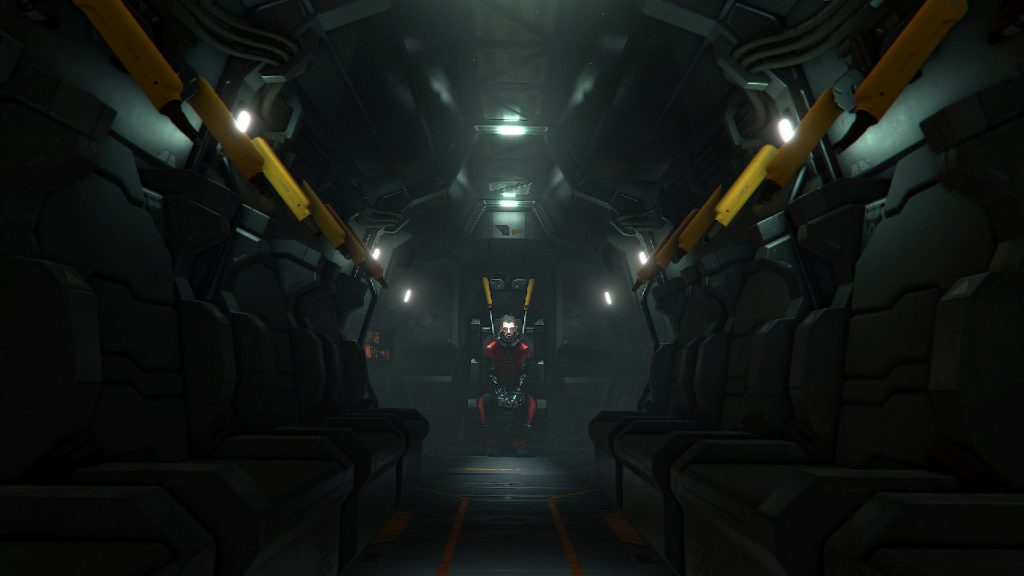
It’s more than just finding one solution – Deus Ex: Mankind Divided rewards players who explore. There are likely multiple ways to overcome obstacles, and discovering them could unlock side quests just as compelling as the main story. No matter how you’re approaching a challenge, there’s almost always a smarter, more efficient path waiting to be found.
It’s easy to feel overwhelmed by all the options in such a detailed game. However, the way everything is integrated makes adapting your abilities to each situation feel natural. And if stealth fails, you can always switch to direct combat and start shooting.
This game truly excels in its action and gameplay. The cover system is effective whether you’re shooting or sneaking, and using the diverse range of weapons is incredibly fun. It often feels like deciding whether to approach situations stealthily or with brute force is one of the game’s toughest choices.
These enhancements really add to the game’s story and how it plays. They can give you abilities like faster movement, special combat skills, ways to control groups of enemies, or even let you sneak past security. You can focus on mastering a few specific skills, or spread your abilities out to handle a wider range of challenges.
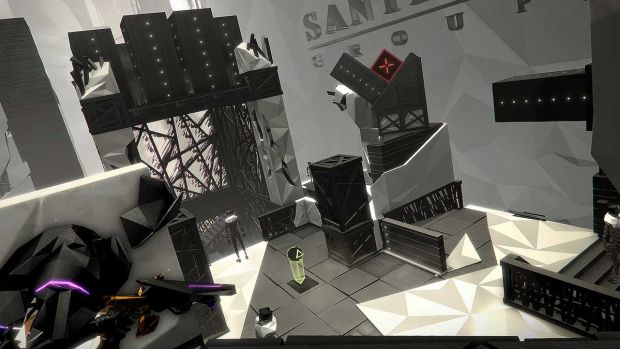
Prague and its surrounding areas are fun to explore, and the game world feels spacious enough to stay interesting. It all blends together nicely, creating a unique and enjoyable experience that complements the rest of the game.
You might be right – many other games are also well-made and offer a similar experience to Mankind Divided. But what makes this game special?
The title Mankind Divided feels fitting because it set a high bar for what other games tried to achieve. Where Winds Meet is a good example – Everstone clearly aimed to include every possible element players could want in their expansive, wuxia-inspired world.
The game features strong stealth elements and engaging combat, and the story is decent. However, it’s a fundamentally different kind of game with a different focus. It’s designed to be expanded with ongoing updates and content, rather than offering a concise, impactful experience that sticks with you even after a shorter playtime.
Despite sharing some similar goals, Where Winds Meet and Mankind Divided feel quite different when you play them, making a direct comparison difficult. Outer Worlds 2 is another fantastic, large-scale RPG that boasts great combat, plenty of freedom in how you tackle objectives, and a story shaped by your choices.

I think the way this game handles corporate greed just doesn’t feel as impactful or serious as it does in the other game, where society is really fractured by how people deal with body modifications. They both have some similar ideas, but honestly, they end up giving you completely different experiences. It’s like they started with a similar thought, but went off in totally different directions.
Do you notice a trend? While some newer games are also enjoyable and well-made, none quite compare to Mankind Divided. Even though it came out nearly nine years ago, it remains a standout title, proving that big ideas can be successfully brought to life with strong gameplay.
One of the game’s greatest strengths is how unique it is. It’s rare to find a game that successfully blends serious themes with exciting action, and justifies all the chaos with a compelling story. It’s a remarkably well-made experience. Mankind Divided is ambitious and ultimately succeeds, earning its place as a standout title.
I’ve played a ton of amazing games over the years, and I’m really hoping we get another one that hits me the same way this one did. It’s a special game, and I’m already looking forward to what comes next!
Please be aware that the opinions shared in this article belong solely to the author and don’t reflect the official stance of GamingBolt.
Read More
- Gold Rate Forecast
- Dune 3 Gets the Huge Update Fans Have Been Waiting For
- ’90s Cartoon Reboot & TMNT Connection!
- Guardians of the Globe Members We Want to See in Invincible Season 4
- Hideo Kojima Says He Was Never Told About The Matrix Creators Wanting Him to Make a Game
- Kelly Osbourne Slams “Disgusting” Comments on Her Appearance
- Why Gideon Emerges as Resident Evil Requiem’s Most Compelling Character
- After Stranger Things’ Conformity Gate Crashed Netflix, Here’s What The Ending SHOULD Have Been
- Netflix’s Run Away is the latest show to fail the Gen Z social media test
- 5 Best Sidekicks For Jon Bernthal’s Punisher After Game-Changing MCU Rumor
2026-01-02 22:46