
The video game industry is always changing, but it’s helpful to remember its past, especially when we see surprising shifts in the business. A good example is Xbox. While it’s been a leading console for years, it’s recently faced challenges and hasn’t been performing as well as its competitors.
Xbox’s most popular new games are often performing better on consoles like the PlayStation 5. But they aren’t the first publisher to face this issue. Twenty-four years ago, Sega made a similar decision as they began to exit the console market – they started releasing their biggest games on consoles previously considered competitors.
How Sonic Came To Nintendo
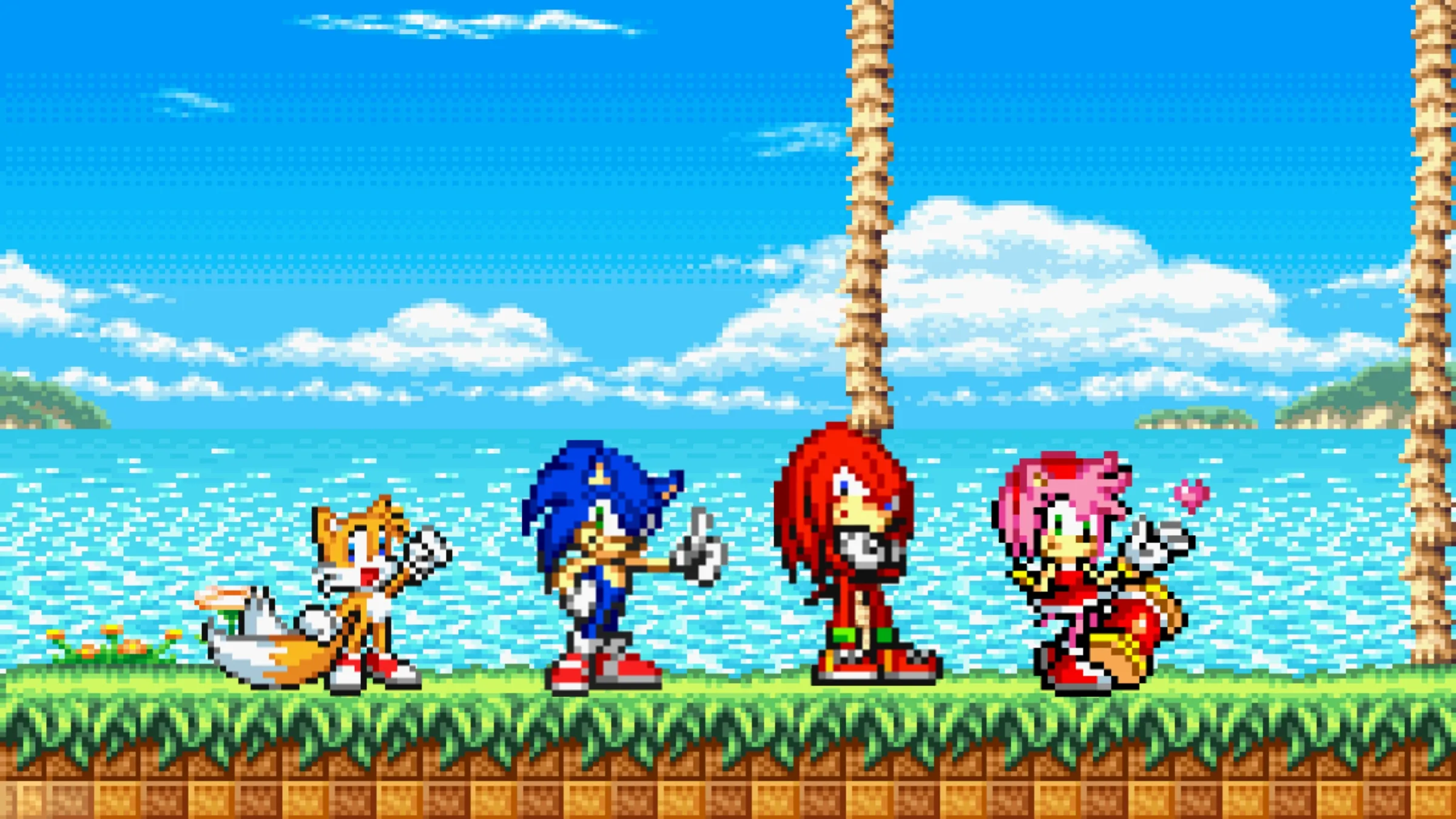
Released in North America on February 3, 2002 (after launching in Japan the year before), Sonic Advance was one of the first times Sega’s famous hedgehog appeared on a Nintendo system, and it showed other companies how to successfully make similar moves. In the late 1990s, Sega had trouble with its Dreamcast console and started focusing more on making games for other companies’ systems. While they initially targeted the PlayStation 2, the popular Game Boy Advance caught their eye. To celebrate the 10th anniversary of the Sonic series, Sega created a new Sonic game specifically for the GBA, developed primarily by Dimps in partnership with Sonic Team.
Sonic Advance was a standout game in the series, successfully blending the classic gameplay of early Sonic games on the Genesis with the updated characters and features of Sonic Adventure. It was a critical and commercial success, marking an important moment for both Nintendo and Sega. The game led to a long and fruitful partnership between Sega and the development studio Dimps, who went on to create several other popular Sonic titles, including Sonic Rush, Sonic the Hedgehog 4, and handheld versions of Sonic Generations.
Sonic’s initial appearance on Nintendo consoles proved successful, leading Sega and Nintendo to work together more often. Later that year, Sonic Adventure 2 was released on the GameCube, solidifying Sonic’s role in Nintendo’s plans. This collaboration expanded to include games like F-Zero GX and the Mario & Sonic at the Olympic Games series. What once seemed impossible – seeing Sonic in Super Smash Bros. Melee – became a reality with Super Smash Bros. Brawl just a few years later, where he fit right in with Nintendo’s other popular characters. All of this demonstrates how quickly Sega adapted from making consoles to just creating games for various platforms.
What Xbox Can Learn From Sega
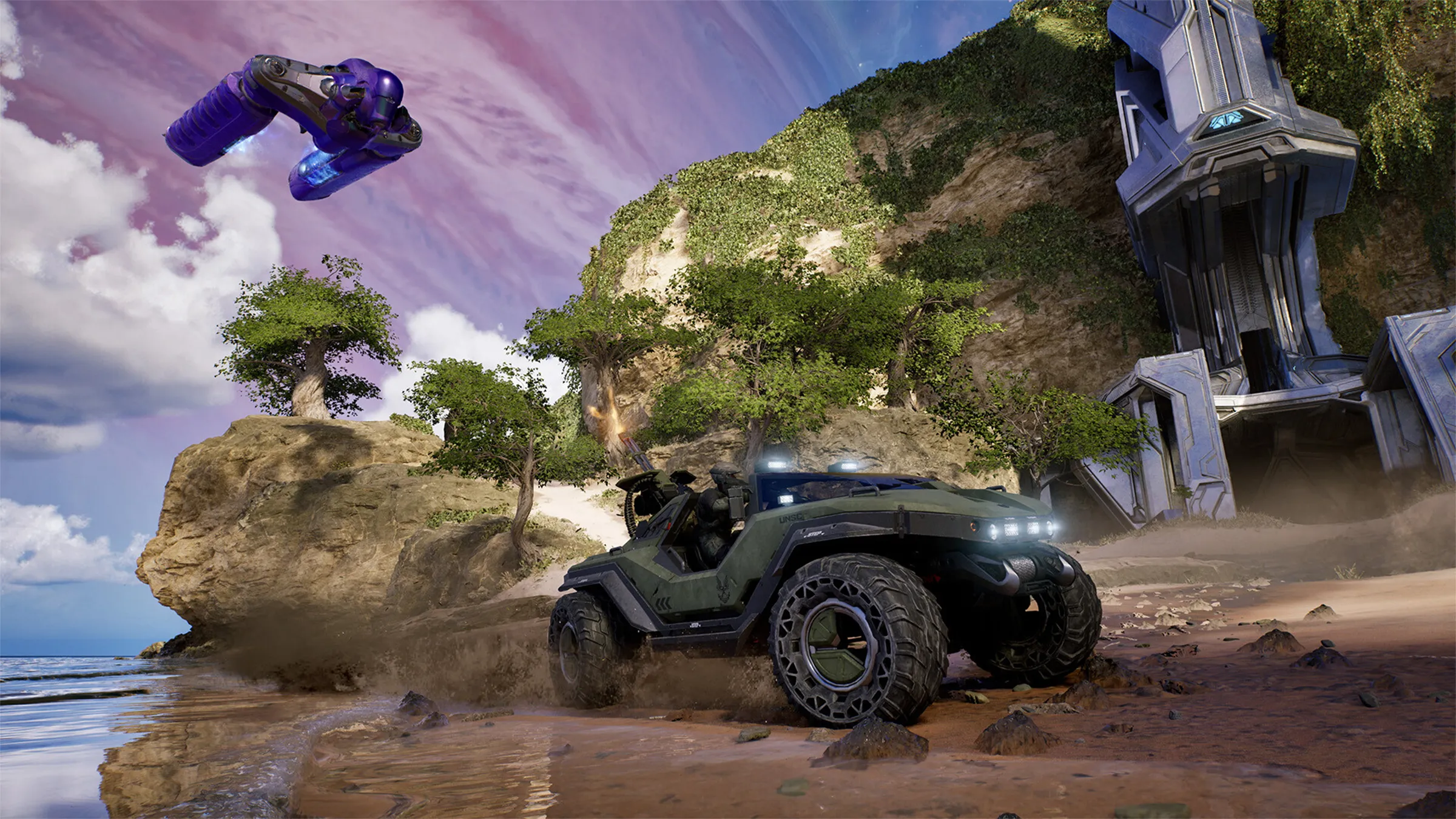
The intense rivalry between gaming consoles—often called the “console wars”—isn’t as fierce as it used to be. Gamers in the past were very loyal to one brand, but now it’s more common to see games released on multiple consoles, and marketing isn’t as competitive. This change is partly because companies like Nintendo, Sony, and Valve have each found their own niche in the gaming world and seem more willing to cooperate as competitors. Despite this overall growth, Xbox has faced particular challenges.
At the start of the 2000s, the Xbox challenged Sega as a leading console brand. However, Xbox sales have been declining recently, leading to Xbox Game Studios releasing popular franchises like Halo and Gears of War on the PlayStation 5. Even highly anticipated new games, such as the latest Fable, are planned for both PlayStation and Xbox. This trend suggests Xbox Game Studios is becoming more like Sega – shifting from a major console competitor to a large game publisher. Microsoft appears to be following a similar path, continuing to support Xbox while also releasing games on other consoles, potentially paving the way for a future focused solely on game development.
If the developers aim to replicate Sega’s success, Sonic Advance offers a valuable blueprint. It successfully combined the beloved elements that appealed to longtime fans with the innovative gameplay and updated look of newer games. They streamlined the story, keeping the core characters and memorable features while removing much of the complex narrative from the main Sonic series. Ultimately, Sega created a successful Sonic experience for Nintendo players.
Sonic games have always done well on different consoles, but Sonic himself feels more like a true competitor to Mario than just someone who challenges him. Xbox could achieve the same thing with characters like Master Chief and Marcus Fenix – making them feel relevant on new systems instead of like characters from the past. With the recent announcement that more of Xbox’s popular exclusive games will be released on multiple platforms, it’s becoming clear that Xbox is shifting towards being a game developer more than a console maker. If that’s true, they could take a lesson from Sega, which successfully moved away from competing with consoles and focused more on creating games.
Read More
- What Song Is In The New Supergirl Trailer (& What It Means For The DC Movie)
- Dune 3 Gets the Huge Update Fans Have Been Waiting For
- TV legend Carol Kirkwood reveals the reasons why she decided to retire after 28 years with BBC
- The OG Resident Evil 1, 2 and 3 Are Now Available on Steam With a Heavy Discount (and DRM)
- The Monsterverse’s Shocking New Time Travel Story – Monarch: Legacy Of Monsters Season 2, Episode 6 Explained
- Tainted Grail: The Fall of Avalon – Merlin’s Tomb DLC Adds a New End-Game Dungeon for Free
- Designing Magnetism with Molecular Architecture
- Crypto Chaos: 6 Events This Week That Could Send Bitcoin and XRP into a Tailspin!
- Marathon is Taking Aim at Bubble Shields, Knives, Snipers and More in Upcoming Balance Patches
- OpenAI says GPT‑5 cuts political bias — but is 30% enough?
2026-02-04 00:10