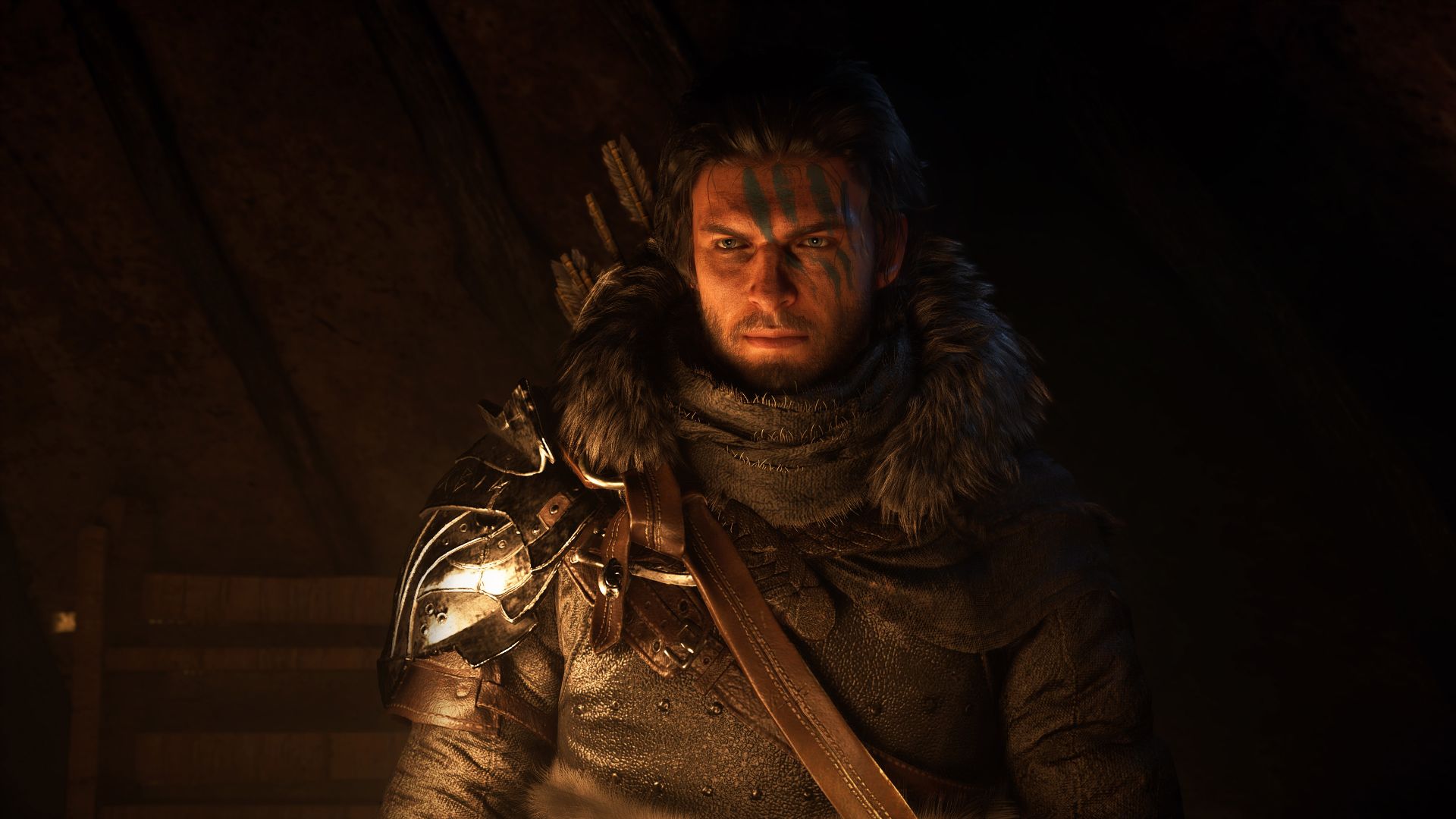
While Crimson Desert is generally captivating, its story isn’t its most compelling feature. This opinion has been shared by both players and reviewers since the game launched, and even supported by some of the voice actors, including Alex Newman, who played Kliff.
While no one disliked the story, many felt it didn’t quite live up to the high quality of everything else the developers created. The side missions, particularly those tied to the different factions, were especially engaging. The main story, however, felt a bit disjointed, frequently switching between the storylines of the Greymanes and The Abyss without a strong connection between them.
So, is this a poorly written story? Not exactly. It has its strong points and some truly memorable scenes. Newman’s description of a project with constantly changing objectives perfectly explains why the story feels so fragmented. Why didn’t it fully connect emotionally? Let’s explore why, despite a captivating world like Pywel, Kliff’s journey didn’t have the impact it deserved.
Back To The Beginning
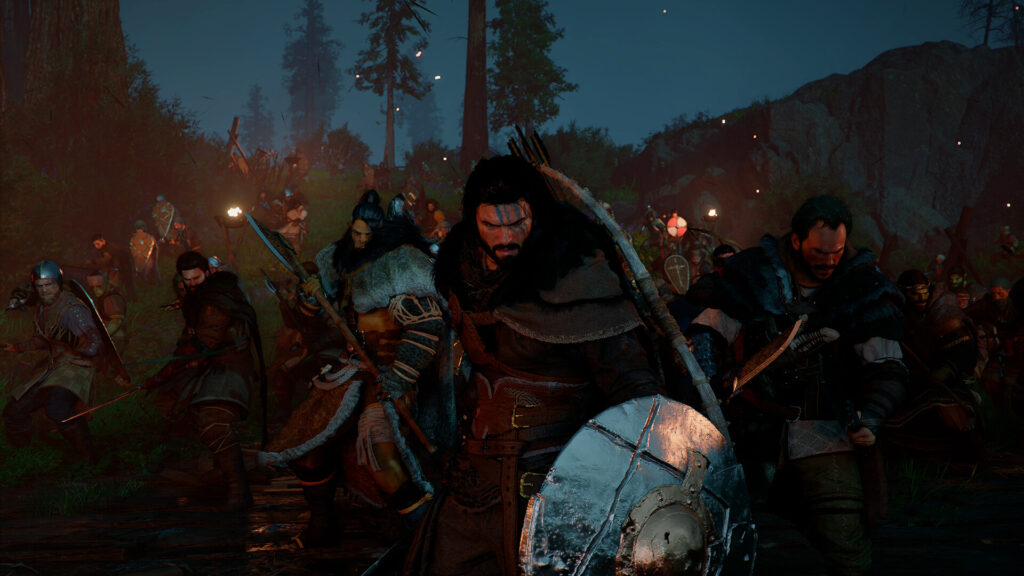
Let’s look at the original vision for Crimson Desert. It’s important to understand this, as Newman pointed out when discussing the game’s story issues. The project started with the idea of an open-world action adventure focused on Macduff, a mercenary leader. The game was going to explore his struggles to find purpose while dealing with a difficult past.
The story initially focused on simpler elements, but it developed into the current narrative surrounding Kliff, the Greymanes, and their disastrous battle with the Black Bears. This conflict sparked an attempt to restore the company to its previous success. You can clearly see how the game’s ideas shifted over time. Kliff remains the leader of the Greymanes, though the source of their loyalty to him isn’t entirely clear. The story shows how the character of Macduff transformed into Kliff, but this evolution unfortunately burdened him with past storylines, preventing him from fully developing his own unique path.
We think Crimson Desert misses a chance to really shine, and here’s why.
The Dark Side of Ambition
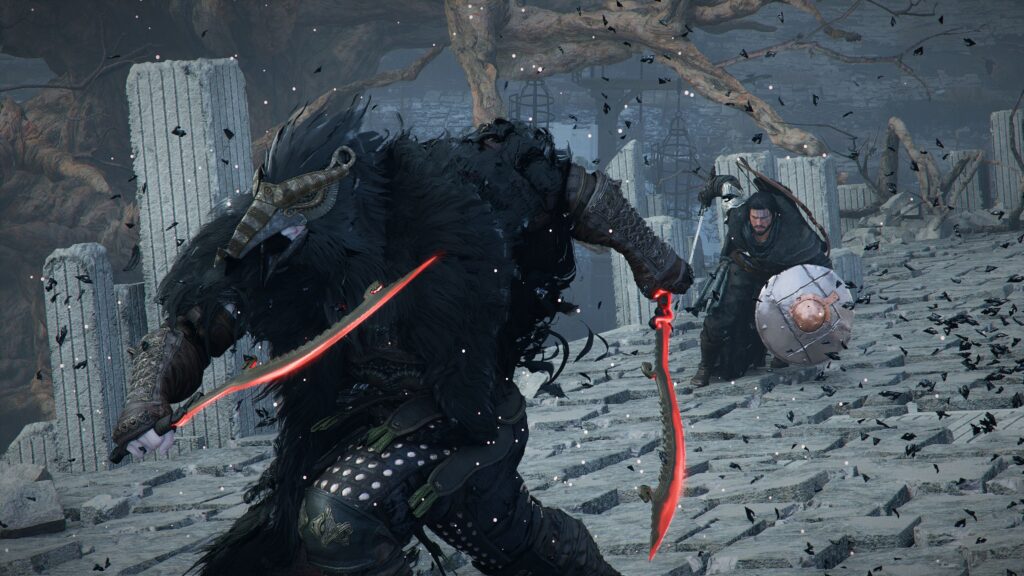
We’ve always known Crimson Desert is a large-scale game, and it appears that ambition has come with challenges. Although the game’s vast open world allows for plenty of creative freedom, the story feels somewhat constrained. It starts strongly enough – Kliff and the Greymanes are ambushed by the Black Bears, scattering them across Pywel, and Kliff is killed by Myurdin.
Introducing The Abyss as the explanation for Kliff’s return to life felt a bit forced. This was made worse by a lengthy series of quests that pulled him into the complex lore of Pywel, all while he was also trying to find his old friends and navigate the ongoing conflicts in Hernand. It felt like too much was happening at once.
The story doesn’t explain why Kliff would be interested in The Abyss or the conflicts between the families of Hernand. While Kliff is a central character, his importance feels lessened because the story constantly shifts his focus towards a larger, undefined purpose that we, as the audience, haven’t been given a reason to care about yet.
It’s a shame to hear that, particularly considering how much we’ve enjoyed working with Hernand’s houses and the wonderful experiences they’ve brought our way.
Time Flies When You’re Having Fun
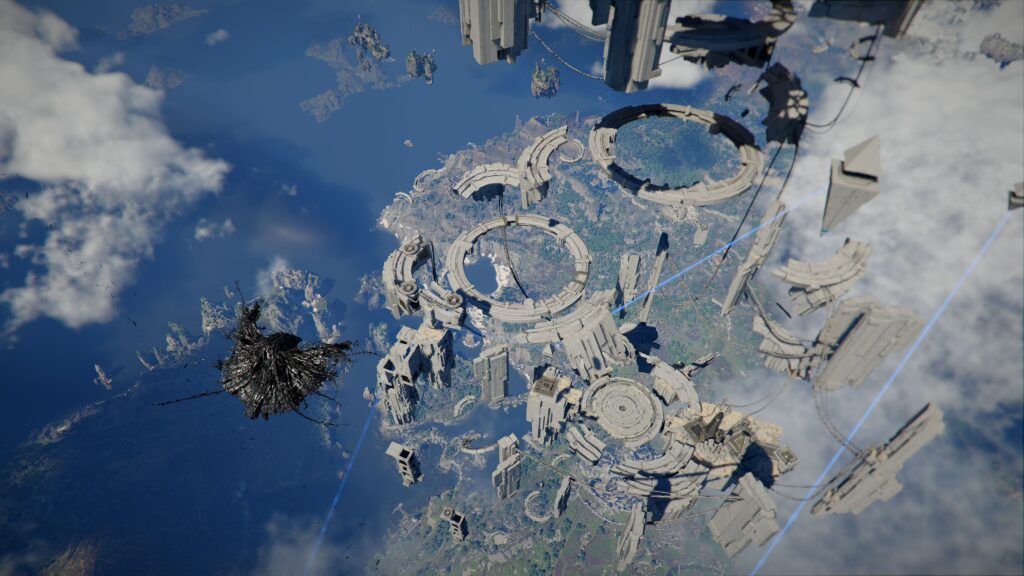
Kliff begins working for a noble family by taking on a mission to free a quarry occupied by the Bleed Bandits – one of the many groups in the game. Successfully completing this task would provide a safe place for the Greymanes, people Kliff is still searching for, and sets the stage for what happens next.
This part of the game turns into a massive battle against a huge group of enemies called the Bleed Bandits, culminating in a final fight we won’t reveal for those who haven’t played it yet. It also cleverly connects the mysterious Abyss to the everyday life of a character named Pywel. As Kliff responds to requests from different groups, he’s sent all over the world of Hernand. This not only highlights the game’s open-world design, but also demonstrates the writers’ ability to craft compelling stories when they focus on a single, well-told quest instead of trying to do too much at once.
The different groups within the game had very distinct motivations, and that clarity extended to Kliff’s own objectives. This made his conflicts feel deliberate and connected – each mission built upon the last, leaving us eager to see how the story would unfold, especially since it was taking us to a brand new part of the game world. The side quests in Crimson Desert work particularly well because they feel focused and fit the game’s large, expansive design.
Even the less important parts of the story aren’t perfect, and the other main characters alongside Kliff really highlight those flaws.
The Fleeing Swordswoman And The Loyal Warrior
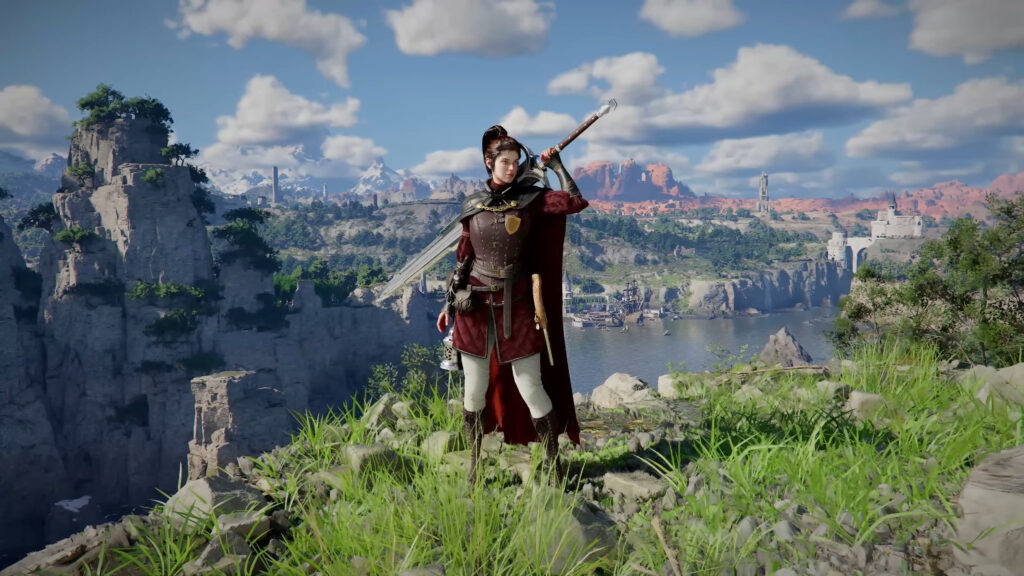
Damiane and Oongka really highlight how the storytelling in Crimson Desert felt fragmented and didn’t quite come together. We meet Damiane early in the game and can soon play as her after Kliff takes Howling Hill. The game tells us she’s fleeing from Demeniss, but doesn’t immediately explain why.
She immediately stood out as a graceful complement to Kliff’s fighting style, and we quickly found ourselves frequently switching to play as her, much like in Grand Theft Auto. This was even before we realized we could call her in for backup when facing overwhelming odds. However, as the story continued, she unexpectedly disappeared, and trying to select her character resulted in a message saying she was on a critical assignment. This was frustrating, especially since many quests required us to play as Kliff instead.
It’s frustrating that Damiane and Oongka weren’t more involved in the story. Damiane, in particular, showed a lot of promise as a compelling character, similar to Kliff, but her potential wasn’t fully realized. It feels like a missed opportunity, and the limited roles of both characters seem to be a result of the story’s overall structure, not a lack of interesting material.
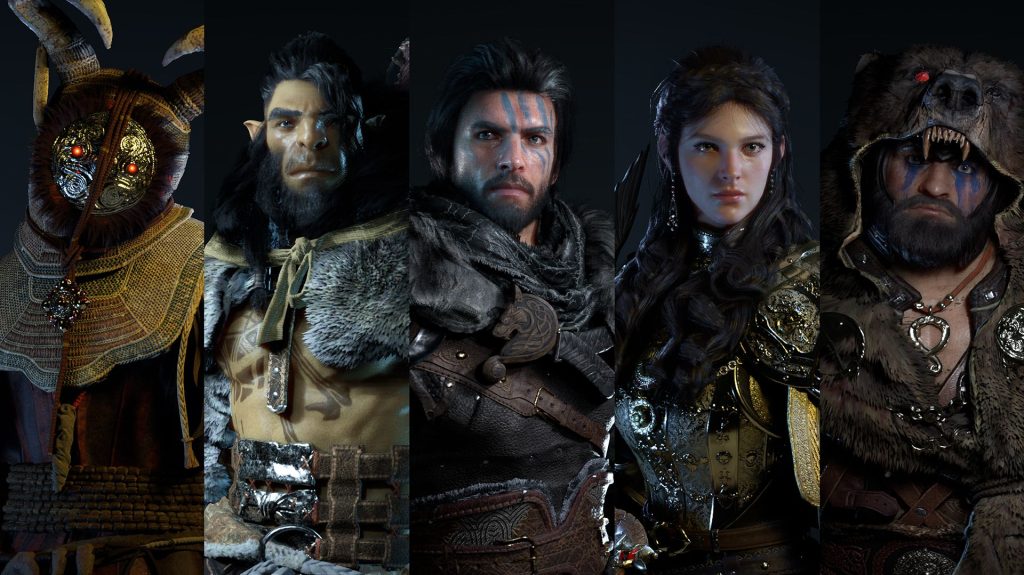
Many players likely first encountered this character early in the game, before the main story moved on and required a trip to Calphade to reconnect with him. Given his close relationship with Kliff, we anticipated a larger role in the main storyline, but he ended up as a compelling side character. His appearances in cutscenes only increased our desire to play as him ourselves.
By that point, we had a limited number of powerful items called Abyss Artifacts, and couldn’t use many to unlock special abilities for that character – a problem also faced by Damiane. This severely restricted how fun those characters were to play, and we often ended up using Kliff instead during much of the game because he was simply a better choice compared to the others, despite their interesting stories. Crimson Desert could have presented its story through quests, similar to how it handled the storyline of Hernand’s nobles.
Damiane and Oongka felt like they were added to the story as an afterthought, creating a supposed main trio that didn’t quite work. It seemed the game tried to do too much, sacrificing a strong narrative in the process. While there was potential for a compelling group of characters, the story never fully came together in a satisfying way.
Instead of trying to recreate the nostalgia of GTA 5 or forcing a team dynamic between three characters, why not focus on a single, customizable main character? While patches could still improve the team aspect, it would be a difficult fix. It’s confusing why Crimson Desert went down a path that even its developers now regret.
That brings us to what Newman and the developer had to say about the story.
Learning Through Hindsight
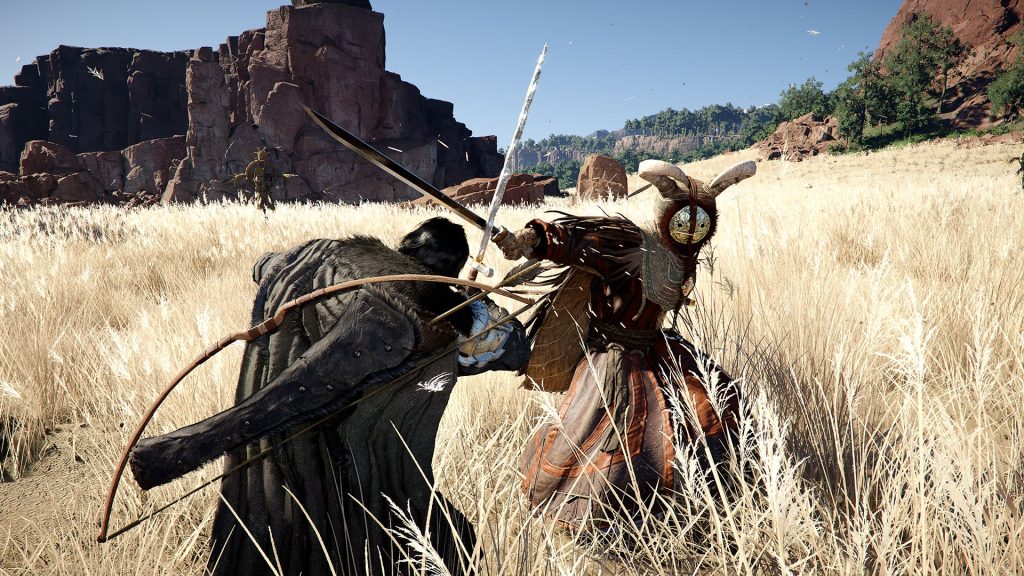
The developer admitting the story could have been better shows they’re paying attention to player feedback since the game launched. They’ve been quick and dedicated to fixing other problems, but improving the narrative isn’t a current focus. This is understandable – gameplay issues are faster to resolve than creating and adding more story content, which takes much more time and effort.
Honestly, hearing Newman talk about how the story kind of lost its way really hit home. What stuck with me was that he recorded lines for two years before they even started seriously using them! He also said Kliff didn’t get enough good scenes to really make him feel like a real, relatable character – like we didn’t get to connect with him enough to truly care about what happened to him. It felt like the emotional weight just wasn’t there because of that.
Looking at it this way, the game’s disjointed feel starts to make sense. It went through too many changes, and its constantly evolving ambitions placed too much emphasis on the story. This prevented it from developing a clear path for the characters of Kliff, Damiane, and Oongka. The result is a game with an interesting but fragmented story that jumps between different ideas without ever truly coming together in a satisfying or memorable way.
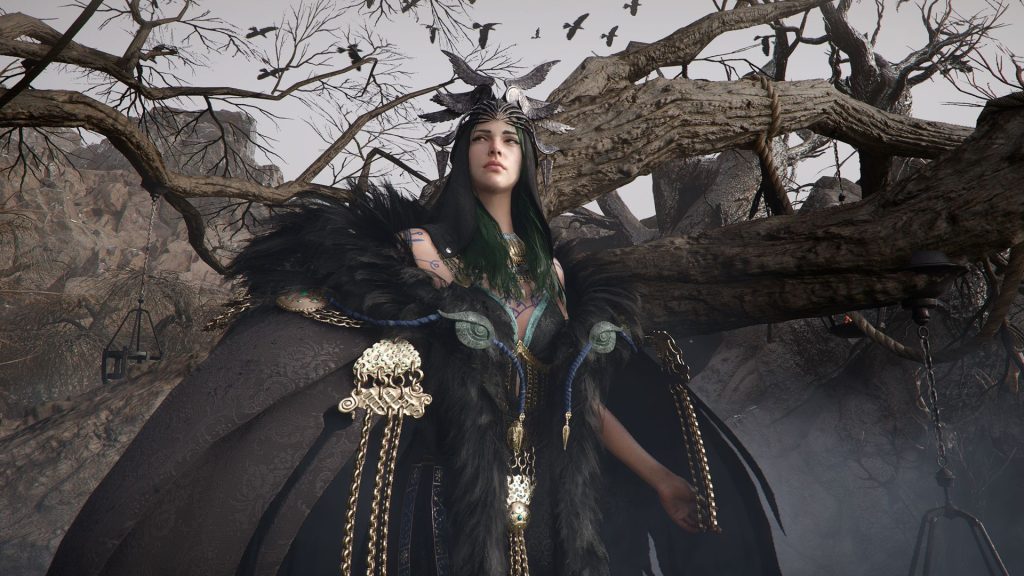
Crimson Desert has a compelling story, but unfortunately, it’s relegated to side quests rather than being the central focus. The game frequently changed direction, which prevented a strong, cohesive main narrative. The fact that the game features two additional playable characters suggests the story wasn’t firmly established until very late in development.
It’s disappointing that despite having such a captivating world, the game doesn’t fully deliver on the potential of its characters. While it’s still fun to play, it leaves you wishing it could have been something truly special. Even as you explore every inch of this interesting world, there’s a lingering feeling of what might have been.
Please be aware that the opinions shared in this article are solely those of the author and don’t reflect the official stance of GamingBolt.
Read More
- What Song Is In The New Supergirl Trailer (& What It Means For The DC Movie)
- One of Hulu’s Best New Shows Lands on Disney+ Ahead of Season 2
- Eurogamer Gives ARC Raiders 2/5 Over AI Voices, Dropping Metacritic Score from 94 to 84
- Gold Rate Forecast
- Netflix’s Run Away is the latest show to fail the Gen Z social media test
- Meet the Real-Life Inspiration For Sex and The City’s Mr. Big
- Jujutsu Kaisen Is Returning With a Special Release After Sequel’s Finale
- The Quantum Observer: How Reality Takes Shape
- I Had High(ish) Hopes For Five Nights At Freddy’s 2, But My Two Most Glaring Issues Make Me Wary About A Third Movie
- Ariana Grande and More Celebs React to Golden Globes 2026 Nominations
2026-04-02 16:43