
By the late 1980s, Doctor Who was a well-established and beloved British institution, having survived changes in actors, the show’s format, and even periods of low budgets and negative reviews. Despite this resilience, the BBC cancelled the show in 1989 after 26 seasons. This news left devoted fans confused and heartbroken, and many rumors spread as they tried to figure out what had happened. The final episode, “Survival,” aired on December 6, 1989, and ended with the Seventh Doctor, played by Sylvester McCoy, reflecting on the importance of moving forward.
Though not initially presented as the last one, producer John Nathan-Turner treated the story like a final chapter, anticipating the BBC might cancel the show. In reality, Doctor Who had lost favor within the BBC, hampered by years of intentional interference from those in charge. The series only returned in 2005 because showrunner Russell T Davies gained enough power to bring it back.
The Deliberate Disruption of Doctor Who

When the original Doctor Who series ended, there were no plans to make more episodes, and the team working on the show was broken up. Michael Grade, who became a key figure at BBC One in 1984, significantly weakened Doctor Who, though he didn’t actually cancel it in 1989 as many believe. In 1985, he paused the series for 18 months, telling the Evening Standard that its science fiction was poor quality, overly violent, and not a good use of the money from television licenses. He disliked the show and felt its science fiction was old-fashioned and didn’t compare well to movies like Star Wars and E.T. While fan protests did bring Doctor Who back, it never regained its former popularity.
While in charge, Grade also tried to replace Colin Baker as the Sixth Doctor, which caused a lot of conflict and left the show without strong support at the BBC. Although fans started campaigns to revive the series after it went off the air, a combination of problems – including scheduling issues with popular shows and budget cuts – put Doctor Who on a path that led to the end of its original run in 1989.
By 1987, Grade had moved to Channel 4 after being passed over for the top job at the BBC, but his strategy had still succeeded. The decision to finally cancel the show was made by Jonathan Powell, who took over from Grade, and Peter Cregeen, the BBC’s head of programming for the series. Cregeen was the one who decided not to order a 27th season.
The Wilderness Years
When Doctor Who stopped being made for television, the future of the show was uncertain. While fans kept the spirit of the series alive through books, audio dramas, and conventions, there wasn’t a new show being produced. Almost seven years later, in 1996, a TV movie was made by the BBC and Universal Studios as a potential start to a new American version of Doctor Who. It first aired in Canada as a way to test the waters for a possible revival.
The film marked the debut of Paul McGann as the Eighth Doctor, showed Sylvester McCoy’s final appearance as the Doctor transforming into his new form, and starred Eric Roberts as the villain, The Master, alongside Daphne Ashbrook as the companion, Grace Holloway. Though the movie had a mixed reception in the UK, its premiere in the U.S. only attracted 5.6 million viewers. Because of these low American ratings, Universal decided not to create a full television series.
Okay, so this movie definitely ruffled some feathers with longtime fans. The biggest points of contention were revealing the Doctor had human ancestry – a real departure! – and, surprisingly, a romantic kiss with a character named Grace. Paul McGann actually gave a really strong performance as the Doctor, but despite that, the film just didn’t quite manage to kickstart the franchise like everyone hoped it would.
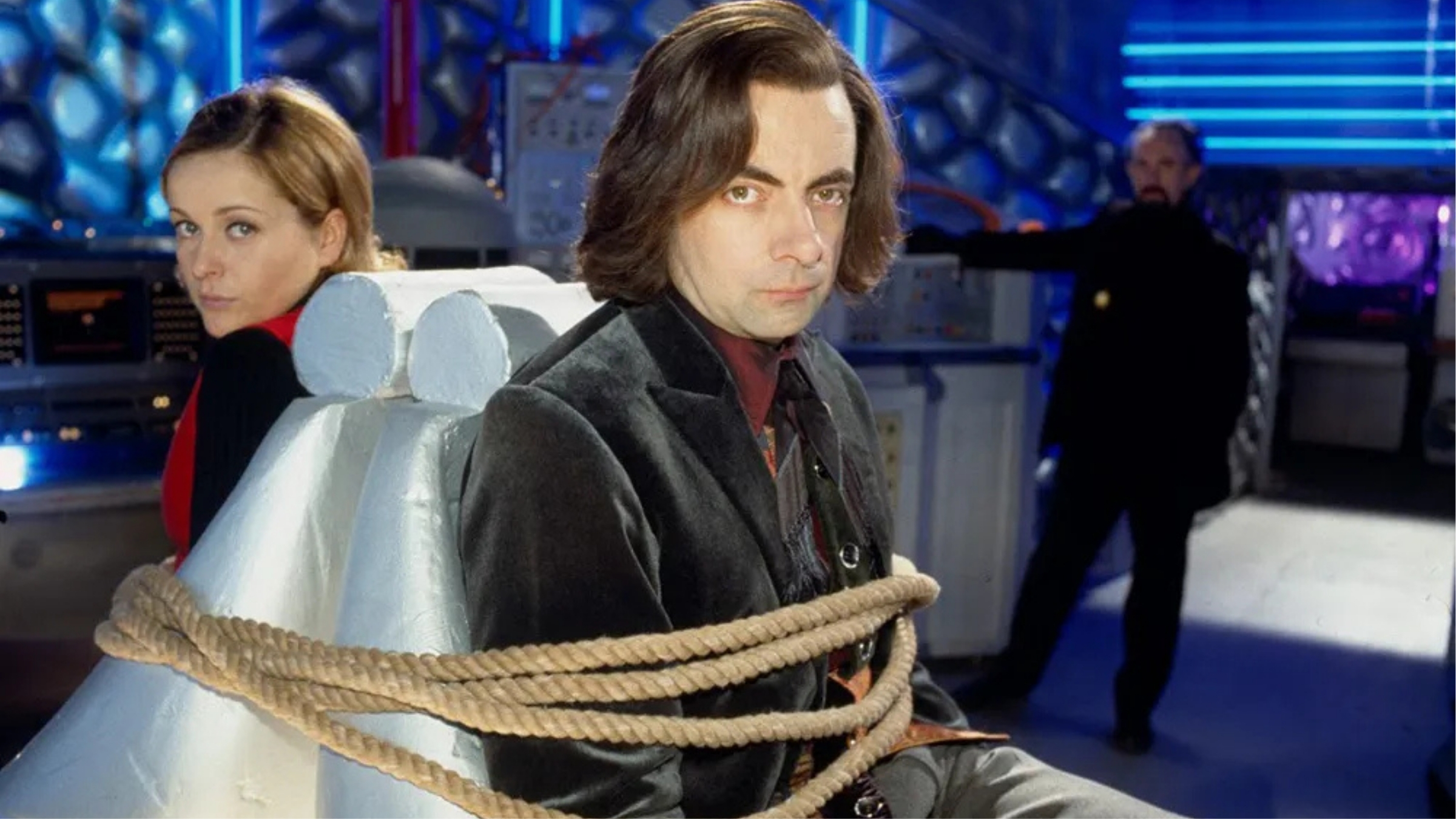
Before the TV movie and the show’s eventual return, the only live-action Doctor Who production made by the BBC was The Curse of Fatal Death. This short, comedic parody, written by Steven Moffat for Comic Relief’s Red Nose Day in 1999, featured Rowan Atkinson, Richard E. Grant, Jim Broadbent, Hugh Grant, and Joanna Lumley playing different versions of the Doctor, with Jonathan Pryce as the Master. Although it wasn’t considered part of the official story, the special was important because it showed that Doctor Who was still well-known and popular. It also reassured fans that the BBC was open to bringing the show back. Moffat himself thought it might be his only chance to write for Doctor Who.
Russell T Davies and the Recipe for a Revival

The real return of Doctor Who happened thanks to the influence of one dedicated fan. Russell T Davies had been passionately advocating for the show’s comeback since the late 1990s, fueled by a love that began with the First Doctor’s early adventures in 1966. However, it wasn’t until he created the successful show Queer as Folk that he earned the respect and power within the television industry needed to actually make the revival happen.
The success of Queer as Folk on Channel 4 proved Russell T Davies was a talented and dependable creator, boosting both viewership and critical acclaim. This allowed him the opportunity to bring back Doctor Who with his own vision, and the BBC gave him the green light as showrunner.
The revived Doctor Who series began in March 2005 with the episode “Rose.” Featuring Christopher Eccleston as the Ninth Doctor and Billie Piper as Rose Tyler, the premiere attracted 10.8 million viewers and was highly praised. Its success was largely due to a new, contemporary style. Instead of simply recreating the feel of the original show, the creators modernized both the look and the way stories were told to appeal to today’s viewers.
Russell T Davies essentially rescued Doctor Who when it was struggling, completely revitalizing the show. He successfully reimagined it as something the whole family could enjoy, while also creating a compelling, ongoing story – a formula that worked perfectly in the modern television era. The reboot proved that Doctor Who was a truly enduring franchise. It also opened doors for future writers like Steven Moffat, who famously thought he’d only ever write one Doctor Who story but ended up doing much more. Now, fans are hoping the current team can learn from past challenges and keep the show thriving.
Which version do you like better – the original show or the 2005 reboot? Share your thoughts in the comments and join the discussion on the ComicBook Forum!
https://comicbook.com/tv-shows/list/5-sci-fi-masterpieces-with-no-bad-episodes/embed/#
Read More
- Pluribus Star Rhea Seehorn Weighs In On That First Kiss
- Kelly Osbourne Slams “Disgusting” Comments on Her Appearance
- Gold Rate Forecast
- Looks Like SEGA Is Reheating PS5, PS4 Fan Favourite Sonic Frontiers in Definitive Edition
- Arknights: Endfield – Everything You Need to Know Before You Jump In
- ’90s Cartoon Reboot & TMNT Connection!
- Dune 3 Gets the Huge Update Fans Have Been Waiting For
- ‘Marty Supreme’ Ending, Explained
- Guardians of the Globe Members We Want to See in Invincible Season 4
- Goat 2 Release Date Estimate, News & Updates
2026-01-07 00:41