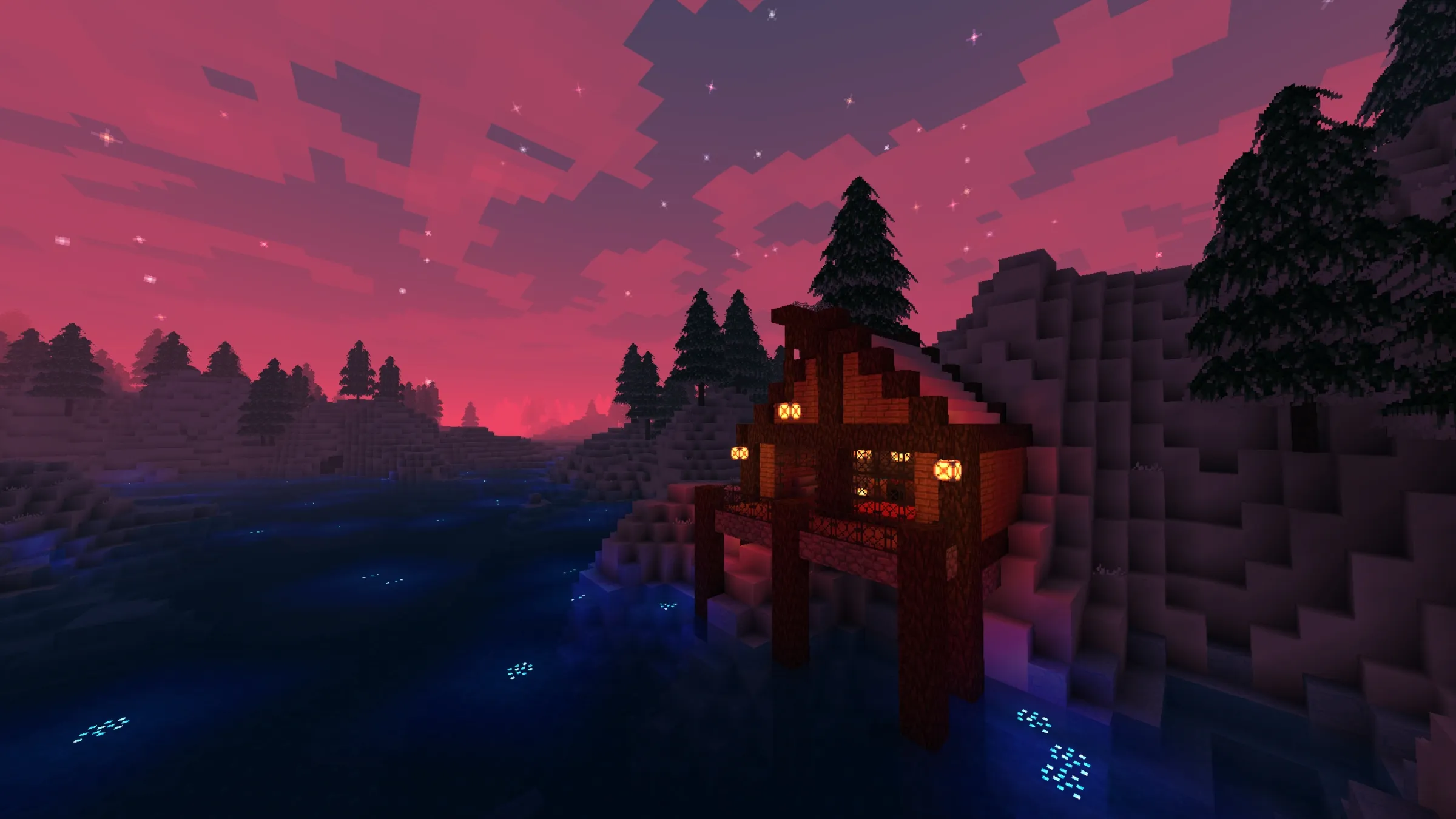
Microsoft has become a huge force in gaming, especially after buying up several well-known game studios recently. They now publish some of the most popular games ever made, like Minecraft, which has had a massive and lasting impact on the entire industry. You can see Minecraft‘s influence in countless other games, from major releases to smaller, independent projects.
The game Allumeria borrowed ideas from Minecraft, but offered its own distinct, low-fidelity style and gameplay. However, Microsoft initially had it removed from Steam, claiming copyright infringement. Ultimately, Microsoft decided not to pursue legal action, which could be a positive turning point for independent game developers in the future.
Microsoft’s Has Backed Away From A Legal Battle Over Allumeria
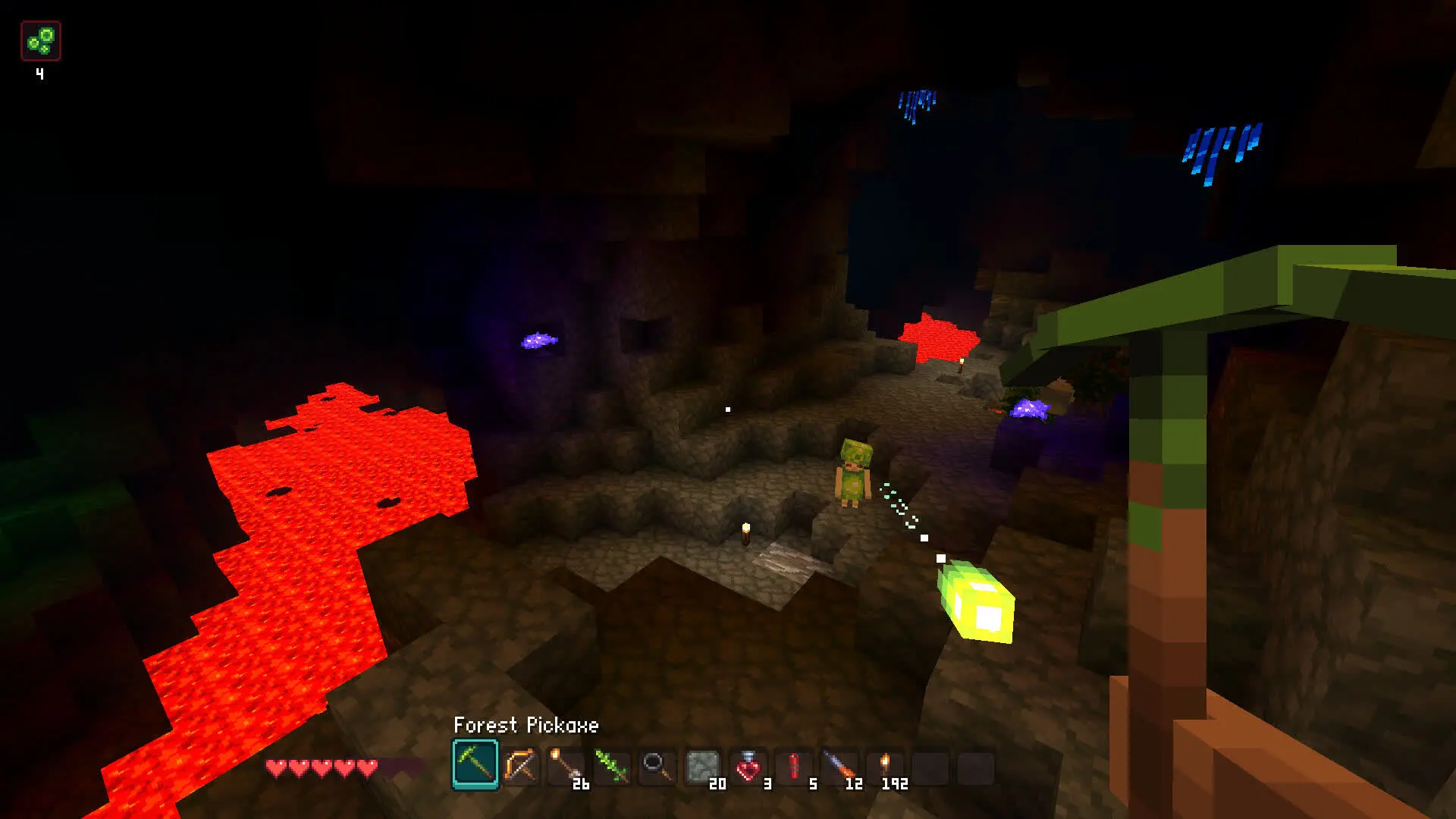
The developer of the Minecraftinspired game Allumeria, Unomelon, received a DMCA takedown notice from Microsoft. However, the game’s demo has been put back online after Microsoft withdrew the claim, which may signal how similar games will be treated in the future. Allumeria has a visual style and open-world gameplay reminiscent of Minecraft, leading Microsoft to argue it copied elements of the popular game. While other developers of comparable games questioned why Allumeria was targeted, the game was temporarily removed from Steam. Fortunately, Microsoft quickly reversed its decision, stating that Unomelon didn’t need to make any changes and wouldn’t face legal action. A demo of Allumeria* is currently available, with a full release planned for later this year.
The situation took an unexpected turn, considering Microsoft’s size and ability to potentially win or significantly delay the lawsuit. Instead, Microsoft surprisingly withdrew before the case could even get to court. It appears the initial takedown request may have been triggered by an automated system called Tracer.AI, but Microsoft’s lawyers likely realized there were enough differences between the game to make a legal victory challenging. This is a significant win for Unomelon, and the brief takedown notice actually brought more attention to the game, potentially boosting its visibility and player base when it launches.
What Microsoft’s Retreat Over Allumeria Could Say About Gaming’s Future
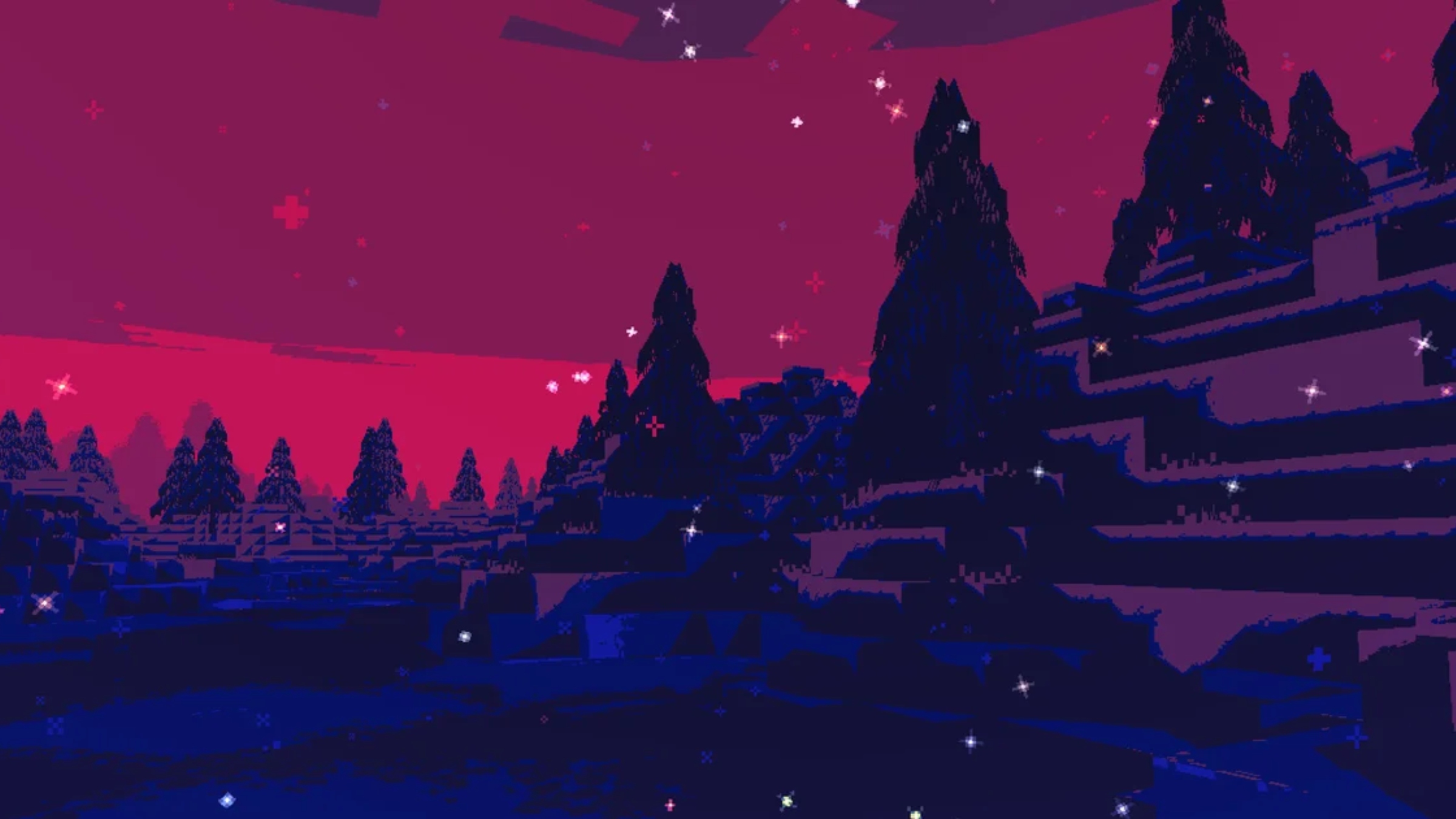
The case involving Allumeria is noteworthy because it could set a precedent for future disputes. We’ve seen several lawsuits in the gaming industry regarding similar game designs, with mixed results. For example, Sony and Tencent resolved a legal issue over Light of Motiram out of court, and the game was removed from platforms like Steam after accusations of copying Horizon: Zero Dawn. More recently, Nintendo’s lawsuit against Palworld for resembling Pokémon has sparked debate about whether developers can actually copyright core gameplay elements, like the act of capturing creatures.
Determining who ‘owns’ ideas in video games is complicated. It’s often possible to point to similarities between characters or worlds and existing copyrighted works – the ‘Light of Motiram’ case is a good example. However, legal issues become much more difficult when it comes to core gameplay mechanics and overall visual style. Like all art forms, games are built on inspiration and influence. Many games borrow from the designs of those that came before, but still manage to feel original thanks to unique features.
There was growing concern that a few game developers could dominate an entire game type, and Nintendo’s focus on the similarities between its games and Palworld felt like a response to that. Microsoft’s recent action against Allumeria seemed like a continuation of this trend – an effort to limit games that closely resembled the popular sandbox style of Minecraft. However, this situation is significant because it suggests Microsoft either didn’t believe it could legally win a fight over these similarities, or they didn’t want to pursue it, and the takedown request was an error.
The situation suggests that even major gaming companies don’t believe pursuing legal action against indie developers for similar ideas would be successful, either legally or in the eyes of the public. If this continues, it could allow smaller developers to freely explore existing concepts without fear of being quickly shut down by larger corporations. Allumeria’s case is a win for independent developers and could establish a lasting legal precedent that benefits them for years to come.
Read More
- Dune 3 Gets the Huge Update Fans Have Been Waiting For
- Looks Like SEGA Is Reheating PS5, PS4 Fan Favourite Sonic Frontiers in Definitive Edition
- Gold Rate Forecast
- Pluribus Star Rhea Seehorn Weighs In On That First Kiss
- Kelly Osbourne Slams “Disgusting” Comments on Her Appearance
- 10 Steamiest Erotic Thriller Movies of the 21st Century
- Arknights: Endfield – Everything You Need to Know Before You Jump In
- Antiferromagnetic Oscillators: Unlocking Stable Spin Dynamics
- Action Comics #1096 is Fun Jumping-On Point for Superman Fans (Review)
- Tomodachi Life: Living the Dream ‘Welcome Version’ demo now available
2026-02-15 20:11