Every game is influenced by what else is happening in the industry. Understanding what other games are being released around the same time as Pragmata helps explain why it’s generating so much excitement.
Initially, Pragmata seems like many other big-budget sci-fi adventure games released recently. However, a closer look suggests its strength lies in cleverly combining existing ideas instead of trying to be completely original. It doesn’t reinvent the sci-fi genre, but it remixes familiar gameplay and character interactions in a way that’s surprisingly fresh for today’s AAA games.
Modern science fiction games often focus on creating impressive sights – think huge futuristic cities, massive space stations, and vast galaxies. Games like Mass Effect, Cyberpunk 2077, and Starfield give players enormous worlds with detailed stories and cinematic experiences. While combat is present, it usually enhances the overall spectacle rather than being the main focus. This approach works well because these games emphasize open-world exploration, making believable and interesting environments crucial.
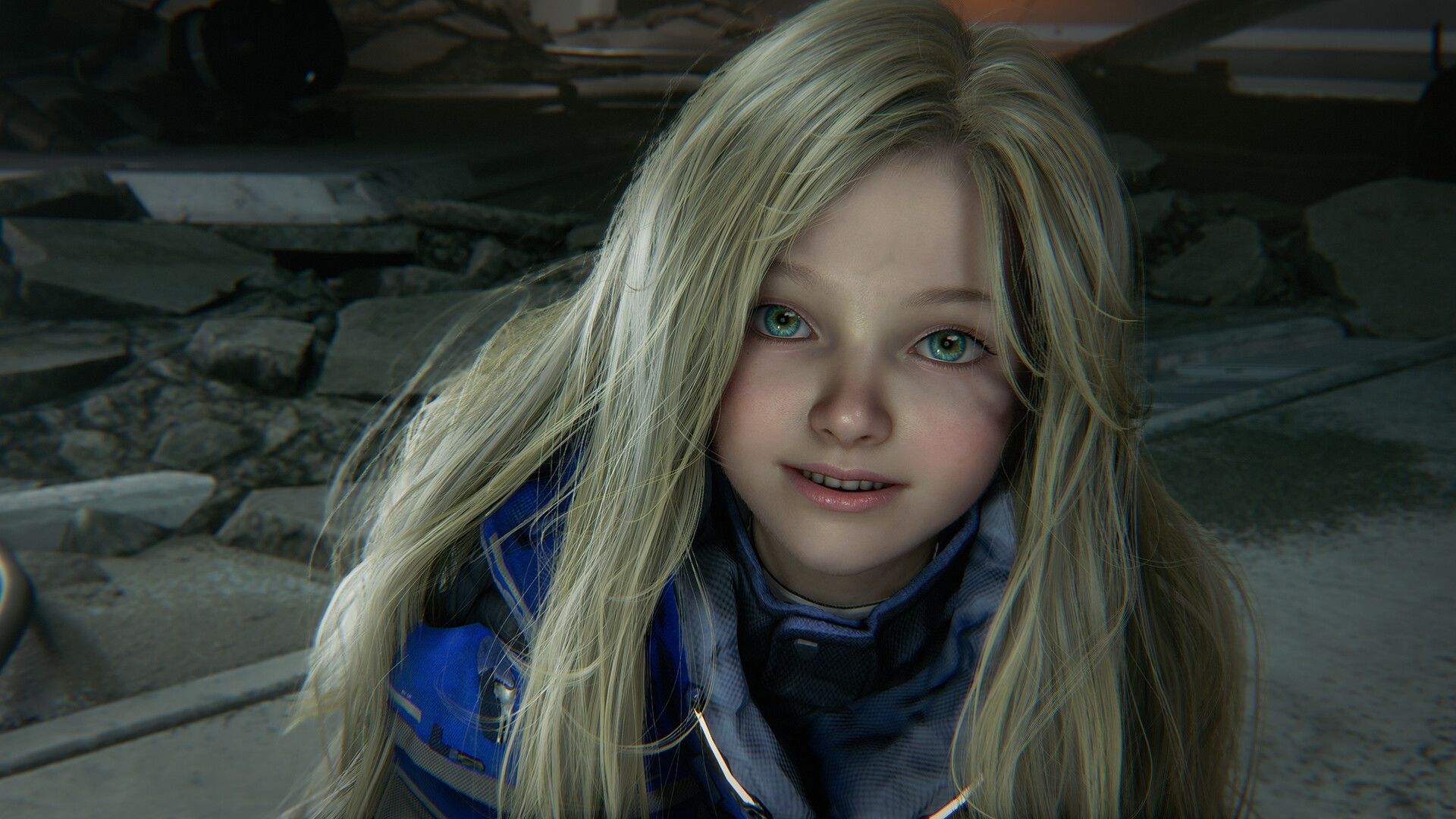
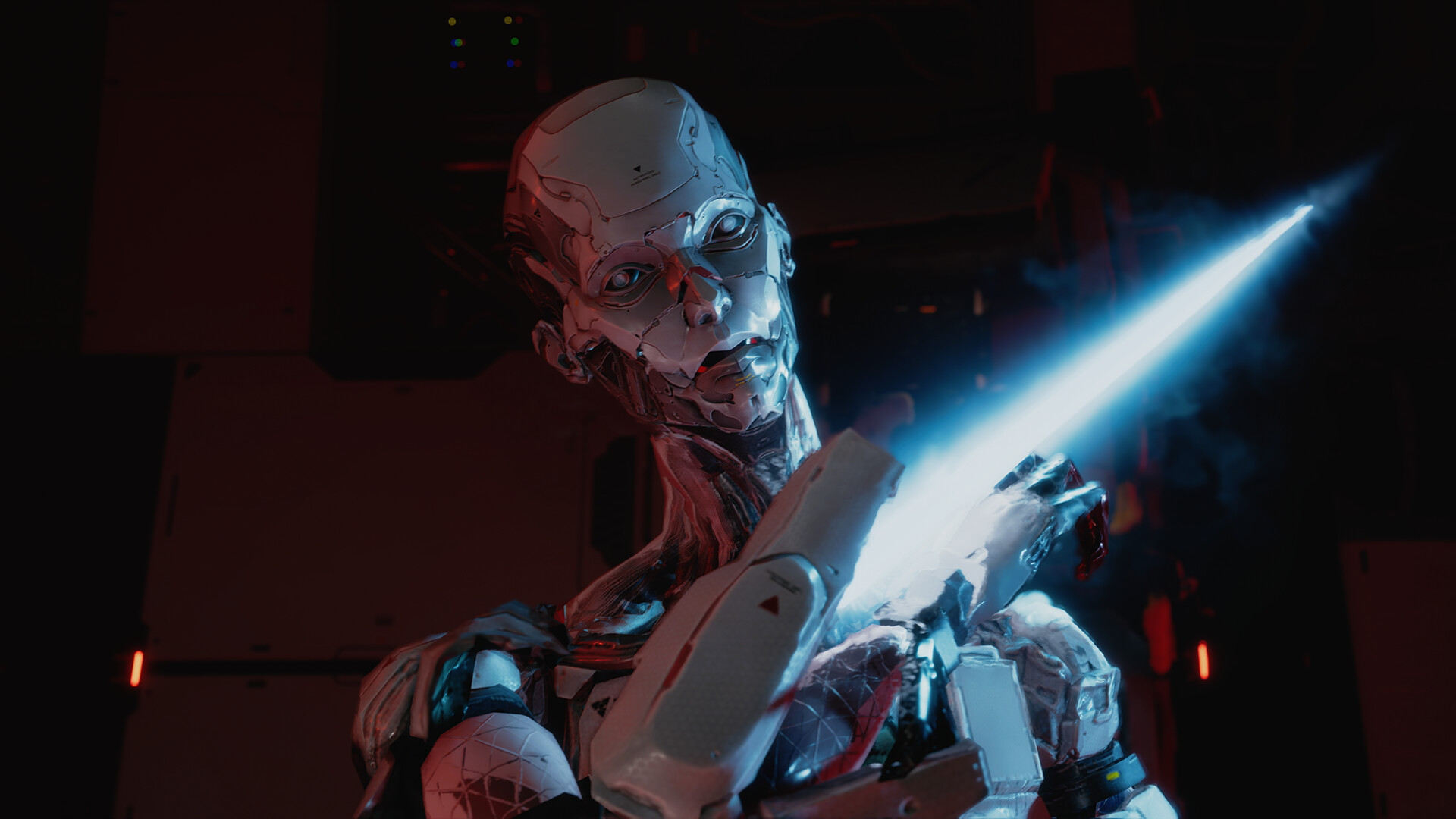
Unlike other games, Pragmata seems to offer a unique gameplay experience. Players will control two characters – astronaut Hugh Williams and a mysterious android girl named Diana – at the same time. Instead of just exploring pretty scenery and watching the story unfold, the game emphasizes constant interaction and problem-solving. You’ll need to manage multiple systems simultaneously to survive and move forward.
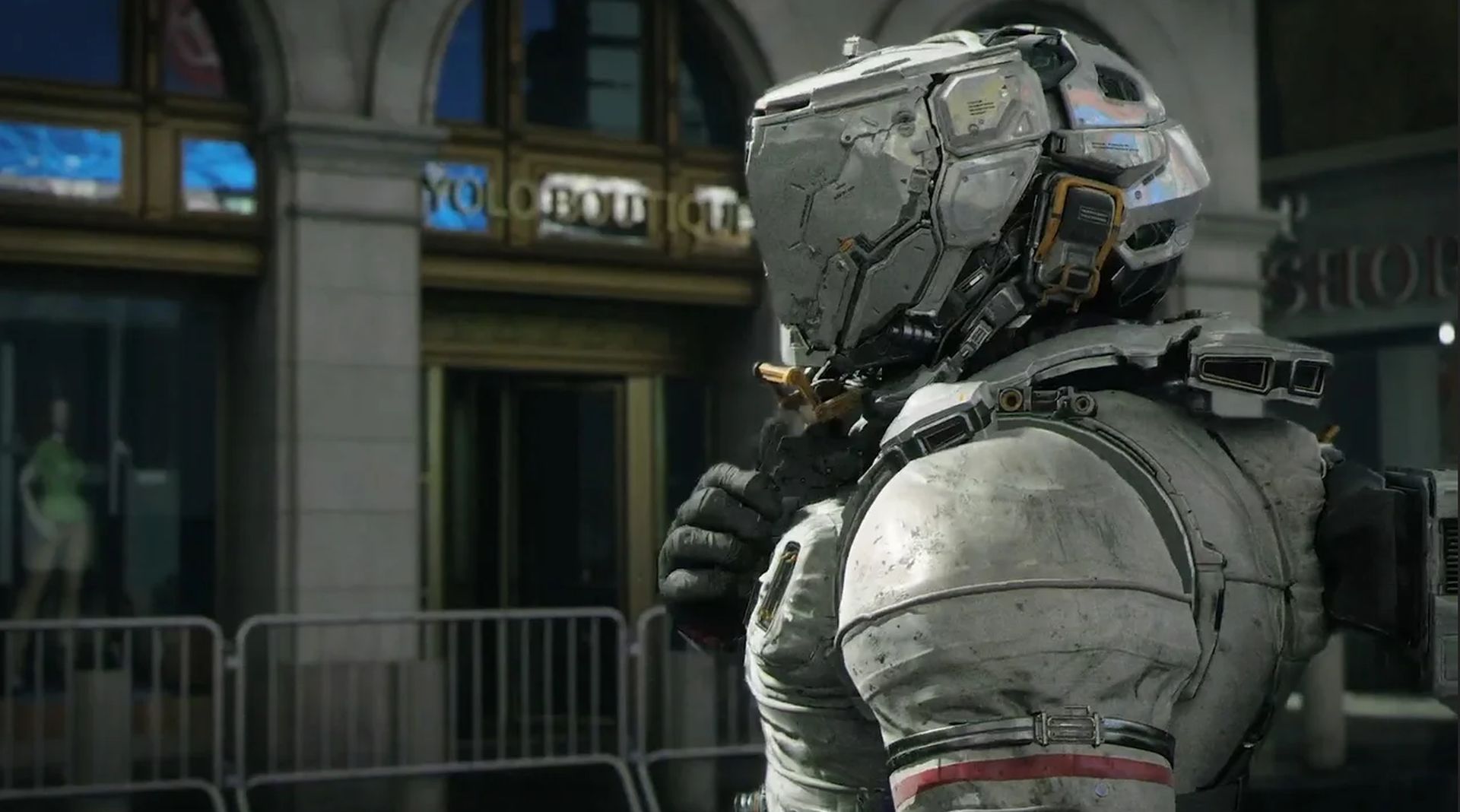
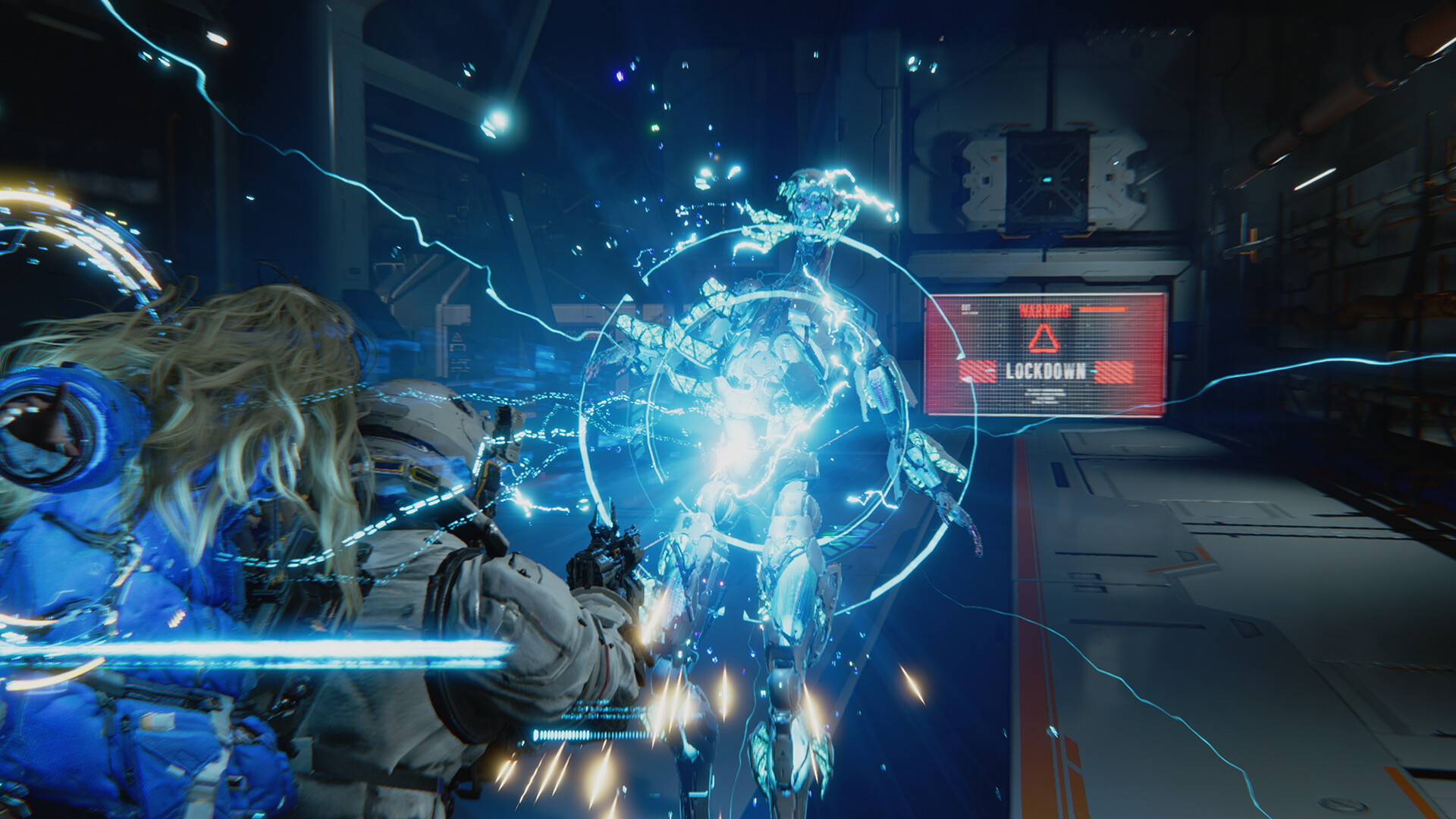
The way a game handles exploration is important. Many sci-fi games focus heavily on visually impressive environments, where players spend a lot of time simply observing and listening, with gameplay like fighting or building taking a backseat. However, early looks at Pragmata suggest it will be more interactive. Hacking isn’t just a side activity – it seems essential for getting around and fighting. Players use a hacking interface to solve puzzles on enemies, weakening them or taking them out. This design cleverly combines storytelling with active gameplay, creating a strong connection between the narrative and what players do, which should make the experience feel very cohesive and engaging.
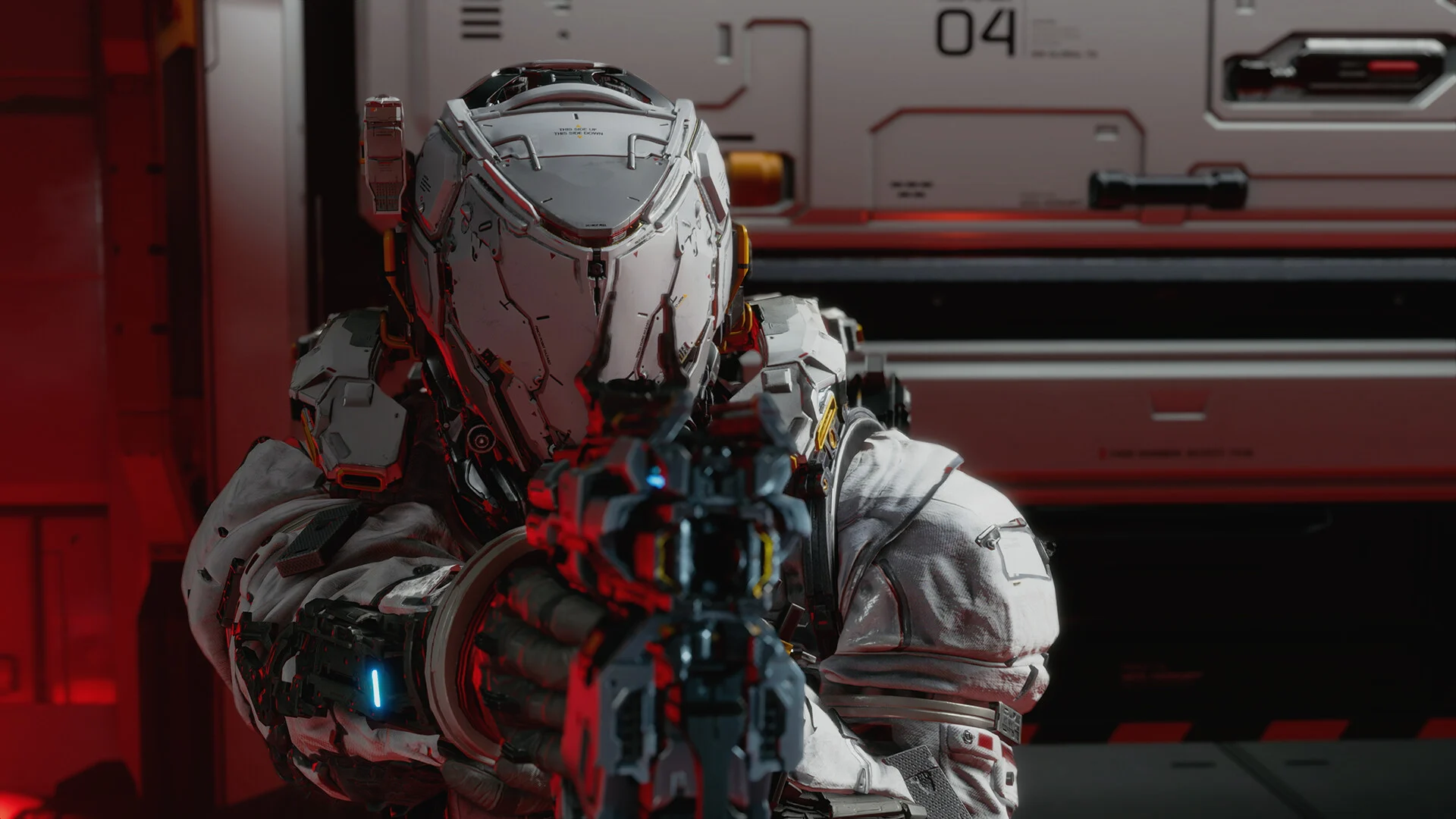
The game’s combat isn’t like most action games. Many modern titles focus on feeling powerful and mastering a character’s abilities – whether through impressive combos or aggressive attacks. Players usually control a single character who gets stronger, and the goal is to become skilled enough to win every fight with speed, technique, or accuracy. However, Pragmata seems to offer more complex choices. You control both Hugh, who moves and fights directly, and Diana, who hacks into enemy systems. This hacking feels like solving quick puzzles during combat, adding a tactical layer to each encounter.
The gameplay focuses on teamwork and strategy, not just quick reflexes. Players will need to manage multiple things at once – moving, aiming, and using in-game systems. Battles aren’t about mastering complex attack sequences; they’re about balancing different tasks and coordinating with others, like the difference between fighting alone and leading a team. This focus on layered coordination sets Pragmata apart in a genre often filled with games that prioritize complicated combos.
What really struck me about Hugh and Diana’s connection in this game is how different it is from most companion relationships I’ve seen. So many games have companions now, but they usually just feel like they’re there to help you, you know? Like, in The Last of Us, Ellie adds a lot to the story and helps in fights sometimes, but it’s still Joel’s journey. Or in a lot of other games, your companion might give you a hint or a little help in a fight, but you’re still doing all the work. This game feels different because Hugh and Diana genuinely change how you play. Their relationship isn’t just a nice story beat – it actually shapes the gameplay itself, which is amazing!
The game Pragmata seems to address past complaints about companion characters by making Diana a core part of the gameplay. She’s not just there for story purposes or minor help; her hacking skills are essential for Hugh to overcome obstacles and interact with the game world. This creates a true partnership where both characters are equally important, feeling less like one is assisting the other and more like they’re two pieces of a single system. While their emotional connection will likely be a key part of the story, Diana is mechanically just as vital to the game as the main character, Hugh.
One of the most interesting things about Pragmata is how it could blend action and puzzle-solving together. Most games keep these two elements separate, switching between fighting enemies and solving puzzles in different areas. This approach works by giving players clear changes in pace – intense action followed by calmer puzzle sections. However, it can sometimes make puzzles feel disconnected from the main gameplay experience, like a separate activity rather than a natural part of it.
It looks like Pragmata blends action and puzzle-solving seamlessly. Trailers show hacking happening during battles, making players think fast under pressure. Unlike many games where you pause to solve puzzles, Pragmata requires you to hack while still fighting, keeping you aware of everything around you. This creates a unique flow where winning depends on aiming, timing, and how quickly you can figure out the best hacking strategy – a refreshing change from the many games that focus solely on fast-paced combos.
This game stands out from many sci-fi mysteries because of its tone. Often, science fiction games focus on abstract ideas, using complicated stories and extensive background information. Games like Death Stranding and Control thrive on being unclear and symbolic, and frequently overwhelm players with detailed explanations and cutscenes – a tendency particularly noticeable in Hideo Kojima’s work – in an attempt to clarify their worlds.
Okay, so Pragmata looks super intriguing, but the main story actually feels pretty straightforward. You play as Hugh and Diana, and we’re basically stuck on the moon after something really bad happens at this research facility. The big goal? Get back to Earth! It’s cool because it’s not just about unraveling some big, confusing mystery right away. We’re in a crisis, and it feels like we need to do things to survive. There’s still a mystery about what went down on the moon, but escaping is definitely the priority.
The game benefits from a focused approach that avoids unnecessarily expanding the world or pushing lore onto players, and there are two main reasons for this. First, the combat is the game’s strongest feature, so everything else should support it. Second, the developer has a history of struggling with lore-rich games; while titles like Resident Evil and Street Fighter have extensive backstories, many fans aren’t impressed with those stories due to awkward writing and overly complex character development.
Launching a brand new game like Pragmata is a big risk, especially when most developers stick to proven ideas. However, Pragmata seems to be intentionally different. Its gameplay—mixing fast-paced combat with live hacking and controlling two characters at once—doesn’t fit easily into any one established genre. It’s a blend of action, puzzle-solving, and story-driven adventure. This unique combination is appealing to players, and it could be key to Pragmata standing out in a crowded market.
Just being different isn’t enough to make a game good, and I’m really hoping Pragmata gets it right. The way it looks cool needs to actually feel good to play – not confusing or clunky. Juggling two characters in a fast-paced action game is tough enough, but they also need to make sure the hacking stuff is easy to use even when things get crazy. It’s all about how well Hugh’s movement and Diana’s hacking work together – it needs to feel smooth, not awkward. If the developers can nail that balance, though, I think this game could be huge!
Honestly, what’s got me so hyped for Pragmata isn’t one big, flashy thing. It’s how all the different ideas seem to connect. You’ve probably seen bits and pieces of these ideas in other games before, but the way they’re all coming together feels really new. And it’s rare to see a AAA game where the gameplay and story really click like it looks like this one will.
If Pragmata lives up to the excitement shown in its first trailers, it has the potential to be a truly unique sci-fi game. With so many sequels and familiar games already available, its willingness to try something new could be the key to its success and make it one of the year’s most popular titles.
Just so you know, everything I’m saying here is my own opinion. GamingBolt doesn’t necessarily agree with everything I’m about to say, and they shouldn’t be held responsible for it either – it’s all me!
Read More
- Gold Rate Forecast
- Dune 3 Gets the Huge Update Fans Have Been Waiting For
- Looks Like SEGA Is Reheating PS5, PS4 Fan Favourite Sonic Frontiers in Definitive Edition
- Pluribus Star Rhea Seehorn Weighs In On That First Kiss
- Kelly Osbourne Slams “Disgusting” Comments on Her Appearance
- Arknights: Endfield – Everything You Need to Know Before You Jump In
- Antiferromagnetic Oscillators: Unlocking Stable Spin Dynamics
- Tomodachi Life: Living the Dream ‘Welcome Version’ demo now available
- Why Eriksholm: The Stolen Dream Could Be 2025’s Standout Stealth Experience
- LeAnn Rimes Details “Craziness” of Affair With Eddie Cibrian
2026-03-30 17:18