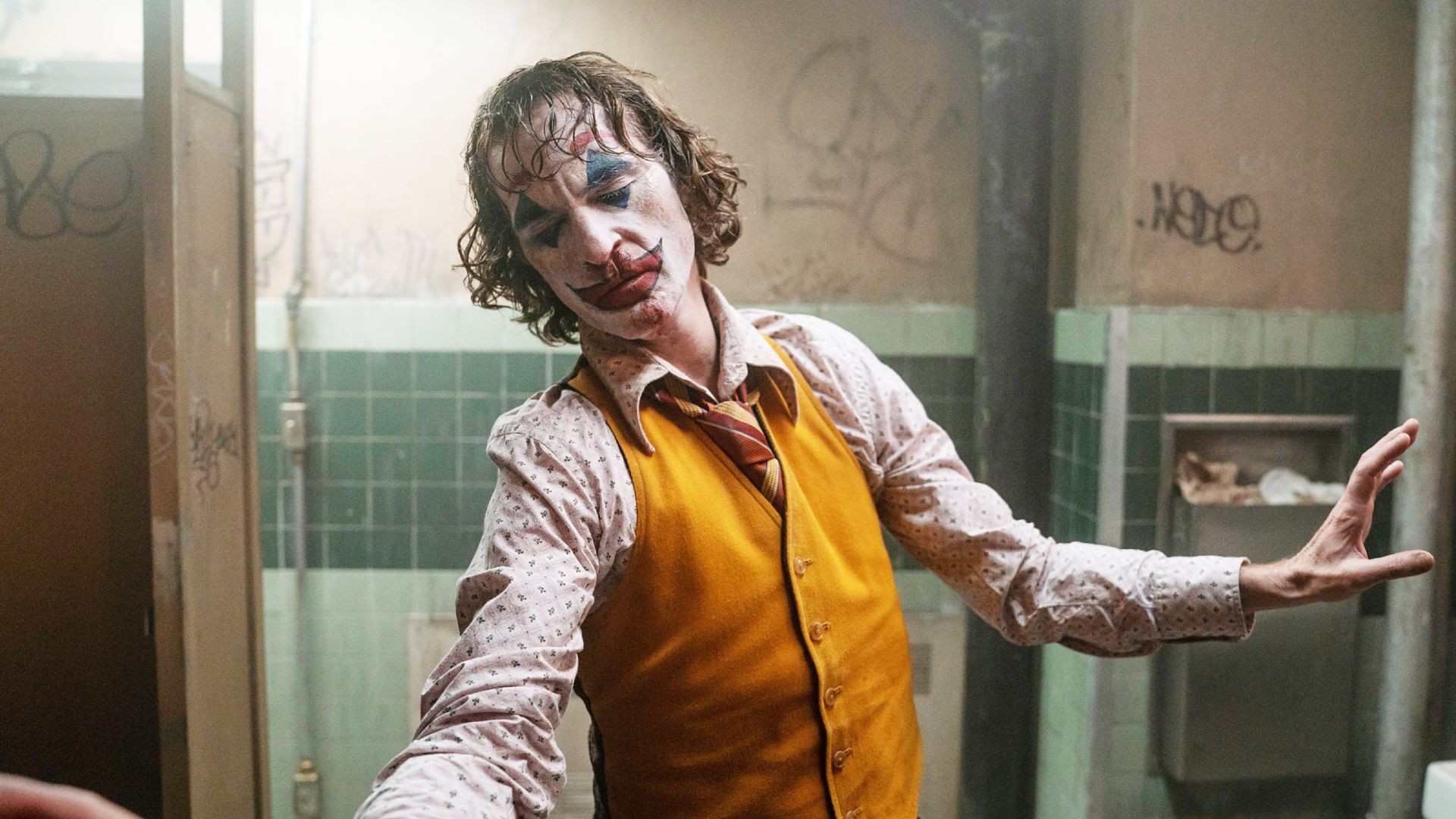
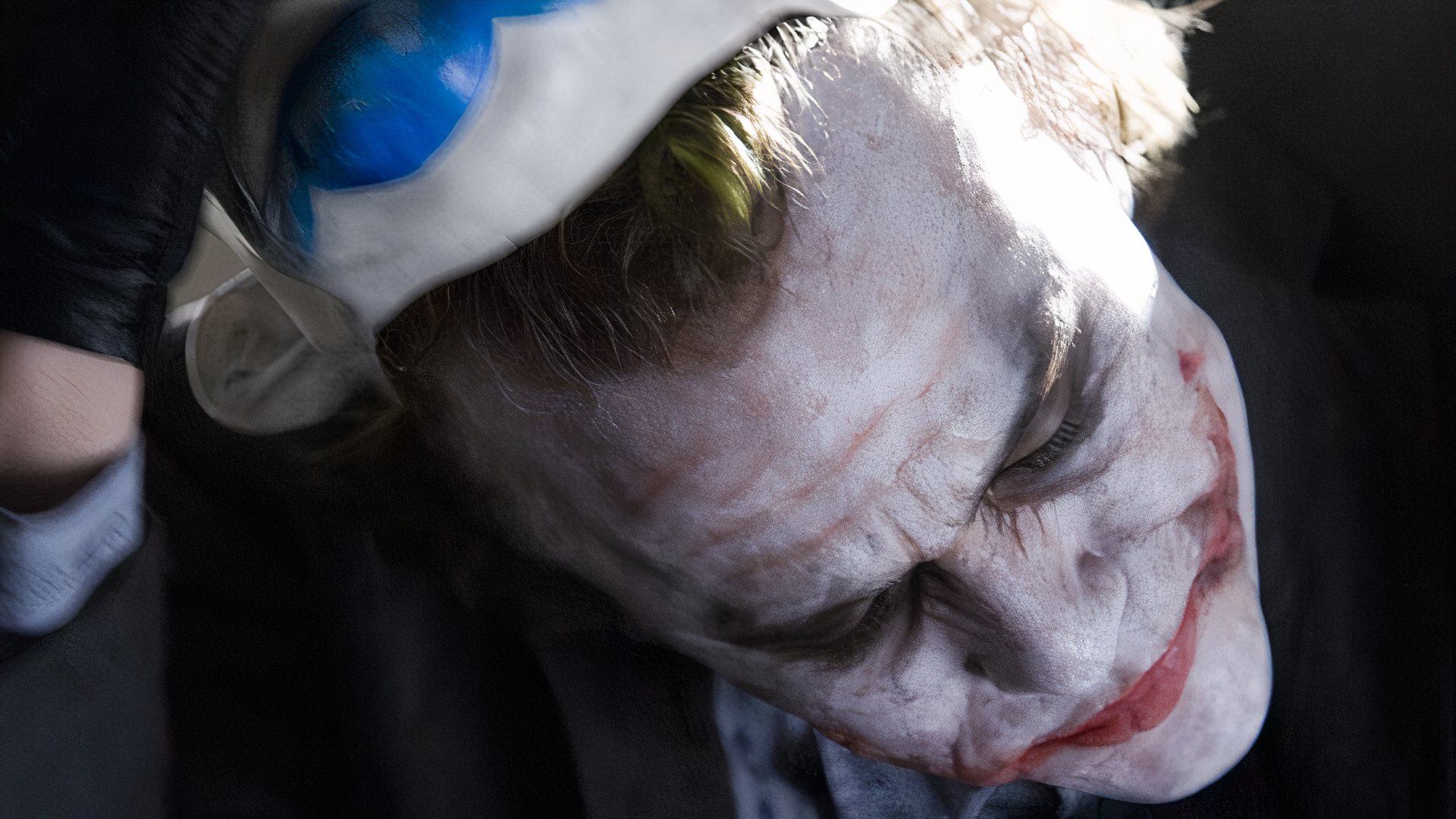
Heath Ledger’s portrayal of the Joker in the 2008 film The Dark Knight revolutionized superhero movies, and a single line played a huge part. During a scene where the Joker disrupts a mob meeting, he tells the story behind his scars. He describes a terrifying childhood incident where his drunken father slashed him with a knife, asking, “Why so serious?” before making the cuts. The Joker repeats this phrase immediately before killing Gambol, giving the audience their first complete understanding of the character – he’s not just a criminal, but something far more disturbing.
The line isn’t just a casual remark; it defines the character’s entire outlook and becomes a central theme. From the beginning, it shows he’s fundamentally different and out of step with everyone else. This single phrase has become incredibly famous, inspiring countless parodies, memes, and even tattoos. “Why So Serious?” is now instantly recognizable as belonging to this character and represents a shift towards more complex, realistic, and psychologically motivated villains in film.
Super Villains Were Very Different Before ‘The Dark Knight’
ABC
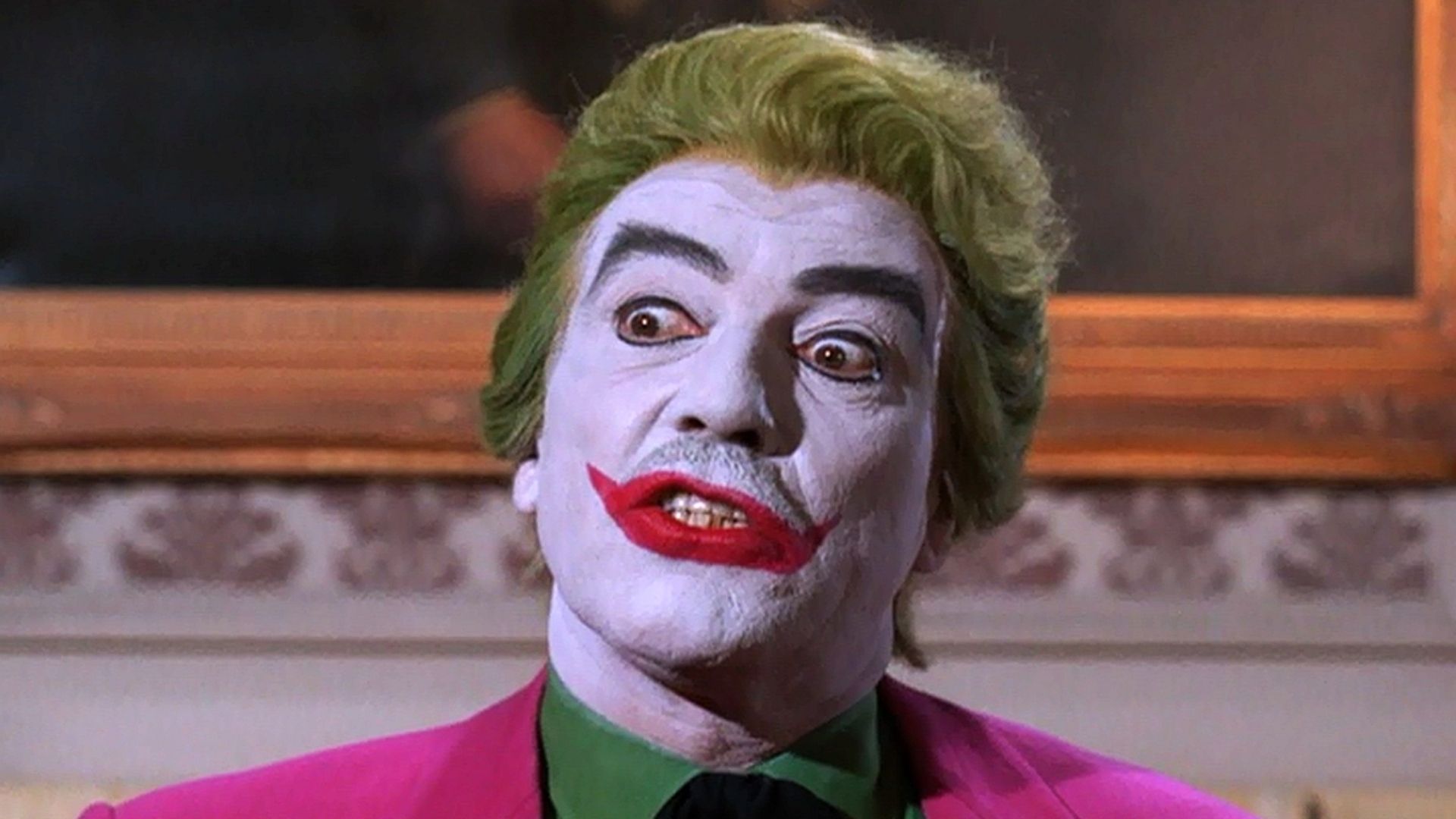
In the 1960s, Adam West’s Batman defined how superheroes were portrayed on television. The show was incredibly popular, known for its colorful and exaggerated style, and it set the standard for bringing comics to the screen for many years – it was seen as the safe and reliable approach. These adaptations often featured villains who were over-the-top, theatrical, and focused on entertainment rather than creating a sense of unease. Interestingly, this continued even as comic books themselves began to explore darker and more complex themes with writers like Dennis O’Neil and Frank Miller. While comics like The Dark Knight Returns, Watchmen, and The Punisher demonstrated the potential for gritty, mature storytelling, films of the late 70s and 80s, such as Flash Gordon and the Superman movies, largely stuck with a lighthearted, family-friendly tone.
After the hit movie Beetlejuice, director Tim Burton reimagined Batman in 1989, creating a dark and unsettling Gotham City. While his Batman film was a significant shift in tone, Jack Nicholson’s Joker, though frightening and violent, still felt somewhat like a cartoon character, prioritizing showmanship over a deep backstory. Burton continued this darker approach with the villain Penguin in Batman Returns, who was more unsettling than previous versions, foreshadowing the intensity of Heath Ledger’s Joker. However, Penguin’s motivations were rooted in personal revenge, and his villainy was expressed through exaggerated performance rather than the psychological depth that would later become a hallmark of villains inspired by Ledger.
Although Tim Burton had moved Batman towards a grittier, more adult direction, Warner Bros. and director Joel Schumacher quickly reversed those changes. Batman Forever returned to a lighter, more colorful style, notably casting Jim Carrey as a wildly exaggerated Riddler. However, Batman and Robin is often seen as the final blow. It was a campy and poorly received film, widely considered one of the worst superhero movies ever made. Despite a large budget, the film suffered from a jarring tone, weak humor, over-the-top action, and unconvincing special effects. The franchise then went on hiatus for a decade before being revitalized by Christopher Nolan’s Dark Knight trilogy, which is both critically acclaimed and the most financially successful period in Batman’s cinematic history.
“Why So Serious?” Is Among the Most Iconic Movie Quotes of All Time
Warner Bros.
Some superhero films have explored darker, more complex ideas, featuring villains driven by strong beliefs and more realistic stories. Films like Blade were known for their violence, The Crow for its gloomy atmosphere and questionable morals, and Unbreakable presented a villain with radical philosophies. However, these movies felt like one-off attempts rather than truly groundbreaking shifts in the genre. Ultimately, few characters have the enduring impact of Batman.
While Batman Begins started moving superhero movies towards a more realistic style, The Dark Knight was where the change really took hold. Heath Ledger’s portrayal of the Joker is incredibly powerful and disturbing. He isn’t a typical villain; he’s an anarchist, a force of chaos, who wants to reveal the flaws in society and show how easily order can break down. His famous line, “Why so serious?”, is a challenge, forcing both the characters in the movie and the audience to wonder if rules, morals, and social conventions really matter when everything is ultimately unpredictable.
The Joker isn’t just a typical supervillain; he’s a complex character who truly challenges Batman’s values and way of thinking. The movie itself is both imaginative and realistic, refusing to offer simple answers. It was a massive commercial success, becoming the first superhero film to earn over $1 billion and earning Heath Ledger a posthumous Academy Award. Many still consider it a cinematic masterpiece, captivated by its thrilling, unpredictable story and a villain who felt genuinely dangerous and unforgettable.
Villains Haven’t Been the Same Since Heath Ledger’s Joker
Marvel/ © Walt Disney Studios Motion Pictures /Courtesy Everett Collection
After the film The Dark Knight, superhero movie villains started becoming more complex. Christopher Nolan showed that villains are more interesting when motivated by their beliefs rather than just wanting power or getting revenge. Because of this, villains aren’t simply defined by their abilities or overly ambitious schemes anymore. Instead, there’s a greater emphasis on what they stand for and the difficult moral questions they raise.
DC Comics has recently featured villains who are more complex, realistic, and psychologically driven. For example, Bane in The Dark Knight Rises exploited popular anger, fear, and grand displays to disrupt society. In The Batman, the Riddler was depicted as a believable serial killer who used his actions to expose corruption in Gotham. The film Joker further humanized the Joker character, presenting him as a struggling individual with mental health issues, powerfully portrayed by Joaquin Phoenix, on the brink of collapse.
Subscribe for deeper takes on film villains and culture
Subscribing to the newsletter unlocks thoughtful analysis of how characters like the Joker reshaped storytelling, plus broader film and cultural insights to sharpen your appreciation of modern cinema.
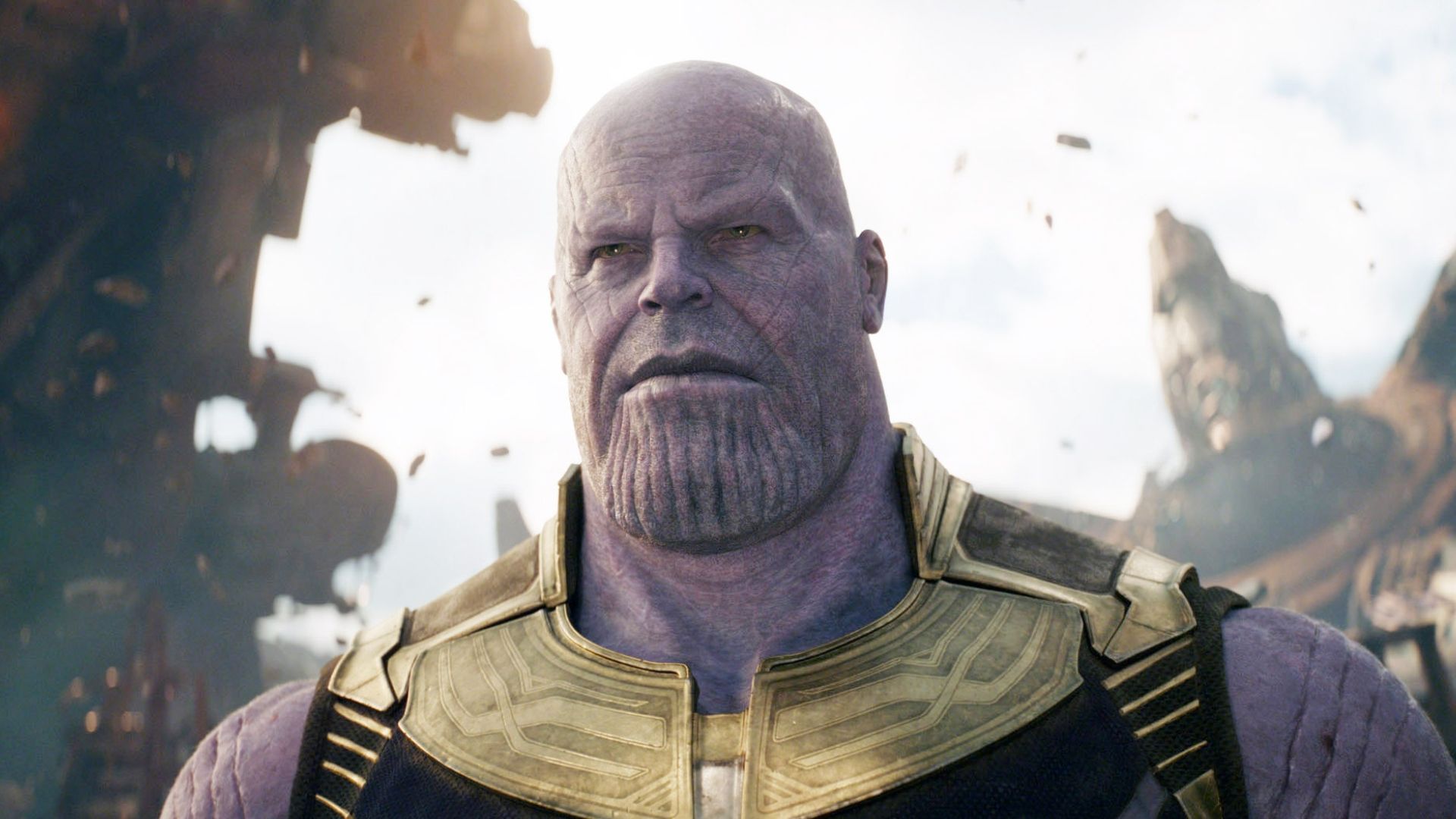
This trend isn’t limited to DC Comics; it’s also appearing in Marvel stories. Characters like Magento are now often shown as sympathetic figures driven to extremes by past mistreatment, and Killmonger’s anger in Black Panther stems from real injustice and oppression. Even Thanos, despite committing genocide, believes he’s solving a problem he truly understands – albeit through horrific means.
I still get chills thinking about Heath Ledger’s Joker and that haunting question, “Why So Serious?” It wasn’t just a cool line; it felt like a turning point. Before that, villains were often just there for the fun of it, but the Joker felt…real. He wasn’t just trying to destroy things; he was making you think and feel genuinely uneasy. Combined with a script that was surprisingly dark and smart, it completely changed how we see superhero movies. It proved they could be just as deep, complex, and powerful as any serious film – something I never expected, and something I truly appreciate.
Read More
- What Song Is In The New Supergirl Trailer (& What It Means For The DC Movie)
- One of Hulu’s Best New Shows Lands on Disney+ Ahead of Season 2
- Eurogamer Gives ARC Raiders 2/5 Over AI Voices, Dropping Metacritic Score from 94 to 84
- Gold Rate Forecast
- Invincible Season 4 Confirms a Major Atom Eve Change From the Comics
- 10 Best Connie Episodes of King of the Hill
- MCU’s Lost Squirrel Girl Star Addresses Marvel Return, 9 Years After Cancellation
- Disney Has Only Launched 10 New Franchises in the 21st Century
- Prime Video’s “Realistic” Urban Fantasy Series Is Still a Must-Watch for Steampunk Fans
- Hideo Kojima Says He Was Never Told About The Matrix Creators Wanting Him to Make a Game
2026-01-05 02:04