
Most people who have seen Wicked on Broadway – even devoted fans – agree that the first act is better than the second. The first act features the show’s most memorable songs and biggest performance numbers. It’s also where we see the enjoyable development of the relationship between the two main characters, as they go from rivals to friends. The second act tends to focus more on serious themes, darker moments, and references to The Wizard of Oz.
It’s not surprising that Wicked: For Good isn’t as strong as the first movie. Once Universal decided to split the Wicked musical into two large-scale films, this result – like a spell that can’t be reversed – became unavoidable.
You know, I actually think cutting Wicked in half could have made the original even better. It was already a show full of incredible moments, and trimming it felt like it just amplified those highs – it was faster, more energetic, and visually stunning. But Wicked: For Good… well, it felt like the opposite. It focused on all the weaker parts, and unfortunately, it made them worse. Everything felt slower and gloomier, and the overreliance on digital effects didn’t help. The problem is, those down moments weren’t balanced by the big, unforgettable songs like “Defying Gravity” or “Popular.” Plus, director Jon M. Chu really stretched out the second half – it was already longer, and he added even more with new songs and some seriously unconvincing CGI action sequences, bringing the total runtime to a whopping 137 minutes.

Just like the first movie, the best parts of Wicked: For Good come from Cynthia Erivo, who plays Elphaba, and especially Ariana Grande as Glinda. In fact, director Jon M. Chu might be considered one of the best directors recently simply for casting these two incredible performers. A key moment is the title song, a moving duet the two witches sing as they try to repair their relationship and acknowledge each other’s strengths. While their voices are amazing, it’s their acting during the song that truly stands out – you can see so much emotion on their faces.
A standout moment is the song “For Good,” and there are other highlights, like a funny fight scene between the leads that recalls the energy of “Popular” from the first Wicked movie. However, unlike the first film, where Elphaba and Glinda’s stories unfolded alongside each other with frequent shared scenes, Ariana Grande and Cynthia Erivo mostly follow separate paths in Wicked: For Good. Over the year between the films, Elphaba has become a rebel fighting against the tyrannical Wizard (Jeff Goldblum), who rules Oz through lies and the oppression of animals.
When the Wizard falsely accuses Elphaba of being a traitor, Glinda doesn’t believe him and disapproves of how he uses fear to control people and strengthen his own power. However, she stays by his side, driven by her own desire for power and a need to prove herself as a witch. A past event reveals the source of her insecurities. Glinda is also trying to win over the charming guard, Fiyero, but his willingness to marry her simply to please her should raise red flags – especially since he’s clearly interested in someone else, specifically Elphaba.
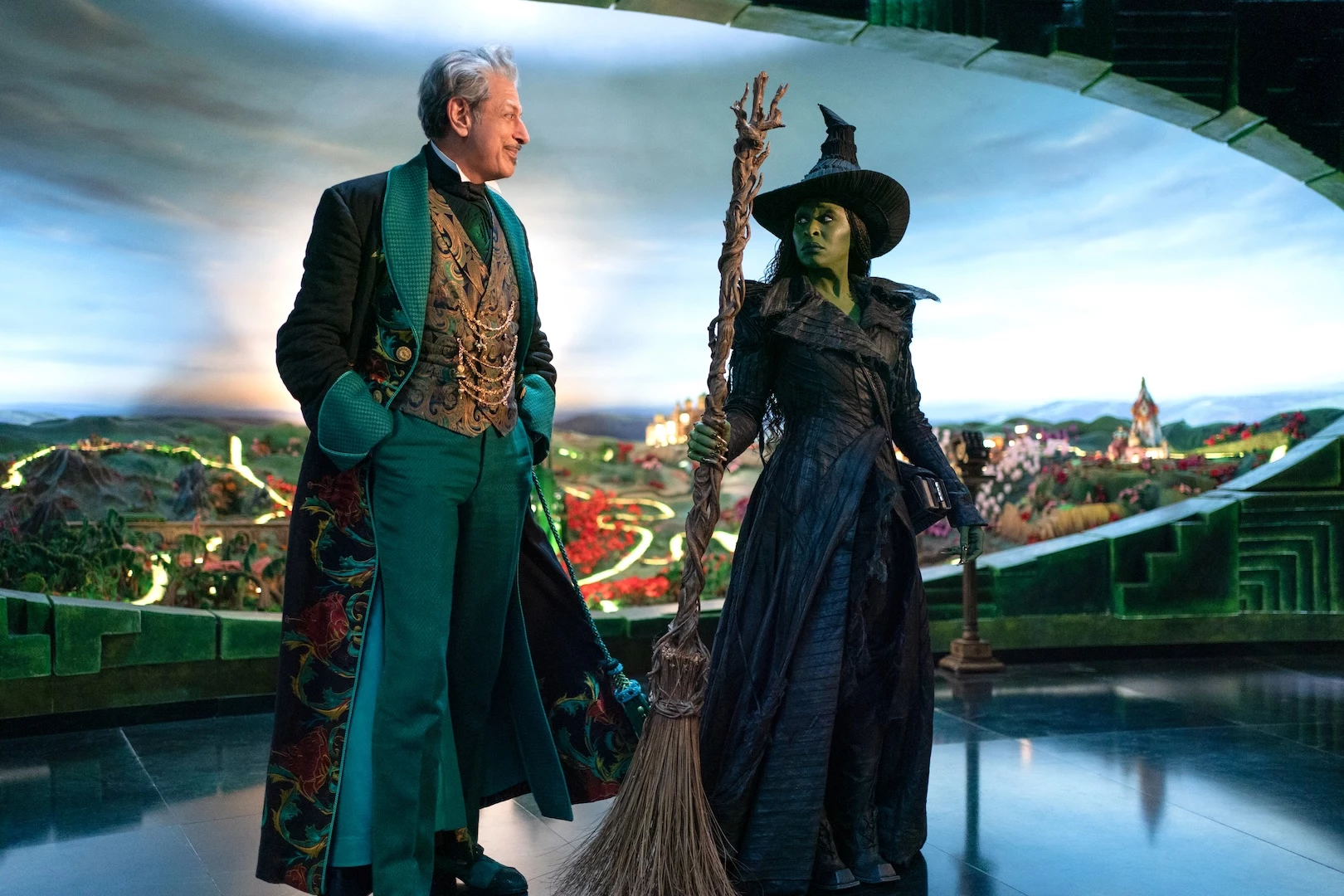
In the musical, the falling out between Elphaba and Glinda doesn’t feel as significant because it happens relatively early in the second act, as the story builds towards its ending. However, turning a small part of the original story into a full-length movie requires adding a lot of unnecessary material. The film includes a lengthy intermission that revisits songs – and especially Glinda’s popular dance scenes – from the first movie. Both Glinda and Elphaba sing decent, but not particularly memorable, ballads. There’s also an elaborate action scene where Elphaba fights the Wizard’s helpers while they’re constructing the Yellow Brick Road.
Thankfully, the movie doesn’t end with Elphaba breaking the fourth wall with a line like “Goodbye, Yellow Brick Road!” However, that moment wouldn’t have felt too out of place, given the film’s tone. Wicked: For Good does include Elphaba saying “I’m off to see the Wizard,” and that’s just one of several references to The Wizard of Oz that feel a bit forced in this half of the Wicked story. While these films are obviously based on L. Frank Baum’s books (and Gregory Maguire’s novels), Wicked: For Good really leans into those Wizard of Oz connections—to the point where those references feel like they should lead to something bigger, but the movie doesn’t quite deliver.
As a big movie fan, something that really bothered me about Wicked: For Good was how they used the Tin Man. He pops up quite a bit, but his story just…ends. If you’re going to bring in these iconic Wizard of Oz characters, you need to give them a purpose, a payoff. And honestly, Wicked: For Good just doesn’t do that. It felt like they were there for fan service, but didn’t really add anything to the story.
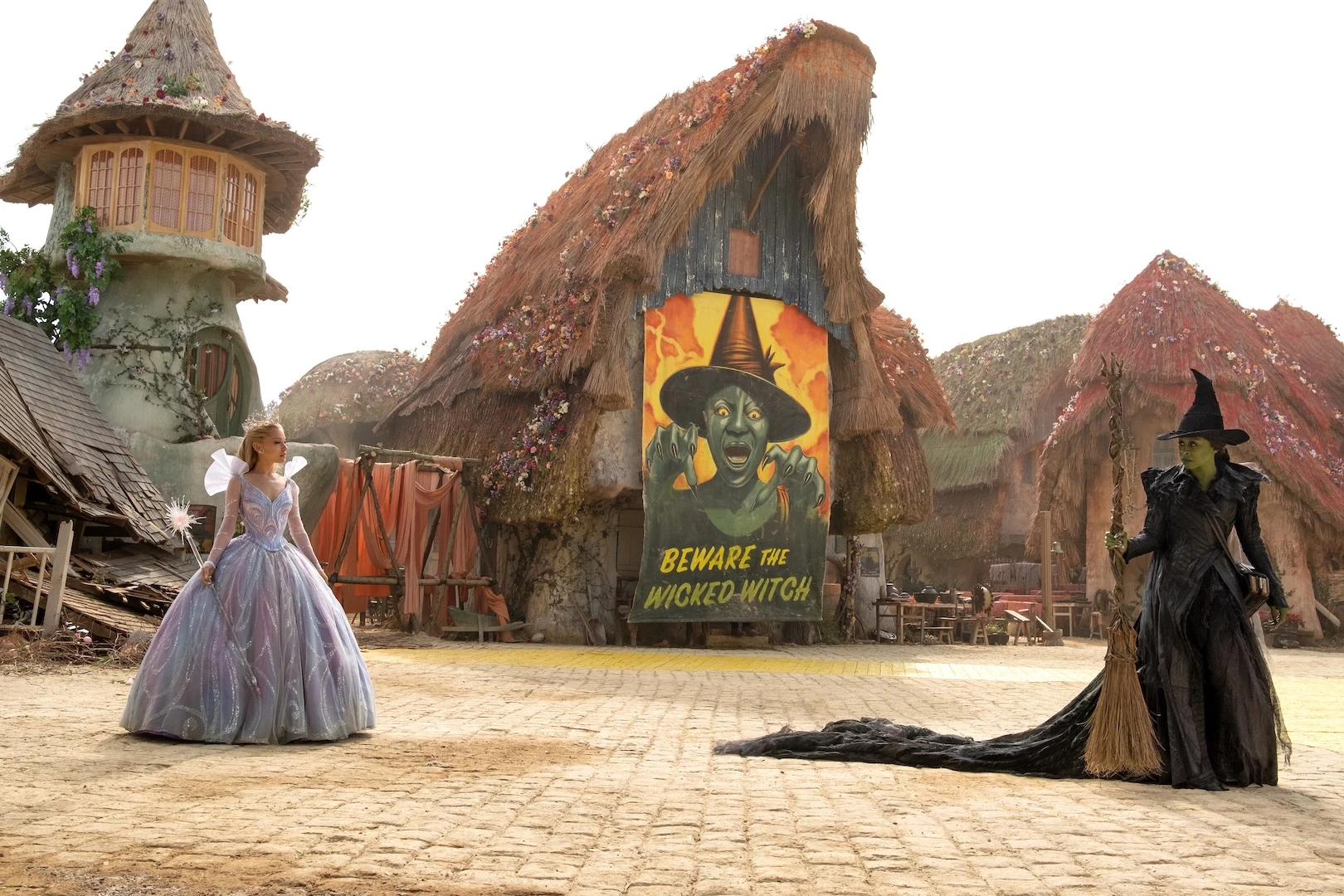
The visual elements of Wicked, much like the story, can be divided into two areas. The costumes by Paul Tazewell, the production design by Nathan Crowley, and Alice Brooks’ cinematography powerfully convey the film’s themes through color, composition, and scale. However, the digital effects – especially the many artificial creatures and magical settings – often detract from the impact of the impressive practical effects. The emotional power of a song like “For Good” comes from its simplicity: just two characters performing together on a minimal set, free from the distraction of overly flashy computer-generated imagery like castles or flying monkeys.
The strongest reason to split Wicked into two movies is that it allows audiences to truly connect with the characters and enjoy the fantastic chemistry between Cynthia Erivo and Ariana Grande. Their performance of “For Good” feels especially powerful because you’ve spent so much time with them throughout this long, sweeping story. However, does extending the story justify the moments in Wicked: Part One that feel unnecessarily drawn out? Just like the song suggests, even positive changes don’t always lead to better results.
RATING: 6/10
The Best and Worst Reviewed Movies by 25 Top Directors
J.J. Abrams
Paul Thomas Anderson

Wes Anderson
Critics loved Moonrise Kingdom, giving it a 93% rating. On the other end of the spectrum, The Life Aquatic With Steve Zissou received a 57% rating, making it the lowest rated film.

Michael Bay

Kathryn Bigelow

Tim Burton

James Cameron

The Coen Brothers

Jon Favreau

David Fincher

Greta Gerwig

Peter Jackson

Spike Lee

George Lucas
Critics give American Graffiti the highest rating, with 95% approval. Star Wars: Episode I – The Phantom Menace received the lowest rating, with only 53% approval.

Christopher Nolan

Jordan Peele

Sam Raimi

The Russo Brothers
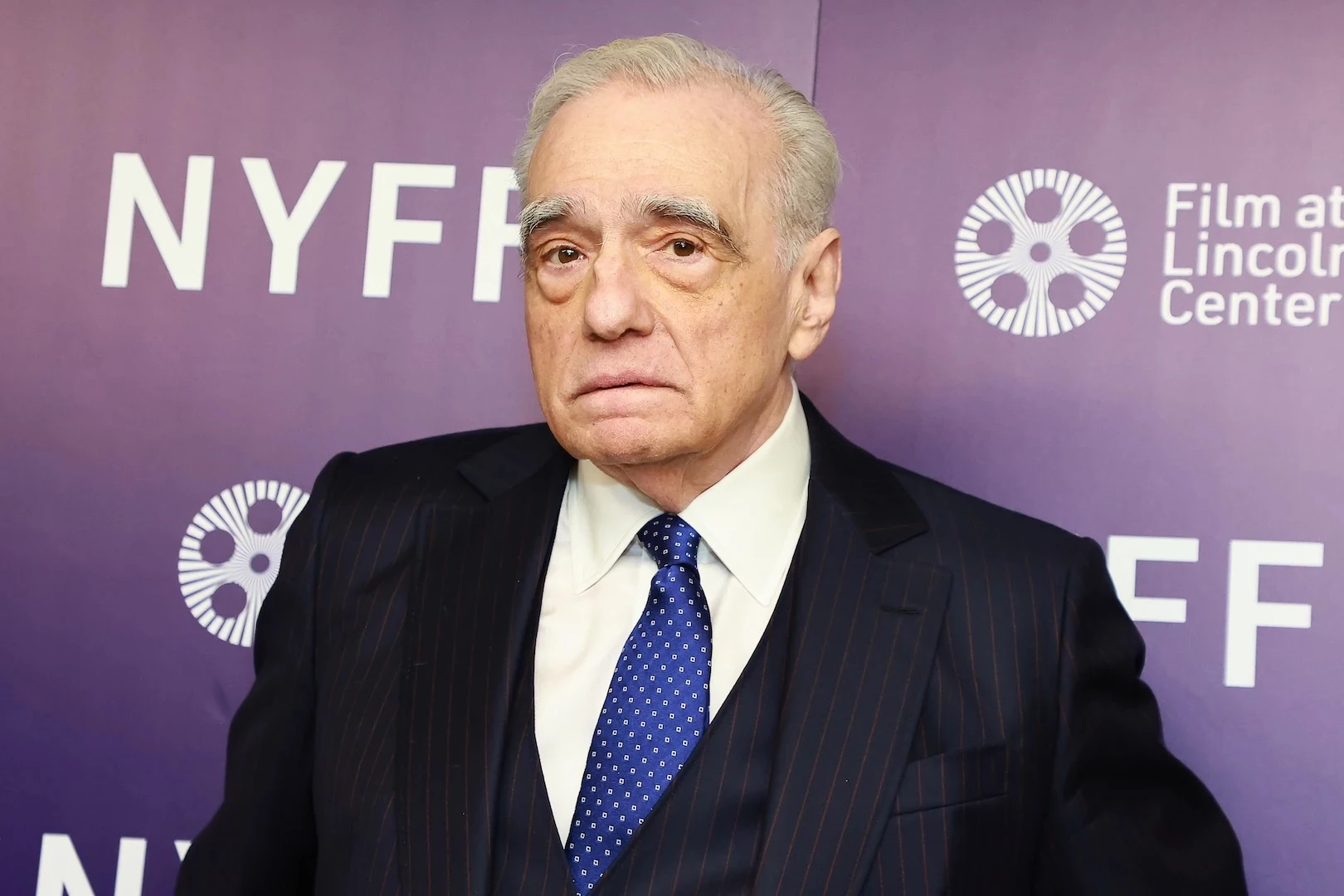
Martin Scorsese
The highest-rated films are Personality Crisis: One Night Only, My Voyage to Italy, and A Personal Journey Through American Movies With Martin Scorsese (all receiving a 100 percent rating). The lowest-rated film is Boxcar Bertha, with a 54 percent rating.

Ridley Scott

M. Night Shyamalan

Zack Snyder
Critics gave Dawn of the Dead the highest rating, with 77% approval. Rebel Moon: Part Two — The Scargiver received the lowest rating, at only 16%.
Steven Spielberg

Quentin Tarantino
Robert Zemeckis
Read More
- The Super Mario Galaxy Movie: 50 Easter Eggs, References & Major Cameos Explained
- 10 Best Free Games on Steam in 2026, Ranked
- Sydney Sweeney’s The Housemaid 2 Sets Streaming Release Date
- Why is Tech Jacket gender-swapped in Invincible season 4 and who voices her?
- All 13 Smash Bros. Characters in the Super Mario Galaxy Movie
- Welcome to Demon School! Iruma-kun season 4 release schedule: When are new episodes on Crunchyroll?
- WTH?! Twitter Drops Fake Daredevil: Born Again Season 2 Spoilers as Character Return Confirmed
- Dune 3 Gets the Huge Update Fans Have Been Waiting For
- Highly Anticipated Strategy RPG Finally Sets Release Date (And It’s Soon)
- Forza Horizon 6 ‘Prologue’ gameplay
2025-11-18 21:00