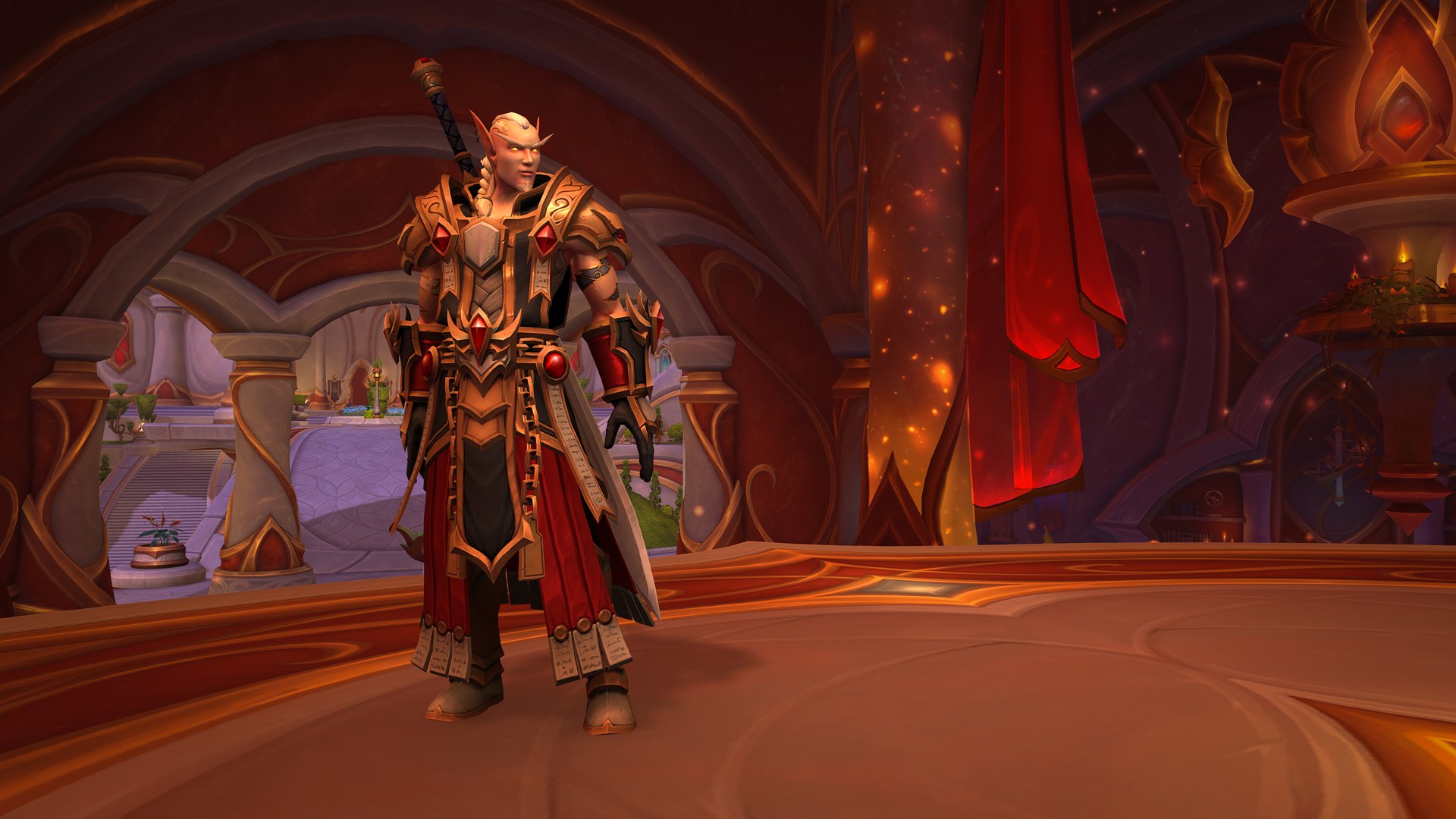
The 2024 expansion, The War Within, introduced a new way of storytelling for World of Warcraft. Continuing this direction, Midnight – the second part of a planned three-part story – immediately follows the events of the first, with Xal’atath and her Void army attacking the Sunwell in Quel’Danas. This new expansion also includes a lot of fresh content, such as updated versions of familiar areas, brand new zones to discover, and a range of dungeons and smaller adventures to complete.
While The War Within added Delves as a completely new type of PvE activity, Midnight doesn’t have one big, headline feature – player housing is the closest thing. Instead, Midnight focuses on smaller improvements, such as new quests, and continuing the main story.
The Midnight questline quickly gets you involved in the fight against Xal’atath’s invasion. You’re called to the Sunwell by Lady Liadrin, a leader of the Blood Knights, to help gather troops. Once you arrive in Quel’Danas, you’ll immediately be working to unite commanders, weaken the Void army, and save civilians. The beginning of the questline introduces the main threats of the expansion – the Void, a possible corruption of the Light, and the Amani Trolls – and then lets you choose where to go next. Your early options include heading to Zul’Aman, Harandar, or starting Arator’s Journey in Silvermoon.
All three story paths offer a compelling start. The Zul’Aman path dives into the long-standing conflict between Blood Elves and Amani Trolls, complicated by a new threat from the Void. Arator’s Journey explores the Paladins’ fight against the Void, following Arator as he travels across Azeroth to find powerful relics. The Harandar path feels the least developed, focusing on a mystery: the Light, traditionally seen as good, may be corrupting the land and its creatures. Ultimately, these stories lead to a final showdown in the Voidstorm, where you’ll defeat Xal’atath’s commanders and establish a base to prepare for the coming battle.
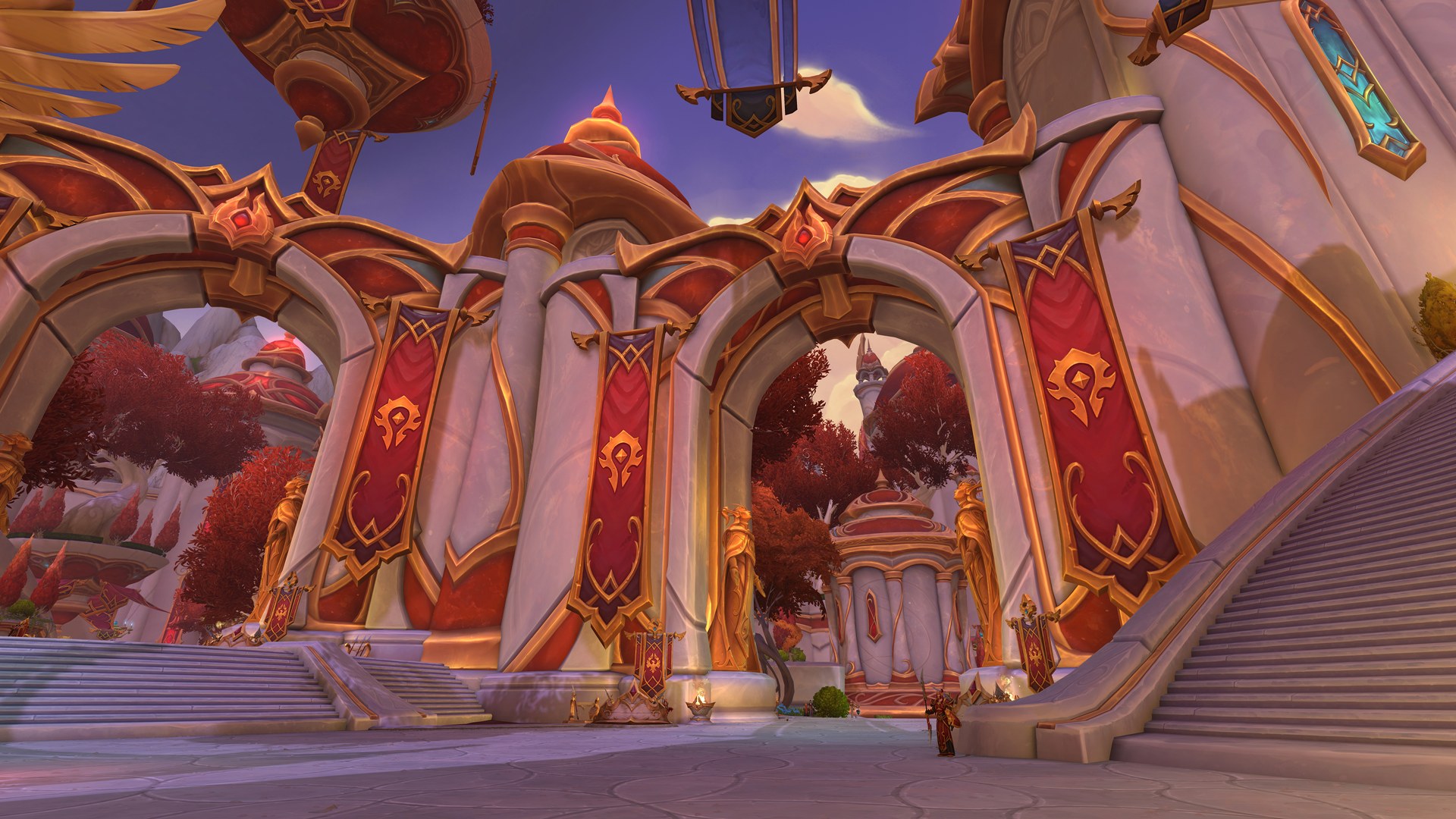
“These stories all converge into the final stretch that takes you into the Voidstorm”
The story’s quality varies. The writing is generally good, and I particularly enjoyed the Zul’Aman section, which introduced the Amani troll leader, Zul’jarra, and her efforts to restore ties with the Loa spirits. However, some areas, like Harandar, didn’t grab my attention. The idea of the Light as a corrupting influence is intriguing, but it doesn’t feel fully developed here. A similar storyline was executed more effectively in Final Fantasy 14: Shadowbringers.
The campaign Midnight largely focuses on Arator as the central character. He serves as a contrast to his father, Turalyon, who is becoming increasingly fervent in his devotion to the Light. However, the writing sometimes struggles with Arator’s age; despite being over 40, he’s often portrayed as immature, with his storyline revolving around learning about past Paladin heroes. Arator’s mother, Alleria Windrunner, is also significant, though she appears later in the story to assist with the Voidstorm.
Even with its flaws, Midnight does a good job of laying the groundwork for what’s coming next in the story. The game’s story isn’t complete yet, and future updates – including raids and other endgame content – will likely expand on the consequences of the Voidstorm and what happens with the Amani Trolls.
The main story isn’t very long – I completed it in about 15 hours. However, unlike previous expansions, playing only the main campaign in Midnight won’t get you to the level needed to continue the overall story. After finishing the first three parts of the campaign, I reached level 85 and had to complete a few side quests to gain the extra level required to start the Voidstorm’s story. Even after finishing the main story, I didn’t quite reach the new level cap of 90, so I had to grind through dungeons, delves, and world quests from level 87 onwards. While the leveling pace isn’t a major issue – doing side quests also adds some engaging character stories about how people are responding to the current crisis – it’s something to consider if you’re rushing to reach the endgame content.
Players who’ve been exploring since the 2007 expansion, The Burning Crusade, will likely be pleased with the updates to the Blood Elf starting areas. Eversong Woods and Ghostlands have been merged into one larger map, and the damage from the Scourge invasion—originally seen in Warcraft 3: Reign of Chaos—has been repaired. Zul’Aman, once a challenging raid and dungeon in World of Warcraft, has been greatly expanded into a full zone. Silvermoon City, the Blood Elf capital, has also received a significant overhaul, transforming from a small hub into a much more detailed and immersive city. These changes combine the northern portion of the Eastern Kingdoms into a single, expansive continent that players can fly across without loading screens.
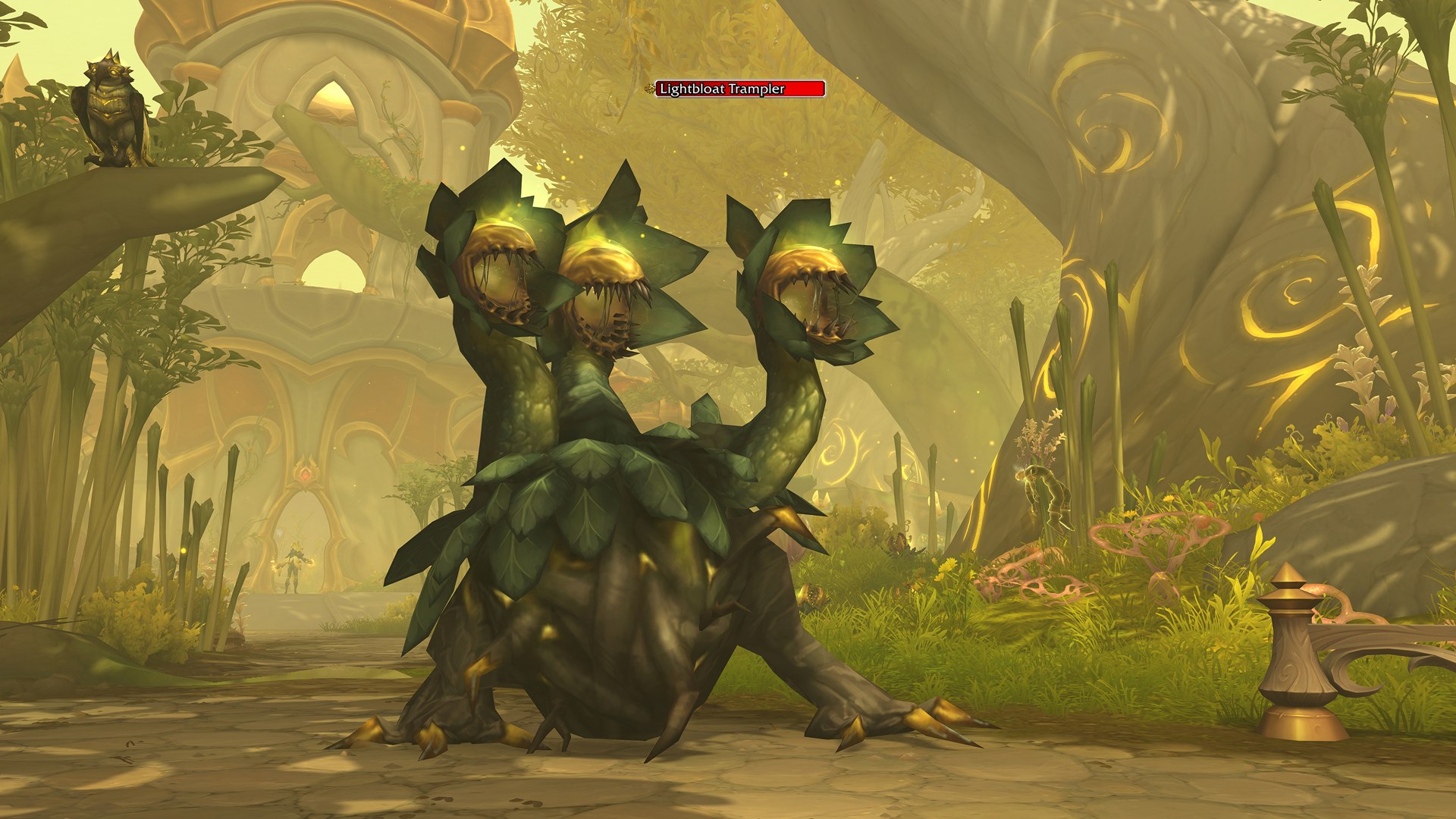
Unlike past expansions, playing only the main story in Midnight won’t give you enough experience to continue with the game’s narrative.
The update introduces two new zones: Harandar and the Voidstorm. The Voidstorm ties directly into the concluding sections of the ongoing campaign. However, Harandar feels a bit underwhelming. It’s a nature-based zone situated deep underground where the roots of the World Trees converge. Unfortunately, much of the area uses uninspired color schemes – mostly greens and browns – and lacks a visually striking sky to break things up.
Voidstorm, while visually similar to other recent areas with its heavy use of blues and purples, is a bit more engaging because it depicts a significant military conflict that concludes the current story arc. However, both of these new zones feel separate from the rest of World of Warcraft. You can’t travel to them naturally through the game world; instead, you must use portals. This also makes the zones feel smaller and more isolated than they actually are.
As a Demon Hunter fan, I’m really excited about the changes! They’ve added a whole new way to play with the Devourer specialization, and it’s totally leaning into the cool Void stuff from Midnight. All the abilities look amazing and feel much more connected to that primal power. Plus, they added a new Hero Talent tree called Annihilator, which is all about maximizing damage! They even revamped the old Fel Scarred tree, renaming it Void-Scarred and giving it a visual overhaul. What’s really different is that this new spec focuses on casting spells from a bit further away, which is a big change for us Demon Hunters who usually like to be right up close in melee combat.
The gameplay is fast and enjoyable, staying true to what players expect from this class. However, it’s still too early to say if the class is perfectly balanced – right now, it feels a little underpowered compared to others. We’ll have a better idea once raids are available and adjustments are made. Also, many players, including myself, were surprised to learn that this class relies on Intellect as its primary stat instead of Agility. If you’re switching from another class, you may need to spend some time collecting gear like trinkets and rings that boost your Intellect.
When it comes to Demonology Warlocks and Fury Warriors, the way they generally play hasn’t changed significantly. Demonology Warlocks lost a few abilities, like sacrificing imps for resources, but Fury Warriors still feel fast-paced and energetic. The new Hero Talent Trees haven’t added much impact yet, mostly just providing small damage or stat boosts. However, a significant new addition to the end of these talent trees does noticeably improve their core abilities. After playing through many dungeons while leveling my character, named Midnight, it seems like class balance is currently pretty good, with tanks, damage dealers, and healers all performing well. I did notice it was difficult to find many Rogue players, though.
Currently, all three character roles – tanks, damage dealers, and healers – appear well-balanced at the start of the new expansion. There aren’t any major issues with one role being significantly stronger or weaker than the others.
Player housing is a major part of the World of Warcraft: Midnight expansion. While housing was added to World of Warcraft previously, Midnight lets players really explore and use it. The system seems inspired by Final Fantasy 14, and when you first log in after purchasing the expansion, you’ll be guided through a tutorial. This tutorial takes place in a special neighborhood and walks you through everything from buying land to decorating your home and finding furniture.
The housing system in World of Warcraft: Dragonflight, called Midnight, is a fun addition, even though it doesn’t directly impact gameplay. It doesn’t make you stronger in raids or PvP, but gives players a new place to relax and socialize. It’s a separate activity you can enjoy when you need a break from the usual content. Interestingly, your house can be ‘leveled up’ by collecting decorations. Each level unlocks more space and new rooms, letting you customize your home even further.
You can find decorations from different sellers all over the world. Completing quests in Midnight also rewards you with furniture that fits the theme. Even when raids become available, the Adventure Journal shows they’ll be another way to earn new and unique furniture.
The new housing system is a fantastic addition to World of Warcraft, bringing back the social interaction that’s been missing since the introduction of Garrisons in the Warlords of Draenor expansion back in 2014. While it doesn’t offer much in terms of improving your ability to complete difficult content, simply spending time with friends and guildmates before tackling challenges like Mythic+ dungeons creates a strong sense of community, something that many online games today are missing.
Beyond just providing new housing, Midnight offers several compelling features. The addition of the Haranir race gives players who enjoy creating new characters another reason to explore the game. Plus, the new Prey system introduces optional outdoor challenges, making the game world feel more alive and engaging between story missions.
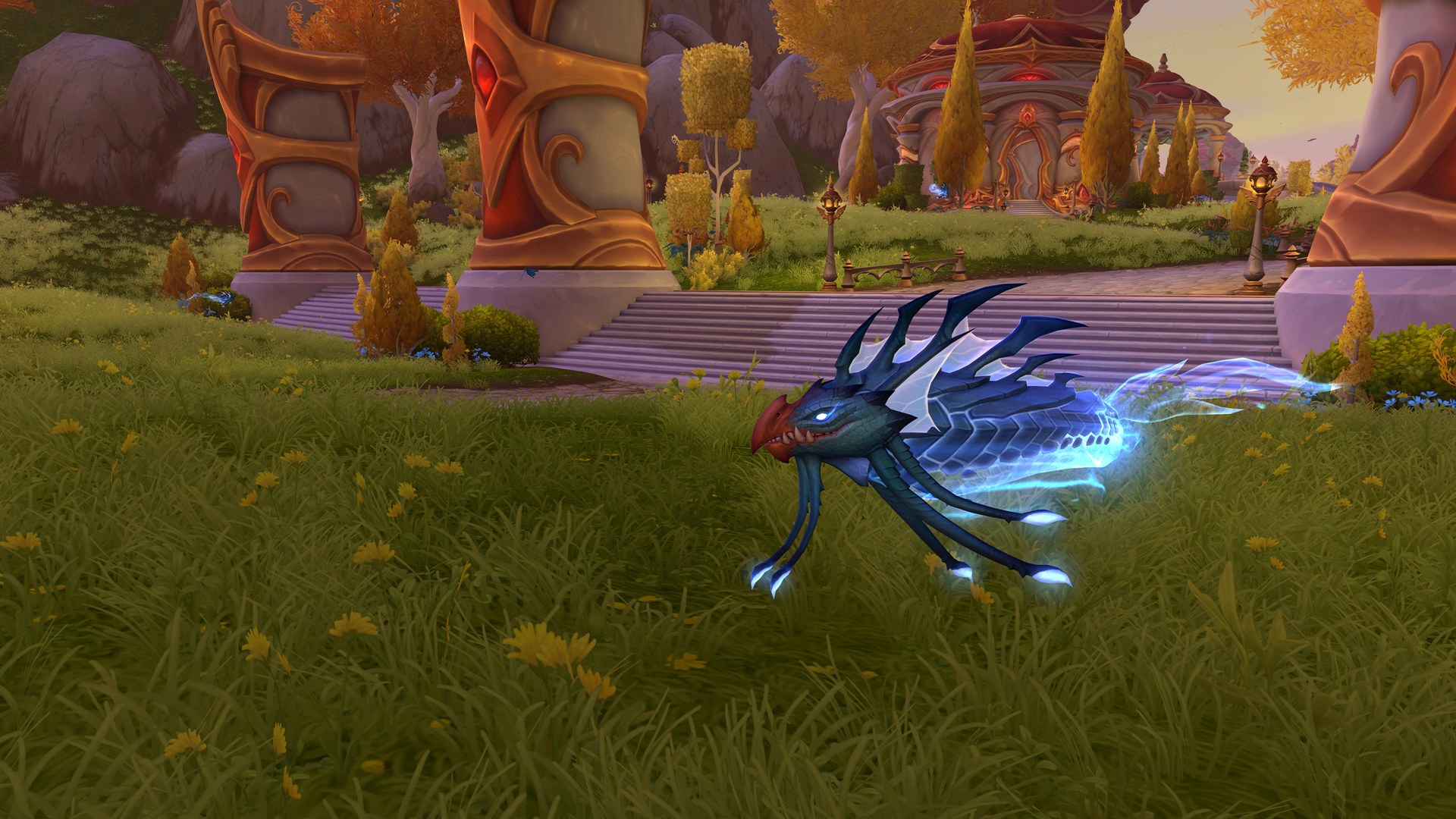
Although the housing system in Midnight doesn’t really affect how you play World of Warcraft, it’s a nice feature to have.
The new dungeons and delves in Midnight are fun, offering fresh group and solo experiences, but they don’t fundamentally change how these activities work. Delves remain well-crafted for solo players, and now feature Valeera Sanguinar as your companion instead of Brann Bronzebeard.
Player versus player combat hasn’t received many updates, with the biggest addition being a new Battleground called Slayer’s Rise, which supports 40 players per team. A new feature, PvP Training Grounds, lets players practice against AI opponents in three familiar Battlegrounds: Arathi Basin, Silvershard Mines, and Battle for Gilneas. While experienced players might not find much value in the Training Grounds, it could be a helpful way for newcomers to understand how their abilities work in a real match.
Professions haven’t seen any huge changes; they’ve mostly been tweaked and refined. The core systems remain similar to those introduced in the Dragonflight expansion, and the new recipes are fairly standard for a launch. As usual, prices for new materials and crafted items are very high right now, but the in-game economy should become more balanced once raiding begins and players can reliably get better gear without needing to gather resources. Professions like Jewelcrafting, Enchanting, Cooking, and Alchemy will continue to be consistently in demand, as players always need consumables, gems, enchantments, and food for buffs.
Let’s address the big issue: for years, World of Warcraft allowed players to heavily customize their interface with addons. This created a cycle where powerful addons, such as WeakAuras, could make difficult challenges too easy by providing simple visual cues. Blizzard then responded by making raids even harder to balance things out. Now, with Midnight, the developers are taking a different approach. They’ve significantly limited the functionality of addons like WeakAuras and DeadlyBossMods, and are instead building similar, user-friendly features directly into the game to improve readability and accessibility.
Boss fights in dungeons are now more engaging because the game no longer relies on obvious visual cues, like large red warnings, to tell players when to avoid attacks. This also means Blizzard needs to make enemy attacks clearer than ever, as players can’t use external tools to track boss abilities anymore. Overall, I think this change is a positive step, as needing add-ons to enjoy challenging content always felt like a design flaw.
Blizzard needs to make enemy attacks very clear and easy to see. Players can no longer use external programs to monitor things like how long it takes for boss abilities to recharge, so the game itself has to provide that information.
Transmogrification, which lets you change the look of your gear using items you’ve already earned, has also been improved. Now you can create and save complete outfits, which is much easier than having to remember exactly how you put them together before.
The graphics in World of Warcraft are beginning to look dated. While the Midnight expansion is beautiful, featuring stunning new areas, impressive dungeons, and a fantastic new capital city, some of the in-game cutscenes during quests suggest the engine is reaching its limits. Many scenes have awkward animations and characters with lifeless expressions.
Performance in World of Warcraft: Midnight is excellent. Even with the detailed and expansive new city of Silvermoon, I didn’t experience any lag or dropped frames on my computer (equipped with an AMD Ryzen 7 7800X3D, Radeon 7800 XT, and 32GB of RAM). I consistently achieved over 100 FPS with all graphics settings at their highest, even during challenging dungeon battles. Server stability has also been good, probably because players who purchased more expensive versions had early access, which helped smooth out the initial surge.
World of Warcraft: Midnight feels more like a solid update to the game rather than a completely new experience. It builds upon ideas and systems introduced in The War Within, focusing on improvements rather than groundbreaking changes. Despite this, it’s a well-made expansion that generally succeeds. The story is promising, and the ending quests left me eager for the future raids. The dungeons and smaller adventures are fun, and it’s great to see some older areas of the game looking refreshed. While the story might be confusing for newcomers, Midnight is still a good place to jump in, and players can always explore previous expansions if they want to get caught up.
This game was reviewed on PC.
Read More
- Gold Rate Forecast
- Kelly Osbourne Slams “Disgusting” Comments on Her Appearance
- One of Hulu’s Best New Shows Lands on Disney+ Ahead of Season 2
- Hideo Kojima Says He Was Never Told About The Matrix Creators Wanting Him to Make a Game
- Guardians of the Globe Members We Want to See in Invincible Season 4
- What Song Is In The New Supergirl Trailer (& What It Means For The DC Movie)
- ’90s Cartoon Reboot & TMNT Connection!
- Dune 3 Gets the Huge Update Fans Have Been Waiting For
- The Most Iconic Kids Show of All Time Just Brought Brand New Episodes to Netflix
- Eurogamer Gives ARC Raiders 2/5 Over AI Voices, Dropping Metacritic Score from 94 to 84
2026-03-11 23:14