If you enjoyed the horror film We Bury the Dead, you’ll likely love the upcoming 28 Years Later: The Bone Temple. This second film in the 28 Years Later trilogy is getting a lot of positive buzz, and horror fans are eagerly anticipating its release, especially those who connected with the themes of loss in We Bury the Dead.
Before that, viewers should check out Zak Hilditch’s new movie, featuring Daisy Ridley as a grieving widow traveling through a zombie-filled landscape, hoping to find peace. Although opinions are mixed, fans of the thoughtful and character-driven aspects of 28 Years Later will likely enjoy this film.
Why You Need To Check Out We Bury The Dead

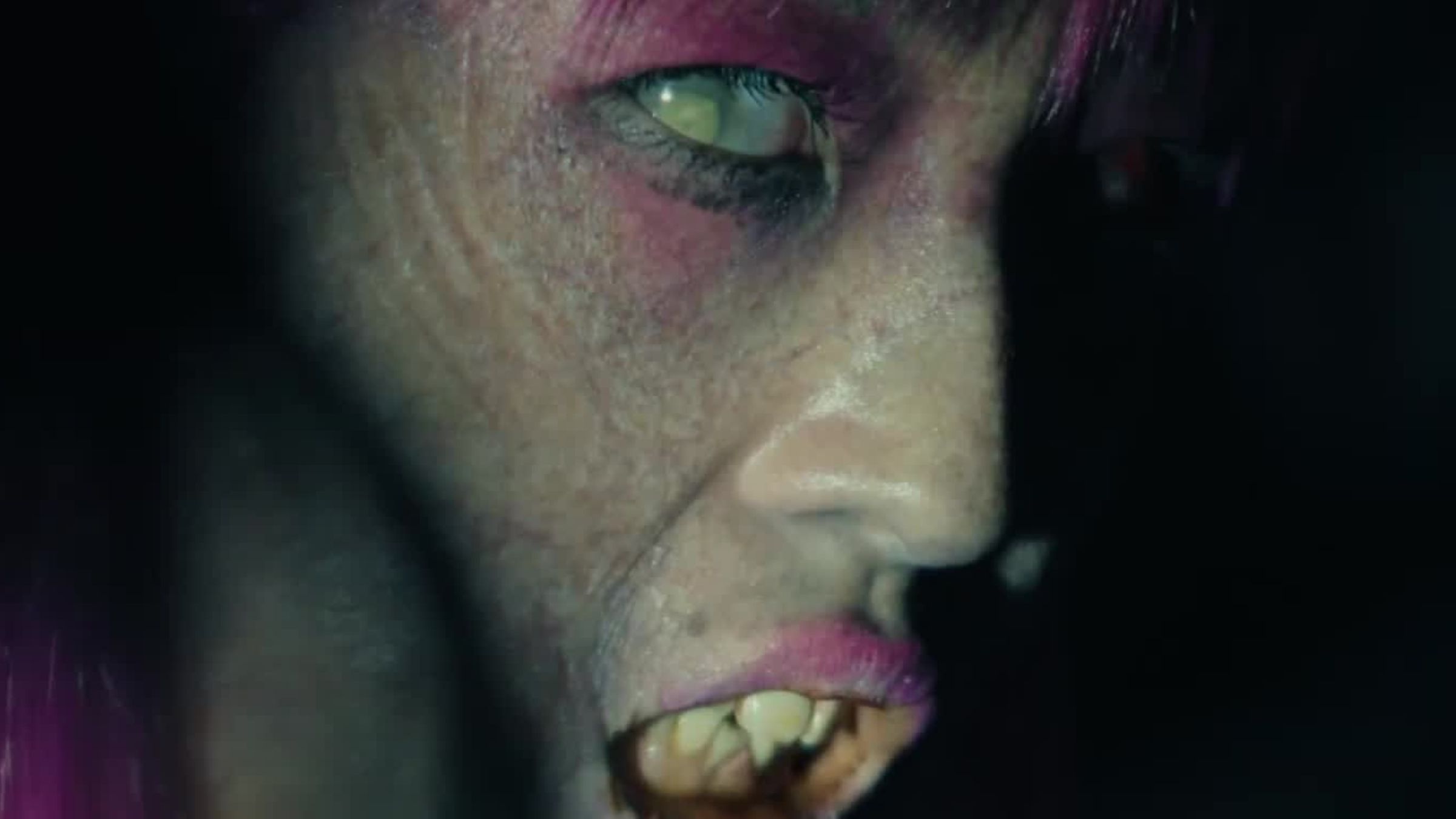
I absolutely loved We Bury the Dead! To me, it felt way more connected to the fast-paced, terrifying world of 28 Days Later than to the classic, slower zombie movies by George Romero, or even something like Train to Busan. These aren’t your typical zombies, though. They’re actually people who were changed by some kind of scientific accident – it’s what made them monsters and stripped them of everything that made them human.
While 28 Years Later tapped into anxieties about biological warfare, We Bury the Dead presents a section of Tasmania devastated by an accidental weapons test. As cleanup crews remove the bodies, they begin to realize that some individuals are waking up, but without any signs of awareness or higher brain function.
Over time, these creatures become increasingly restless, ultimately leading to violent outbursts. By presenting a more realistic take on zombies, We Bury the Dead allows the film to concentrate on a deeper, more character-driven story, specifically focusing on Ava, played by Daisy Ridley.
Ava, an American volunteer, is desperately searching for her husband, Mitch, who was in Tasmania on business when the explosion happened. She needs to find him, even if it’s just to have some peace of mind. The actress playing Ava delivers a powerful and subtle performance, effectively portraying her growing sadness and worry.
We Bury The Dead Is All About Grief
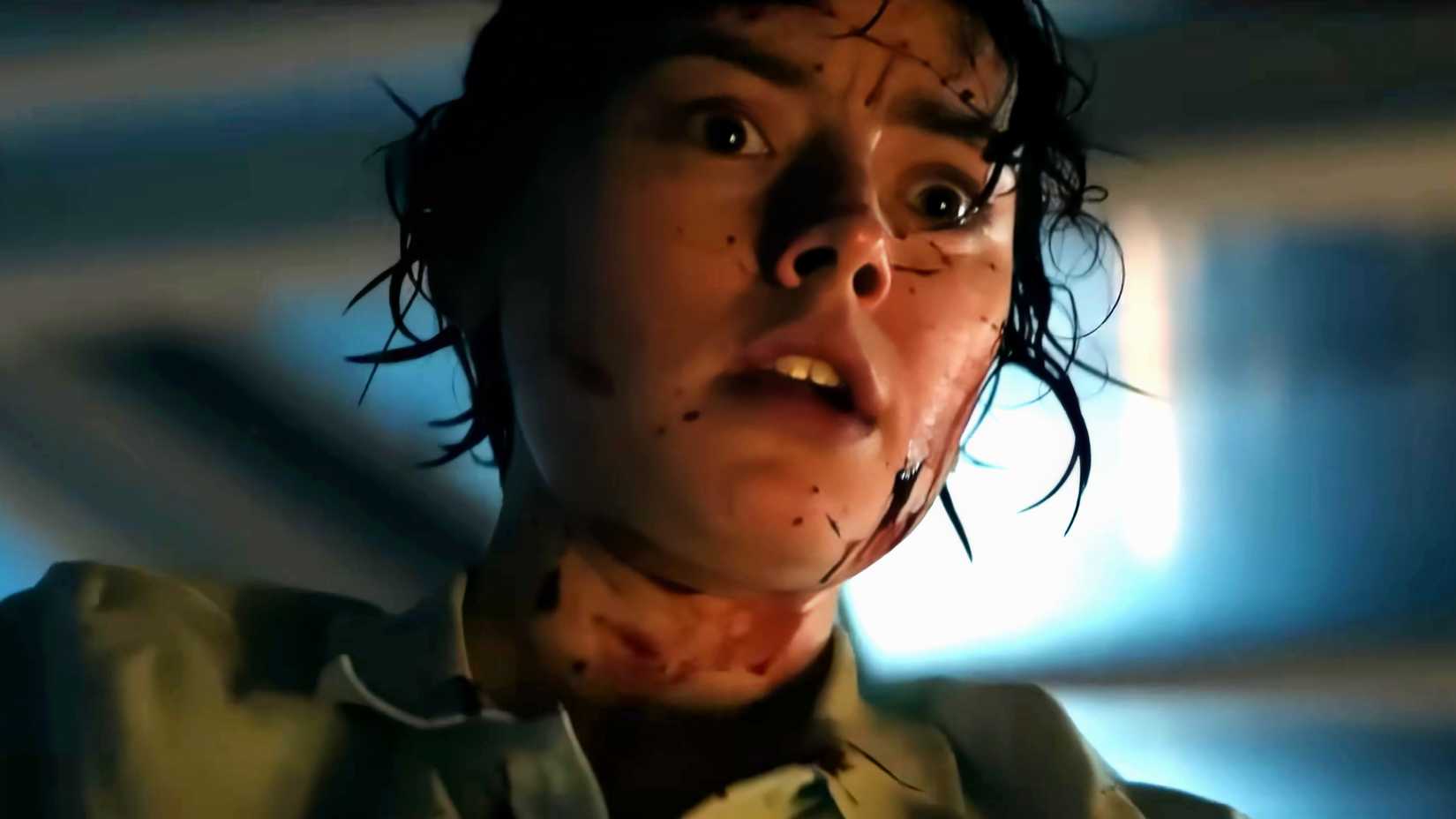
Many zombie films focus on large groups of zombies and the gruesome results of being bitten. While these visuals are common, the most impactful zombie movies use the zombie threat to explore human nature and offer commentary on society.
Even amidst dark humor and danger, the world of We Bury the Dead is steeped in sorrow. The story uses the reanimation of the dead not as a horror element, but as a way to examine grief and the difficult question of whether it’s truly better to let loved ones rest in peace.
The film We Bury the Dead utilizes the classic zombie premise—the risen dead—to explore difficult themes of loss and the grieving process. This approach makes it comparable to 28 Years Later, which also acknowledges the humanity of the deceased, as seen in Kelson’s memorial bone temple.
The film We Bury the Dead presents a unique take on the apocalypse, focusing not on the disaster itself, but on the aftermath and the emotional toll it takes on those left behind. Instead of a world overrun by chaos, it explores the quiet tragedy of picking up the pieces, which is what makes it more engaging than many other apocalyptic movies.
Horror movies often explore the deep pain of losing someone, and films like Don’t Look Now and Hereditary do this powerfully, even though they scare audiences in different ways. If you enjoyed the direction of the 28 Days Later sequels, you’ll likely find a lot to appreciate in We Bury the Dead.
Read More
- Pluribus Star Rhea Seehorn Weighs In On That First Kiss
- Gold Rate Forecast
- Kelly Osbourne Slams “Disgusting” Comments on Her Appearance
- Looks Like SEGA Is Reheating PS5, PS4 Fan Favourite Sonic Frontiers in Definitive Edition
- Arknights: Endfield – Everything You Need to Know Before You Jump In
- Dune 3 Gets the Huge Update Fans Have Been Waiting For
- ’90s Cartoon Reboot & TMNT Connection!
- Guardians of the Globe Members We Want to See in Invincible Season 4
- Hideo Kojima Says He Was Never Told About The Matrix Creators Wanting Him to Make a Game
- Goat 2 Release Date Estimate, News & Updates
2026-01-06 04:20