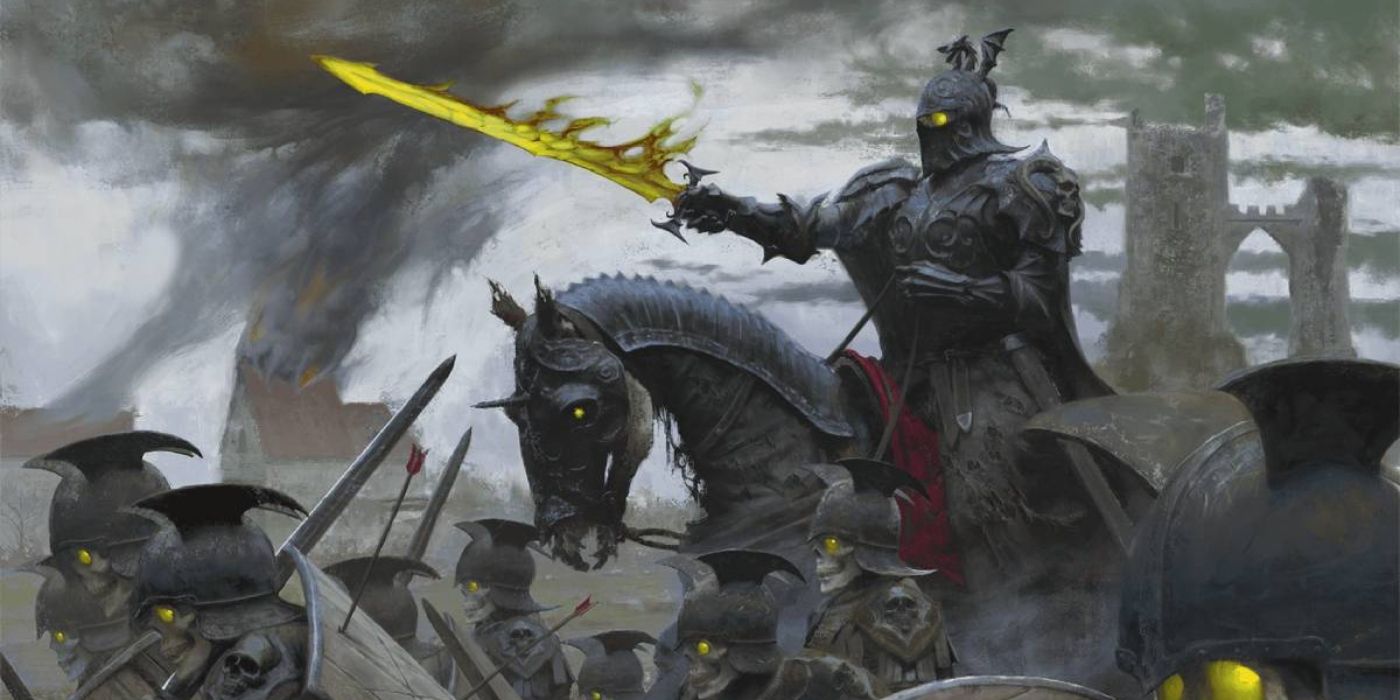
As a long-time D&D player, I love how much you can customize your character! There are so many race and class combos to begin with, but things really open up when you pick a subclass. That’s where you specialize – it gives your character cool, unique abilities and basically defines what they’re good at. There’s already a ton of subclasses in the current edition (5e), and the best part? Wizards of the Coast keeps adding even more, which is awesome for keeping things fresh!
Wizards of the Coast is updating the latest Dungeons & Dragons rules (5.5e) with new and revised character classes, and many of them look promising. For instance, the College of Spirits Bard will be featured in the upcoming Ravenloft: The Horrors Within sourcebook, scheduled for release in 2026. But even now, players can access several very powerful classes for both 5.5e and the existing 5e rules, and some Dungeon Masters might find them a bit too strong.
Battle Smith Artificer

The Battle Smith Artificer is a surprisingly powerful character class in Dungeons & Dragons that doesn’t get much attention. It was updated in the Eberron: Forge of the Artificer sourcebook released in late 2025 and remains very strong. Battle Smiths excel at creating weapons and using them in combat.
The Battle Smith Artificer can build a Steel Defender – a companion similar to a familiar, but stronger in a fight. This subclass excels at both dealing significant damage and providing backup healing, making it a powerful choice in the game, despite often being underestimated.
Path of the World Tree Barbarian
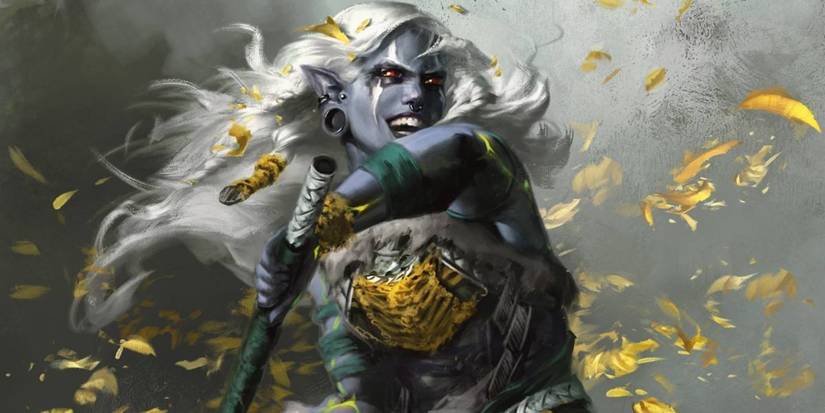
The Path of the World Tree Barbarian subclass in 5th edition Dungeons & Dragons doesn’t get the attention it deserves. Many consider it one of the most powerful options available. These Barbarians excel at protecting themselves and their teammates, controlling the flow of combat, and frustrating opponents. Their key ability is generating a large number of temporary hit points while raging, and sharing those hit points with their allies.
World Tree Barbarians have a special ability while raging: they can use their reaction to attempt to pull an enemy within 5 feet of them, effectively drawing enemy focus. This makes them a great choice for parties that rely heavily on spellcasters or ranged attacks.
Grave Domain Cleric

Although an official update for the Grave Domain subclass isn’t yet available for 5.5e, a new version for D&D 5.5e is being developed. You can still use the original version, and it’s remarkably powerful. Beyond a strong selection of spells, Grave Domain Clerics can also detect undead creatures, making them particularly useful in campaigns like Ravenloft or those featuring Vecna.
Grave Clerics have a powerful ability called Sentinel at Death’s Door. This lets them prevent critical hits from dealing extra damage – the attack still lands, but the damage isn’t doubled, potentially saving a character from being defeated. Because of this, Grave Clerics are a valuable asset to any group playing Dungeons & Dragons.
Circle of the Moon Druid

The Circle of the Moon Druid is a very powerful choice for players, even though it was at its strongest in the 2014 edition of the game. This subclass is ideal for Druids who prefer transforming into animals (Wild Shape) over casting spells. It allows them to turn into a wider variety of creatures starting at level 3, and these transformed forms also grant significantly more hit points than those of other Druid subclasses.
This character class allows players to deal Radiant damage and teleport during their transformed state, and also makes it easier to succeed on Constitution saving throws, which is helpful for maintaining Concentration. While Moon Druids are a bit weaker in the latest edition of Dungeons & Dragons compared to the previous one – they can’t constantly regain health or turn into an elemental – they remain a powerful and fun option.
Oath of Vengeance Paladin

As a player, I think the Oath of Vengeance is seriously one of the strongest choices you can make for a Paladin in D&D, and honestly, one of the best subclasses overall. What really makes it stand out is the Vow of Enmity ability. For a small cost – using one of my Channel Divinity uses – I can get Advantage on every attack against a single enemy for an entire minute! It’s amazing because I can activate it right during my attack, so it doesn’t even take up a separate action. It’s a huge boost to my damage!
If an enemy’s health drops to zero, they can pass the ‘Vow of Enmity’ to a different target. Vengeance Paladins have powerful abilities too – they can completely halt an enemy’s movement with an Opportunity Attack, and gain the ability to fly at level 20. These paladins are intimidating characters, walking a darker path than some others, though they can still be good-aligned. They aren’t quite as extreme as Oathbreaker Paladins, but they’re definitely not on the side of pure light.
Gloom Stalker Ranger

In the current Dungeons & Dragons rules (5th edition), the Gloom Stalker Ranger is considered the most powerful choice. These Rangers are exceptionally mobile on the battlefield and add psychic damage to their attacks. Their defining ability is blending into shadows, almost becoming darkness itself.
If your D&D campaign takes place in a dark setting, like the Rime of the Frostmaiden adventure, the Gloom Stalker is an incredibly useful subclass. They can constantly take advantage of darkness to their benefit. This subclass is also a good choice for players who want a rogue-like character without actually playing the Rogue class, especially if someone else in the group is already a Rogue.
Swashbuckler Rogue

If you like the fighting skills of the Rogue class but don’t want to focus on sneaking around, Swashbucklers are a great option. Their main strength is being able to launch powerful Stealth Attacks whenever they’re fighting an enemy alone.
Swashbucklers in battle play similarly to powerful Fighter duelists, dealing significant damage with Sneak Attacks and quick, repeated strikes. They can also disengage from enemies without provoking attacks of opportunity, as long as they’ve hit their target. This makes them particularly effective in campaigns with a lot of combat.
Aberrant Sorcerer

I’m really excited about the new 5.5e Aberrant Sorcery subclass! It’s a fresh take on the already awesome Aberrant Mind, and it’s perfect for anyone playing a spellcaster in D&D. What I love most is how it lets characters tap into incredible psionic powers, and the telepathy is just brilliant – especially when you’re in a campaign full of suspense where clear communication is key. It really adds a whole new dimension to roleplaying!
Sometimes characters need to be quiet or move secretly, but the Aberrant Sorcery feature lets you bypass the need to speak or make gestures when casting spells by spending Sorcery Points. This is especially helpful in adventures like Waterdeep: Dragon Heist or Keys from the Golden Vault. As you gain levels, the Revelation in Flesh feat makes Aberrant Sorcerers even more effective.
Hexblade Warlock

I absolutely love playing a Hexblade Warlock – they’re a super popular choice for a reason! Wizards of the Coast is updating them for the next edition of D&D, but until those changes are official, we can still use the rules from 2014. What makes them so strong is the amazing spells they get, and especially Hexblade’s Curse. That curse lets me deal extra damage, land more critical hits, and even heal myself – it’s a game changer!
You don’t even need the Pact of the Blade ability to connect with a magical weapon, and you can also summon a spectral companion to fight with you. This subclass is already strong, but recent playtesting for its improvements is making it even better. Now, Hexblade’s Curse can work with any spell that curses an enemy, including the Hex spell itself.
Diviner Wizard

Although choosing a specific magical specialty for Wizards can sometimes feel restrictive, the Diviner subclass is a particularly powerful option. Diviner Wizards have a unique ability called Portent. After a Long Rest, they roll two twenty-sided dice and record the results. They can then substitute those pre-rolled numbers for any roll they – or anyone else – makes later on, essentially guaranteeing a better outcome.
Diviner Wizards in Dungeons & Dragons are incredibly powerful. If you anticipate a powerful enemy attack, you can use your Portent ability to make them roll poorly. You can also help allies by giving them a beneficial high roll when they have a disadvantage. Beyond that, Diviners can gain Darkvision, understand any language, and even use the See Invisibility spell, making them a dominant choice for players.
Read More
- FRONT MISSION 3: Remake coming to PS5, Xbox Series, PS4, Xbox One, and PC on January 30, 2026
- Best Controller Settings for ARC Raiders
- Mark Zuckerberg & Wife Priscilla Chan Make Surprise Debut at Met Gala
- Meet the cast of Good Omens season 3: All the actors and characters
- 7 Great Marvel Villains Who Are Currently Dead
- Welcome to Demon School! Iruma-kun season 4 release schedule: When are new episodes on Crunchyroll?
- The Boys Season 5 Officially Ends An Era For Jensen Ackles’ Soldier Boy
- Gold Rate Forecast
- Netflix Confirms One Surprising Anime Beat Pokemon & Tied With One Piece for Viewership
- The MCU’s 2026 Release Slate Updated With 4 New Updates
2026-05-17 00:15