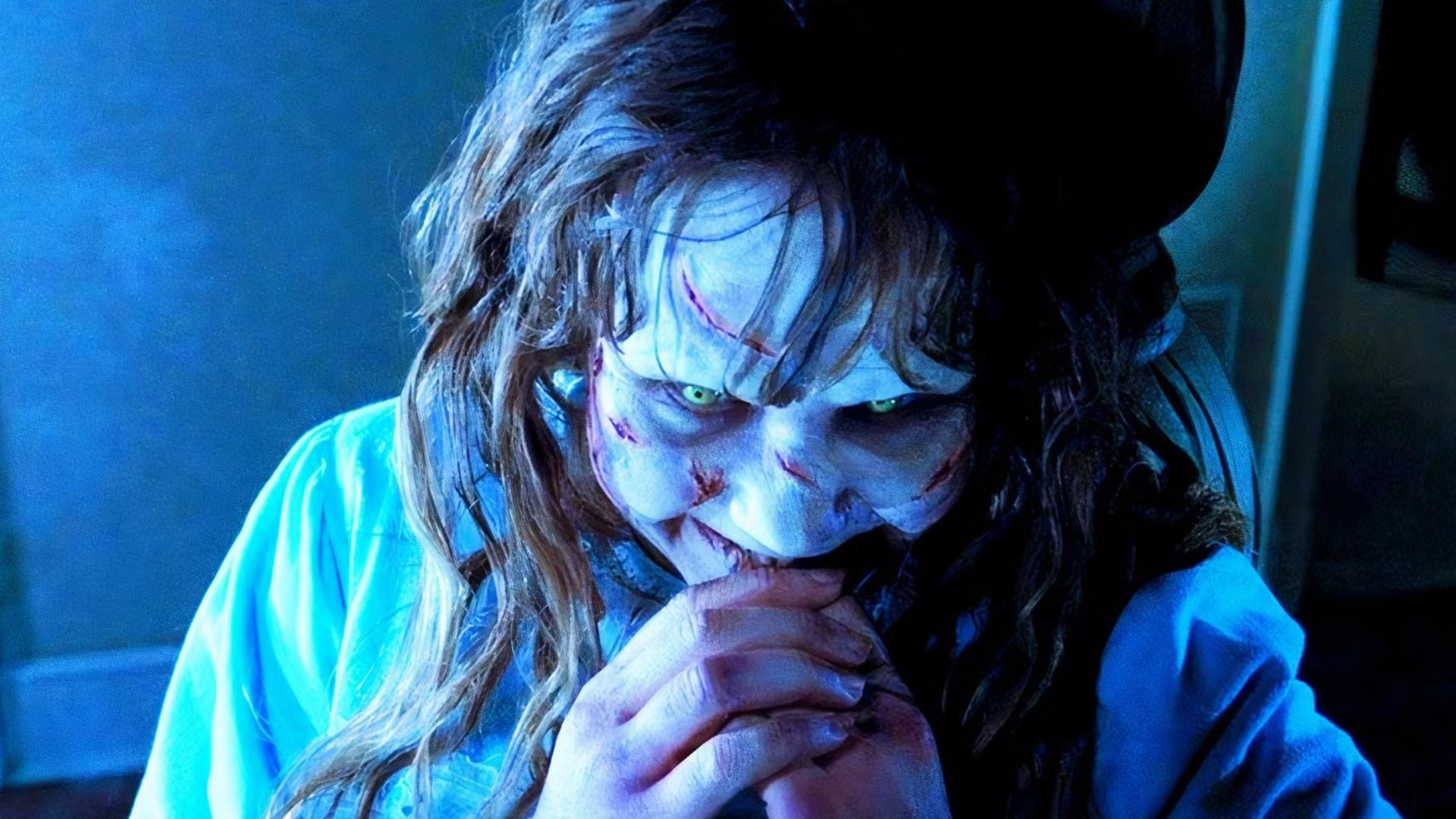
Horror movies are notoriously difficult to make well, and even the best ones usually have some flaws. However, occasionally a truly exceptional film emerges – one that’s consistently gripping, with a perfectly paced story where every scene feels essential and nothing drags.
One of the things that makes horror enjoyable is that not every movie is perfect. The genre often aims high, taking risks that don’t always pay off, which can result in weak endings, ineffective scares, or scenes that drag on. But every now and then, a truly great horror film delivers consistent thrills from beginning to end.
These films consistently build suspense and create a chilling atmosphere, telling their stories with remarkable skill. Thanks to expert timing, memorable acting, and precise direction, they demonstrate that horror can be as carefully and thoughtfully made as any critically acclaimed drama.
These movies, ranging from iconic classics to recent psychological thrillers, consistently deliver a fantastic experience. You won’t find any weak spots or scenes you’d want to fast-forward through – just consistently great horror. While many films try, these truly stand out as exceptional.
Sinners (2025)
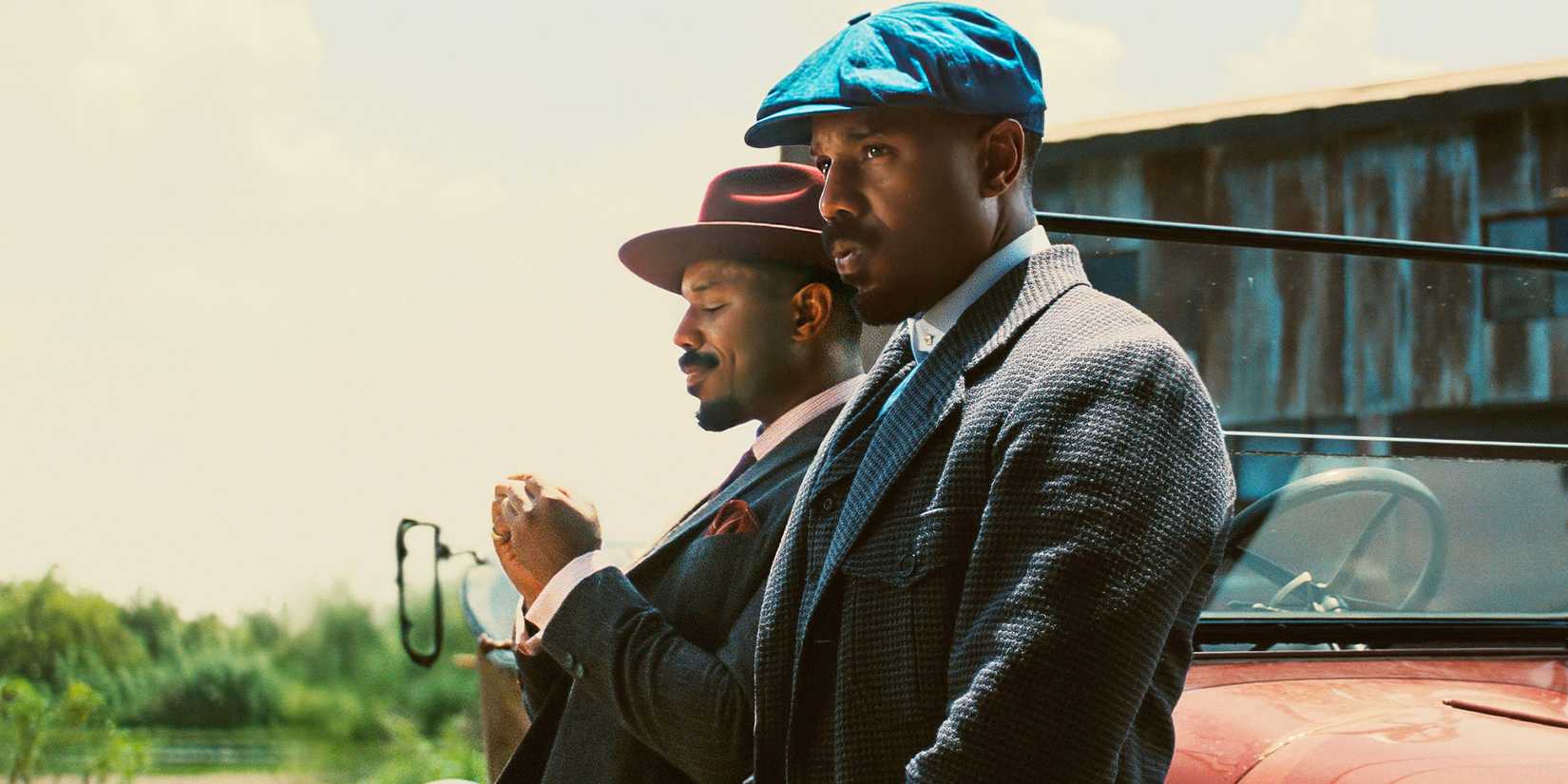
Sinners skillfully blends genres, beginning as a Western crime story and evolving into a horror film. This transition feels natural and well-paced, with each scene building towards the darker elements, making the shift feel justified and not abrupt.
The film is particularly strong in its use of music. Blues music is blended smoothly into the story, and the Irish folk songs—particularly a memorable scene featuring “Rocky Road to Dublin”—create a strangely captivating and tense atmosphere.
Michael B. Jordan gives a truly remarkable performance, playing twins with incredible skill. He creates two fully realized characters through small details in his movement and expression. What could have been a showy trick instead becomes the heart and soul of the film, and a likely Oscar contender.
The Bride Of Frankenstein (1935)

As a huge classic horror fan, I just adore The Bride of Frankenstein. It’s a perfect blend of gothic atmosphere, genuine tragedy, and surprisingly quirky humor – and it’s captivating from beginning to end. What’s amazing is how tightly paced it is, clocking in at just over 75 minutes. It feels so confident in its storytelling; it never feels like it drags or overstays its welcome. It just knows what it’s doing, and it’s brilliant.
There’s a strange beauty in every scene. The Monster sharing a cigar with a lonely hermit is surprisingly heartwarming, and Dr. Pretorius’s casual blackmail of Henry Frankenstein—over miniature people in jars, no less—is wonderfully twisted. Even the calmer moments feel meaningful, either highlighting the Monster’s isolation or building toward the story’s ultimate breakdown.
The Bride is a captivating character who appears later in the film, and the entire story feels like it’s leading up to her introduction. Bride of Frankenstein is a concise, unusual, and consistently engaging movie.
The Exorcist (1973)
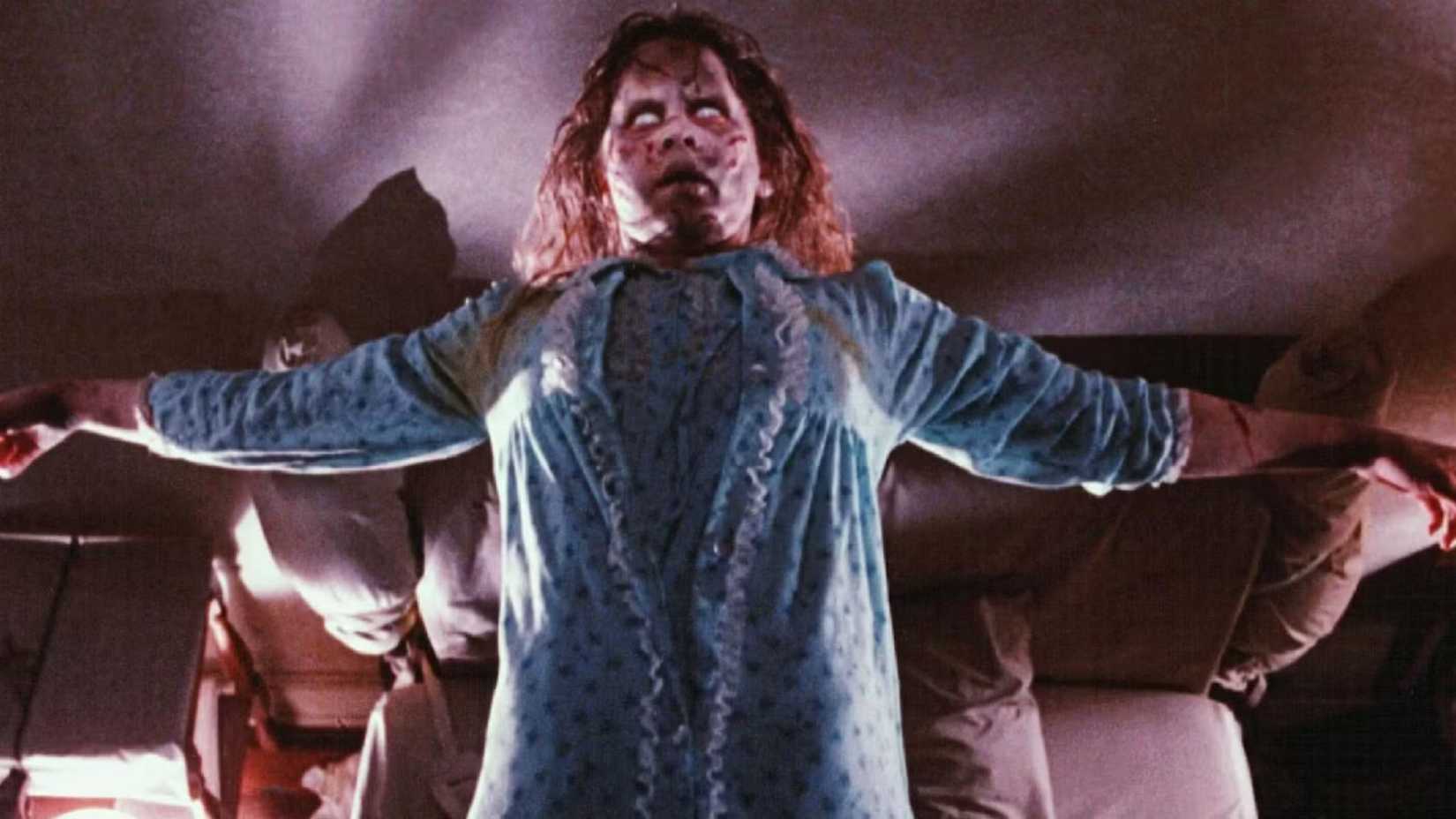
The Exorcist definitely lives up to its reputation as a frightening movie. What makes it so effective is how much time it spends developing its characters, especially Chris MacNeil and her daughter Regan. Because we get to know them so well, even the normal, everyday scenes – like hospital tests – feel incredibly unsettling, almost as scary as the demonic possession itself.
As a film lover, what really gets under my skin about The Exorcist isn’t just the big scares, it’s how it builds tension. The medical scenes aren’t quick; they linger, and that makes them feel deeply unsettling. And Regan’s changes? They’re subtle at first, little things that just feel off, and you can’t quite put your finger on why. By the time everything goes completely haywire, the movie has already done such a good job of getting into your head, the impact is devastating.
Even the most iconic scenes—like the head spin, the demonic voice, and the intense bedroom clashes—don’t feel forced or out of place. They flow naturally from what happened before, building to a truly terrifying effect. The Exorcist is a carefully paced, deeply unsettling, and remarkably well-constructed film.
Alien (1979)
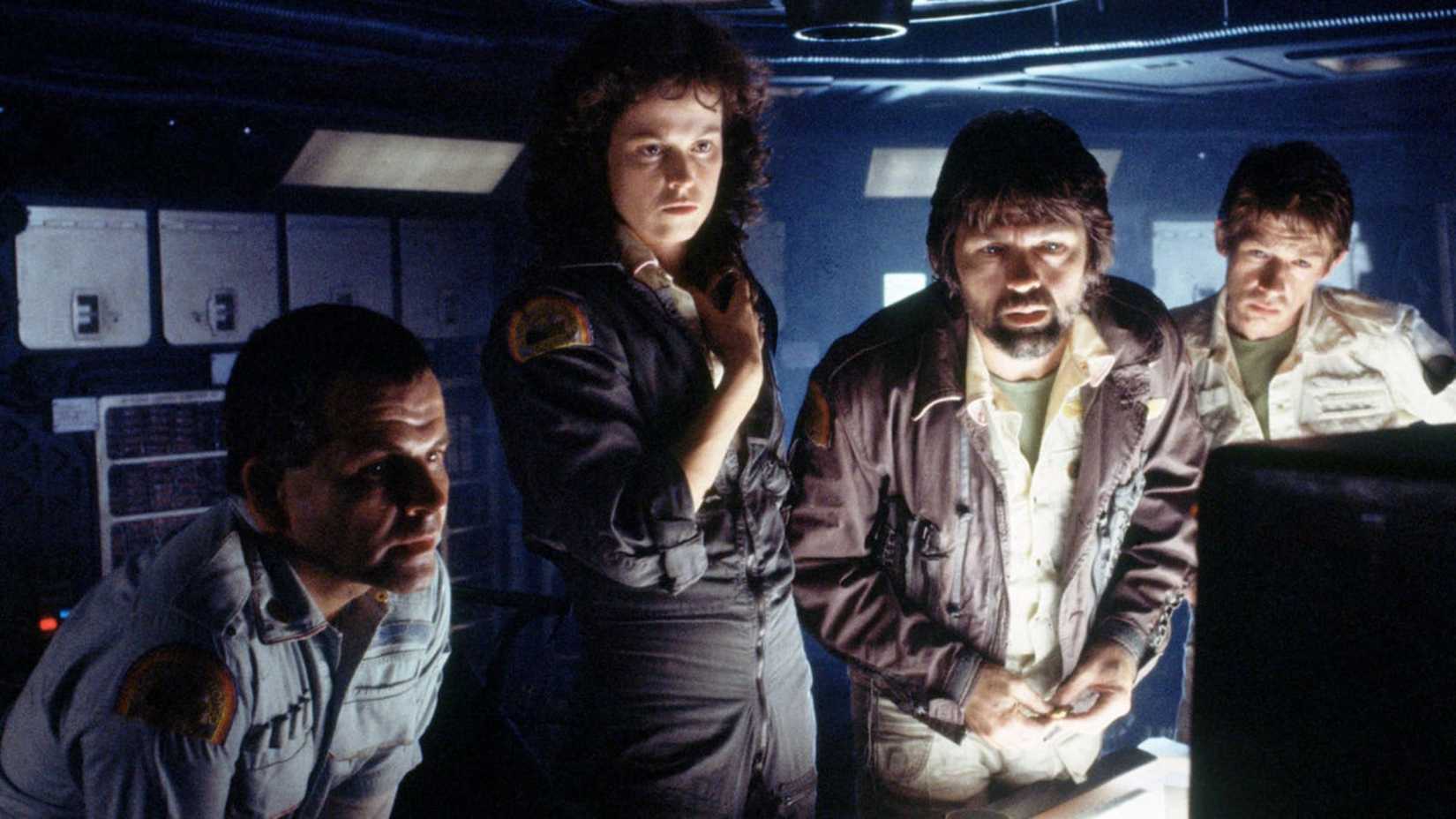
Alien is a horror film that masterfully builds tension, even in its calmest scenes. The movie, set on the spaceship Nostromo, makes everyday locations like hallways, air vents, and even mealtimes feel incredibly suspenseful and dangerous. You’re constantly on edge, and nothing feels secure – not even breakfast!
The movie starts slowly, but it’s never boring. Each scene either develops the relationships between characters – making what happens later even more impactful – or increases the feeling of dread. When the shocking chestburster scene finally arrives, it feels earned, as if everything leading up to it has been carefully building towards that moment.
Even the quieter scenes, such as Ripley explaining safety procedures or the crew simply exploring the ship, feel important. These moments build the world, create tension, and give us a sense of normal life before the horror truly begins. By the end, Alien doesn’t feel like a typical movie – it feels like a flawlessly designed and inescapable trap.
Jaws (1975)
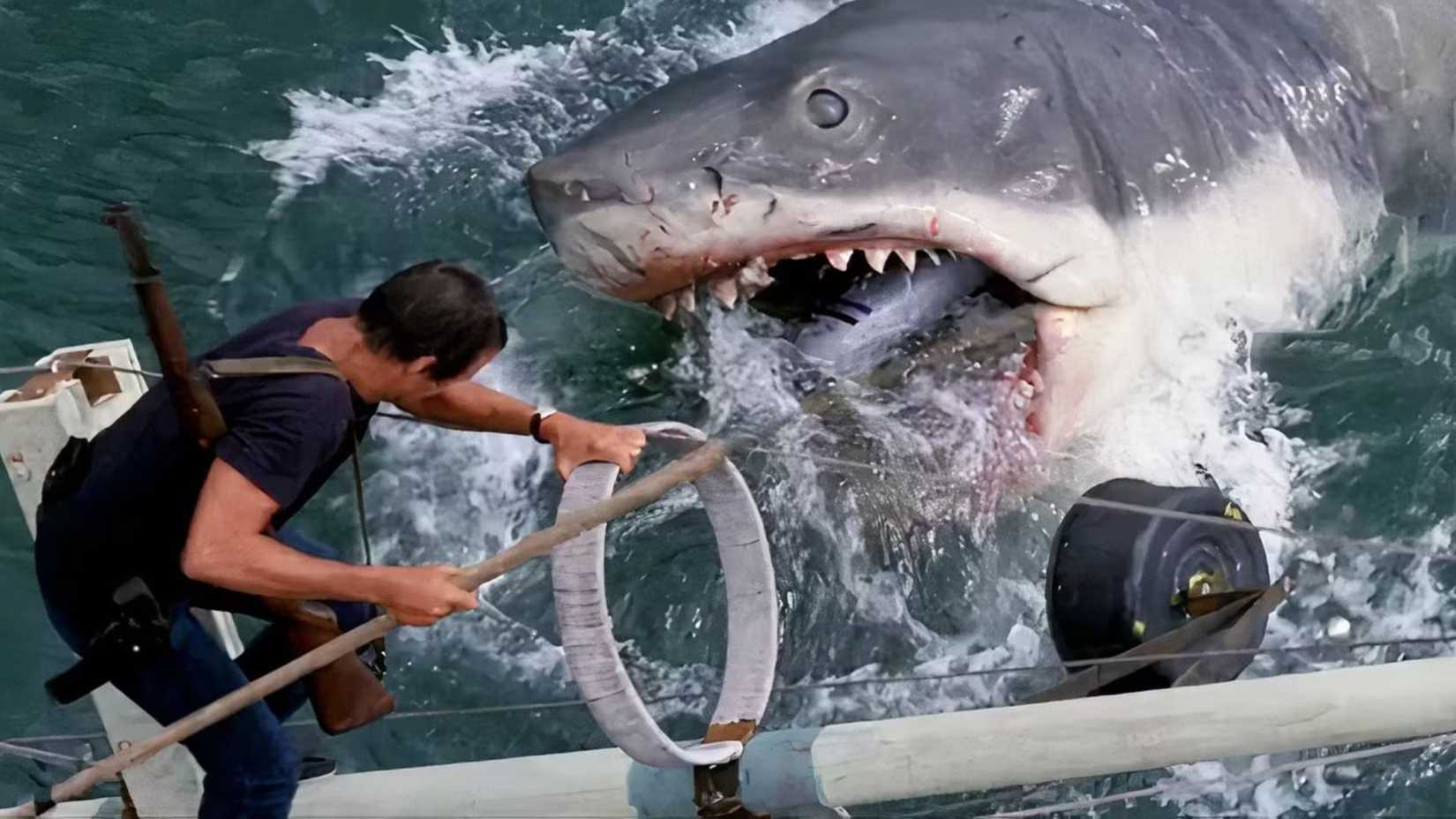
As a film buff, I’ve always felt Jaws is just brilliantly constructed – almost too good! Spielberg takes this basic idea of a shark attacking swimmers and elevates it into something truly special. It’s a perfect example of how to build suspense, create compelling characters, and control the rhythm of a story. It really is a masterclass in filmmaking.
From the very beginning, with scenes of town meetings and casual beach conversations, the movie establishes Police Chief Brody’s growing worry, the town’s unwillingness to believe there’s a problem, and a feeling that something dangerous is lurking beneath the surface. As the shark attacks begin, each scene steadily increases the tension and suspense.
The movie really comes alive in its final act. It’s surprising how captivating the scenes with just three men on a boat are – every conversation, from sharing old wounds to singing rowdy songs, builds tension before everything explodes. And the fact that the shark isn’t shown much actually makes Jaws even more frightening and effective.
Psycho (1960)
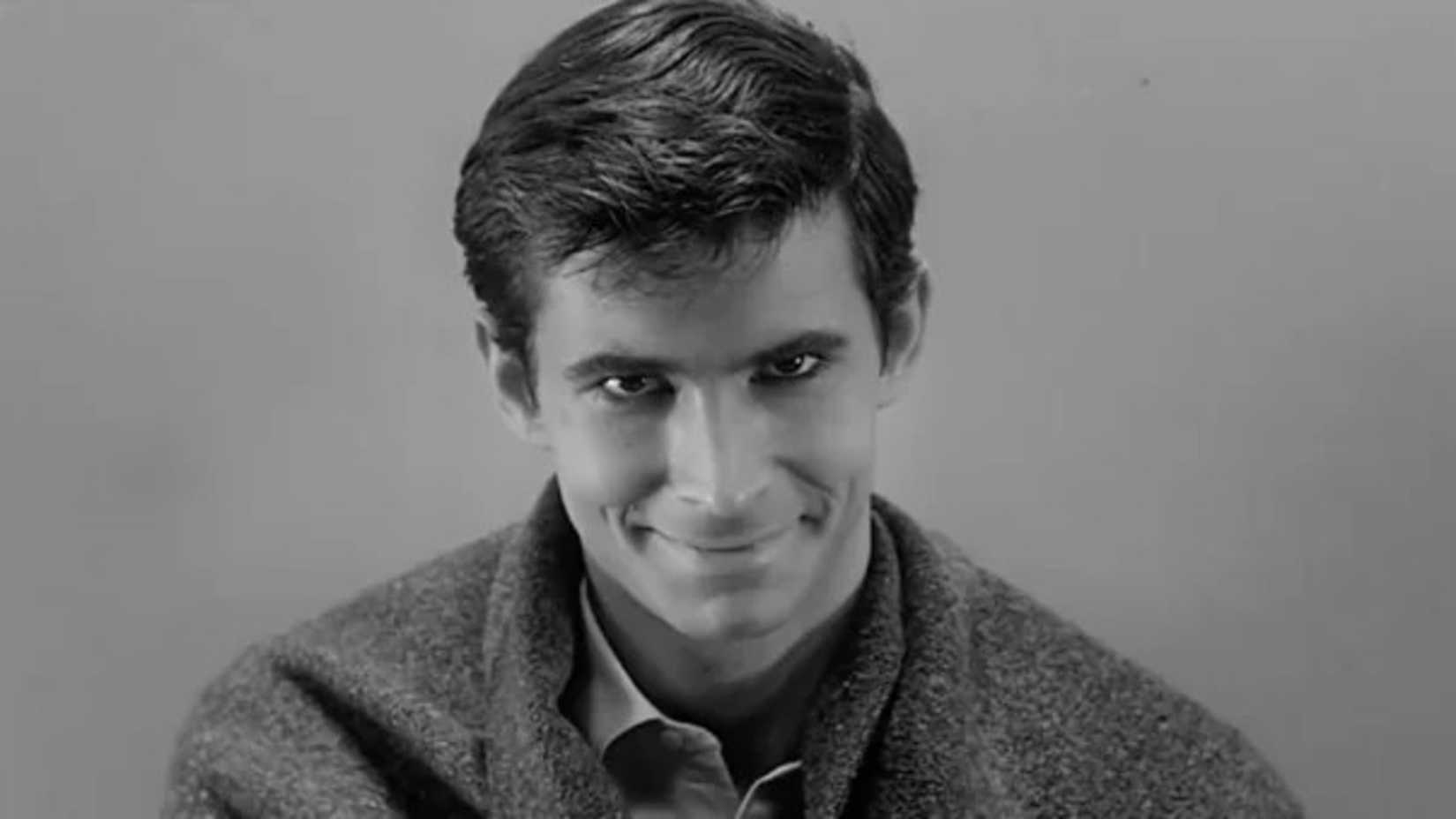
Hitchcock’s Psycho keeps viewers on edge by constantly subverting their expectations. The film is carefully constructed like a magic trick, with each scene designed to mislead. It initially presents itself as a crime thriller focusing on Marion Crane’s escape, but the famous shower scene completely changes the direction of the story.
The movie then subtly centers on Norman Bates, and the atmosphere becomes even more disturbing. Even seemingly normal conversations, like the one in the parlor surrounded by stuffed birds, are filled with hidden meaning and suspense. Every detail feels significant.
The investigation scenes are also skillfully crafted, gradually revealing clues without losing pace. By the end of the film, it feels as though Psycho has been subtly leading the audience to the truth all along.
Scream (1996)
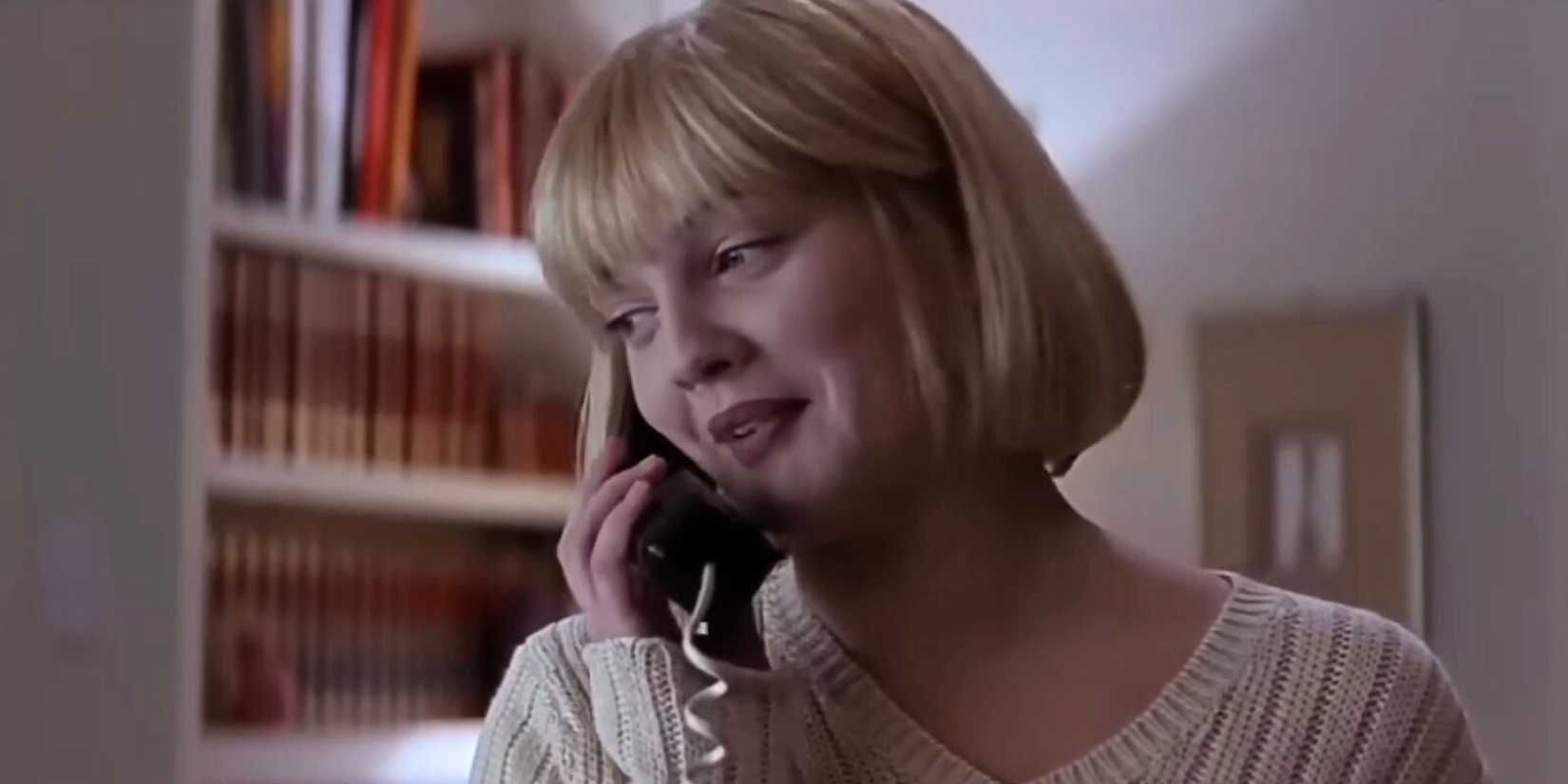
It’s surprising how effectively Scream builds suspense, given how much the movie points out horror movie clichés. Director Wes Craven cleverly acknowledges those tropes while still delivering a genuinely scary and well-made film – arguably even better than many traditional horror movies.
The film starts strong – the simple act of Drew Barrymore making popcorn is surprisingly tense, and that feeling doesn’t let up. Throughout the movie, discussions about horror movie clichés are both funny and cleverly build suspense, making even the talkative scenes important to the plot.
As a horror fan, what really blew me away about Scream is that even with all the funny moments, it never made the danger feel less serious. You genuinely cared about these characters, so when bad things happened, it hit you hard. And the way it’s built as a ‘who done it’ mystery just adds so much tension to every single scene. That blend of a classic murder mystery with slasher horror? It’s what makes Scream so gripping from beginning to end.
Get Out (2017)
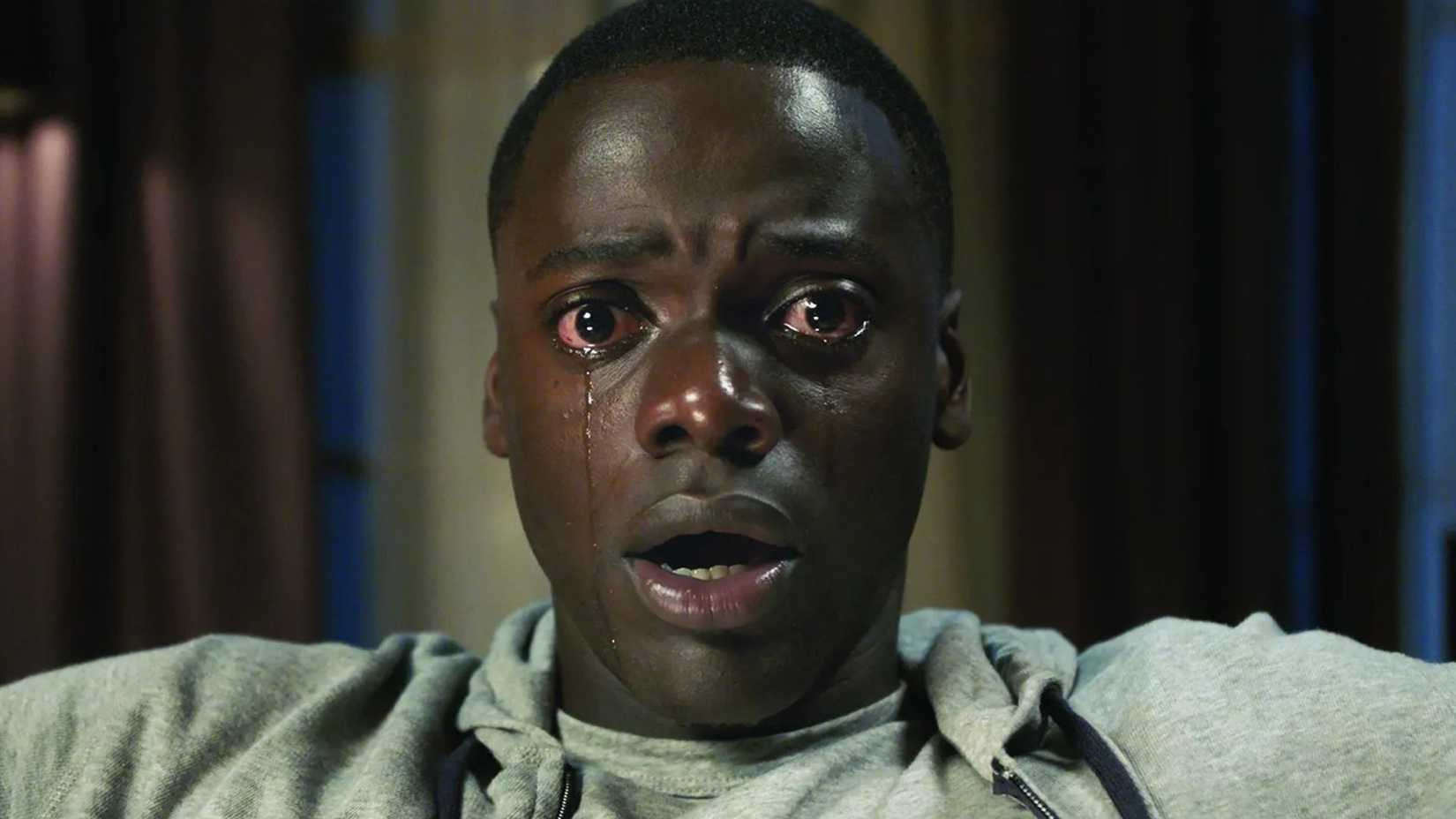
I have to say, Get Out is a remarkably crafted film. It doesn’t feel accidental at all – it’s like Jordan Peele meticulously designed every moment. The brilliance lies in how each scene builds on the last, adding depth to the characters, offering sharp social commentary, or subtly hinting at what’s to come. It’s a masterclass in building tension and layering meaning.
At first, things seem normal at the Armitage house, but a subtle unease quickly creeps in. The stilted small talk, forced politeness, and a garden party that steadily becomes more uncomfortable all create a growing sense of dread without relying on typical horror tropes.
Even the funny moments, mostly provided by the character Rod, aren’t just for laughs. They offer brief relief from the tension while also moving the story along. When you watch Get Out again, you notice how cleverly everything was planned – almost every line of dialogue takes on a new meaning. The movie is tightly constructed; there’s no wasted time, only a constant build-up of suspense hidden within seemingly ordinary scenes.
Rosemary’s Baby (1968)
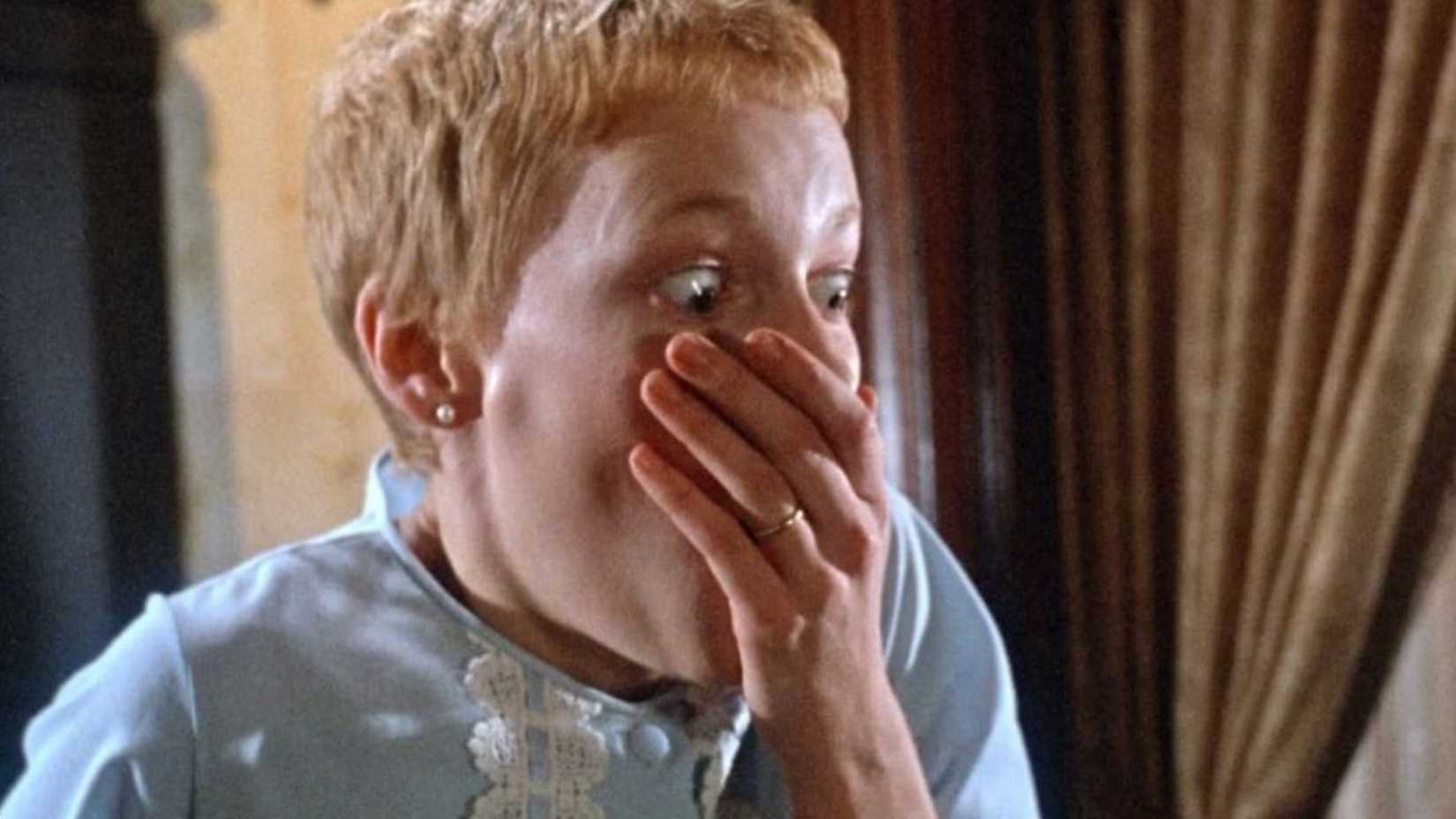
Roman Polanski’s Rosemary’s Baby is a masterclass in horror, creating a constant sense of dread without feeling sluggish. It achieves this by subtly building tension through ordinary, everyday interactions – making you question the motives of Rosemary’s neighbors, doctors, and even her husband. The film’s brilliance lies in how convincingly it portrays a seemingly normal life slowly descending into something terrifying.
Even everyday topics like dinner plans, expecting a baby, or fixing up the house feel stressful in this story. The tension builds because the audience shares Rosemary’s sense of worry – we get hints that something’s wrong, but never enough to know for sure what’s happening.
Unlike many horror movies with big scares, Rosemary’s Baby builds tension through a series of subtle, disturbing events. By the end, the shocking truth doesn’t feel like a surprise twist, but rather something the audience has been fearing from the start.
The Shining (1980)
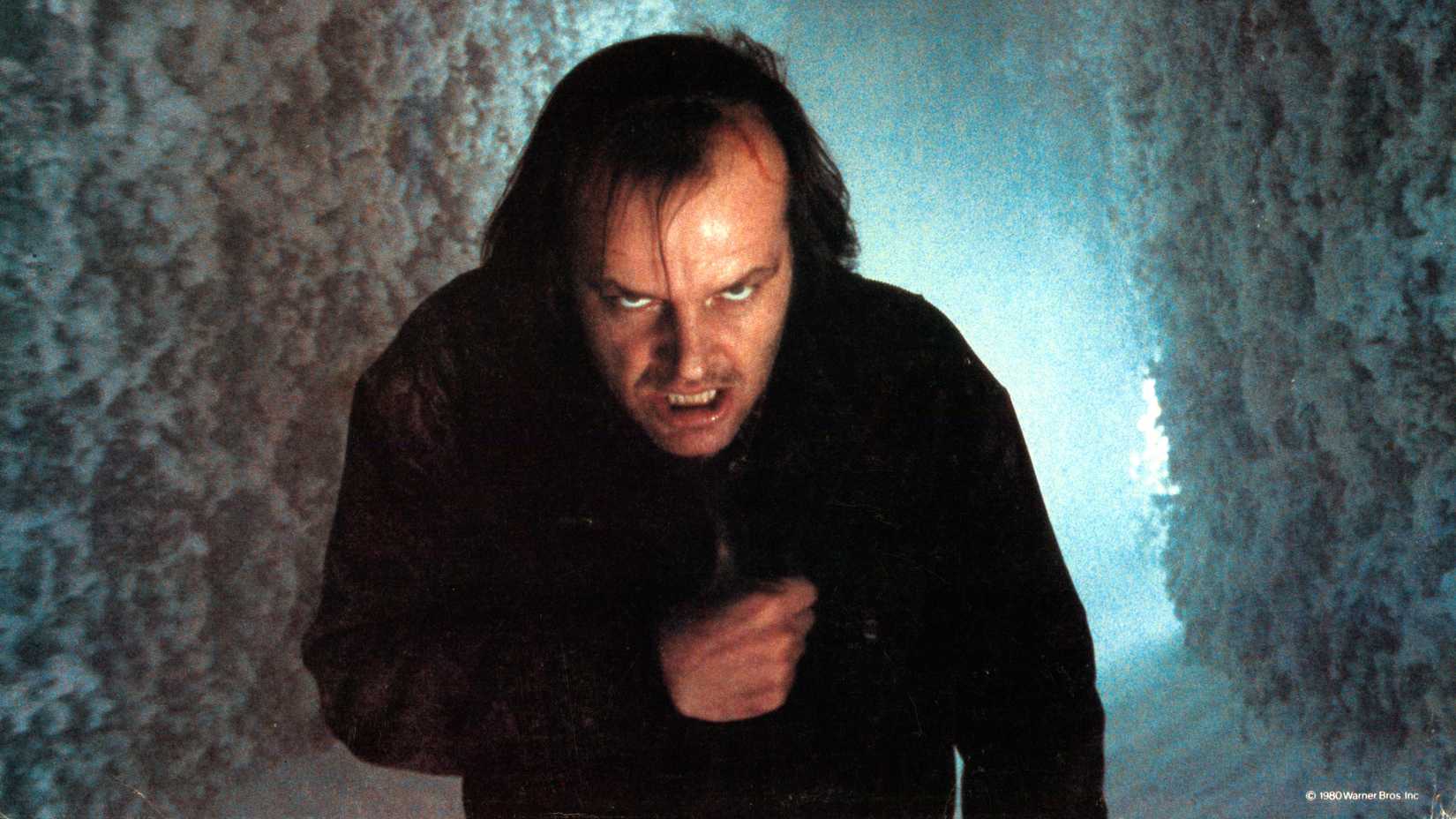
From the opening scene, The Shining creates a sense of unease that steadily intensifies. Stanley Kubrick meticulously directs each shot, making even calm moments feel disturbing – like when Danny rides his tricycle or Jack obsessively repeats a single sentence.
The Overlook Hotel feels like a character itself, not just a place where the story happens. The filmmakers emphasize this through techniques like smooth, continuous camera movements, balanced compositions, and a constant feeling of isolation. These choices create a sense that something unseen is always observing, building tension even in quiet moments.
What makes The Shining so effective isn’t jump scares, but a growing sense of dread created through repeated imagery and a chilling atmosphere. The film’s terrifying climax doesn’t feel sudden, but like a natural consequence of everything that came before. It’s a tightly-paced, relentless slide into insanity that keeps you completely hooked.
Read More
- The Super Mario Galaxy Movie: 50 Easter Eggs, References & Major Cameos Explained
- 10 Best Free Games on Steam in 2026, Ranked
- Surprise Isekai Anime Confirms Season 2 With New Crunchyroll Streaming Release
- ‘Project Hail Mary’: The Biggest Differences From the Book, Explained
- Skate 4 – Manny Go Round Goals Guide | All of the Above Sequence
- Preview: Sword Art Online Returns to PS5 as a Darker Open World Action RPG This Summer
- Sydney Sweeney’s The Housemaid 2 Sets Streaming Release Date
- Why is Tech Jacket gender-swapped in Invincible season 4 and who voices her?
- Coronation Street airs horrifying discovery for Summer Spellman about villainous Theo in early ITVX release
- Welcome to Demon School! Iruma-kun season 4 release schedule: When are new episodes on Crunchyroll?
2026-04-11 23:55