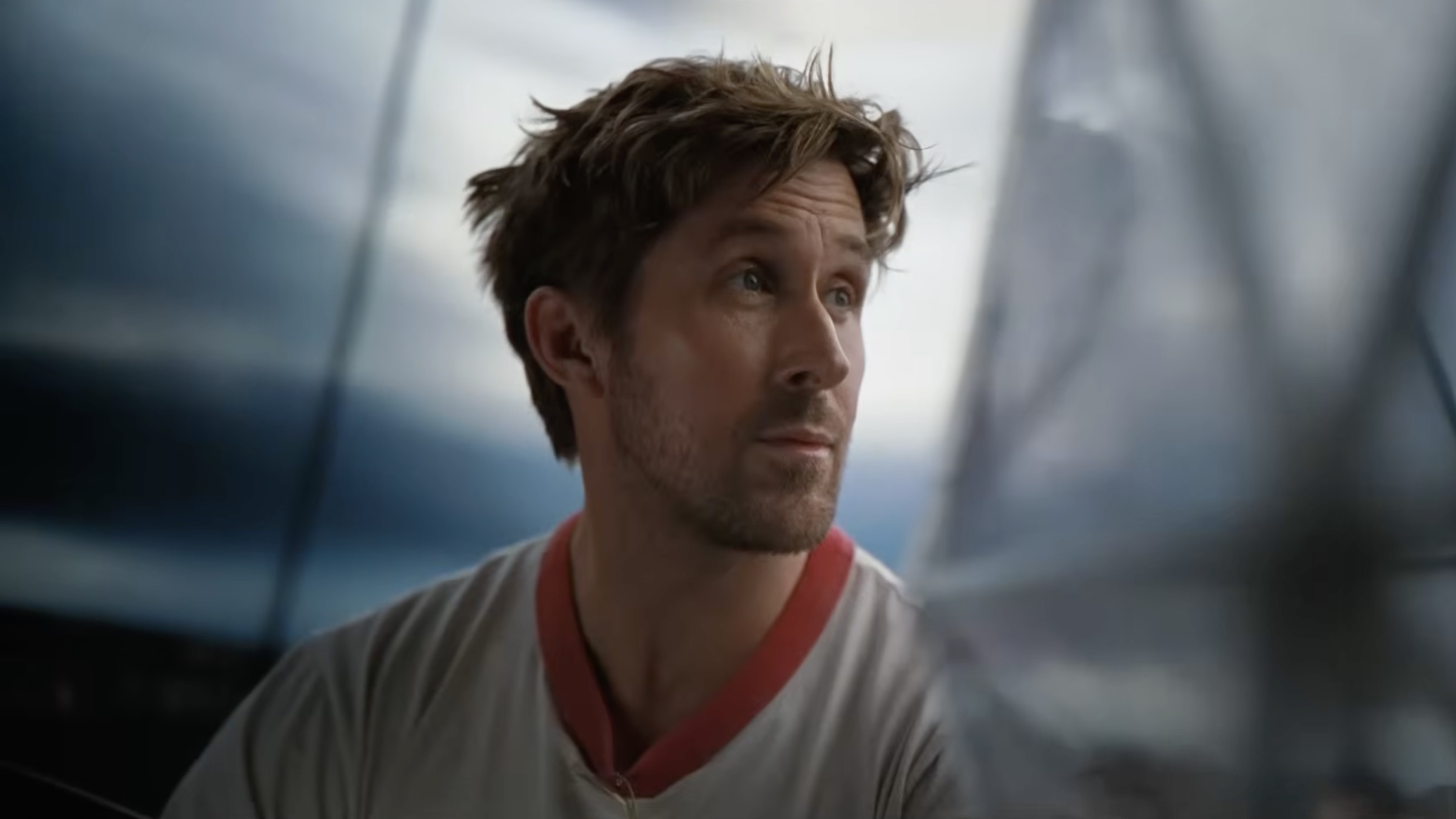
The new sci-fi film Project Hail Mary, starring Ryan Gosling and directed by Phil Lord and Christopher Miller, comes out this week. Excitement has been building for a while, but really exploded after early viewers gave it rave reviews. Critics agree, and the film is already being called one of the best of the year. Fans of Andy Weir’s book have been waiting years to see it adapted to the big screen, and the overwhelmingly positive response to the movie is finally here.
Just like Andy Weir’s previous hit, The Martian, adapting Project Hail Mary for the big screen required some changes. Given the book’s length – 475 pages – it was inevitable that certain parts wouldn’t make it into the movie, and that the film would need to combine and streamline the story. Here are ten key moments from the book that fans will notice are missing from the film. Be warned: major spoilers for both the book and movie follow.
10) Coma Resistance Gene
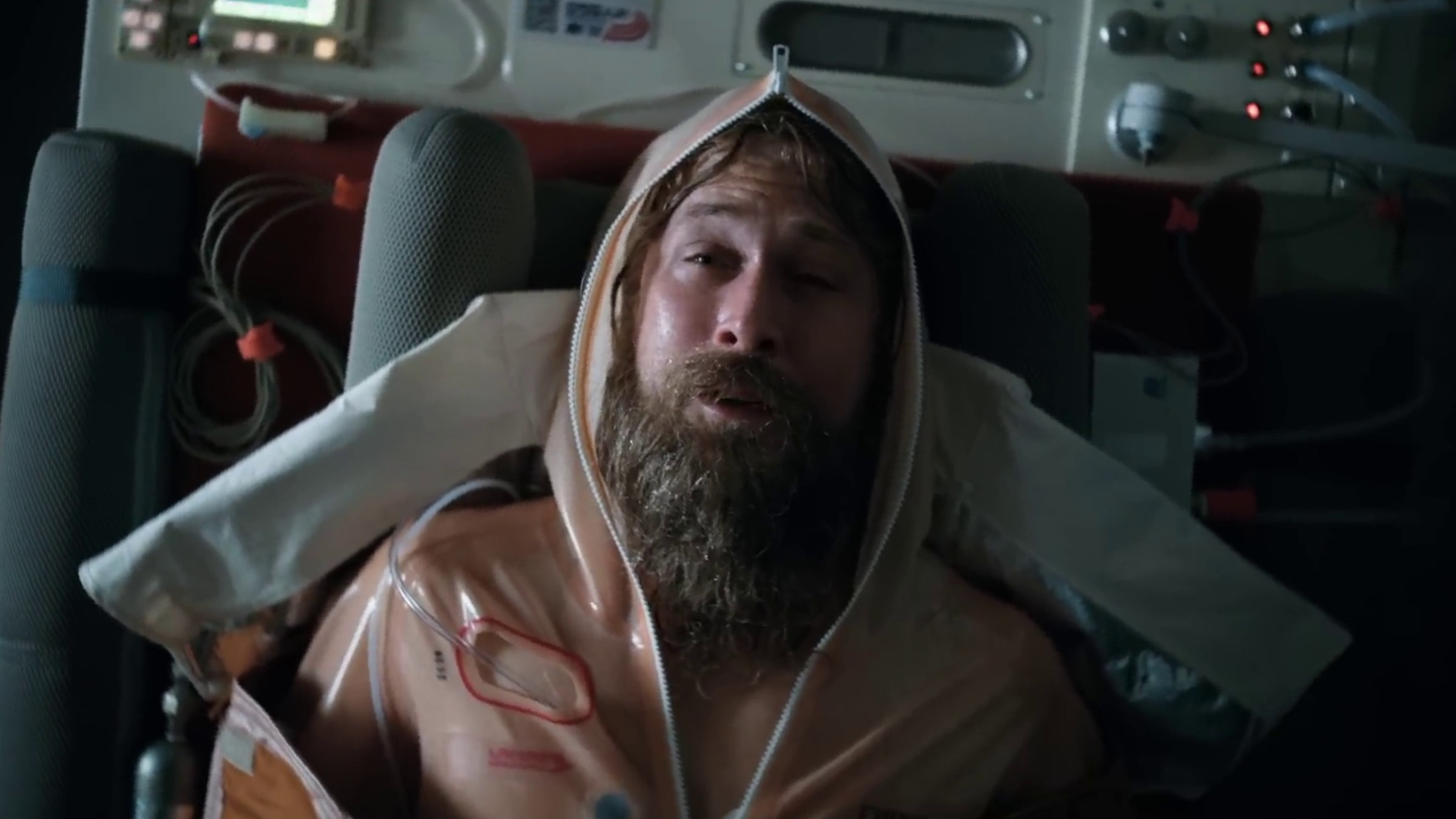
Because the journey to Tau Ceti, the only star system not affected by the Astrophage, is so long, the Hail Mary project considers putting the astronauts into a prolonged coma. Stratt explains this idea stems from research initially aimed at helping cancer patients undergo chemotherapy while unconscious. While that approach didn’t work, the study revealed a surprising discovery: a small number of people – about one in 7,000 – are naturally resistant to the negative health effects of long-term comas.
It turns out this trait is a key factor in choosing the crew for the Hail Mary mission, and ultimately explains why Ryland Grace is selected after DuBois and Shapiro pass away – he carries the necessary gene. The movie doesn’t explore this element nearly as much as the book does.
9) Stratt Has a Full Pardon From All Global Superpowers

A significant scene from the book is completely absent from the movie, and isn’t even hinted at. In it, Stratt and the Hail Mary project are sued by the “Intellectual Property Alliance” for illegally copying all available digital books and software, avoiding licensing fees. Normally, this would result in a costly legal fight, but Stratt manages to get the case dismissed by revealing she has a special international treaty that protects her from prosecution for any crime, anywhere in the world.
As a huge fan of Project Hail Mary, I was blown away to learn that, beyond the story itself, there’s this incredible real-world political layer. Apparently, the U.S. Senate actually ratified the treaty central to the plot, and even more surprisingly, the President gave the main character a full pardon for any potential crimes committed while working on the project! It’s wild stuff, but don’t expect to see that in the movie adaptation – it’s a fascinating detail that’s separate from the on-screen story.
8) Grace Works Directly With the Astronauts
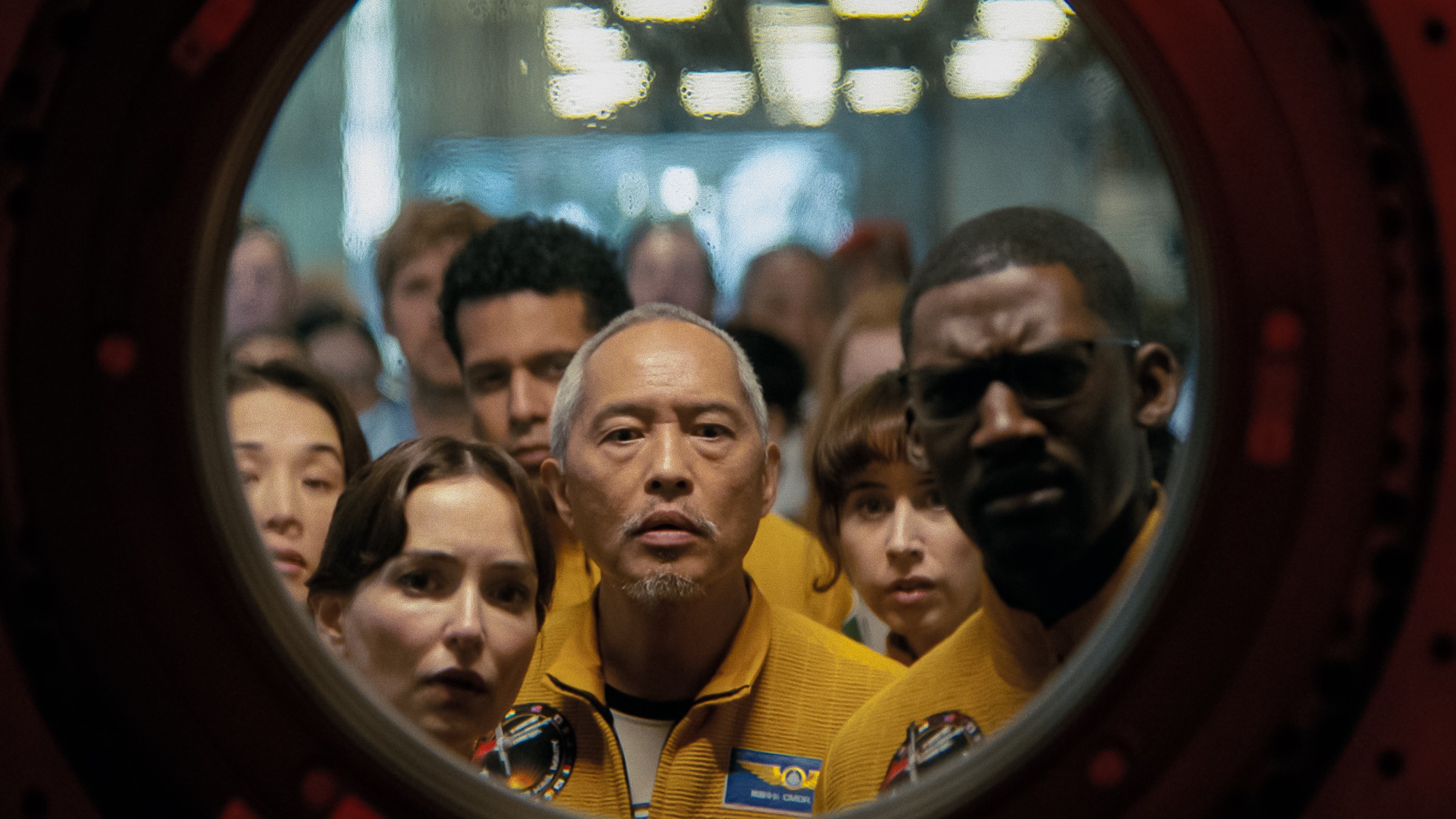
In preparation for the Hail Mary mission, the crew views Grace as second-in-command, largely due to his close working relationship with Stratt. However, the movie doesn’t fully show this dynamic; the Earth-based scenes focus more on the immediate lead-up to launch and lack the detailed development of Grace’s role that’s present in the book.
The novel version of Project Hail Mary includes several interactions between astronaut Ryland Grace and his crewmates that aren’t in the film. These scenes show Grace collaborating with scientists DuBois and Shapiro on researching the Astrophage threat, as they’re the crew’s primary science experts. A particularly significant scene, unique to the book, involves Grace discussing end-of-life choices with the astronauts, who initially believe their mission is a suicide trip. While this conversation isn’t directly shown in the movie, the book’s setup—including DuBois’s request for nitrogen—plays a key role in a later plot point involving Grace and Rocky’s work with Taumoeba.
7) They Nuke Antarctica

The ‘Project Hail Mary’ story features a desperate plan to save Earth from a rapidly cooling climate. To buy time, the team undertakes a risky solution: detonating 241 nuclear weapons in Antarctica. This is done to release methane trapped in the ice, hoping the gas will help maintain the planet’s temperature as the sun’s energy is blocked by a mysterious entity called the Astrophage. While this action would cause significant problems like rising sea levels and unpredictable weather, the team believes it’s a necessary evil compared to the alternative – a frozen Earth. Interestingly, this key plot point is absent from the movie adaptation.
6) Solar Farms Across Africa

To reach Tau Ceti, 12 light-years from Earth, the spaceship Hail Mary needs a unique fuel: the very problem it’s trying to solve – Astrophage. The challenge is gathering enough of it, and that’s where Dr. Robert Redell, a New Zealand engineer, comes in. While not featured in the movie, Redell is crucial in the book’s story. He proposes using huge solar farms to grow vast quantities of Astrophage. This would require 2 trillion square meters of space, and he suggests building these farms in the Sahara Desert, which covers a total of 9 trillion square meters.
The agreement with African nations works because they get to keep the solar panels after they’re used, which ultimately makes them very energy-rich. However, this important detail isn’t included in the movie.
5) The Construction of the Hail Mary
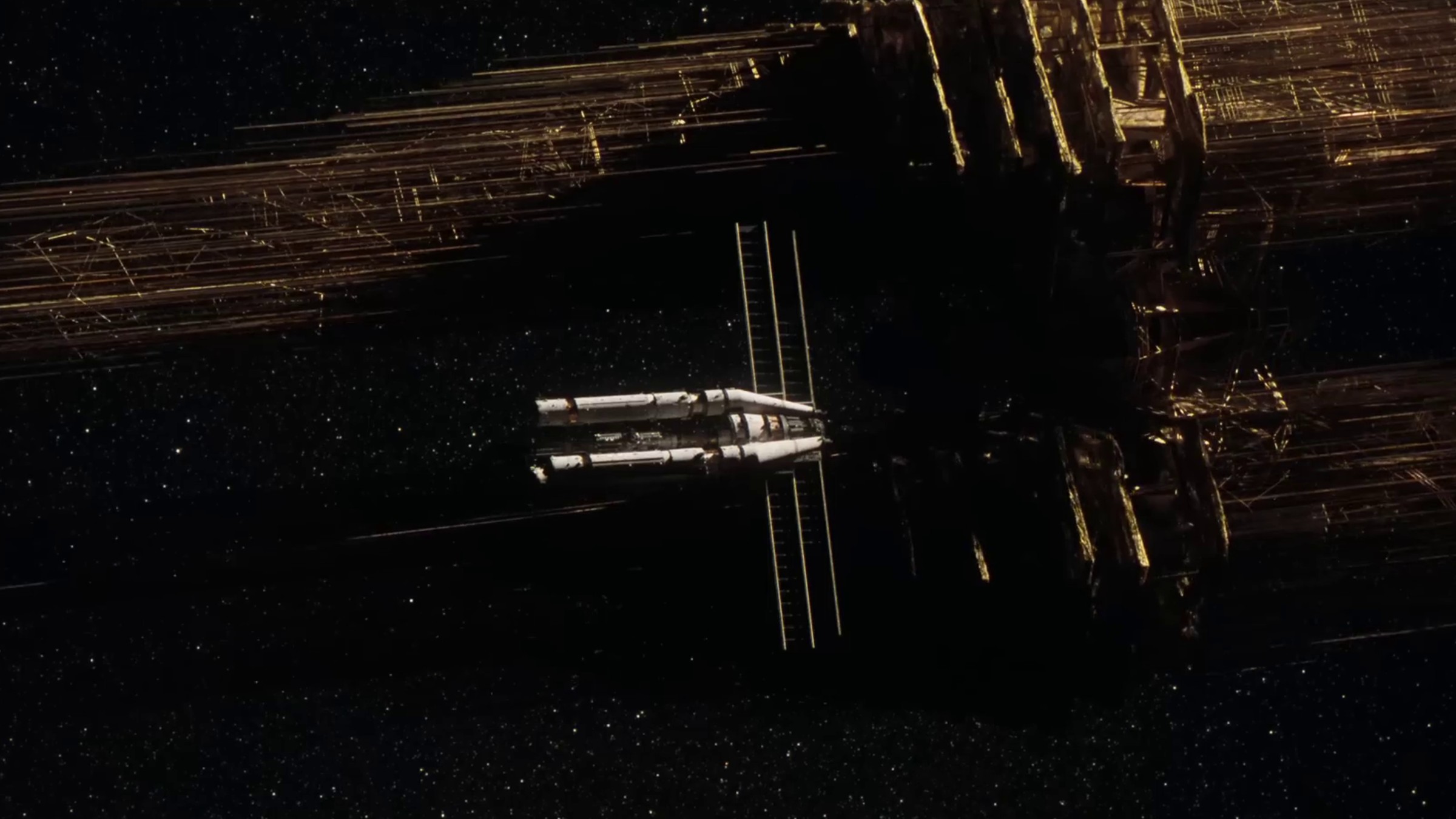
In the story, the Hail Mary is an enormous spaceship, so large that it wasn’t built on Earth like typical rockets. Instead, it was assembled in space over several years. The movie adaptation omits this detail, but the book explains that at least sixteen separate launches transported pieces of the ship to the International Space Station, where they were connected and built into the complete Hail Mary while in Earth orbit.
4) Cleaning Up After the Taumoeba
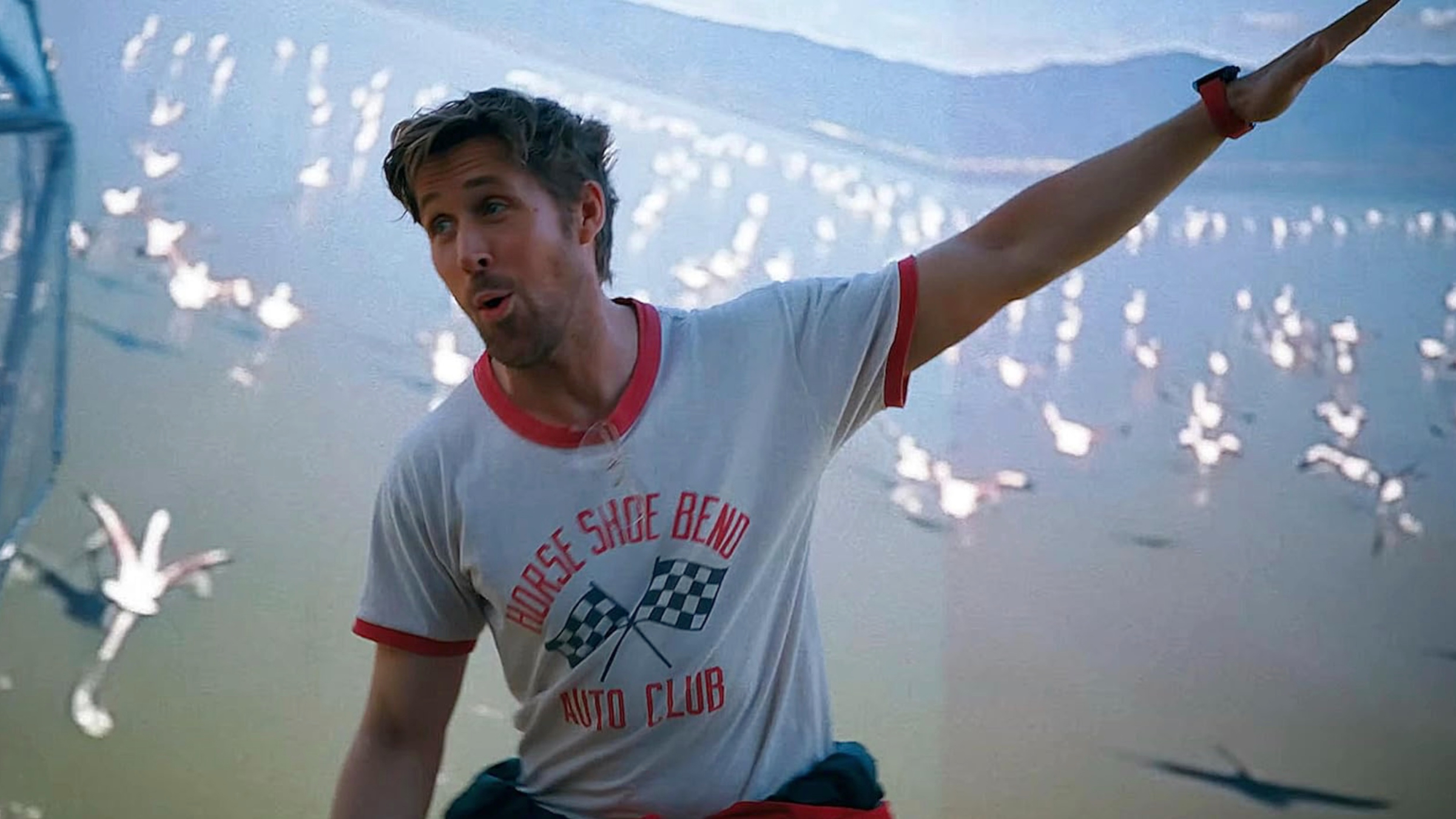
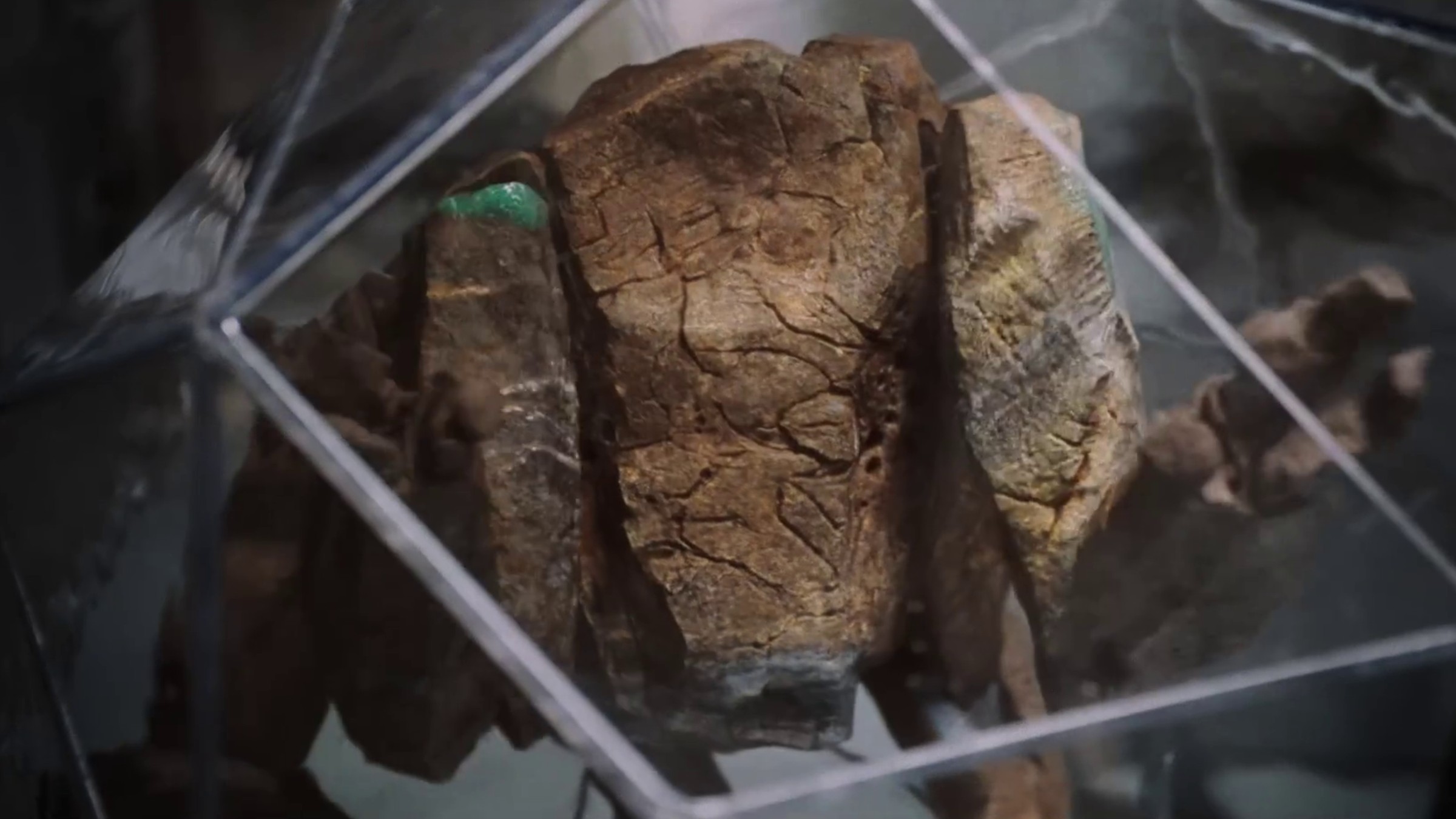
The film adaptation of Project Hail Mary left out a detail from the book regarding the Astrophage-eating Taumoeba: their waste. In the book, Grace has to manually clean Taumoeba poop from the ship’s fuel pods so they can be refueled for his journey home. While this makes sense within the story, it was a subplot the filmmakers didn’t have time to include.
3) Grace Threatens to Sabotage the Hail Mary
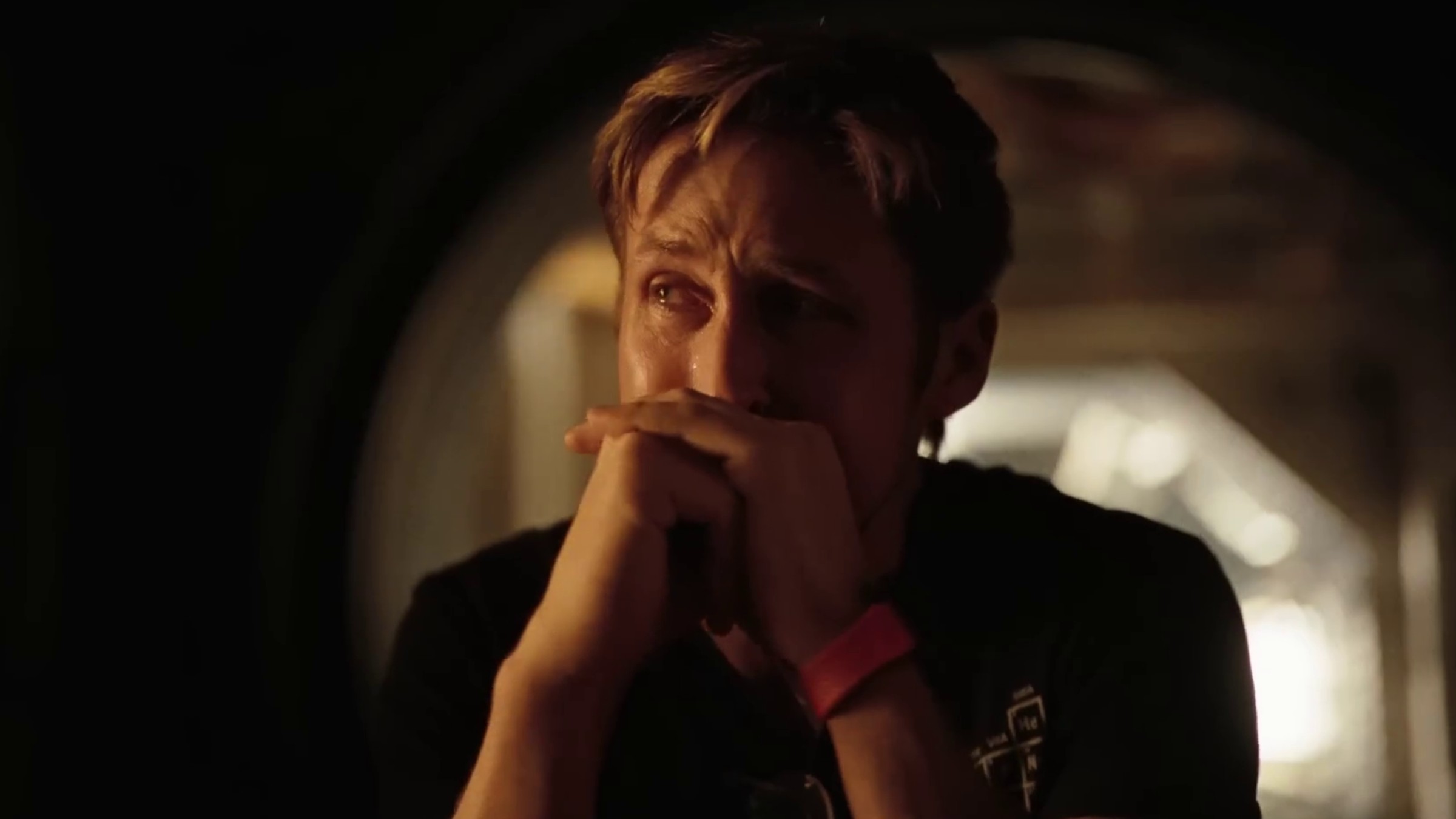
A central part of the Project Hail Mary story involves Ryland Grace unexpectedly joining the mission’s crew after a disaster. The movie shows the moment Stratt tells him she’s decided he’ll be involved, regardless of his wishes, but leaves out some key details from the book. In the novel, Grace tries to talk Stratt out of sending him on this dangerous space mission by threatening to wreck the ship and the entire operation. Stratt doesn’t believe him, and doesn’t realize this will lead her to use strong interrogation drugs – imported from France – that will cause him to wake up with significant memory loss.
It’s a really crucial detail that doesn’t surface until the very end of the book – it finally explains why Grace has no memories of his life on Earth, and suddenly everything about the story’s structure makes sense, especially how he gradually pieces things together. It’s a shame because the film completely leaves this out, and they also cut Grace’s whole arc of being a threat, which felt important to me.
2) Stratt Confronts Grace Before His Departure
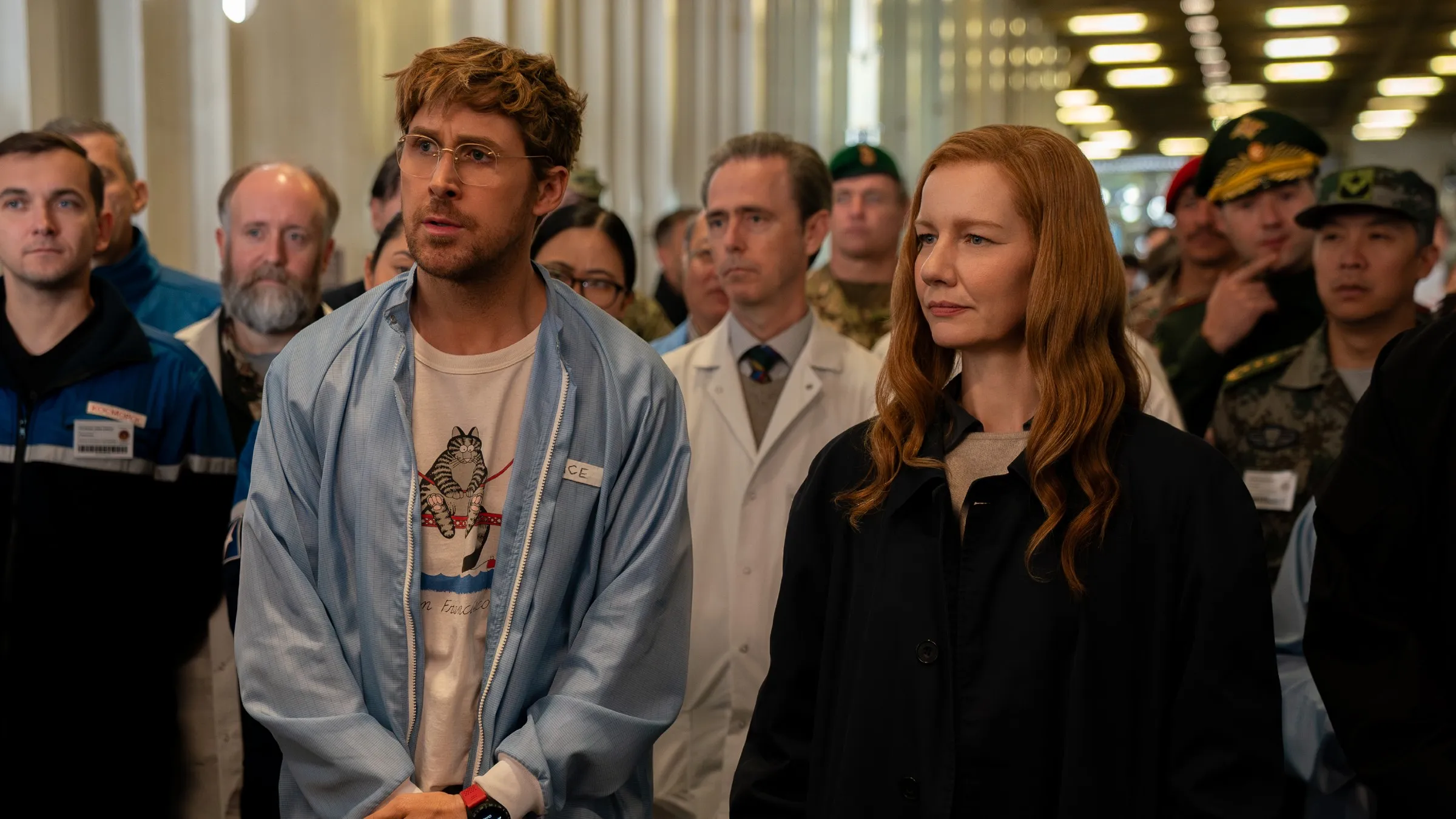
In the film adaptation of Project Hail Mary, Grace is forced onto the spaceship after attempting to escape. The novel expands on this by including a scene where Grace is held in a cell before his journey. While in the cell, he receives one last visit from Stratt, who explains her controversial decision to send him on the mission. She doesn’t offer comfort, but instead warns him that conditions on Earth are expected to worsen significantly. Before putting him into a coma and erasing his memory, she justifies her actions, believing it’s a necessary step for humanity’s survival.
She believes the coming famine will lead to global conflicts, and that widespread disease will cripple healthcare systems. She describes the problems caused by Astrophage as a true apocalypse, bringing about the traditional ‘four horsemen’: death, disease, famine, and war. The strained relationship between Grace and Stratt is understandable, given it was removed from the final film.
1) Grace’s Classroom Translator on Erid
The ending of the Project Hail Mary movie closely follows the book. Grace settles into a life on Erid, with a dedicated space for teaching a classroom of young Eridians. One difference is how Grace communicates with them. In the movie, he simply asks the same question he used with his Earth students – “Who can tell me the speed of light?” However, the book describes Grace using a piano-like device to communicate through musical tones that the Eridians understand. While this detail isn’t necessary for the film, it adds richness to the book’s story. Ultimately, the ending is still touching and effective, as the Eridian children wave their arms to respond to his question.
Read More
- The Super Mario Galaxy Movie: 50 Easter Eggs, References & Major Cameos Explained
- Surprise Isekai Anime Confirms Season 2 With New Crunchyroll Streaming Release
- 10 Best Free Games on Steam in 2026, Ranked
- Why is Tech Jacket gender-swapped in Invincible season 4 and who voices her?
- Preview: Sword Art Online Returns to PS5 as a Darker Open World Action RPG This Summer
- Skate 4 – Manny Go Round Goals Guide | All of the Above Sequence
- Overwatch 2 G.I. Joe Crossover Launches July 1: Join the Battle Between Heroes and Villains
- The Super Mario Galaxy Movie Is An Amusing Sequel (And an Improvement) [Review]
- All 13 Smash Bros. Characters in the Super Mario Galaxy Movie
- The Punisher: One Last Kill Trailer Review: MCU Special Could Be a Game Changer
2026-03-20 19:16