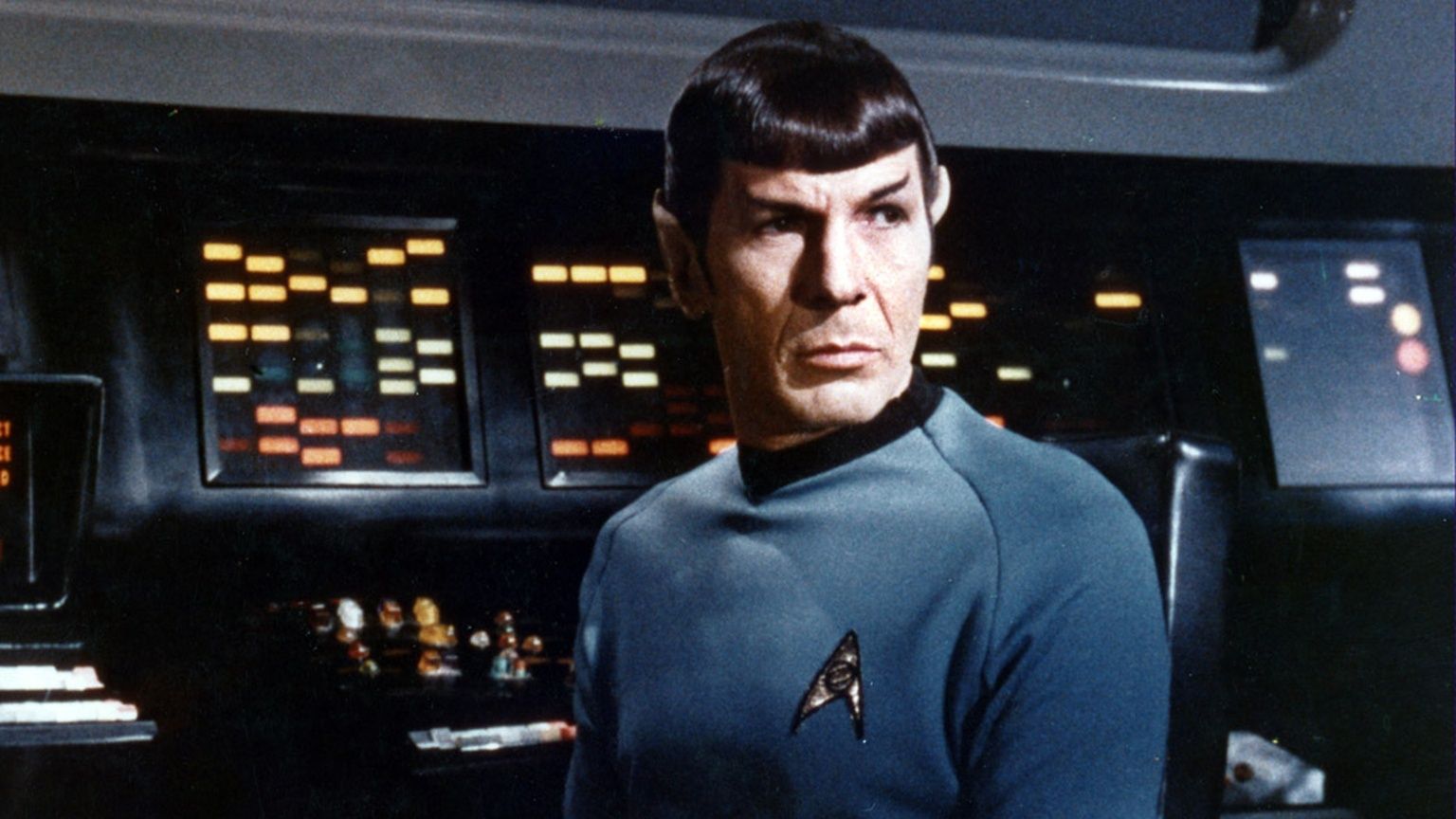
Many people today aren’t interested in watching older movies and TV shows. Younger viewers often avoid anything filmed before sound or color was introduced, and some won’t even watch things from before the year 2000. With so much constant entertainment available, modern audiences often lack the patience for classics like Citizen Kane, Gunsmoke, or Alfred Hitchcock Presents. However, these older films and shows still have a lot to offer.
With so much TV available today, it’s tough to stay current. However, classic shows like Star Trek and I Love Lucy remain popular for a reason. Groundbreaking series that changed television often have lasting appeal. The thought-provoking stories of The Twilight Zone, the sharp political commentary of All in the Family, and the unsettling themes of The Prisoner still feel incredibly relevant – and perhaps even more so now than when they first aired.
Batman
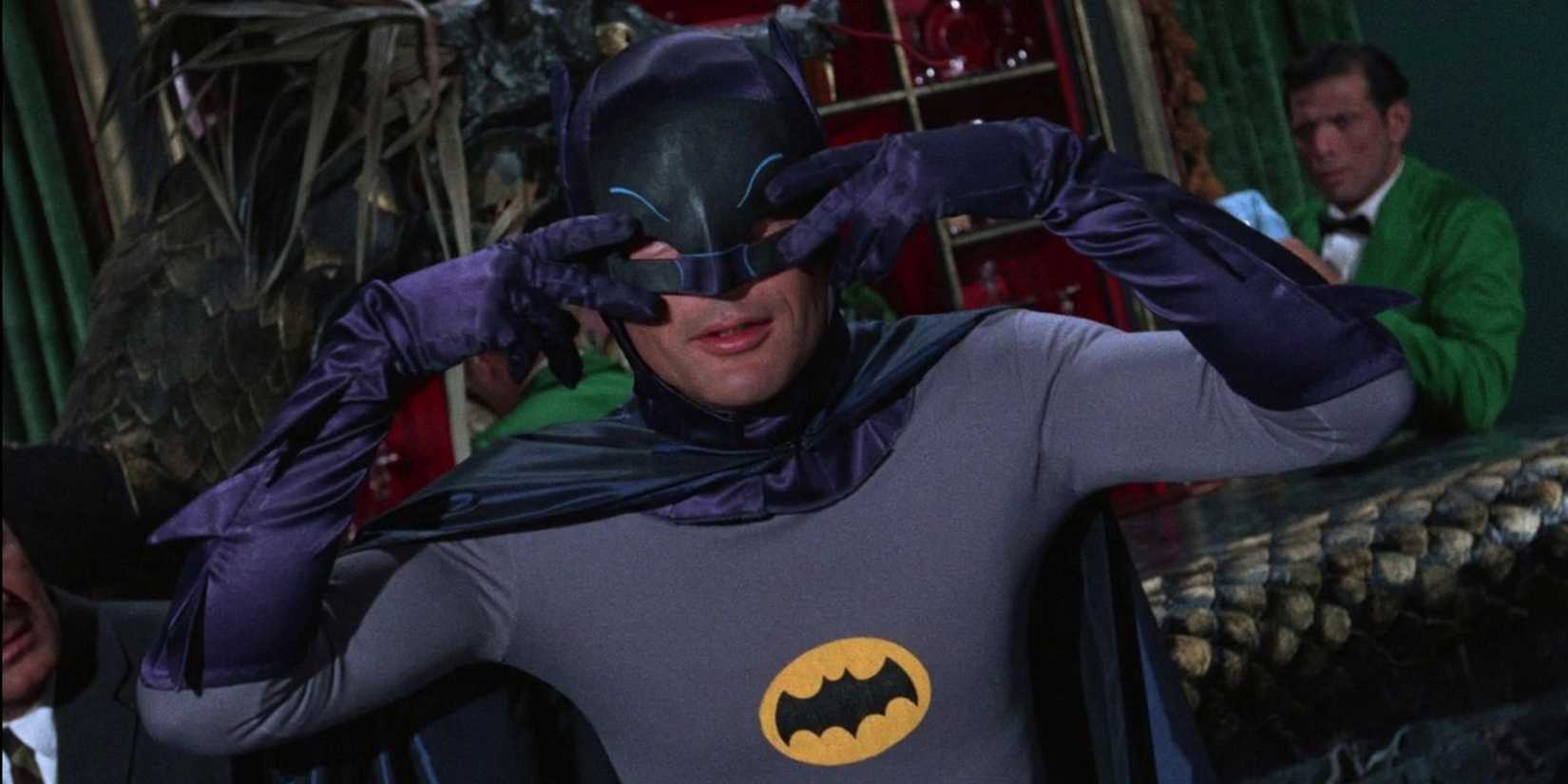
Recent Batman movies have focused on making the character incredibly realistic. However, the more down-to-earth they try to make a billionaire who dresses as a bat to fight crime, the sillier the whole idea starts to appear.
Rather than aiming for a dark and serious tone, the original 1960s Batman series embraced its own silliness. With its vibrant visuals, over-the-top action, and playfully exaggerated style, Adam West’s Batman remains thoroughly enjoyable even now.
The Dick Van Dyke Show
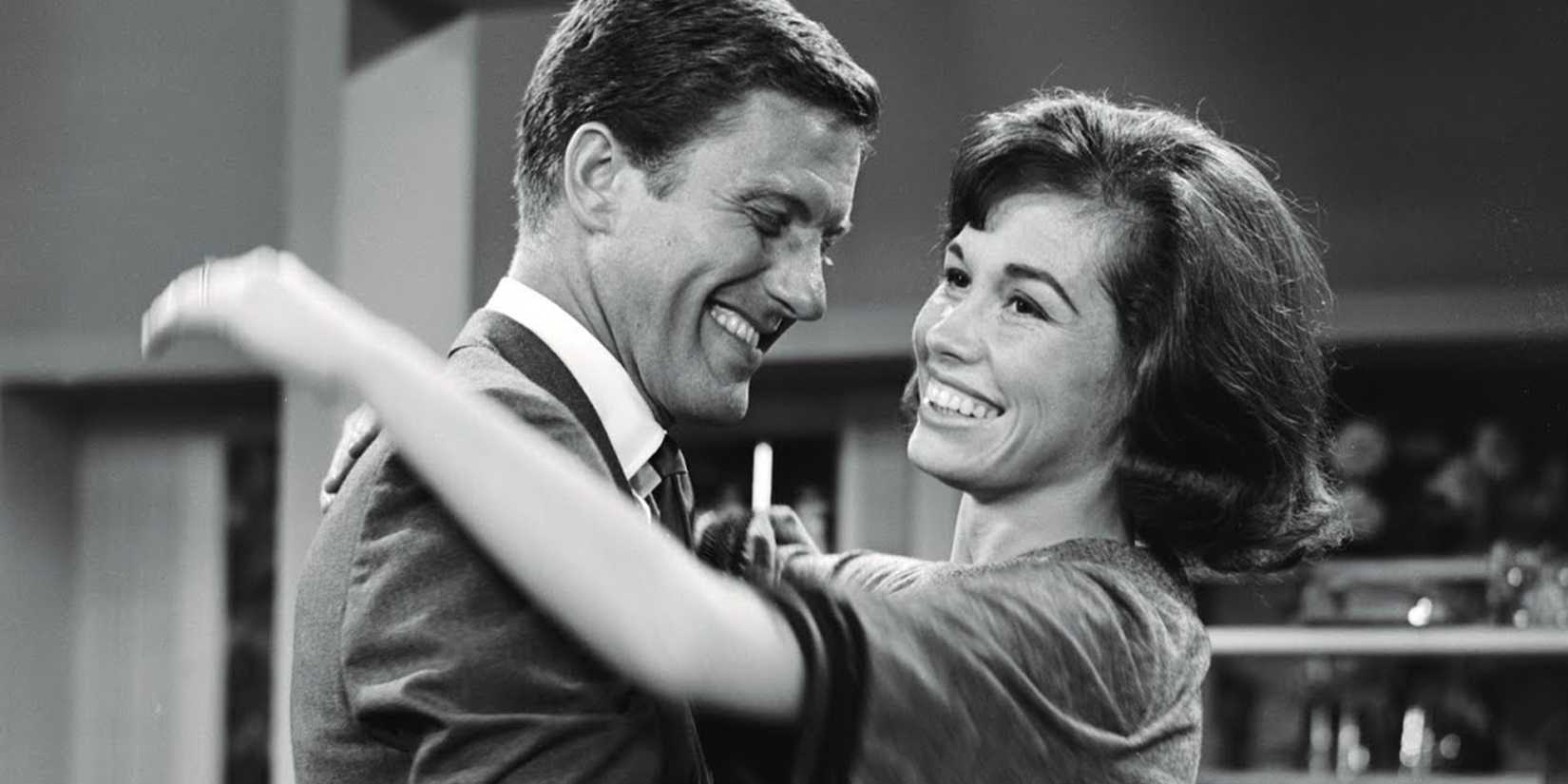
The Dick Van Dyke Show brilliantly combines the warmth of a family sitcom with the humor of a workplace comedy. The setting – a room full of comedy writers – naturally leads to constant jokes and witty banter, and it even inspired many viewers to consider comedy as a real career.
Dick Van Dyke’s classic sitcom paved the way for shows like The Larry Sanders Show and 30 Rock, which focused on the world behind the camera. But its lasting appeal goes beyond just being a show about a show. The Dick Van Dyke Show was remarkably progressive in portraying a marriage built on equality and mutual support. Rob and Laura Petrie worked as a team, facing life’s challenges together rather than against each other.
Star Trek
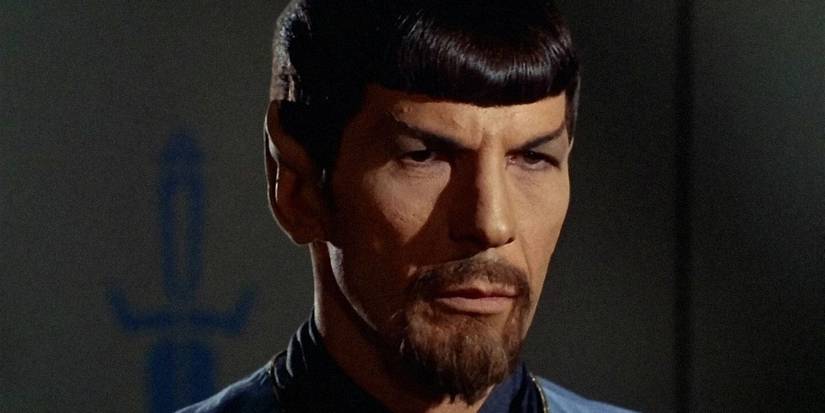
I’ve always loved that during a really tough time, Gene Roddenberry decided we needed a little hope. He dreamed up Star Trek as this amazing vision of the future – a peaceful, happy place where humanity had finally gotten along and was working together to explore space. It was a real escape, and honestly, still is!
As a huge movie and TV fan, I still get a real boost from the hopeful spirit of Star Trek. Honestly, we could really use that kind of escape – and that feeling of unity – right now. And you know what? The original series actually holds up surprisingly well compared to a lot of the Star Trek content Paramount’s been releasing lately.
All In The Family
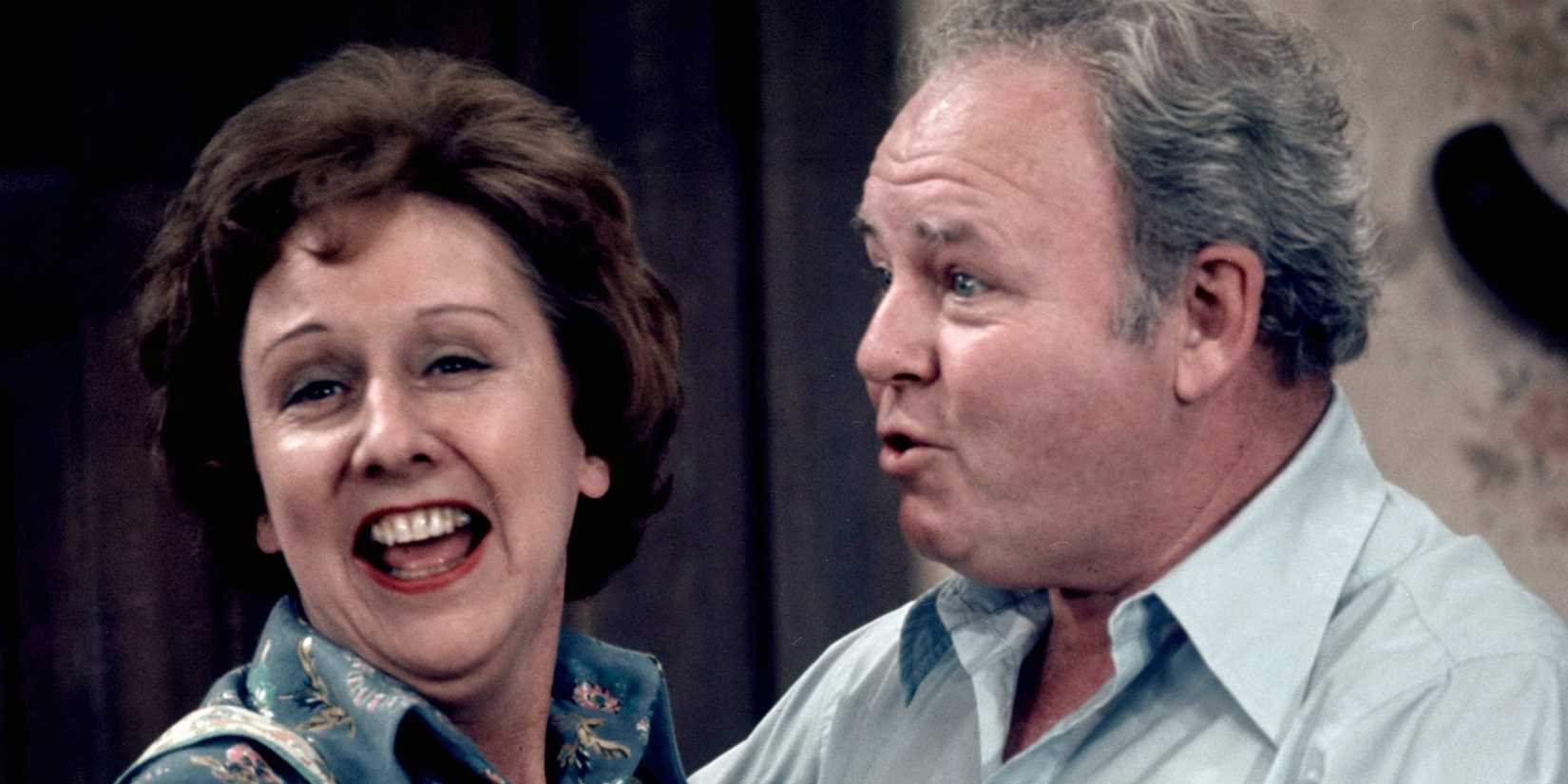
During the 1970s, All in the Family was a huge success. It consistently ranked among the most-watched shows on television – a time when many Americans regularly watched TV – and led to more spin-off series than any other comedy.
The clashes between Archie Bunker, a deeply conservative character, and his liberal son-in-law Mike Stivic perfectly captured the intense political disagreements that divided America during the Nixon era and the Vietnam War. Surprisingly, those same arguments between different generations still feel very current today, even though the specific issues have evolved.
The Muppet Show
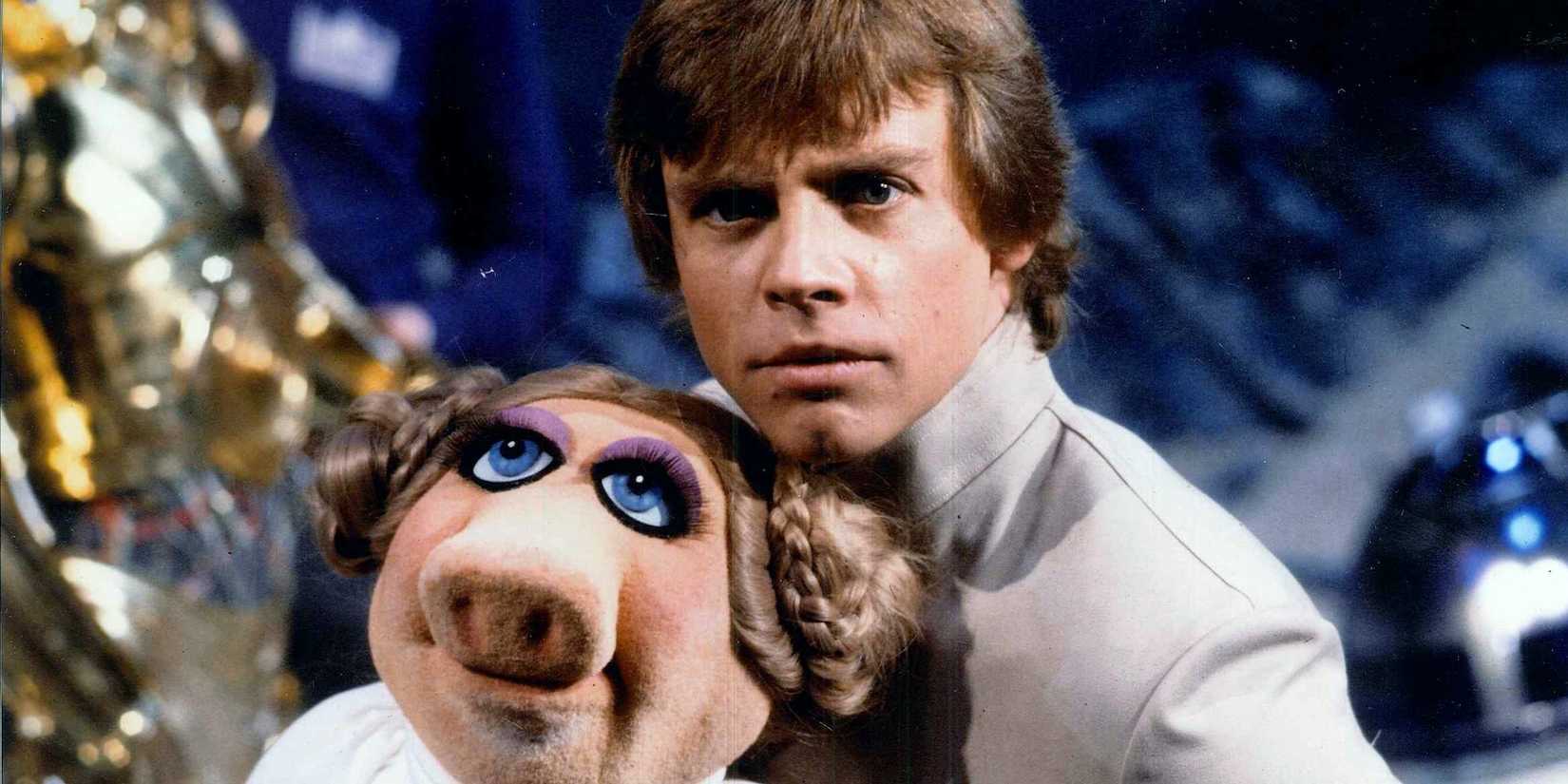
I truly believe Jim Henson was a visionary. He didn’t just create puppets; he brought them to life! He transformed simple marionettes and puppets into characters that felt real, full of personality, and just… lovable. It’s amazing how he and his team managed to make the world fall in love with these incredible creations – just cloth and ingenuity, brought to life by skilled performers.
The Muppet Show was a classic variety show with a twist: it featured the charming Muppet characters like Kermit, Miss Piggy, Fozzie, and Animal interacting with real-life celebrities. The show playfully poked fun at the superficiality of fame and the entertainment industry. It was both a heartwarming program for children and a smart, witty commentary on show business itself.
The Mary Tyler Moore Show
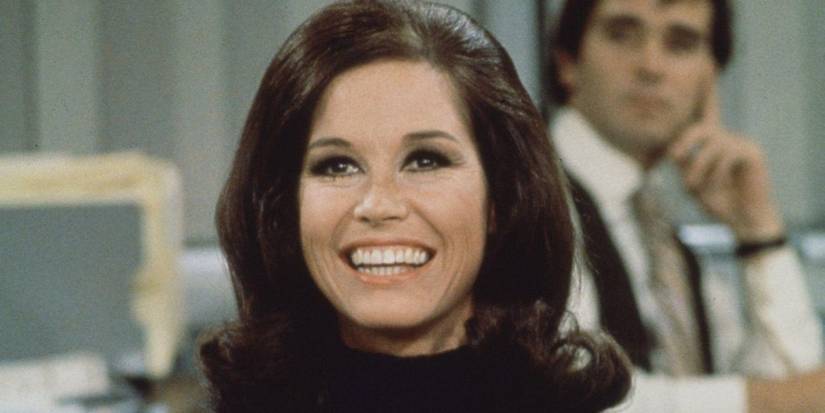
The Mary Tyler Moore Show was one of the first sitcoms to create the idea of a close-knit ‘workplace family,’ a concept that’s now very common. The relationships between Mary Richards and her colleagues at the TV station paved the way for shows like The Office, Brooklyn Nine-Nine, Parks and Recreation, and Superstore, all of which feature similar groups of coworkers who feel like family.
Beyond simply being entertaining, The Mary Tyler Moore Show was truly groundbreaking for the feminist movement. Showing a single woman focused on her career – without children – was a revolutionary idea for its time, and it still feels progressive and relevant today, over 50 years later.
M*A*S*H

Before the TV show MASH, comedies and dramas were kept very separate. Traditional sitcoms focused purely on making people laugh. MASH changed that by using the backdrop of the Korean War to explore how humor helps people cope with difficult situations, while still acknowledging the serious and tragic realities of war.
For its time, this show was groundbreaking because it didn’t rush scenes or rely on constant jokes. It allowed moments to unfold naturally. This approach paved the way for today’s shows that blur traditional lines – like The Bear, which is funny but doesn’t fit neatly into the comedy genre, and Succession, often called a drama but with plenty of dark humor.
The Prisoner
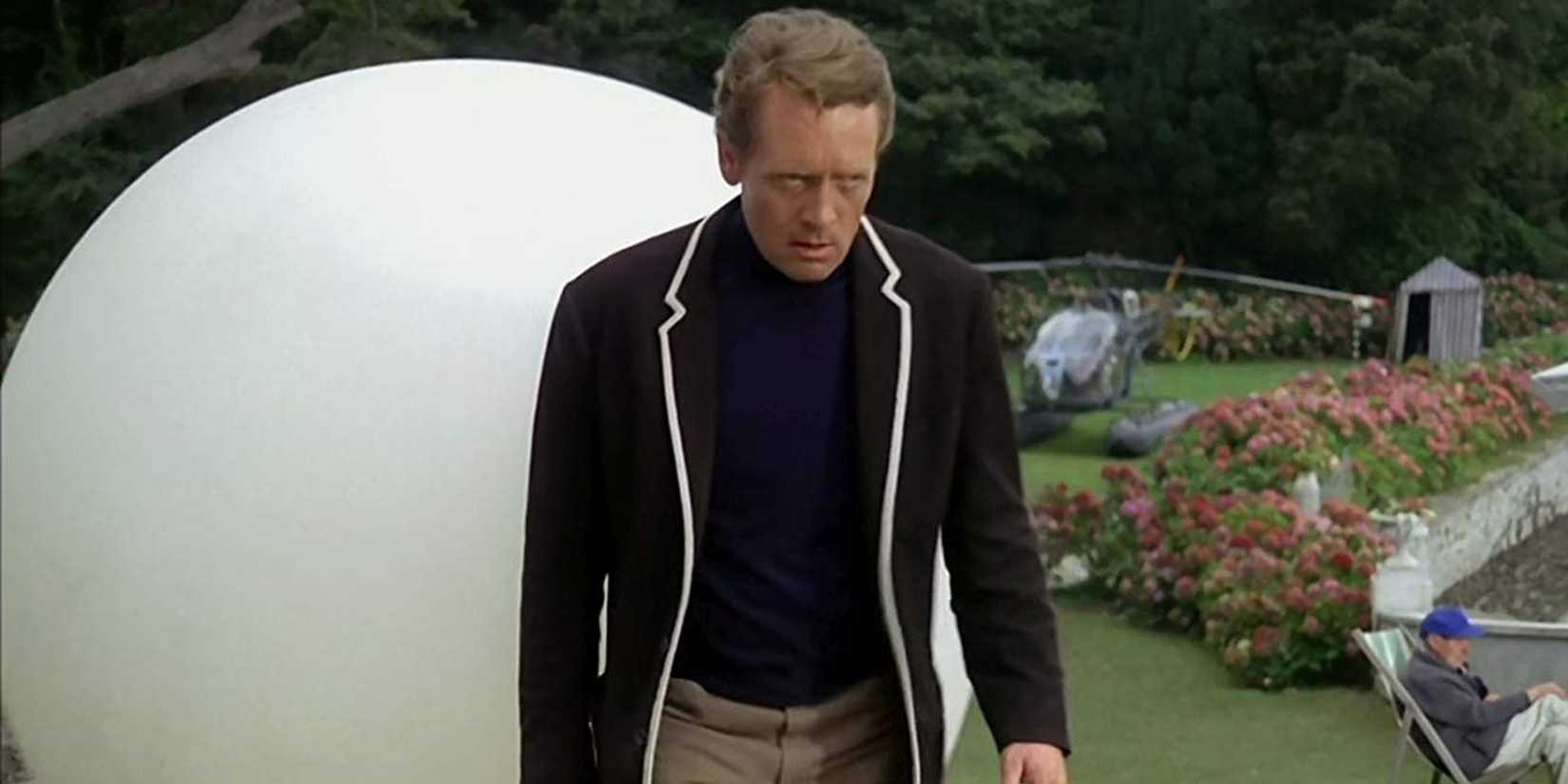
Despite being initially promoted as a classic spy series similar to Patrick McGoohan’s earlier show, Danger Man, The Prisoner turned out to be quite unique. The story centers on a highly skilled secret agent, much like James Bond, who suddenly resigns, only to be kidnapped and held captive in a bizarre, secluded village surrounded by mountains and sea.
As a huge fan of mind-bending shows, I always say The Prisoner was the first of its kind. Seriously, everything I love about shows like Lost and Twin Peaks – that sense of weirdness, mystery, and not knowing what’s real – it all started there. And honestly, even now, it’s just as captivating and confusing as ever.
I Love Lucy
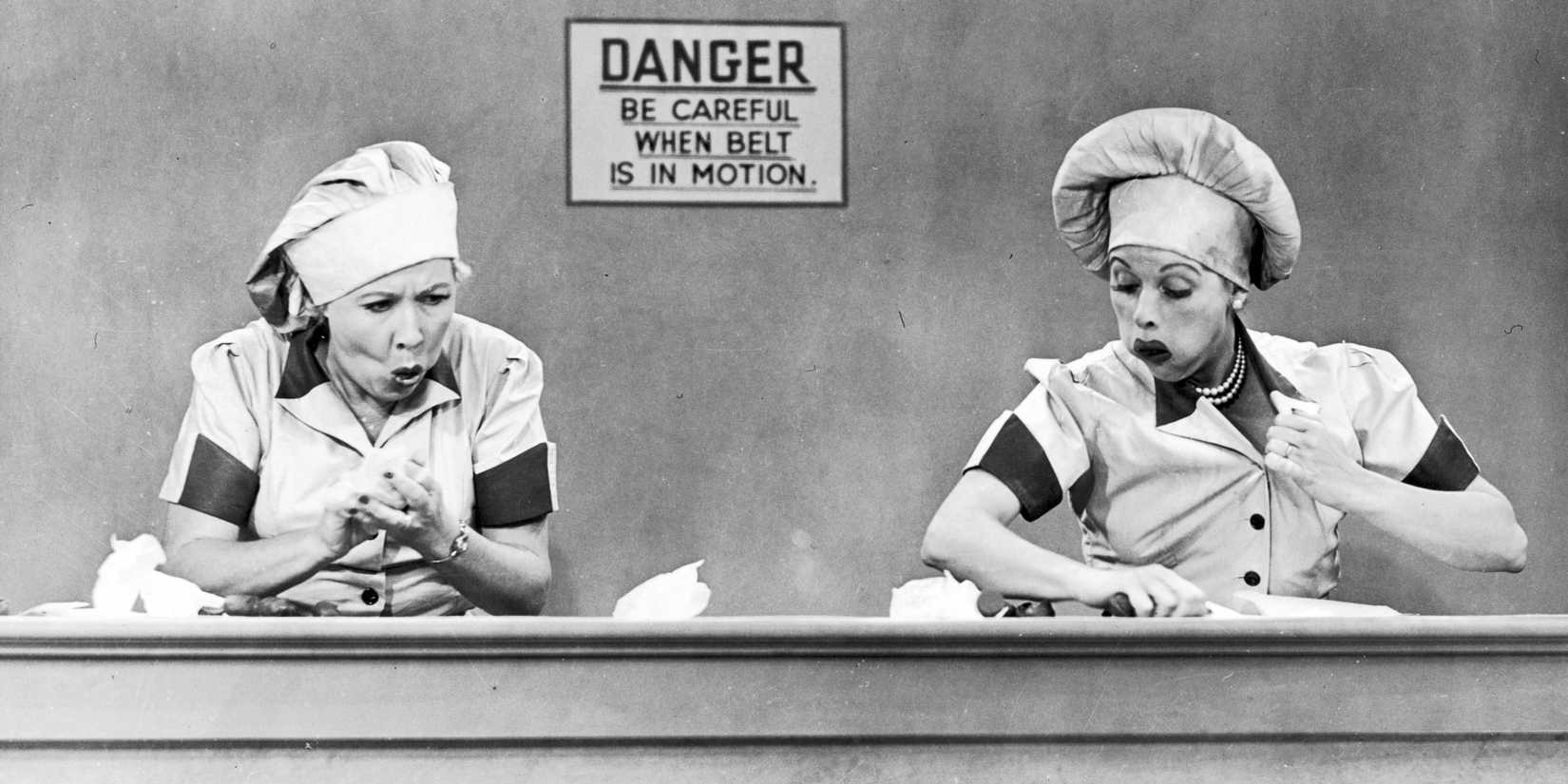
Lucille Ball revolutionized comedy with I Love Lucy. Before her, TV sitcoms usually portrayed women as boring housewives – always nagging and doing chores – while the husbands got all the laughs. But I Love Lucy showed that women could be just as funny and entertaining as the men.
Let me tell you, the connection between Lucille Ball and her real-life husband, Desi Arnaz, just leaps off the screen – the romance and the comedy are electric! What really struck me about I Love Lucy is how forward-thinking it was. They tackled subjects like pregnancy and women working – things that were pretty much off-limits on television at the time – and honestly, it feels surprisingly modern even now. It’s a classic for a reason!
The Twilight Zone
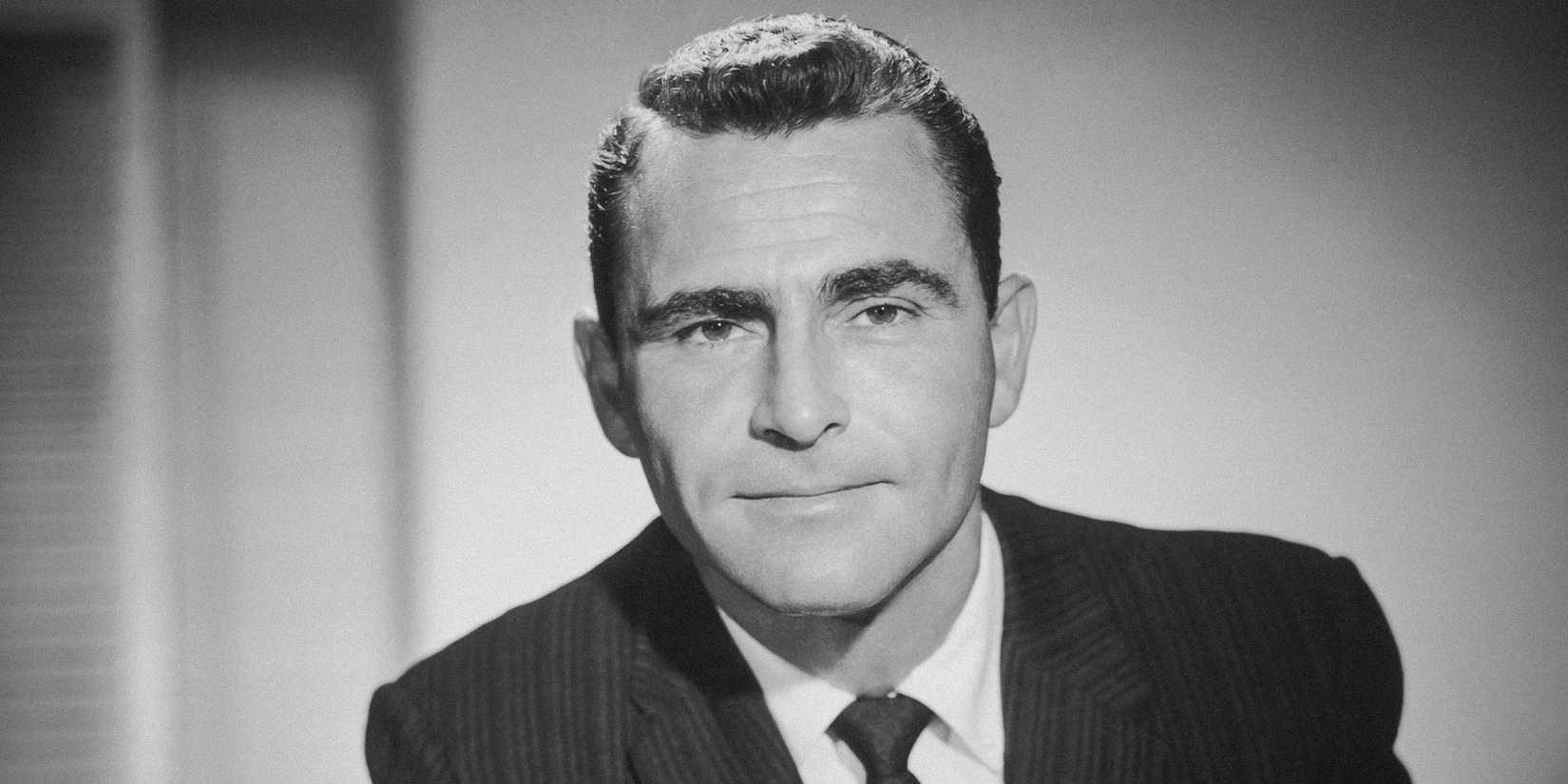
In the 1950s, television was heavily controlled by censors and advertisers, making it difficult for writer Rod Serling to get his politically relevant stories on the air. He cleverly found a solution: by framing his messages within science fiction and horror stories, he could address important issues without direct censorship.
He wasn’t able to create a show directly about suspicious neighbors exposing someone they believed to be a communist, but he could tell a similar story using the idea of an alien pretending to be human. This clever use of symbolism is why The Twilight Zone remains relevant – because the underlying themes are so well hidden, the show’s messages still resonate with current events.
Read More
- Best Controller Settings for ARC Raiders
- FRONT MISSION 3: Remake coming to PS5, Xbox Series, PS4, Xbox One, and PC on January 30, 2026
- Mark Zuckerberg & Wife Priscilla Chan Make Surprise Debut at Met Gala
- Meet the cast of Good Omens season 3: All the actors and characters
- 7 Great Marvel Villains Who Are Currently Dead
- Welcome to Demon School! Iruma-kun season 4 release schedule: When are new episodes on Crunchyroll?
- Nippon Sangoku Is The Best New Post-Apocalyptic Anime of Spring 2026
- Wistoria: Wand and Sword Season 2 release schedule: When are new episodes out?
- The Boys Season 5 Officially Ends An Era For Jensen Ackles’ Soldier Boy
- Khloe, Kourtney Kardashian Call Out Kylie Jenner for Mother’s Day Post
2026-05-18 02:31