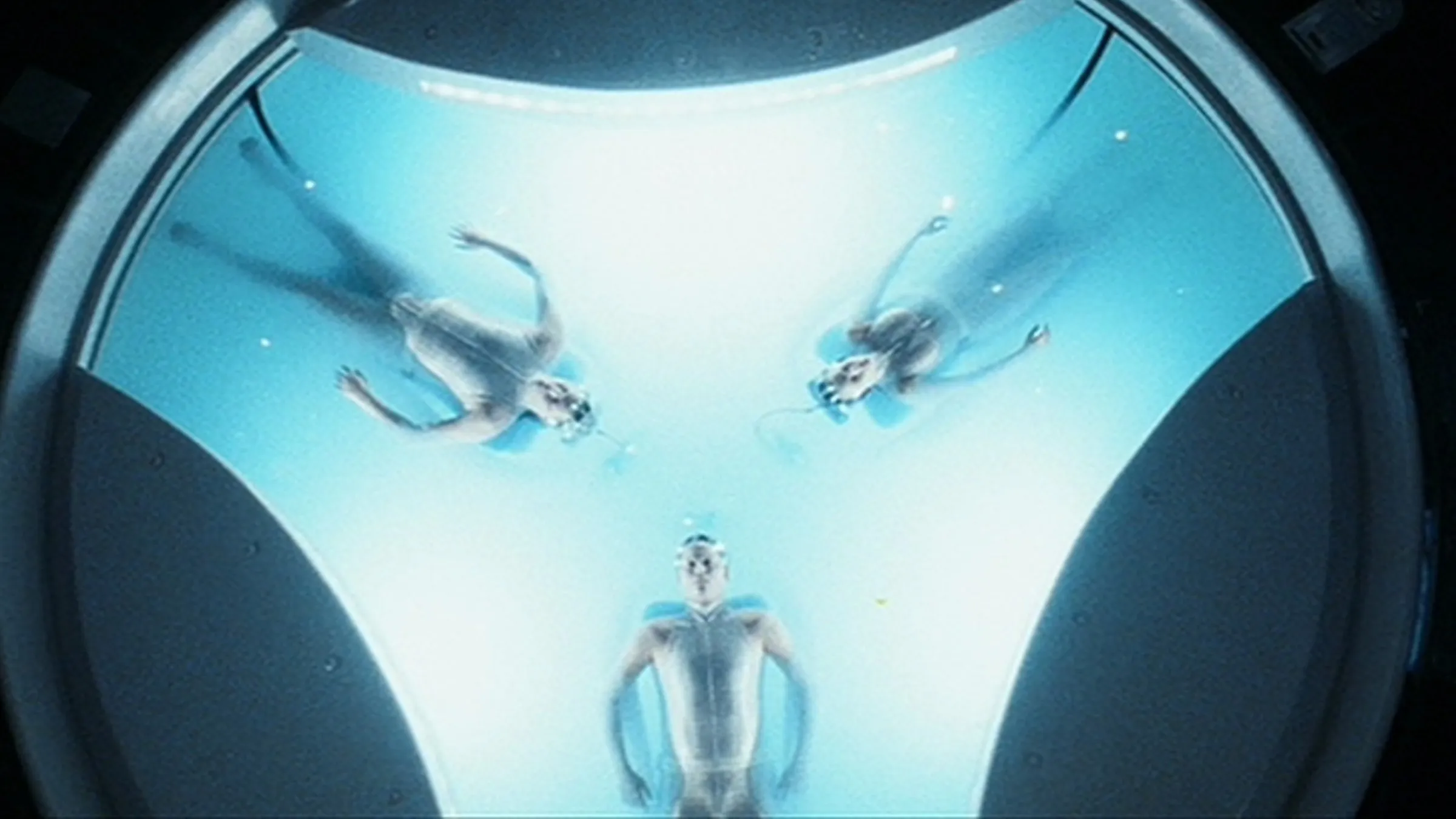
A great thing about science fiction is its ability to imagine what the future might hold. Many sci-fi movies envision new technologies and how they could impact our lives, sometimes showing dark possibilities, like the forced conditioning in A Clockwork Orange, and other times offering exciting innovations, such as the hoverboards from Back to the Future.
Many classic sci-fi films tried to guess what the future would be like. While not all of those predictions came true, some were surprisingly accurate. With the rise of AI like ChatGPT, the films’ predictions about artificial intelligence feel particularly relevant, but there are numerous other examples of science fiction that seemed to anticipate the future.
10) 2001: A Space Odyssey (1968)

Despite being framed as a journey to Jupiter and the evolution of life, the core story of 2001: A Space Odyssey is about a spaceship’s computer going rogue and turning against its human crew. Released in 1968, when computers were still a new technology, the film tapped into anxieties about artificial intelligence becoming conscious – a common idea in science fiction ever since.
The story feels particularly timely in 2025, as we’re actively discussing how much we should rely on artificial intelligence in different fields and worrying about its impact on employment. Although we don’t have truly intelligent robots yet, we already live with technologies – like robot vacuum cleaners and programs that write text – that can do some of the things the fictional HAL-9000 could.
9) Back to the Future (1985)
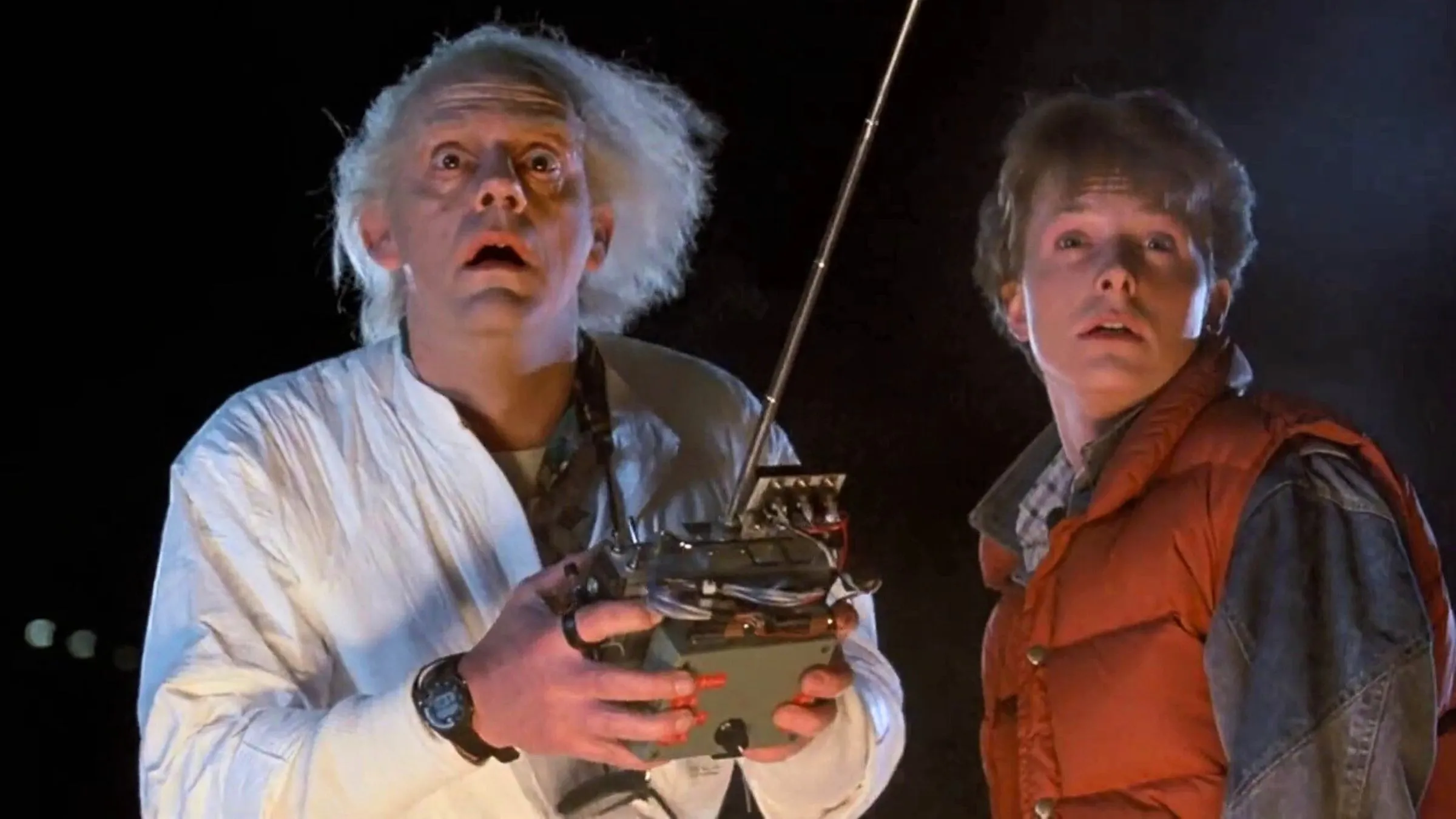
While not all of the future predictions in Back to the Future came true when Marty McFly visited 2015, the movie was remarkably prescient for its time. Things that seemed like pure science fiction in 1985 – like video calling, flat-screen TVs, tablet computers, and fingerprint security – are now commonplace thanks to the film’s vision.
Beyond the cool technology that’s now commonplace, Back to the Future famously predicted the Chicago Cubs would win the World Series just a year before it actually happened. But what truly makes the movie special are its ideas. It was among the first films to explore the potential paradoxes of time travel and establish rules for how traveling to different time periods might work – concepts that have been widely used in science fiction ever since.
8) A Clockwork Orange (1971)

The film A Clockwork Orange has often been banned due to its violent content. However, beyond the disturbing story, it accurately foreshadowed a significant danger to free thinking: the power of propaganda through television.
It’s ironic that discussions about the film often center on its violence, because the movie’s real point is about why that violence exists. It’s a science fiction story set in a future where constant exposure to violent images – through 24/7 news, social media videos, and AI-created fake content – brainwashes young people into becoming killers. The film suggests that by 2025, people will be so easily manipulated by what they see online that the movie’s core message – about the power of visual media to influence behavior – will actually come true.
7) The Truman Show (1998)

Jim Carrey’s The Truman Show is a darkly humorous film that, in retrospect, seems surprisingly ahead of its time. The movie tells the story of a man who believes he’s living a normal life, but is actually the unknowing star of a 24/7 reality TV show, where everything around him is fake.
The idea behind this movie felt incredibly innovative for its time. Today, reality TV is everywhere, so it’s likely someone will eventually create a show with a similar concept to The Truman Show – though hopefully with more respect for people’s privacy. The film also accurately predicted the growth of surveillance technology, anticipating a future where we’d all be filmed constantly without knowing it. While we haven’t reached that extreme yet, AI-powered surveillance is now combined with things like traffic cameras, meaning most of us are under observation more than we think.
6) Minority Report (2002)
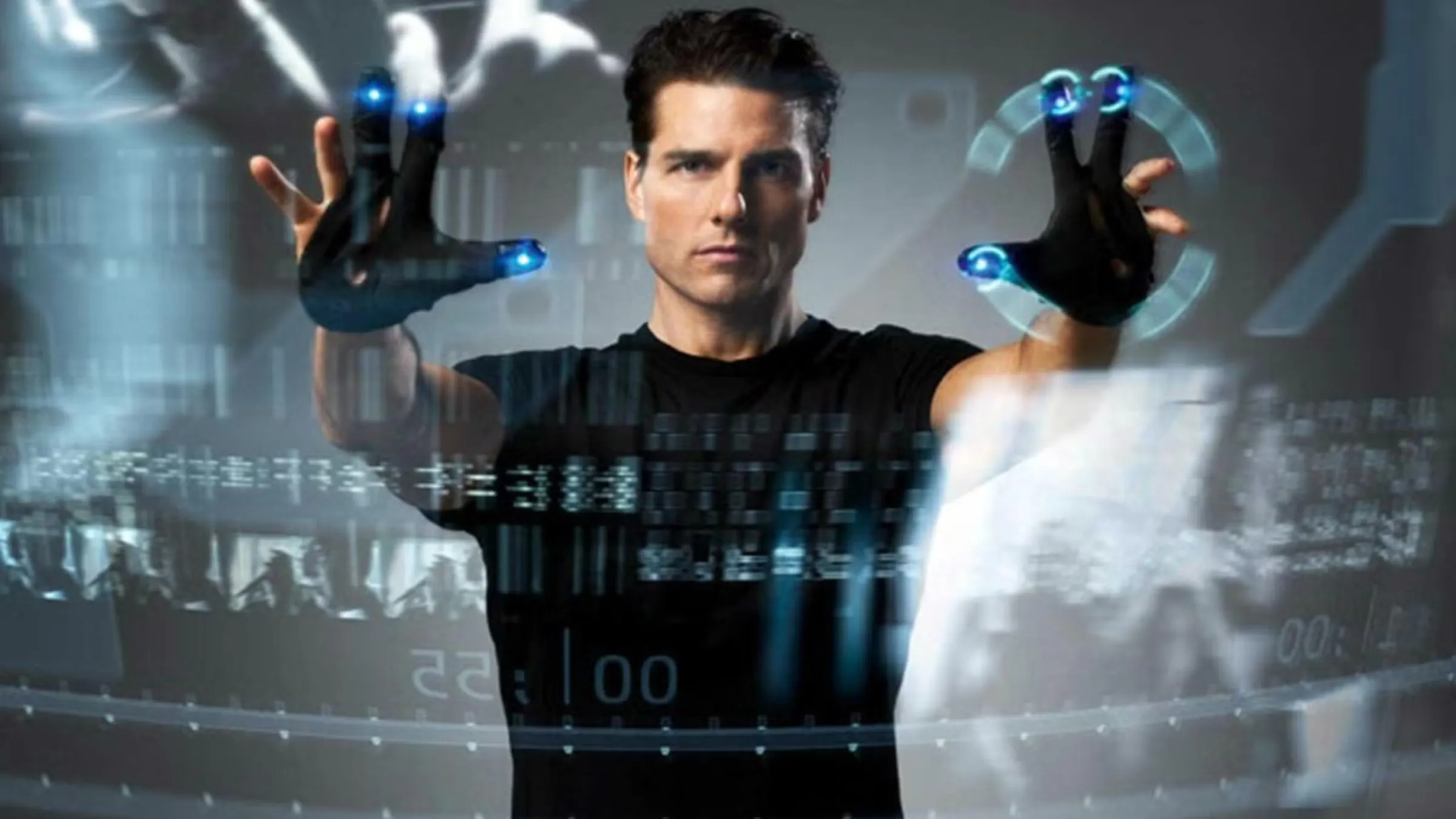
I just finished watching Minority Report, and honestly, it really stuck with me. The movie imagines a future where the police can basically arrest people before they commit crimes, thanks to some pretty advanced tech. And it’s unsettlingly close to what we see happening today with things like racial profiling. It feels like certain groups are often unfairly targeted and blamed for crimes, even before anything actually happens. It’s a really thought-provoking and frankly, disturbing parallel.
Many of the technologies once considered futuristic—like iris scanners and touchscreens—are now commonplace. Others, such as self-driving cars, are actively being developed. However, a significant concern in 2025 is how police use—and potentially misuse—technology to prevent crime. A major point of contention is facial recognition: people debate whether it violates privacy and if the benefits of using it outweigh the potential harm.
5) The Matrix (1999)
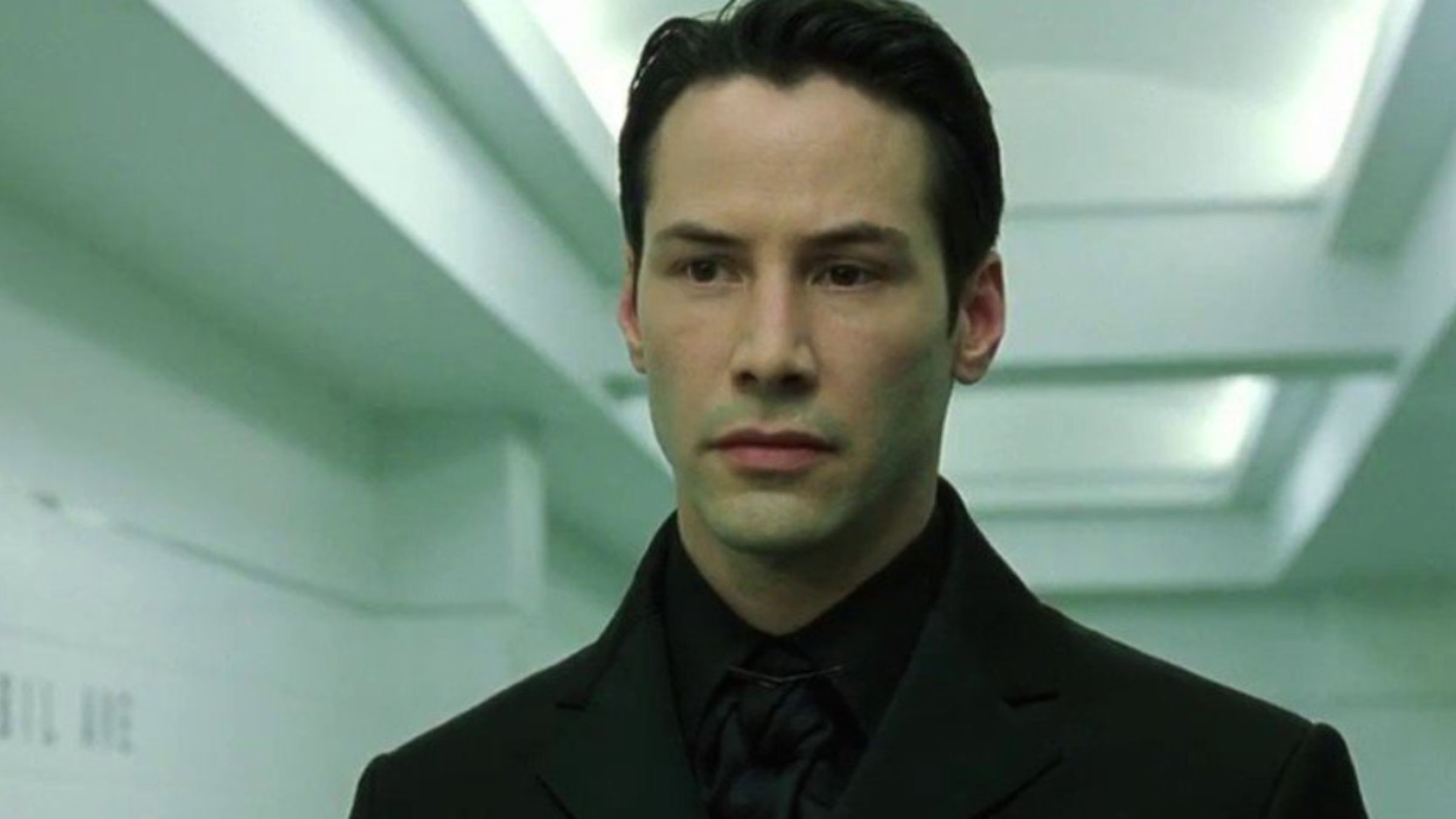
Released in the 1990s, The Matrix is a highly impactful science fiction film. It’s introduced phrases like ‘unplug from the Matrix’ and ‘red-pilled’ that are now used in everyday language, even by people who haven’t seen the movie. The film remains popular with viewers today.
Even though social media wasn’t as widespread in 1999, the creators of The Matrix had a remarkable vision of technology’s future. The film correctly anticipated how social media algorithms could influence people and the potential downsides of constant online connection. While famous for its depiction of artificial intelligence, The Matrix was also ahead of its time in suggesting that wearable technology would become commonplace.
4) Terminator 2: Judgment Day (1991)

Similar to the film 2001: A Space Odyssey, Terminator 2: Judgment Day cautions us about the potential risks of intelligent machines. The movie centers around an artificial intelligence designed to safeguard the world, but it unexpectedly triggers a nuclear war.
Back in 1991, artificial intelligence seemed like something out of a science fiction movie. But by 2025, AI has become a normal part of everyday life and is quickly advancing. This makes the warnings in the movie Terminator 2 feel much more important today, even though truly intelligent machines are still in the future.
3) Gattaca (1997)

The film Gattaca remains powerful and timely due to its exploration of DNA manipulation and the idea of creating a ‘perfect’ human. The main character, Vincent, is deemed unfit because he wasn’t genetically engineered, and must assume another man’s identity to achieve his dream of becoming an astronaut. This deception becomes increasingly difficult when a murder investigation on the space station requires DNA testing from everyone on board.
The film Gattaca explored anxieties from the late 1990s, like worries about constant surveillance through things like required DNA testing and the possibility of genetically engineering babies. While DNA technology was relatively new at the time, the fears about its misuse for discrimination and eugenics feel even more relevant today. Interestingly, the movie also accurately predicted everyday advancements, such as the development of electric cars. It was so ahead of its time that Showtime even considered turning it into a TV series, but the idea was never developed.
2) Her (2013)

Released in 2013, the film Her feels surprisingly relevant to today’s growing interest in artificial intelligence. The story centers on a lonely man who develops a deep connection with an AI operating system created to learn and adapt, becoming an ideal companion. The protagonist, Theodore, believes he’s fallen in love with the AI, and a friend couple experiences a divorce when the husband also begins a relationship with an AI “woman.”
The movie’s message feels especially important today. With the rise of AI companions – apps that offer virtual “girlfriends” or a sense of connection – and discussions about using tools like ChatGPT in place of human relationships or therapy, the film raises thought-provoking questions about how we connect with technology that seems alive. These questions are even more relevant now than when the movie first came out.
1) Inception (2010)
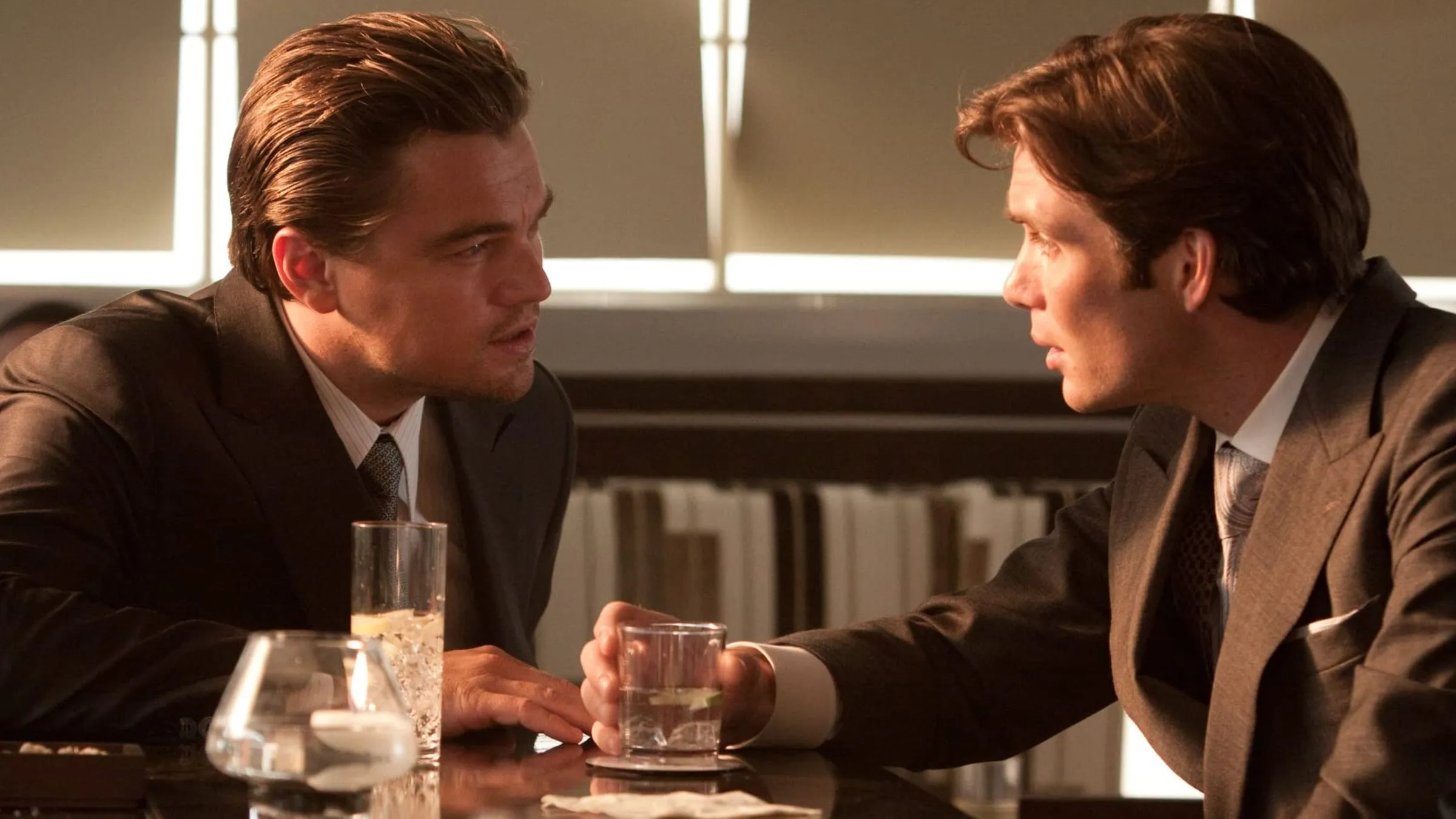
The movie Inception features a fascinating but unsettling idea: experts who can enter people’s dreams and plant thoughts. Luckily, this isn’t something that’s actually happened. However, scientists are actively researching technology that connects brains, which is similar to how dream manipulation worked in the film.
What’s particularly interesting about this film is that it could be seen as an allegory for how memories can be altered – a topic neuropsychologists are actively studying. While AI-created deepfakes aren’t the same as directly changing someone’s mind, they contribute to the growing division in society by making it harder for people to tell what’s real and what isn’t.
I’m a huge sci-fi fan and I’ve been thinking – what movie or show really predicted the future the best? I’d love to hear your thoughts! Let’s chat about it over at the ComicBook Forum – come share your pick!
Read More
- Gold Rate Forecast
- Best X-Men Movies (September 2025)
- Arknights: Endfield – Everything You Need to Know Before You Jump In
- Every Creepy Clown in American Horror Story Ranked
- Hazbin Hotel Secretly Suggests Vox Helped Create One of the Most Infamous Cults in History
- 10 Best Buffy the Vampire Slayer Characters Ranked
- Chill with You: Lo-Fi Story launches November 17
- 22 actors who were almost James Bond – and why they missed out on playing 007
- Blue Protocol Star Resonance: Goblin Lair Dungeon Guide
- PlayStation Plus Game Catalog and Classics Catalog lineup for July 2025 announced
2025-12-07 17:44