Anime series thrive on keeping viewers engaged. The most successful shows grab your attention right from the first episode and maintain it consistently, not with artificial suspense, but through well-developed characters, meaningful conflicts, and stories that feel worth watching.
The difference between a truly captivating show and one you quickly forget comes down to how consistently it delivers. Attack on Titan constantly reframes its own backstory over its four seasons, and Hunter x Hunter cleverly uses optimism and plays with viewers’ expectations of typical action anime. While a strong beginning is important, it’s consistent quality that transforms a good first episode into a truly exceptional series.
Attack on Titan Earns Every Twist It Throws at Viewers
Watching the first season of Attack on Titan felt like witnessing the construction of something truly massive. The Titans were terrifying – they turned humanity into prey and seemed completely invincible, leaving young Eren fueled by nothing but anger. But then, the creator, Hajime Isayama, brilliantly flipped everything on its head. He re-examined the walls, the Titans themselves, and even Eren’s motivations, making the story completely gripping. Each new reveal changed how you understood everything that had happened before, and I found it impossible to look away.
Isayama cleverly foreshadowed key plot points years in advance, making rewatching Attack on Titan a completely new experience. Eren’s evolution from a typical hero into a much more complicated character keeps viewers engaged until the very end, even if they don’t love how the story concludes. It’s rare for a long-running action series to stay so consistent with its own internal rules and maintain such a strong narrative throughout its entire run.
Fullmetal Alchemist Brotherhood Never Wastes a Single Episode
I’m a huge fan of Fullmetal Alchemist: Brotherhood – it’s amazing how faithfully it adapts the entire manga by Hiromu Arakawa across all 64 episodes! What really gets me is how the story starts with Edward and Alphonse’s deeply personal journey, fueled by loss, and then grows into this massive, country-wide conspiracy. But even with all that going on, it never loses sight of the characters and their emotions, which makes everything feel so incredibly real and impactful.
The Homunculi are central to the story, each representing a sin that reflects a problem the Elric brothers are trying to solve. Characters like Greed, Pride, and Envy aren’t simply villains; they embody the story’s themes of power and how people mislead themselves. Even smaller characters in Fullmetal Alchemist: Brotherhood have fully developed storylines, making sure everything builds towards the final battle without feeling drawn out.
Death Note Sustains Its Central Duel Far Longer Than Expected
The core of Death Note is the intense battle of wits between Light Yagami and L. For about 25 episodes, the creators, Tsugumi Ohba and Takeshi Obata, build suspense by focusing entirely on the characters’ psychological strategies. As L becomes more suspicious, Light’s attempts to justify his actions become increasingly complex. This creates constant tension, not through physical conflict, but through a captivating game of mental chess where both characters are always several steps ahead.
Okay, so L’s death definitely changes things up, but honestly, the first half of Death Note is what really cemented it as a masterpiece for me. Watching Light go from this smart, almost noble guy to a total villain is just… incredible. It’s probably the most compelling character transformation I’ve ever seen in any thriller, and I love that the show never tries to make you root for him, even when he’s ‘winning’. It gives every single episode this amazing sense of moral complexity – you’re constantly questioning everything.
Hunter x Hunter Uses Genre Expectations Against Viewers
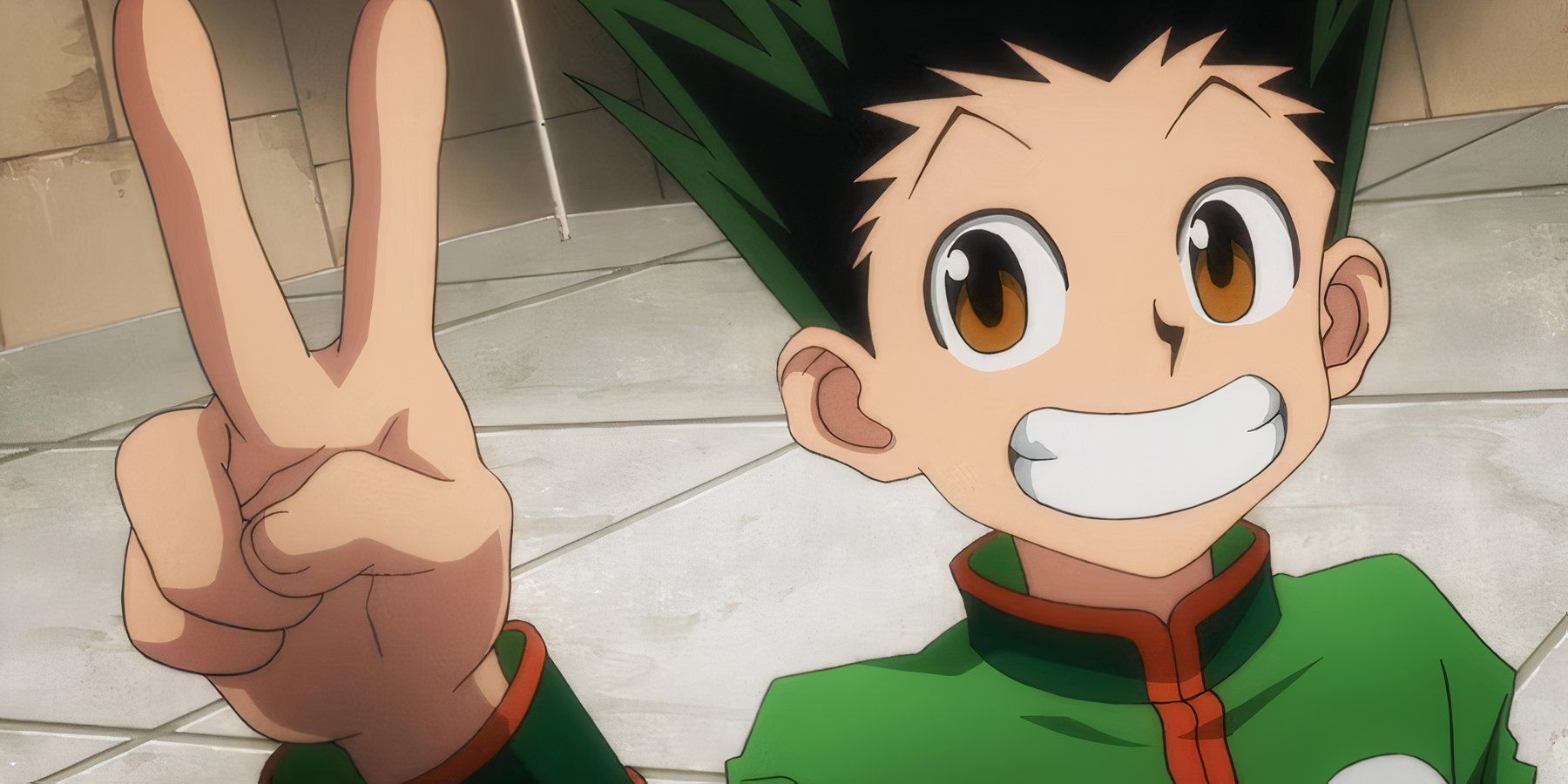
In the early parts of Hunter x Hunter, Yoshihiro Togashi carefully develops Gon Freecss as a cheerful and hopeful protagonist. He then uses this positive portrayal to create a powerful impact later in the story. The Chimera Ant arc truly shows what the series is about: exploring the harsh realities that shatter youthful idealism. Gon’s emotional collapse at the end of that arc is especially shocking because Togashi had meticulously prepared for it throughout the series.
The heart of the Chimera Ant arc lies in the complex emotions between its characters, and Togashi portrays this beautifully. However, he also surprisingly shows the usually heartwarming friendship between Gon and Killua as having unhealthy and damaging elements. Furthermore, by connecting each character’s powers to their inner weaknesses, Hunter x Hunter keeps its fights exciting and meaningful right up to the finale.
Haikyuu!! Makes Volleyball Feel Like the Most Important Thing in the World
The appeal of Haikyuu!! lies in its focus on the emotional impact of defeat, rather than the volleyball itself. While Shoyo Hinata’s determination to overcome his height and succeed drives the story, the series truly resonates by giving its rival teams the same level of detail and development. When a team loses in Haikyuu!!, it feels significant because viewers see how hard they fought for every point.
Watching the Karasuno and Shiratorizawa match in Haikyuu!! Season 3 felt like witnessing the gold standard for sports anime. What really stood out was that the entire season focused on just one match, without any filler. Every player switch, every change in strategy, and even the mental struggles of the characters were given the attention they deserved. Plus, the show really committed to showing realistic volleyball techniques, which made the intense competition and story incredibly captivating.
Mob Psycho 100 Uses Psychic Powers to Tell a Story About Emotional Repression
The most compelling aspect of Mob Psycho 100 isn’t the incredible psychic powers of its main character, Shigeo “Mob” Kageyama. Instead, the story focuses on the contrast between Mob’s immense power and his emotional struggles as a teenager. He can easily demolish buildings, but has trouble understanding his own feelings. A visible meter tracks how much he’s bottling up his emotions, turning his internal state into a key part of the story, and when that meter maxes out, it creates intense and meaningful moments.
The third season of Mob Psycho 100, especially its final story arc, really strengthens the relationships between characters. The bond between Reigen and Mob, where Reigen acts as a somewhat dishonest mentor, becomes surprisingly touching while still being funny. What makes Mob Psycho 100 special is that the main character, Mob, grows as a person emotionally, instead of just becoming physically stronger – which is unusual for this type of action series.
Ushio and Tora Delivers Classic Shonen With No Compromises
Kazuhiro Fujita’s classic manga from the ’90s set the standard for supernatural action, and MAPPA’s 2015 anime beautifully updates it for today’s audience. What makes the relationship between the impulsive shrine keeper and the ancient spirit so compelling is that their conflict isn’t easily resolved.
Throughout the entire series, Tora consistently acts as a dangerous and self-serving character, and this actually enhances the story’s tension. He’s designed to be a strong contrast to the hero – physically imposing, wild, and secretly reliant on someone he won’t acknowledge he admires.
The ending of Ushio and Tora is one of the most powerful conclusions in recent shonen anime. The story offers a classic shonen tale centered on themes of loyalty, sacrifice, and what truly defines a monster versus a human being. This clear and focused storytelling is why the series remains impactful even years after its release.
Assassination Classroom Builds Toward a Goodbye That Cannot Be Avoided
Yusei Matsui planned the story of Assassination Classroom from the very beginning to end with the death of Koro-sensei at the hands of Class 3-E. This fate is made clear from the first episode, and its weight increases as the series goes on. By the time it happens, Koro-sensei’s dedication to his students makes his death a deeply emotional moment.
I’m still thinking about Nagisa Shiota and how perfectly his story captures the heart of Assassination Classroom. He starts off as someone everyone overlooked, but a huge turning point completely changes him, forcing him to grapple with incredible power. The ending really hit me – it showed that growing as a person isn’t always easy, and sometimes means accepting loss. Honestly, the whole series was a masterpiece of pacing; the payoff in the finale was exactly what you hoped for after everything that happened. It was a truly satisfying journey!
Dr. Stone Makes Scientific Thinking the Most Exciting Ability Senku Has
Senku Ishigami, the main character of Dr. Stone, relies on his knowledge of chemistry and building things to overcome challenges, and this remains consistent throughout the series. The author, Riichiro Inagaki, cleverly uses the world of stone as a setting to teach real scientific principles without making it feel like a lesson. Senku’s enthusiasm for inventing keeps viewers engaged, creating exciting and tense moments whenever he builds something new.
Dr. Stone: Stone Wars showcases the show’s strong storytelling through a rivalry between Senku’s science-focused Kingdom and Tsukasa’s strength-based Empire. The conflict is ultimately solved through cleverness and innovation, not just fighting. The series then broadens its scope as Senku continues his efforts to restore civilization.
Astra Lost in Space Packs More Story Into 12 Episodes Than Most Series Manage in 50
Kenta Shinohara’s Astra Lost in Space tells a complete story with a satisfying conclusion – there are no loose ends. The anime expertly brings to life the idea of nine children stranded far from Earth, and the story cleverly twists into a larger mystery that changes everything you thought you knew about their struggle to survive.
Watching this group come together has been fascinating. At first, they were just strangers, but their interactions – especially Kanata’s unwavering hope as captain and Zack’s knack for figuring things out – really drove the story forward. What’s impressive is how Shinohara reveals each character’s backstory only as it connects to the bigger picture, building toward a really powerful and impactful ending. It felt like the mystery took over as they started to trust each other, and the way it all unfolded was seamless.
Read More
- SUI PREDICTION. SUI cryptocurrency
- USD HKD PREDICTION
- USD TRY PREDICTION
- UNI PREDICTION. UNI cryptocurrency
- USD BRL PREDICTION
- USD CHF PREDICTION
- EUR CNY PREDICTION
- Remake of 1999 PS1 Game Coming to PS5 and Switch 2 This October
- Pragmata Crashing on Startup: Fixes for PC
- DOGE PREDICTION. DOGE cryptocurrency
2026-06-08 04:27