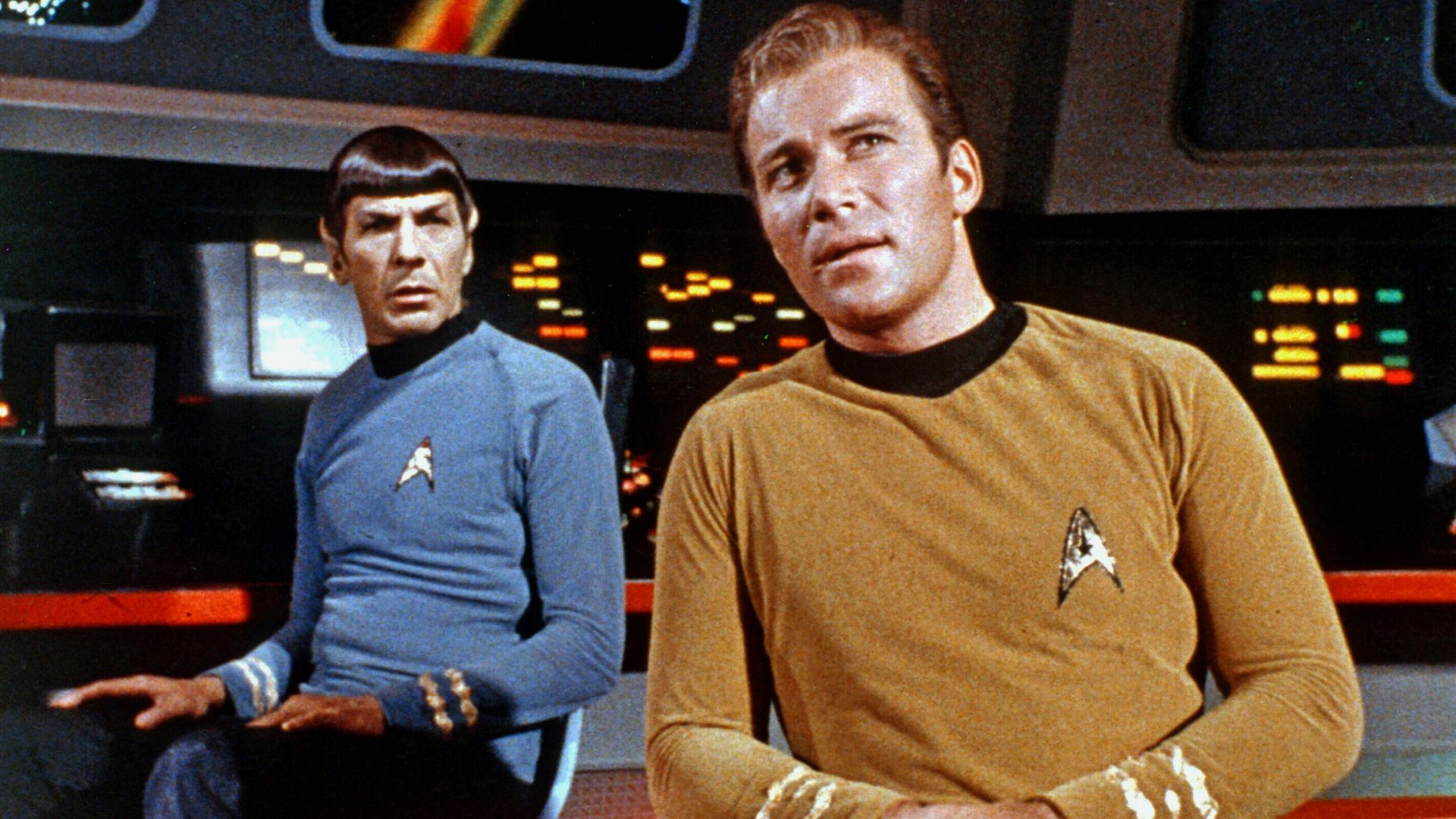
As a lifelong fan, I think what really made Star Trek: The Original Series so enduring wasn’t just the diverse crew, but its incredible ability to tell any kind of story within a science fiction setting. It could tackle westerns, dramas, even comedies, all while still feeling like Star Trek. And despite how varied the episodes were, there’s always something distinctly Star Trek about them – a certain quality that makes it feel so classic and recognizable even today.
Despite the show’s willingness to experiment, many episodes felt right at home on television at the time. One week, the crew of the USS Enterprise might be in a western, and the next in a World War II story. Sometimes the drama unfolded on alien planets, while other times it stayed contained within the ship. Episodes ranged from lighthearted comedy to thought-provoking science fiction and social commentary. However, the consistent use of certain key themes and elements in every episode of The Original Series is what ultimately made it feel like Star Trek, regardless of the specific story.
The Captain’s Log Entries Gave the Viewer Information and Set Up the Emotional Stakes
The phrase “Captain’s log” is one of the most recognizable in Star Trek history. Captain Kirk usually spoke these brief entries, but other officers like Spock or Scotty would record them when they were in command. These logs were a tradition borrowed from the navy, serving as the official record of the ship’s weekly missions.
These logs also offered a fast way to share background information with viewers, especially about the ship itself. But they weren’t only for explaining things or getting those who missed previous episodes up to speed.
Occasionally, episodes of Star Trek would explicitly state their underlying message, with Captain Kirk directly pointing out the lesson learned. At other times, the narration would delve into Kirk’s thoughts and feelings, especially during critical situations when the ship faced danger. This technique allowed the show to use narration effectively without completely pulling viewers out of the story.
Captain Kirk or Someone Else From the Ship Gets Flirtatious
Though Star Trek: The Original Series envisioned a hopeful and exploratory future, it also showed that people naturally crave connection. The crew of the USS Enterprise consistently sought meaningful relationships with each other and with the alien civilizations they encountered.
The show originally aired during a time of changing social norms in the US, and the crew of the Starfleet often found themselves in romantic situations. A common storyline involved an officer forming a connection with an alien woman, only to ultimately return to his primary love – the USS Enterprise itself. But it wasn’t just one officer; many members of the crew experienced similar adventures.
Characters like Doctor McCoy, Scotty, and even young Chekov often displayed playful flirtation. Occasionally, even Spock would show a flirtatious side when his suppressed emotions broke through his logical exterior. The show’s creators aimed for intelligence in Star Trek, but also wanted to include some romantic appeal.
A New Planet or Alien Species Would be Introduced to Keep Exploration Dangerous
Although viewers of the original Star Trek saw the characters grow over the show’s three seasons, each episode was mostly self-contained. It was similar to The Twilight Zone, but with the same core crew visiting different worlds and encountering new alien lifeforms each time, rather than a new cast in every episode.
Often, Starfleet had encountered these beings before, but the audience was seeing them for the first time. The show primarily focused on these new worlds and alien lifeforms. Every episode’s conflict generally stemmed from introducing a new planet or species, forcing the crew to overcome dangerous environments or confront unfriendly inhabitants during their explorations.
What I always loved about the original Star Trek was that each episode usually involved the crew stumbling onto some kind of trouble for a civilization they’d already met. It wasn’t just about space battles; it was about mysteries and problems that kept you guessing. That sense of the unknown, of what was out there, really hooked viewers and helped make the Star Trek universe feel so vast and detailed.
Star Trek Always Had a Fight Despite Existing in an Enlightened Future
The Star Trek series presented a hopeful future for humanity, focused on exploration, scientific advancement, and, above all, peace. While Starfleet wasn’t strictly peaceful, action and conflict were common, with many memorable battles throughout the show. These exciting fights balanced out the more thoughtful and intellectual themes of the stories.
As a film buff, I always appreciated stories where characters would debate big ideas, but then actually do something about them. What really stood out to me was that even when they were fighting, they weren’t just mindless brawlers—they’d show restraint and compassion whenever possible. Though, if you’re talking about Captain Kirk, he usually ended up winning those fights physically, often with that famous Star Trek ‘hammer punch’ of his. It was such a signature move!
Spock was the only character who generally avoided physical fights, preferring to use his Vulcan neck pinch to quickly disable enemies. However, even he occasionally got into hand-to-hand combat. While these fights added excitement and showed heroic qualities, they weren’t the main focus of the stories.
The Iconic Narration and Theme Established Star Trek’s Grandeur and Mission Statement
Although other shows also used narration and music to introduce their stories, Star Trek was unique in how it did so. Captain Kirk’s voiceovers explained the show’s core mission: to explore strange new worlds and discover new life, all in an effort to understand the universe. This narration helped audiences connect with the characters and understand that, despite possessing a powerful spaceship, their intentions were peaceful.
As a movie and TV buff, I’ve always loved the original Star Trek theme. It wasn’t just catchy, it really felt like space! Composer Alexander Courage built it around a beautiful song from the 1930s, “Beyond the Blue Horizon,” but he sped it up and gave it this amazing, otherworldly vibe. He used instruments like flute, organ, and even electric violin – it sounded both futuristic and strangely alien. It’s funny, Gene Roddenberry actually wrote lyrics for the theme song hoping to earn some royalties, even though we never actually heard anyone sing them on the show!
The original singing was done by Loulie Jean Norman, but Elin Carlson re-recorded the vocals for the show’s 2006 remastered version. These vocalizations often added to the show’s unique and ethereal atmosphere. The theme song is incredibly famous and continues to appear in films and newer shows like Star Trek: Discovery and Strange New Worlds.
A Redshirt Meeting Their Demise Showed the Story Had Life and Death Consequences
As a lifelong sci-fi fan, I’ve always been struck by how dangerous life aboard the USS Enterprise really was. It’s funny, but during their five-year mission in Star Trek: The Original Series, someone was always getting hurt or killed – usually a nameless extra on the ship or a strange new planet. It got to the point where there was even a term for those characters – they were just there to meet an unfortunate end and move the plot along!
The idea that characters in danger often wore red uniforms originated from the original Star Trek series, specifically those in operations and engineering. While not every crew member who died wore red, it happened often enough to become a running joke. This trope continued in later Star Trek shows, and even influenced other productions. For instance, J.J. Abrams and Damon Lindelof, who later revived Star Trek, used the term “redshirts” as a shorthand for expendable characters while writing the scripts for Lost.
Later in the story, John Locke learned about the situation and boldly criticized Kirk, calling him a bad captain due to the number of crew members who had died. This insult would later prove to be a mistake for Locke himself.
A Visual Effects Moment That Was Impressive at the Time of Debut
In 2006, Paramount released all episodes of again. While the updated versions used modern computer animation for things like planets and special effects, the original visual effects – created using older techniques – still deserve recognition, especially considering how often the show has been re-aired over the years.
Compared to today’s television, Star Trek: TOS might seem low-budget, but the special effects team consistently delivered incredible results. They were often asked to create the impossible with very limited time and money. They frequently used basic animation for effects like energy blasts and cleverly devised ways to depict new alien worlds for the Enterprise to explore each week.
The impressive visual effects in The Original Series weren’t an accident – they were intentionally created to make the ships look amazing. Even as special effects technology improved over the years, these scenes continued to be enjoyable. The updated effects in the remastered version are modern, but they still capture the spirit and style of the original effects artists from the 1960s.
Banter Between Spock and Doctor McCoy Defined Their Friendship
Before the 1960s, most TV shows centered around a single main character. However, Star Trek: The Original Series broke that mold by focusing on a team, with Captain Kirk, Spock, and Dr. McCoy all playing equally important roles.
Each episode included a back-and-forth between the two characters, typically funny and often with a sarcastic edge. Doctor McCoy acted on his feelings, while Spock preferred logic. This difference in their personalities naturally led to witty banter, and they frequently challenged each other’s viewpoints.
Surprisingly, Star Trek: The Original Series didn’t create typical enemies between its main characters. Instead, it built a dynamic where McCoy and Spock argued like family. This playful bickering, whether due to the actors DeForest Kelley and Leonard Nimoy’s natural connection or intentional writing, actually showed a deep fondness between them. These exchanges often provided a humorous ending to episodes, but more importantly, they became a defining characteristic of both the characters and the show itself.
The Most Important Part of Star Trek Episodes Was Real-World Allegory
Gene Roddenberry had more in mind than just creating a popular show. His earlier series, The Lieutenant, frequently faced censorship due to its portrayal of sensitive social problems, particularly racial discrimination. He discovered that using the science fiction genre allowed him to explore these important issues while avoiding network censorship.
Each episode of Star Trek: The Original Series uses fictional stories to explore real-world issues and offer a lesson. These lessons covered a wide range of topics, from everyday relationships to major events like the Vietnam War. Often, the show presented a clear moral, but sometimes it posed complex questions and let the viewers draw their own conclusions.
The show’s characters frequently stumbled, intentionally highlighting the dangers of making wrong choices. Even in lighthearted or fantastical episodes, the underlying message always touched on important, real-world issues.
Captain Kirk Always Had a Rousing Speech for Enemies or the Crew
Although the other characters on the USS Enterprise bridge were well-liked, Captain Kirk was the central figure for a good reason. Whenever an episode of Star Trek: The Original Series reached its most important moment, it was usually Kirk who had to give a speech to persuade others – whether enemies or friends – to do what was right.
Sometimes these things even happened. While some modern Star Trek fans dislike it when a show is overly preachy, The Original Series wasn’t exactly known for its subtlety either.
Captain Kirk’s speeches perfectly illustrate this tendency – he frequently wraps up a story’s lesson in just a few lines. While he preferred leading by example, Kirk wouldn’t hesitate to directly tell his crew – or anyone else – what the right course of action was when necessary.
You can buy Star Trek: The Original Series on DVD and Blu-ray, or watch it digitally. It’s also available for streaming on Paramount+ and PlutoTV.
Found an error? Send it so it can be corrected.
Read More
- FRONT MISSION 3: Remake coming to PS5, Xbox Series, PS4, Xbox One, and PC on January 30, 2026
- Best Controller Settings for ARC Raiders
- Mark Zuckerberg & Wife Priscilla Chan Make Surprise Debut at Met Gala
- Meet the cast of Good Omens season 3: All the actors and characters
- Welcome to Demon School! Iruma-kun season 4 release schedule: When are new episodes on Crunchyroll?
- The Boys Season 5 Officially Ends An Era For Jensen Ackles’ Soldier Boy
- 7 Great Marvel Villains Who Are Currently Dead
- Nippon Sangoku Is The Best New Post-Apocalyptic Anime of Spring 2026
- Wistoria: Wand and Sword Season 2 release schedule: When are new episodes out?
- Khloe, Kourtney Kardashian Call Out Kylie Jenner for Mother’s Day Post
2026-04-17 06:40