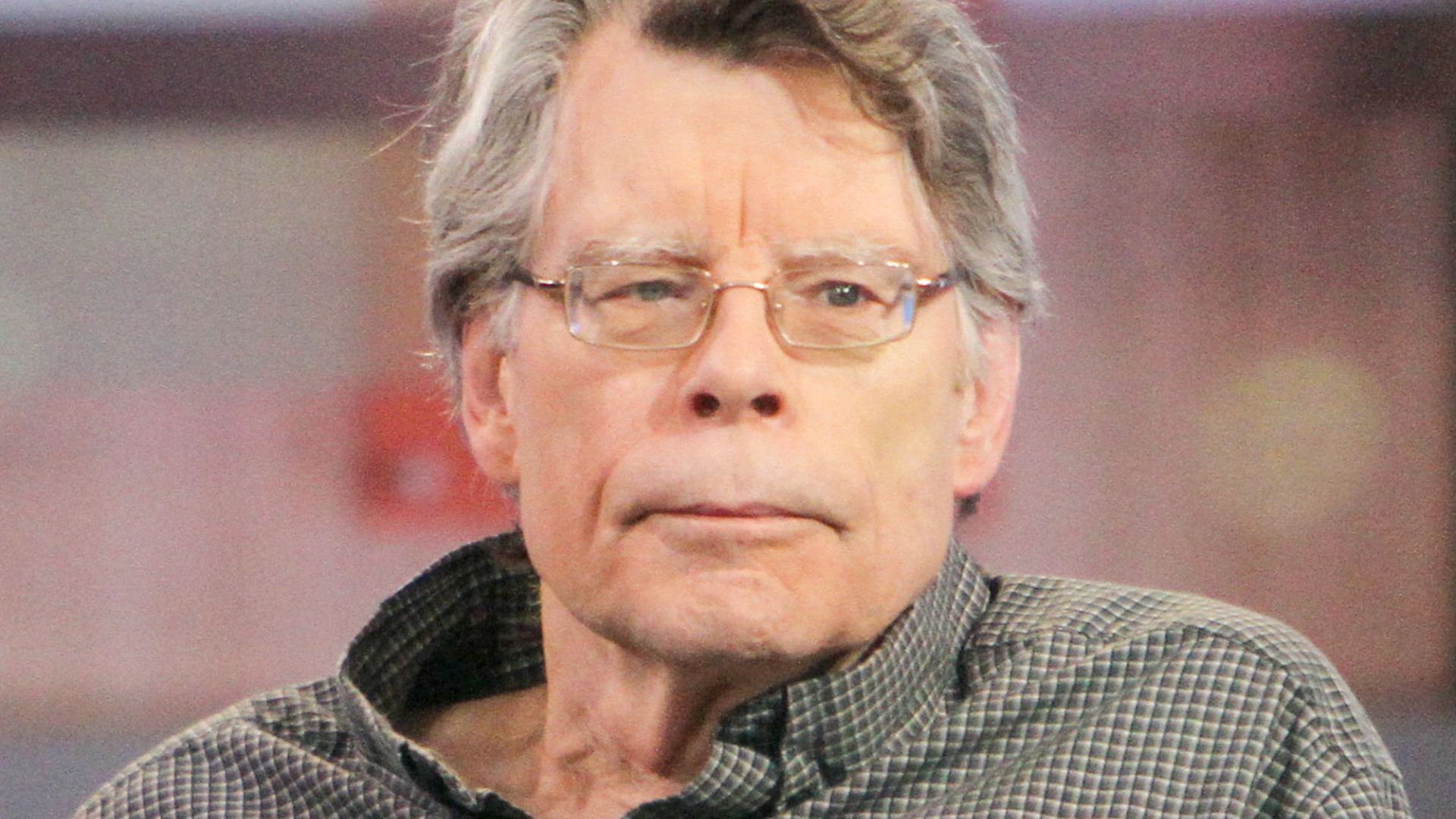
This year marks the 10th anniversary of the horror film that deeply frightened even Stephen King, a renowned master of the genre. King is known for sharing the movies and books he enjoys with his large following, and his recommendations often help lesser-known works gain popularity. A prime example is his early praise for Sam Raimi’s 1981 film, The Evil Dead.
About ten years ago, Stephen King was deeply impressed by a different film: Robert Eggers’ The Witch. It first appeared at the Sundance Film Festival in 2015, but became widely available in 2016, and King enthusiastically recommended it. He described it on X (formerly Twitter) as a movie that was both suspenseful and intellectually stimulating, as well as powerfully affecting.
Strong word-of-mouth and rave reviews quickly made The Witch a standout horror movie. Released on February 19, 2016, it was a major hit and helped launch the career of director Robert Eggers. A decade later, the film is now considered a highlight of Eggers’ work and one of the best horror films of the 21st century.
The film stood out for its immersive atmosphere and historically accurate dialogue, making it truly unique when it was released. It proved to be incredibly influential, especially within the horror genre, and paved the way for many of the popular scary movies we enjoy today – it’s doubtful those films would have been made without it.
Robert Eggers’ The Witch Popularized Folk Horror For A New Generation
What makes The Witch so compelling is its deep connection to the folklore of the period. The film’s settings, costumes, and acting convincingly recreate the world of early Puritan settlers. But it’s the script, drawing directly from actual 17th-century writings, that truly pulls viewers back in time.
Using the language of early modern English is a brilliant way to make The Witch feel like a truly captivating historical film. It’s almost like watching the stories of Nathaniel Hawthorne come to life. The rich, descriptive language heightens the drama and really shows how classic folk horror develops.
This unique approach to historical horror excited many fans because it felt fresh in a genre often focused on the 20th and 21st centuries. Setting the story in the 1600s was a welcome change and created opportunities for a completely new kind of fear.
The Horror Of The Witch Comes From Unseen Fear, Not An External Threat
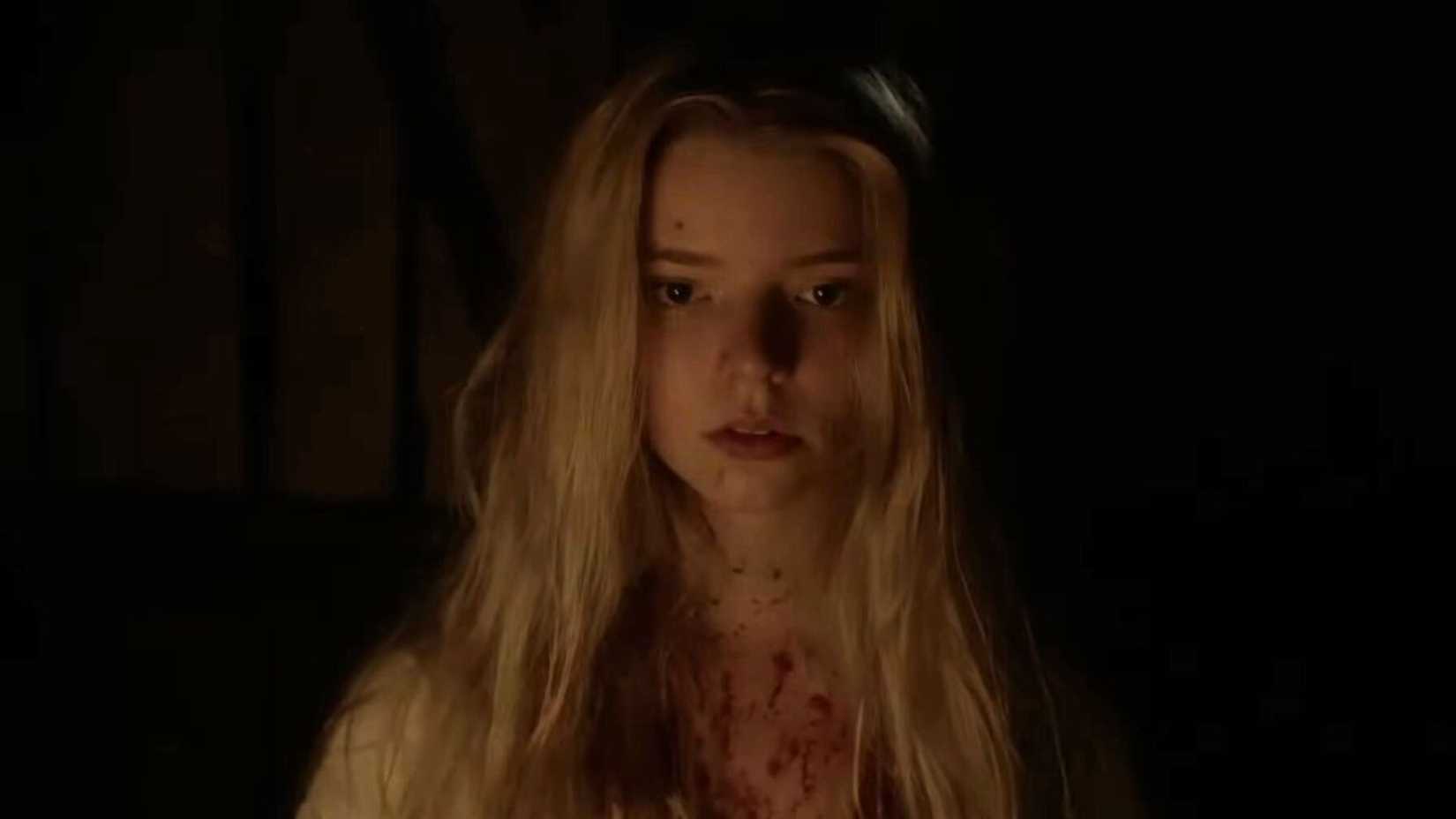
What I love about The Witch is how it really gets under your skin and messes with your head. You’re constantly questioning what’s actually happening versus what the characters think is happening. Sure, there are moments where you see something definitively supernatural – that scene with the baby is pretty unforgettable – but the movie is so effective because it’s all filtered through the perspectives of people who are clearly losing it. It’s brilliantly unsettling because you never quite know if what you’re seeing is real or just a product of their paranoia.
Fear and suspicion are central to the film The Witch. Throughout the story, Thomasin and her family live in constant fear of hidden dangers. As their anxieties increase, they turn on each other, constantly accusing one another.
I noticed the way the characters talked felt really over-the-top, and it actually made me wonder if everything happening could be explained normally, instead of blaming it all on witchcraft. It got me questioning if there was a simpler answer to what was going on.
Even the film’s most fantastical ending can be seen as a product of Thomasin’s growing fear and mental instability. Her deal with Black Phillip, and the famous line about living deliciously, might be a hallucination – a creation of her mind as she descends into madness after her family’s tragic fate and wanders into the woods.
The story relies on what the audience imagines and how they understand events, mirroring the experiences of Thomasin’s family as they struggle to survive the terrifying isolation of the wilderness.
The Witch Put A24 On The Map
A24 really took off with the release of The Witch. Before that film, the studio existed, but its movies didn’t get much attention initially and tended to find an audience later, through DVD and Blu-ray sales.
The release of The Witch was a turning point for A24. The film received widespread critical acclaim, establishing the studio as a home for unique and high-quality horror. It even helped create the term “elevated horror,” used to describe horror films with deeper themes and artistry than most in the genre.
Although the idea of “elevated horror” isn’t used much anymore – people now enjoy horror movies for what they are, regardless of artistic merit – it did spark a new generation of filmmakers inspired by the movie The Witch.
Directors like Ari Aster (known for Hereditary), Jane Schoenbrun (I Saw The TV Glow), and the Phillippou Brothers (Talk To Me) were inspired by the deliberate, atmospheric style of The Witch and similar films, using it as a foundation for their own creative work.
Even after a decade of fantastic horror movies, Robert Eggers’ first film, The Witch, remains a landmark achievement in the genre. Eggers has directed three more films since then, and his next project, Werwulf, is scheduled for release in 2026.
It’s impressive how much impact The Witch and its director, Eggers, have had since the film came out. The fact that they even frightened Stephen King shows they’re really pushing boundaries and doing something special for horror movies.
Read More
- 10 Most Powerful Versions of Superman, Ranked
- Gold Rate Forecast
- GBP CNY PREDICTION
- 10 Best Free Games on Steam in 2026, Ranked
- 007 First Light: Release Date, Story, Gameplay, Cast, Editions, and Platforms
- Superman’s 7 Best Power-Ups, Ranked
- Forza Horizon 6 Car List So Far: Confirmed Highlights, Cover Cars, DLC, and Rewards
- 10 Greatest Manga Endings of All Time
- DOGE PREDICTION. DOGE cryptocurrency
- 10 Greatest Wii U Games of All Time, Ranked
2026-04-18 16:01