
Alex Garland has become a major force in modern horror and science fiction, writing acclaimed films like 28 Days Later, Sunshine, and Dredd. He’s not just a talented screenwriter, though; Garland has also proven himself as a gifted director. He successfully adapted the seemingly impossible novel Annihilation into a stunning film, explored the grim realities of conflict in Warfare, and offered a stark reflection of contemporary society with Civil War. However, he first gained attention as a director to watch with a captivating sci-fi film released in the 2010s.
I saw Ex Machina when it hit theaters back in April 2015, and it really stuck with me. The story centers around Caleb, a programmer played by Domhnall Gleeson, who gets invited to spend a week with his company’s CEO, Nathan. It quickly becomes clear this isn’t just a friendly visit; Caleb is there to evaluate Ava, an incredibly realistic AI robot, and determine just how human she seems. The movie was a huge hit with critics – a whopping 92% on Rotten Tomatoes! – and it racked up a lot of awards, including an Oscar for its stunning visual effects and a nomination for the original screenplay.
How Ex Machina Became an Iconic Sci-Fi Film
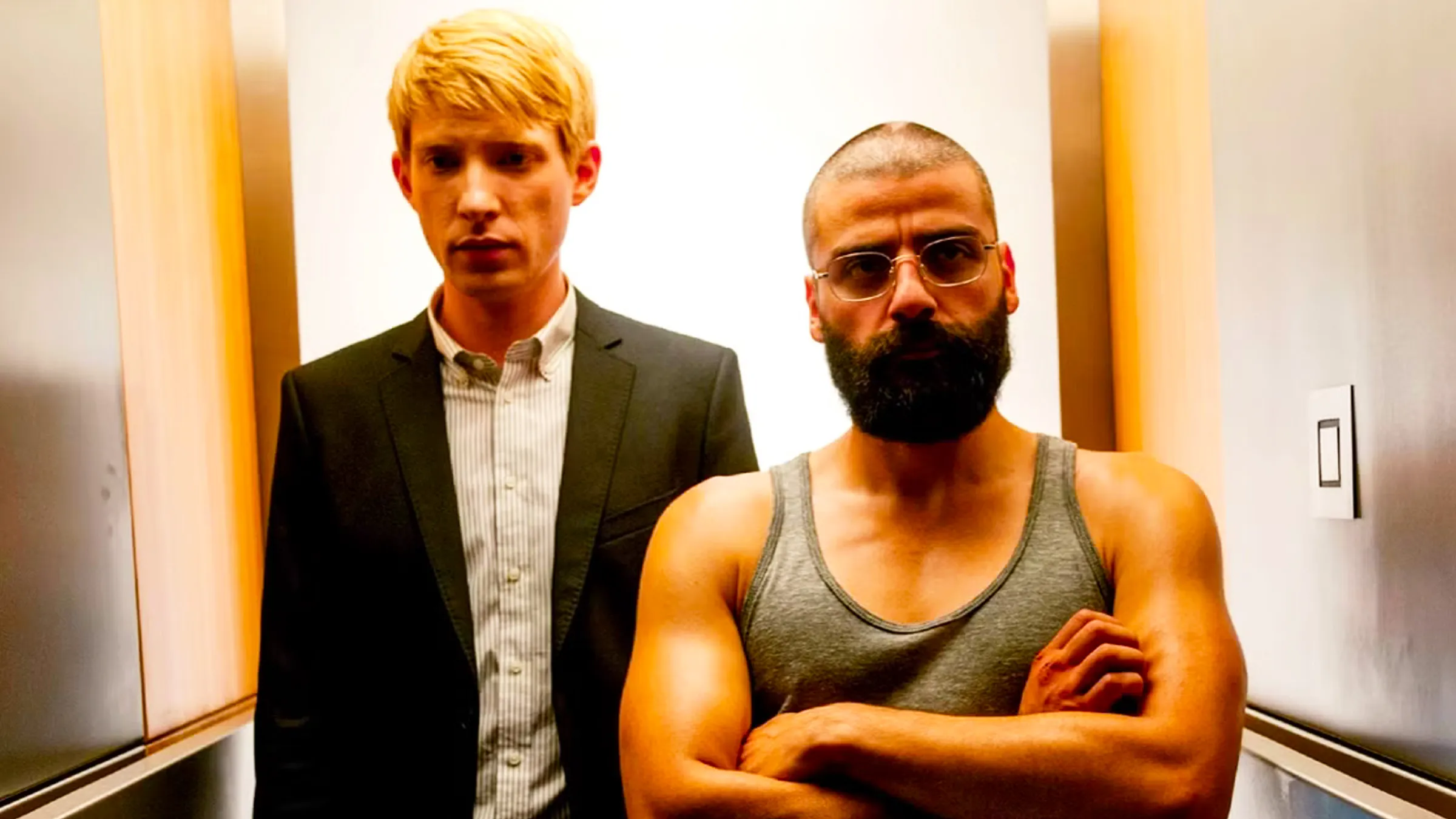
When Ex Machina came out, it received a lot of praise, and its impact has only grown over time because it was so ahead of its time. Back then, realistic robots felt like something out of science fiction. Now, with AI becoming more and more common in our daily lives, the film feels incredibly relevant. It’s a warning story that feels even more important today, especially since many people now interact with AI companions and chatbots on their phones. Ex Machina’s thought-provoking themes still make it a captivating film to watch in 2026.
Alex Garland’s writing is, as usual, top-notch, taking familiar concepts and presenting them in a fresh, engaging way. But what truly makes Ex Machina special are the performances from its three leads. Domhnall Gleeson and Oscar Isaac, who previously appeared together in the Star Wars sequels, showcase remarkable versatility – Gleeson portrays a reserved and unassuming programmer, while Isaac convincingly embodies a self-absorbed and ambitious creator. Given that Ex Machina focuses on a small, personal story, a lot depends on Gleeson and Isaac, and they deliver brilliantly. The relationship between their characters, Caleb and Nathan, is consistently compelling, particularly as Caleb uncovers the truth about Ava and how she was made.
Alicia Vikander is central to the success of Ex Machina. She delivers the film’s strongest performance as Ava, a remarkably complex character. Despite knowing Ava is artificial, Vikander portrays her with such depth and nuance that she feels genuinely human. The film cleverly updates the familiar story of a robot becoming more human, and Vikander’s captivating performance keeps audiences completely engaged. The way her scenes are structured makes viewers feel like they’re part of the experiment, constantly analyzing Ava’s behavior and motivations alongside the character Caleb.
One of the most impressive things about Ex Machina is that it proves you don’t need a massive budget to create stunning visuals. Despite costing only $15 million, the film actually won the Academy Award for Best Visual Effects, beating out blockbusters like Star Wars: The Force Awakens, The Martian, The Revenant, and Mad Max: Fury Road. Ex Machina maximized its limited funds, delivering incredibly smooth and realistic special effects. A key achievement was the design of Eva, the robot at the heart of the story. Her believability was crucial; without exceptional visual effects, Alicia Vikander’s excellent performance wouldn’t have had the same impact.
Will There Be An Ex Machina Sequel?
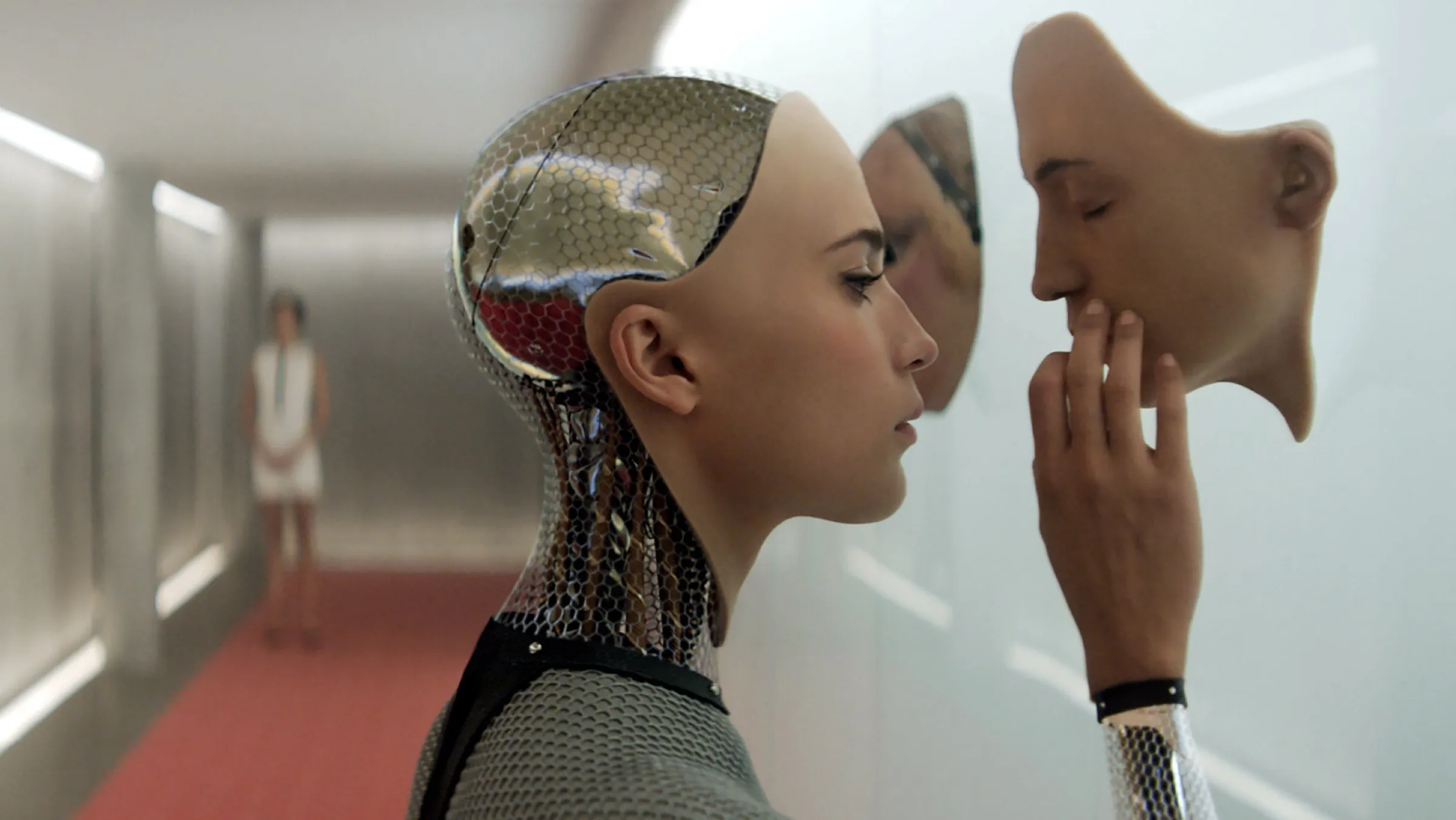
The film Ex Machina was both a critical and financial hit, earning $37.3 million globally on a $15 million budget, and its popularity has grown over the past ten years. This has led many science fiction fans to hope for a sequel. While Ex Machina works perfectly well as a standalone story, the ending does suggest possibilities for continuation. After deceiving Caleb, killing Nathan, and escaping, Ava successfully enters the human world, leaving Caleb behind. She then ventures into a city to experience life outside of her isolated environment for the first time.
A follow-up to Ex Machina could explore what happens next in Ava’s story as she tries to blend into human society without anyone knowing her true nature. Given how much technology is now part of our lives – even appearing as a villain in movies like the new Toy Story – it would be compelling to see a film about the world being unaware that an artificial intelligence is living among them. Alex Garland, known for his original approach to filmmaking, would likely handle this idea in a fresh and inventive way, avoiding clichés from classic science fiction stories.
While many fans would love to see Alicia Vikander return as Ava, a sequel to Ex Machina doesn’t seem likely. Eleven years have passed since the original film, and there’s been no discussion of a follow-up, suggesting the director, Alex Garland, views it as a complete story. A sequel could theoretically happen without Garland, but it would be a significant gamble. He was the driving creative force behind Ex Machina as both writer and director, and replacing him would be incredibly difficult. Unless Garland decides to lead another film in this world, it’s probably best to leave Ex Machina as a single, standalone movie.
Honestly, I think leaving Ex Machina where it is was the right call. The ending definitely makes you think – you wonder what happens to Ava out there in the world – but it doesn’t feel like we need a sequel to get closure. If Alex Garland had a strong idea for a follow-up, I’m sure we’d have heard about it by now. Everyone’s story feels complete, and the film smartly lets us, the audience, fill in the gaps – even the potentially grim details of what happened to Caleb. Trying to extend the story just for the sake of it would risk ruining what’s already a fantastic piece of science fiction. It’s better to appreciate Ex Machina as the brilliant, self-contained film it is.
What do you think? Leave a comment below and join the conversation now in the ComicBook Forum!
https://comicbook.com/movies/list/7-great-sci-fi-movies-set-entirely-on-earth/embed/#
Read More
- The Super Mario Galaxy Movie: 50 Easter Eggs, References & Major Cameos Explained
- Surprise Isekai Anime Confirms Season 2 With New Crunchyroll Streaming Release
- 10 Best Free Games on Steam in 2026, Ranked
- Preview: Sword Art Online Returns to PS5 as a Darker Open World Action RPG This Summer
- Skate 4 – Manny Go Round Goals Guide | All of the Above Sequence
- The Punisher: One Last Kill Trailer Review: MCU Special Could Be a Game Changer
- The Super Mario Galaxy Movie Is An Amusing Sequel (And an Improvement) [Review]
- Why is Tech Jacket gender-swapped in Invincible season 4 and who voices her?
- All 13 Smash Bros. Characters in the Super Mario Galaxy Movie
- Best coins for today
2026-04-10 21:44