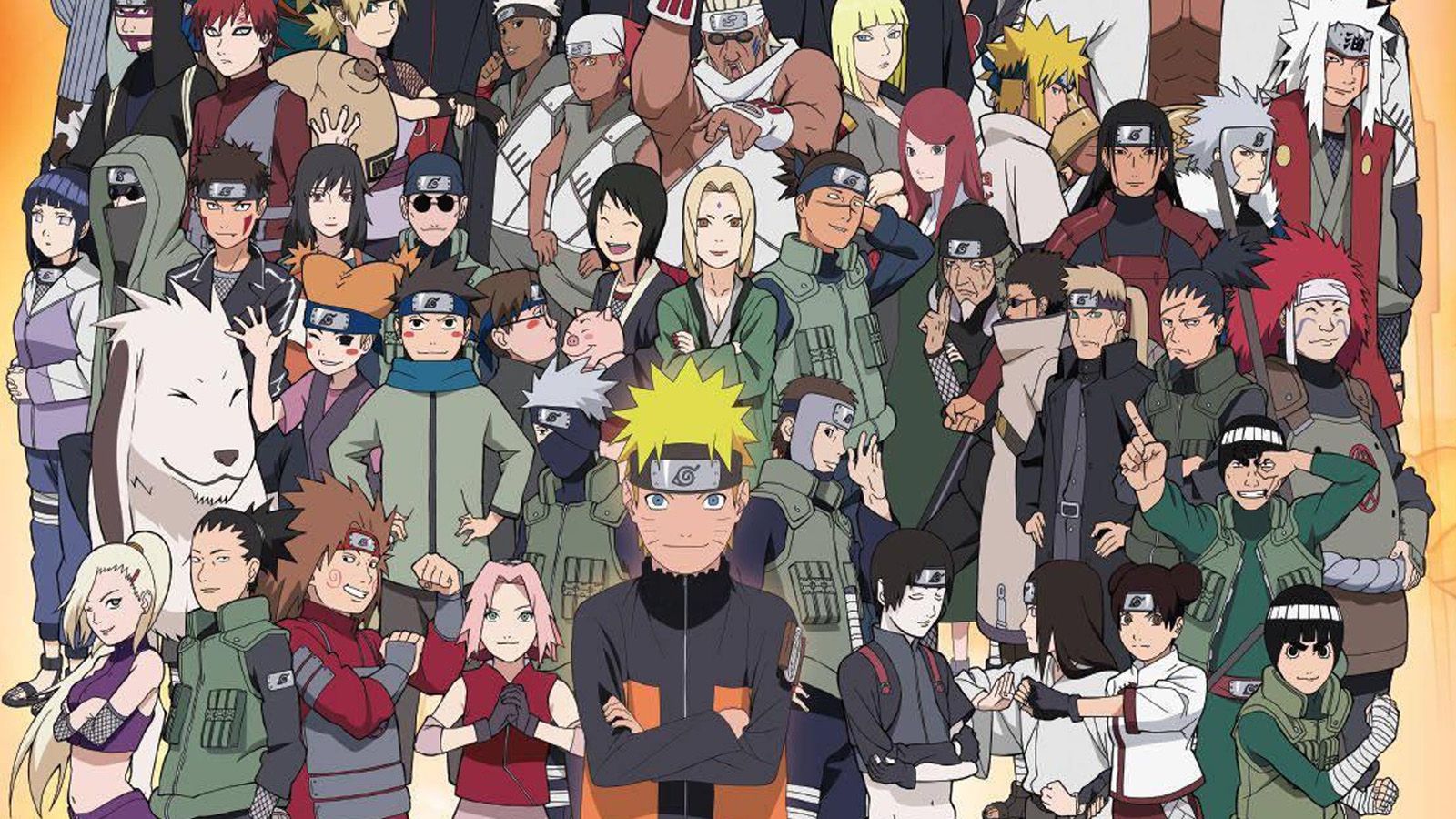
Throughout its 720 episodes, the anime series Naruto offered surprisingly deep and meaningful life lessons, especially for a show aimed at younger audiences. Even years after it ended, fans continue to share and be inspired by the show’s many memorable and motivational quotes, which helped the characters connect with a whole generation of anime viewers.
The series heavily features themes of friendship, betrayal, and hatred, but it’s the thought-provoking questions it raises that truly connect with fans. Philosophy is a key element of what makes the Naruto franchise stand out. While the exciting action and detailed character backgrounds are great, it’s the underlying themes that drive the story. Naruto’s exploration of war’s complexities and the endless cycle of hatred is unique within the shōnen genre, and he’s joined by other characters who offer valuable life lessons to anime fans of all ages.
“A smile is the easiest way out of a difficult situation. Even if it’s a fake one. Used properly, you can fool anyone with them.”
Sasuke didn’t leave immediately; a considerable amount of time passed while Naruto trained with Jiraiya and Sakura studied under Tsunade back in the Hidden Leaf Village. The damage to their team’s bond after Sasuke left wasn’t something that would heal quickly. Then, Sai arrived – a quiet, emotionless boy who completely changed the group’s atmosphere.
Sai’s connection to Danzo’s secretive Root organization and his generally emotionless personality made him a mysterious figure when he was first introduced. His memorable line to Sakura in Shippuden Episode 36 hinted at hidden depths. Initially, fans—like Naruto and Sakura—were wary of him, but Sai eventually proved his loyalty and became a dependable member of Naruto’s team.
“The things that are most important aren’t written in books. You have to experience them yourself.”
Fans have debated for years whether Sakura is a helpful ninja and a valuable member of Team 7. A lot of criticism focuses on her constant pursuit of Sasuke, but the blame for this often falls on the series creator, Masashi Kishimoto, who has been criticized for how he wrote his female characters. However, even early in the series, like in the first season of Naruto, Sakura has moments where she proves her worth.
By the start of Shippuden, Sakura had consistently demonstrated the wisdom she shared early in the original Naruto series. Seeing her grow and develop throughout the series and even into the Boruto spinoff highlights the strong person she always had the potential to become. This strength wasn’t gained through study, but through years of difficult experiences, including personal heartbreak.
“I’m not gonna run away. I never go back on my word! That’s my nindo: my ninja way!”
Naruto always keeps his promises. For a ninja, sticking to a personal code isn’t just about being a good fighter—it’s how they live their life. From the beginning, Naruto was determined to become Hokage and consistently followed through on everything he said. While he might not be the smartest ninja, Naruto more than makes up for it with his courage and determination.
People often see Naruto as reckless, but what truly sets him apart is his unwavering dedication to keeping his promises. His courageous spirit, especially when facing impossible challenges, had a huge impact on the series. He motivated others to define their own personal philosophies – their ‘nindo’ – like Rock Lee, who was determined to become powerful even though he wasn’t naturally gifted.
“My name is Sasuke Uchiha. I hate a lot of things and I don’t particularly like anything. What I have is not a dream because I will make it a reality.”
During their first team meeting, Kakashi asked each member of Team 7 to share their dream. Sasuke quickly revealed his feelings about dreams, stating they’re only fantasies until someone makes them real. This response stemmed from his powerful desire for revenge – he wanted to kill his older brother, Itachi, to avenge his clan.
Early in the series, Sasuke was consumed by hatred and a thirst for revenge. He immediately established himself as someone focused solely on achieving his goals, no matter the price. It’s understandable, given the horrific trauma he experienced when his entire clan was destroyed.
“He cried for me! I was his enemy, yet he still cried for me.”
Gaara initially opposed Naruto during the Chunin Exams and the attack on the Hidden Leaf Village. Over time, he transformed from a despised outcast in his own village into a key leader of the Shinobi Alliance during the Fourth Great Shinobi World War. Though he once held deep resentment towards the world and everyone in it, finding friendship and a newfound appreciation for life motivated him to fight for those he cared about.
Naruto has changed. He used to need saving, but now he’s the one doing the saving. Throughout events like the Chunin Exams and even when rescuing Gaara from the Akatsuki, Naruto was always there for him. This helped Gaara understand the power of friendship and working together, inspiring him to protect others and stand by his friend. Gaara’s encouraging words united the shinobi forces and prepared them for the upcoming war.
“Look at me! There’s nothing in my heart. I don’t feel pain any longer! There’s no need to feel guilty, Kakashi.”
Obito Uchiha’s life was filled with immense pain, regret, and hardship. While many characters in the series faced difficulties, Obito’s suffering felt unending. After dedicating his life to a destructive plan and creating a powerful illusion, he was ultimately left with nothing but a false sense of reality.
Obito Uchiha was never able to overcome the trauma of Rin Nohara’s death, constantly falling back on different personas and identities as Tobi and others. He believed that shutting down his emotions and living in darkness was the only path to cope with the unbearable pain and finally move forward.
“Wake up to reality! Nothing ever goes to plan in this accursed world.”
Madara is a memorable character in the Naruto series because he’s both incredibly powerful and confidently backs up his boasts. He created the ambitious Eye of the Moon Plan and manipulated Obito into carrying it out, ultimately sparking a devastating world war that forever altered the ninja world.
You know, it’s amazing to think about Madara’s legacy. He didn’t quite achieve his original goal of trapping everyone in a dream world, but honestly, his actions ended up bringing about real peace! It’s a bit ironic – he had to play the bad guy during the Fourth Great Ninja War, but that’s what it took to force the five great nations to work together. Looking back, it’s clear that Madara’s plans, even the villainous parts, were ultimately responsible for this long era of peace and prosperity. It’s pretty incredible when you think about it.
“Like I said before, I’m just being me, and you should just keep being you. It’s stupid to talk about things you’re not. Be yourself and you’ll be fine.”
It’s common for young ninja to doubt themselves, especially when someone they know seems naturally gifted. Shikamaru’s friends felt this when he was promoted to chunin before them, even though he didn’t seem to try as hard – it made them question their own skills and efforts.
Choji was really down, and it felt even worse when Ino said something hurtful while Shikamaru overheard from the bathroom. After Ino left, Shikamaru tried to cheer him up, even admitting he would have lost to Choji if they’d fought in the Chunin exams. Choji kept being hard on himself and comparing himself to Shikamaru, but Shikamaru offered simple, yet powerful advice: just be yourself. It’s a message everyone can use sometimes, which is why it’s a particularly valuable piece of wisdom.
“And it’s true that I’m a woman… but I’m definitely not a weak woman.”
The series Naruto Shippuden challenged all the world’s ninja, including Tsunade, the Fifth Hokage of the Leaf Village. When she faced Madara, he targeted her specifically because of her lineage – she was a descendant of Hashirama Senju, the First Hokage. Madara then criticized her, claiming she didn’t measure up to even a small part of her grandfather’s accomplishments and highlighting everything Hashirama achieved that she hadn’t.
The ultimate insult – calling her weak simply because she’s a woman – was the final straw. Considering the strong female characters throughout the Naruto series, Tsunade’s response to Madara is a powerful statement to him and the audience: being a woman is not a weakness. She delivers a sharp rebuke, finishing with a reminder of her grandfather’s lasting legacy – the Will of Fire.
“Those who don’t understand true pain can never understand true peace.”
A central idea in Naruto is the endless cycle of hatred, and the character of Nagato perfectly illustrates this. After losing his parents as a child due to the actions of Leaf Village ninja, Nagato experienced a childhood filled with conflict and war. He came to believe that hatred simply creates more hatred, and the only way to stop it was to inflict enough pain on everyone that they could finally understand each other’s suffering.
Nagato believed that by causing immense suffering, he could show people the real cost of peace. While his plan seemed logical in theory, it actually made the cycle of violence even worse. Though misguided in his methods, the ideas and beliefs he developed as Pain ultimately had a positive impact on the world when he passed his mission on to Naruto.
Read More
- The Super Mario Galaxy Movie: 50 Easter Eggs, References & Major Cameos Explained
- 10 Best Free Games on Steam in 2026, Ranked
- Surprise Isekai Anime Confirms Season 2 With New Crunchyroll Streaming Release
- Why is Tech Jacket gender-swapped in Invincible season 4 and who voices her?
- ‘Project Hail Mary’: The Biggest Differences From the Book, Explained
- Preview: Sword Art Online Returns to PS5 as a Darker Open World Action RPG This Summer
- Skate 4 – Manny Go Round Goals Guide | All of the Above Sequence
- Sydney Sweeney’s The Housemaid 2 Sets Streaming Release Date
- Overwatch 2 G.I. Joe Crossover Launches July 1: Join the Battle Between Heroes and Villains
- Forza Horizon 6 ‘Prologue’ gameplay
2026-03-22 04:44