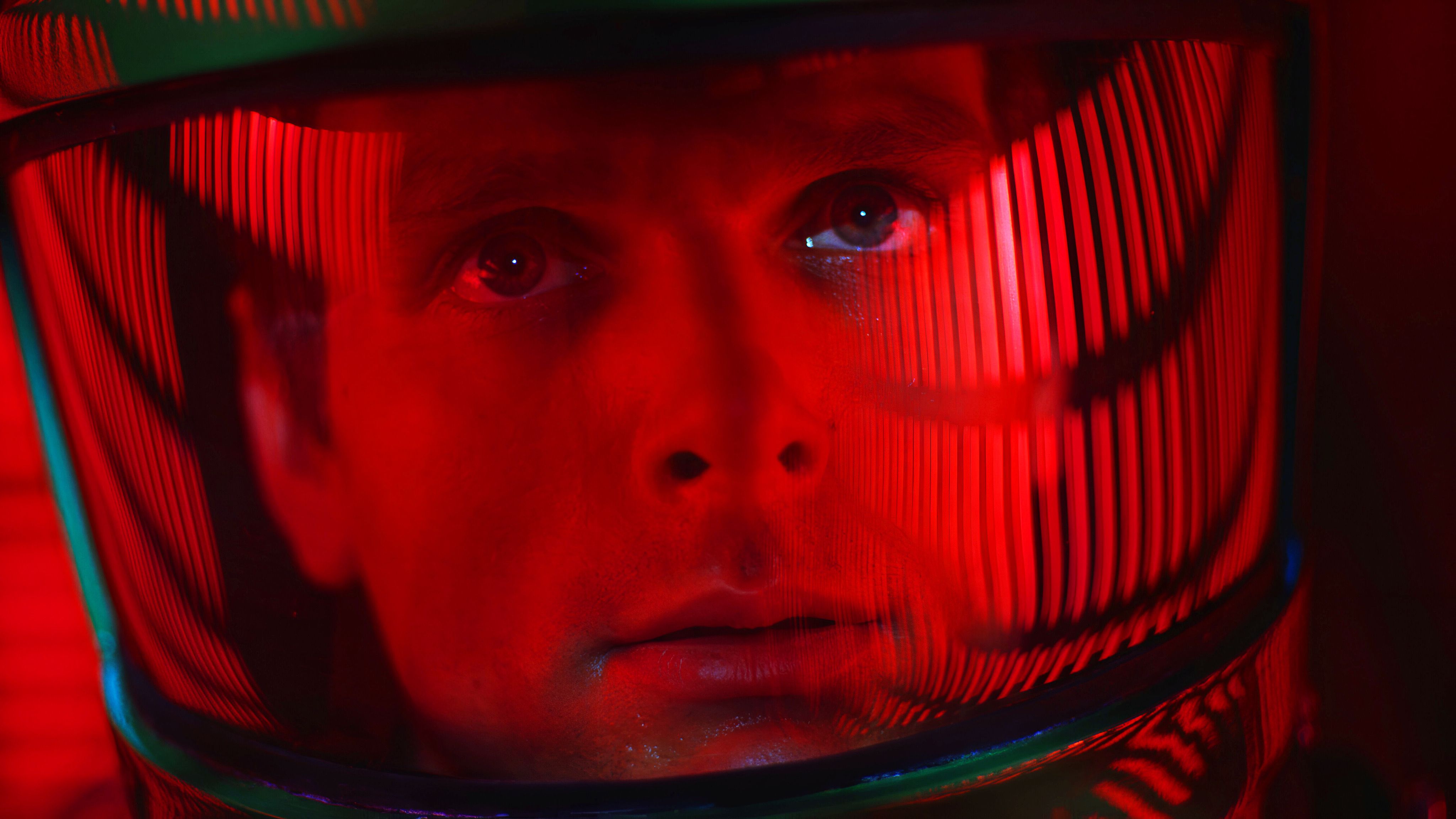
The best science fiction films immediately grab your attention with incredible opening scenes. But even among those with amazing starts, one movie truly stands out. Its first scene is brilliantly done, and it leads into an unforgettable science fiction story.
Many consider the opening scene to be not just the best in science fiction film, but in all of cinema. In just a short amount of time, it expertly connects to later moments in the movie and hints at its deeper themes, making it a truly remarkable achievement.
What’s truly remarkable is that this comes from a classic science fiction film released almost 60 years ago.
2001: A Space Odyssey’s Opening Scene Is A Visual & Musical Masterpiece

The opening of 2001: A Space Odyssey, often called the “Dawn of Man,” brilliantly pairs Richard Strauss’s “Also Sprach Zarathustra” with its visuals. It begins with a deep organ sound accompanying images of an ape discovering how to use a bone as a tool. As the ape’s intelligence grows and the scene builds tension, the music swells into a powerful brass melody.
The image of the ape holding its discovery is striking, but the scene truly captivates audiences thanks to a famous and seamless transition in the Stanley Kubrick film.
The film cuts from an ape triumphantly tossing a bone into the air to a shot of a nuclear-armed satellite orbiting Earth. In a single frame lasting less than a second, Kubrick brilliantly illustrates four million years of human development. By showing this connection visually – without any dialogue or explanation – he links our earliest tools and weapons to the most powerful and dangerous technology we’ve created.
Within just a few minutes of watching, it becomes clear that even though a lot of time has passed, people’s basic desire to control and improve things hasn’t changed at all.
The Opening Sequence Perfectly Captures Nietzsche’s Thus Spoke Zarathustra

It’s fitting that Stanley Kubrick chose Richard Strauss’s “Also Sprach Zarathustra” for the opening of 2001: A Space Odyssey. The music connects to a famous line from Friedrich Nietzsche’s book, Thus Spoke Zarathustra:
“Man is a rope stretched between the animal and the Übermensch—a rope over an abyss.”
The film’s opening immediately illustrates this idea: when the ape first uses a bone as a tool, it begins the difficult journey toward becoming something more. The quick cut from the bone to a satellite hints that modern humans are just a temporary stage between our animal ancestors and a future, evolved state.
Nietzsche believed that a basic human drive, the “will to power,” motivates all our actions. The film’s opening scene appears to illustrate this idea: after initially focusing on simple survival, the appearance of the monolith sparks a desire in the ape to take control and evolve.
This so-called “Dawn of Man” isn’t a gentle beginning; it’s a brutal break from the past, marked by apes using violence to prove their strength and take control.
It Perfectly Sets Up The Iconic Stanley Kubrick Movie’s Ending
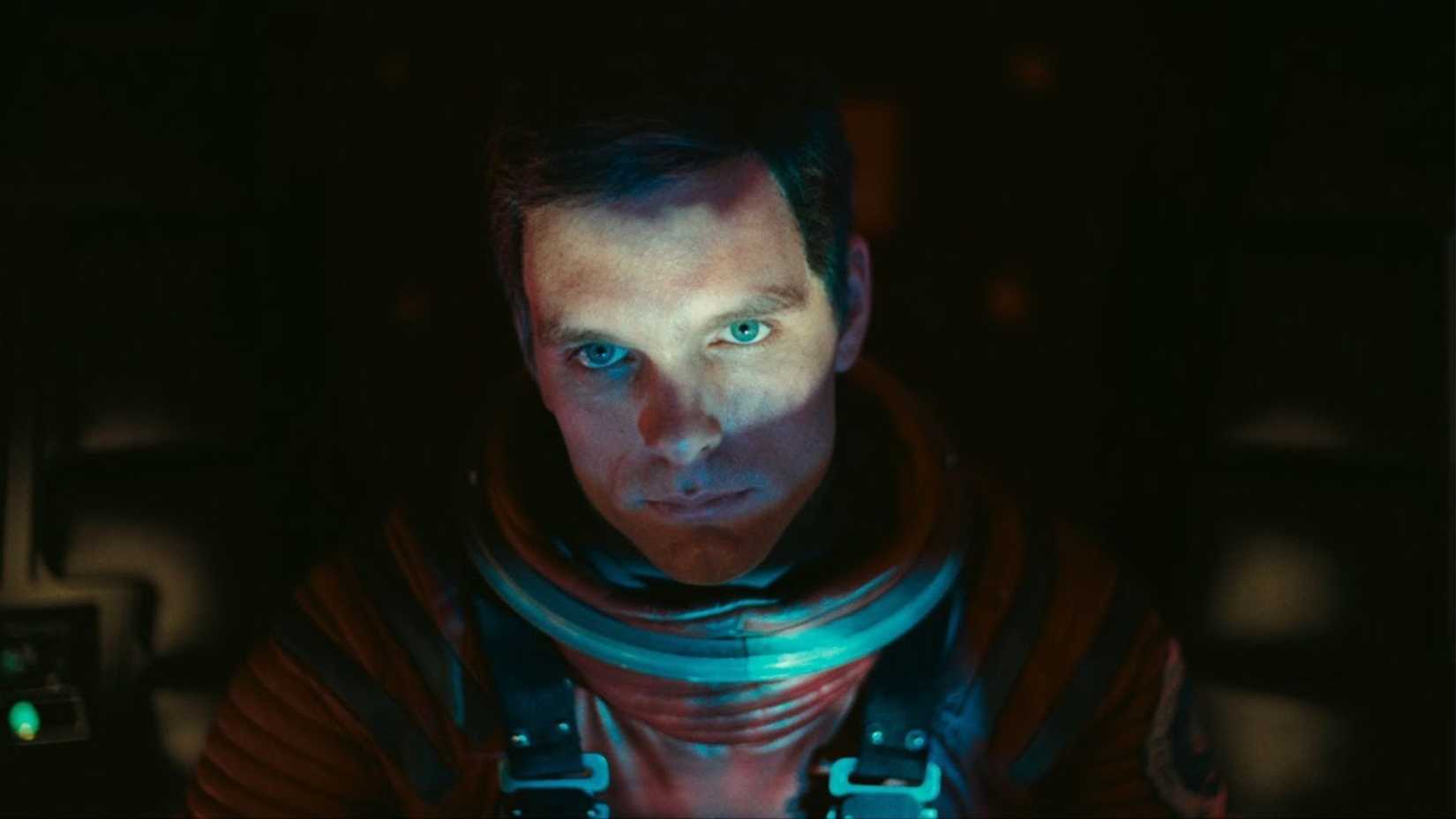
In 2001: A Space Odyssey, the monolith’s design connects it to the apes’ evolutionary jump, establishing it as a symbol of progress. It essentially marks moments of significant change. Each appearance in the film corresponds with a major leap in understanding, and this symbolism culminates beautifully in the final scene, where the monolith witnesses humanity’s transformation into the Star Child.
The opening of 2001: A Space Odyssey is remarkably rich and connects powerfully to the rest of the film. It packs a huge amount of meaning into just a few minutes while still allowing viewers to form their own interpretations, making a strong case for it being the best sci-fi opening ever.
Read More
- Gold Rate Forecast
- One of Hulu’s Best New Shows Lands on Disney+ Ahead of Season 2
- Dune 3 Gets the Huge Update Fans Have Been Waiting For
- ’90s Cartoon Reboot & TMNT Connection!
- Kelly Osbourne Slams “Disgusting” Comments on Her Appearance
- Guardians of the Globe Members We Want to See in Invincible Season 4
- Hideo Kojima Says He Was Never Told About The Matrix Creators Wanting Him to Make a Game
- What Song Is In The New Supergirl Trailer (& What It Means For The DC Movie)
- ‘The Odyssey’ Trailer Debuts First Look at Nolan’s New Epic
- Why Macaulay Culkin Legally Changed His Middle Name in 2019
2026-02-19 06:58