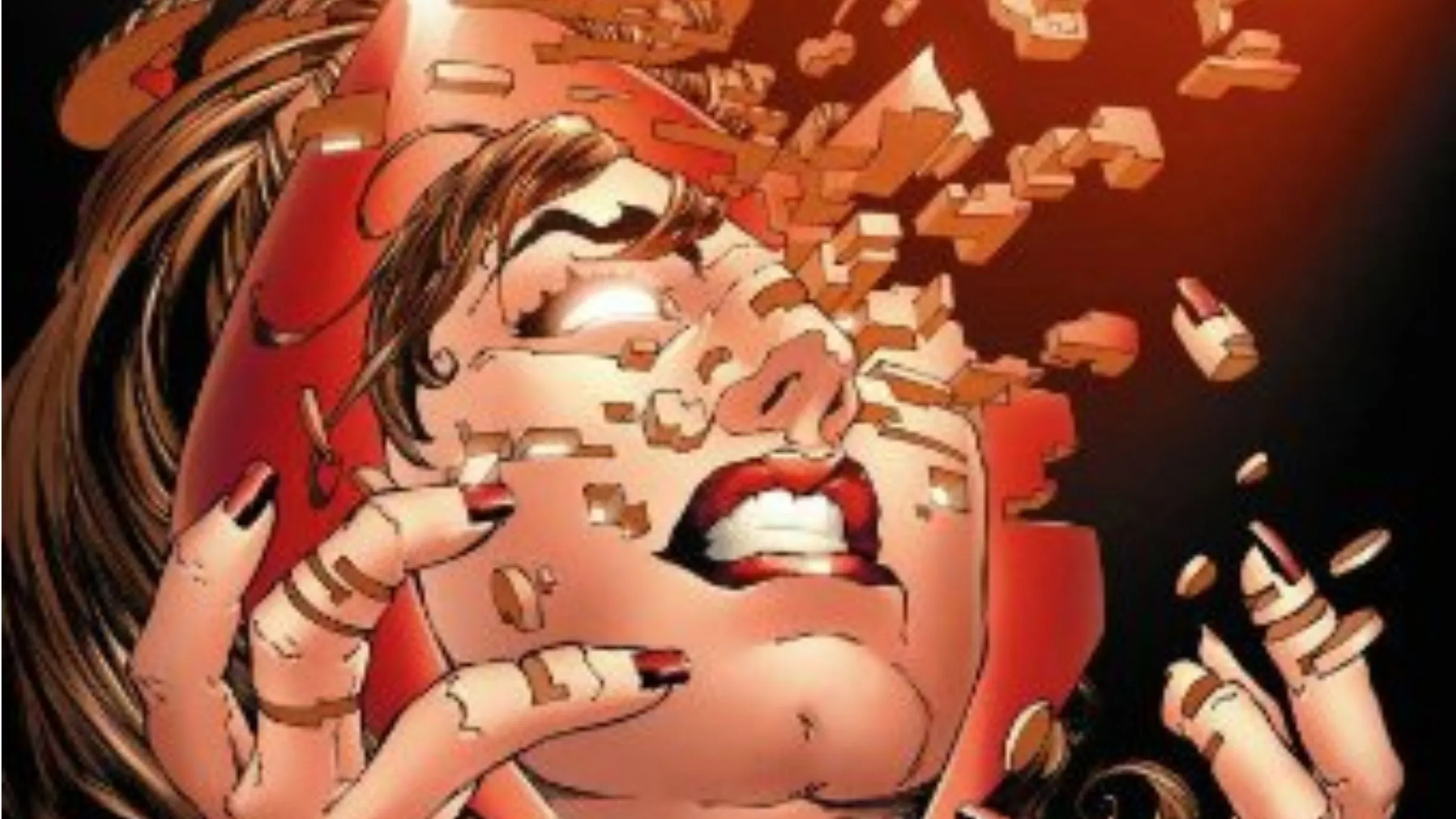
Throughout the 21st century, large-scale events have been a key part of Marvel comics. This strategy began with the 2004 series Secret War, which significantly altered the direction of SHIELD (and was initially delayed due to the stunning artwork by Gabriele dell’Otto). Secret War established a new approach to storytelling for Marvel, using these events to create lasting changes across their entire line of comics. While many fans may not focus on Secret War itself, its successor, House of M by Brian Michael Bendis and Olivier Coipel, continues to have a major impact. This eight-issue series followed the events of “Avengers Disassembled: Chaos,” focusing on the X-Men and Avengers trying to deal with the increasingly unstable Scarlet Witch. The story involved alternate realities and famously concluded with the shocking declaration: “No more mutants.”
From the start, House of M has always been a controversial series. It’s a classic Brian Bendis event – long and slow-paced, taking many issues to get to the main story before concluding with a disappointing battle and an entire issue dedicated to discussing what just happened. While essential for understanding Marvel comics from the 2000s, it’s not a series many people would genuinely recommend. Despite its flaws, House of M remains important, with repercussions still felt in Marvel stories today. Even after 21 years, it continues to spark debate for numerous reasons.
House of M Planted Seeds that Are Still Bearing Fruit
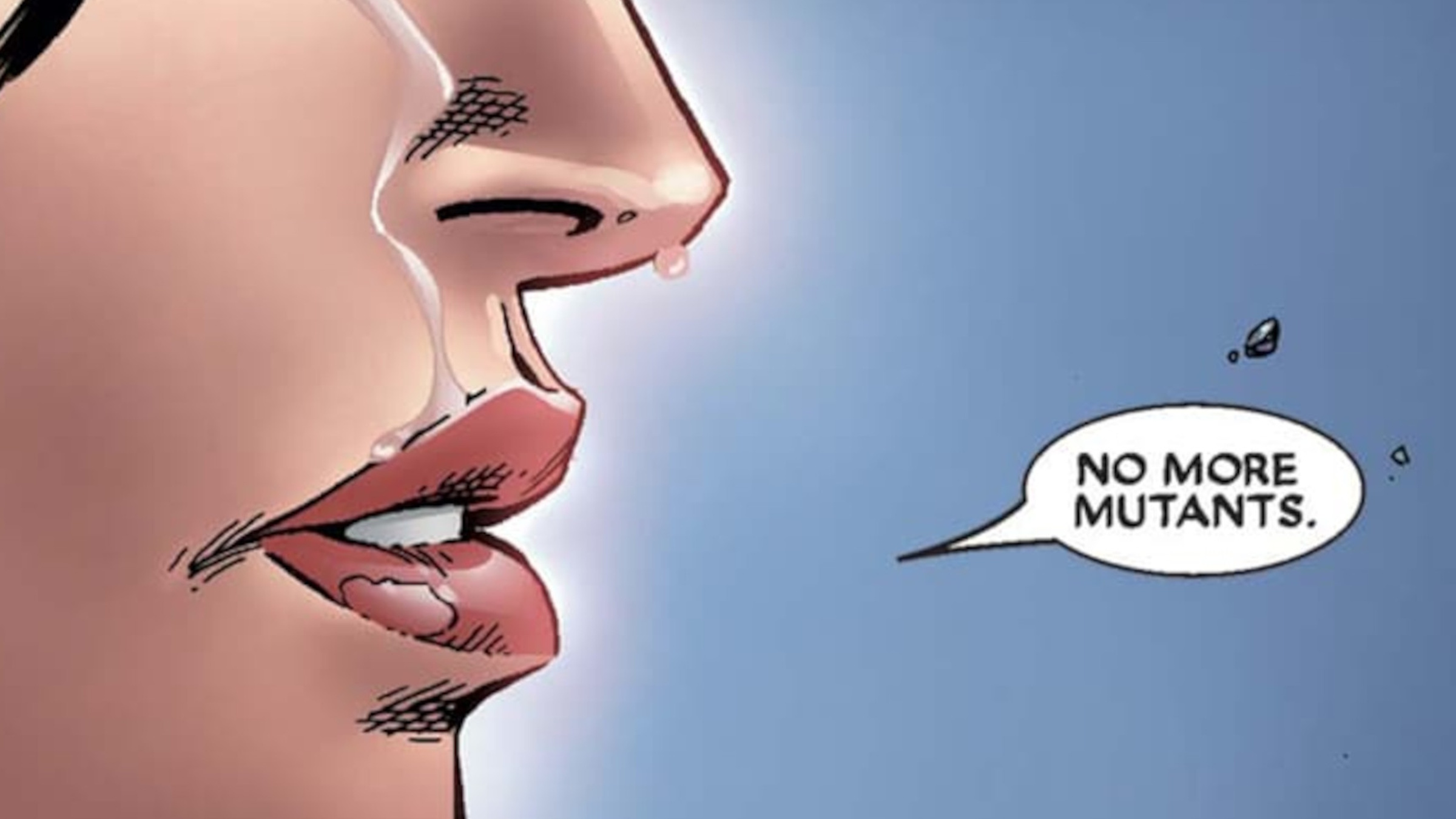
Looking back on House of M, the story itself is fairly simple – heroes find themselves in a different reality and try to restore things to how they were. However, because Brian Bendis wrote it, the story feels unnecessarily long and that makes it hard to truly enjoy. It shares many of the common issues with his work, like overly chatty dialogue, characters sounding too similar, and a lack of exciting action. While the artwork is great, the story doesn’t stand on its own and isn’t one of Marvel’s best event comics.
This comic really damaged Scarlet Witch’s reputation, which is saying a lot considering her already troubled history. It’s fascinating to see how Marvel has tried to rehabilitate her character since then, and they’ve had to work incredibly hard to make her likable again. Essentially, everything Marvel has done with Scarlet Witch for the past two decades has been a response to the genocide she committed in this story. And honestly, they haven’t been able to fix it. They couldn’t simply explain away her actions, so they had to rewrite history to make it seem like it wasn’t her fault. Even with that, she still comes across as a villain.
A lot of people overlook how House of M actually started Marvel’s trend of downplaying mutants. While many think this began in the mid-2010s, this story was really the beginning of it. Considering the timing, it makes sense: Marvel was likely already preparing for the Marvel Cinematic Universe and prioritizing heroes who weren’t mutants. An old interview with Wizard magazine, shortly after Quesada became head of Marvel, revealed his desire to “fix” the company. It seems he believed a major part of that fix involved shifting focus away from mutants and Spider-Man, and back towards the Avengers and their supporting characters.
The storyline House of M marks a clear turning point for the X-Men. Before it, the X-Men comics were the most popular and creatively exciting in Marvel, attracting the top writers and artists. Afterwards, those creators largely moved on to other titles. While Marvel still occasionally assigned talented people to X-Men books, they weren’t usually the biggest names in the industry; writers like Matt Fraction and Kieron Gillen were still building their reputations at the time. This shift lasted until 2019. Before House of M, major Marvel events often revolved around mutants, but after it, mutants were sidelined, and the rest of the Marvel Universe took center stage. House of M is the reason for this change.
Without House of M, Marvel as We Know It Wouldn’t Exist

I’ll be upfront: I’ve never been a fan of House of M. When it was originally released, it was consistently one of my least favorite comics each month. I’d even revisit it annually, hoping my opinion would change, but it never did. Like many events written by Brian Bendis, it’s a visually stunning comic that unfortunately doesn’t live up to its artistic quality. Despite my dislike for it, I acknowledge that House of M was a necessary stepping stone to where we are today.
As a big X-Men fan, I always felt like the mutant storyline was starting to hold back the entire Marvel Universe. Something had to give, and honestly, I think House of M was the necessary reset. Morrison’s New X-Men introduced this idea of a huge surge in mutant births, and that needed to be addressed. A lot of X-Men fans were upset with House of M, and I get why, but I think they missed how vital it was for the bigger picture. It’s tough as a fan to say, but even though I wish it hadn’t happened, I truly believe that without it, we wouldn’t have gotten some of the amazing X-Men stories that followed.
While many fans dislike it, the House of M storyline was a necessary turning point for the X-Men. Without it, we wouldn’t have seen the exciting ‘Utopia’ era, a more compelling Cyclops, or the groundbreaking Krakoa nation. It also paved the way for stories like ‘Dark Reign’ and Jonathan Hickman’s run on Avengers and Uncanny Avengers. Ultimately, despite its flaws, House of M was essential for some of the most celebrated X-Men stories ever told.
https://comicbook.com/comics/news/10-best-x-men-stories-20s-marvel-comics/embed/#
Read More
- Gold Rate Forecast
- Hazbin Hotel Secretly Suggests Vox Helped Create One of the Most Infamous Cults in History
- 22 actors who were almost James Bond – and why they missed out on playing 007
- Every Creepy Clown in American Horror Story Ranked
- Jason Statham’s Hit Creature Feature Is Heading to Streaming for Free
- Blue Protocol Star Resonance: Goblin Lair Dungeon Guide
- Kingdom Come: Deliverance 2 – Legacy of the Forge DLC Review – Cozy Crafting
- Jack Osbourne Shares Heartbreaking Tribute to Late Dad Ozzy Osbourne
- Arknights: Endfield – Everything You Need to Know Before You Jump In
- Chill with You: Lo-Fi Story launches November 17
2026-01-20 20:17