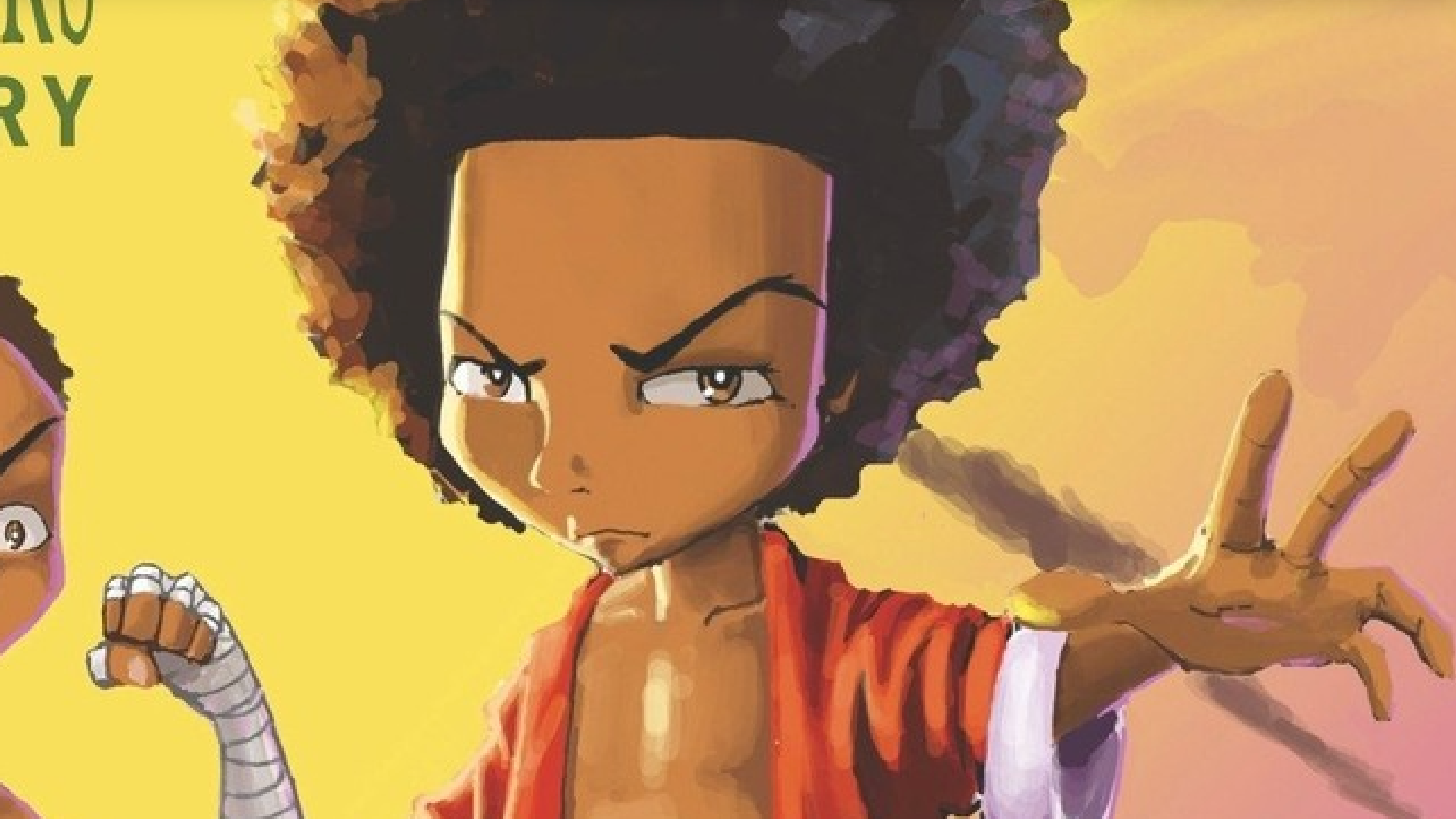
I always think of The Boondocks when I think of shows that weren’t afraid to be bold and really talk about what it’s like to be Black in America. It’s amazing to me that before it became the popular animated series on Adult Swim, it actually started as a comic strip! Aaron McGruder first put it out online and in magazines, and then it officially launched in newspapers on April 19th, 1999. For seven years, it was a truly unique comic – the characters and the issues it tackled felt both incredibly current and like they’d always been relevant.
I was a huge fan of The Boondocks comic strip back in the day! It was incredibly popular, appearing in over 300 newspapers before it finished in 2006. The story followed brothers Huey and Riley Freeman, who moved from Chicago to live with their grandfather in the mostly white suburb of Woodcrest. The name The Boondocks really captured how out-of-place and isolated these kids felt. It was a really powerful, politically-driven comic that spoke directly to the experiences of many African Americans in the late 90s and early 2000s. Honestly, it was unlike anything else in the newspapers then, and it’s still a cultural touchstone for me today.
The Boondocks had a Nuanced Cast of Characters
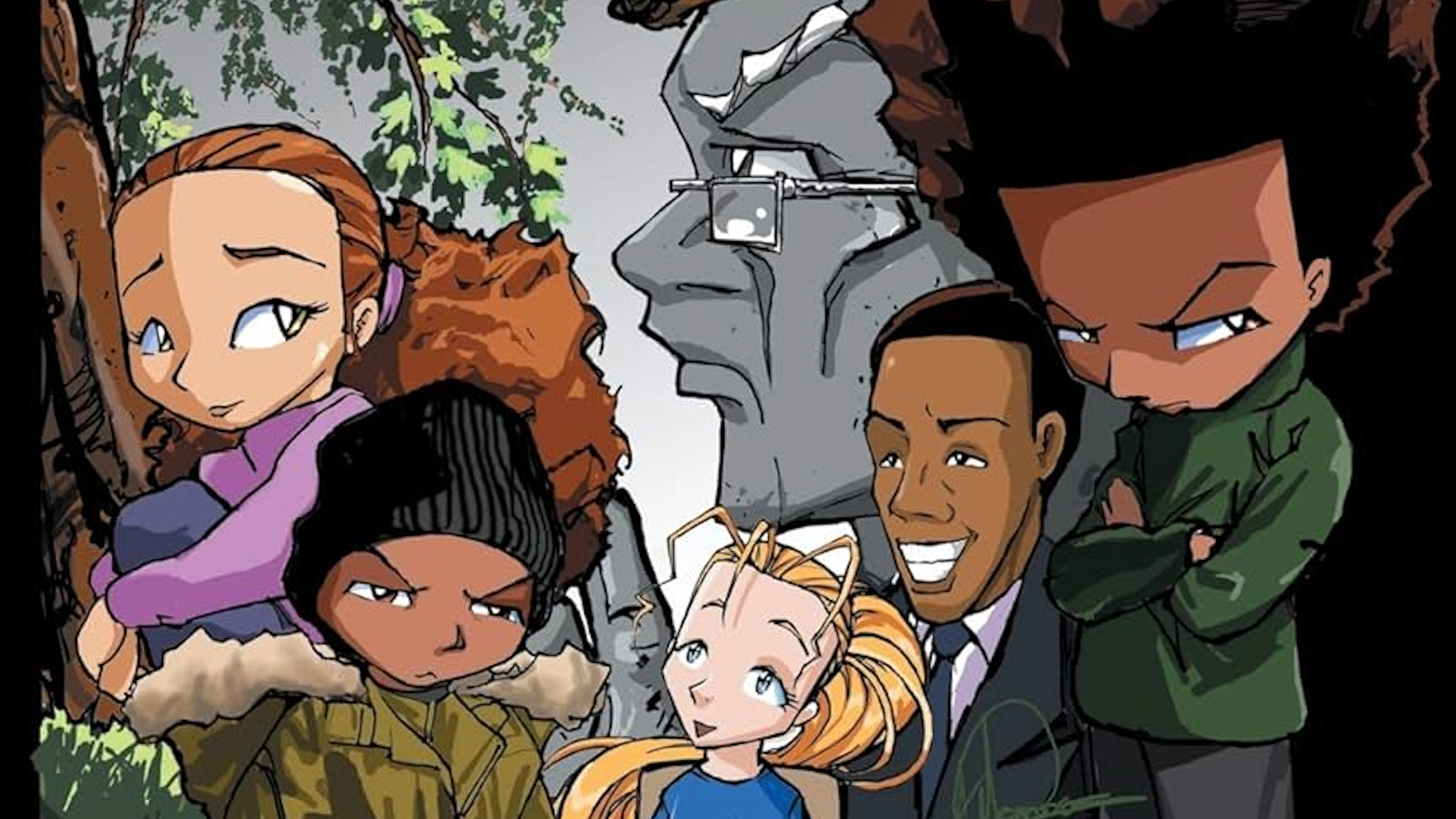
The humor in this comic strip, like many great ones, comes mainly from the distinct personalities of its characters and how they interact. But the creator didn’t just aim for laughs; he used the strip to offer insightful observations about politics and life. Each character embodies different aspects of Black identity and culture, and shows how society shapes who people are.
Huey and Riley Freeman are complete opposites, reflecting different sides of young Black men in the late 90s and early 2000s. Huey, the show’s main character, is a critical thinker who uses his voice to challenge racism and harmful stereotypes within Black culture. Riley, on the other hand, embodies many pop culture clichés, focused on materialism and a stereotypical “thug life.” McGruder used this contrast to critique both mainstream media’s portrayal of Black people and damaging stereotypes within the Black community. The brothers’ differing levels of awareness create a sharp, funny, and often biting commentary on society.
Aaron McGruder’s ‘The Boondocks’ features a diverse cast of characters, each representing different facets of Black identity and societal issues. For example, Grandad embodies old-fashioned values and the generational gap, while Huey’s friend Michael balances political awareness with a playful attitude. Tom Dubois, a neighbor, satirizes Black people who try to fully fit into white, suburban life and distance themselves from their roots. His daughter, Jazmine, represents the innocence and challenges of growing up biracial. Finally, the intensely prejudiced Uncle Ruckus, who hates Black people despite being one himself, symbolizes the damaging effects of internalized racism.
While many know the characters from the animated series, they actually originated in Aaron McGruder’s comic strip. What makes these characters so compelling is their depth – they’re funny, but also offer sharp observations about politics and society.
The Boondocks Is a Satirical Masterpiece
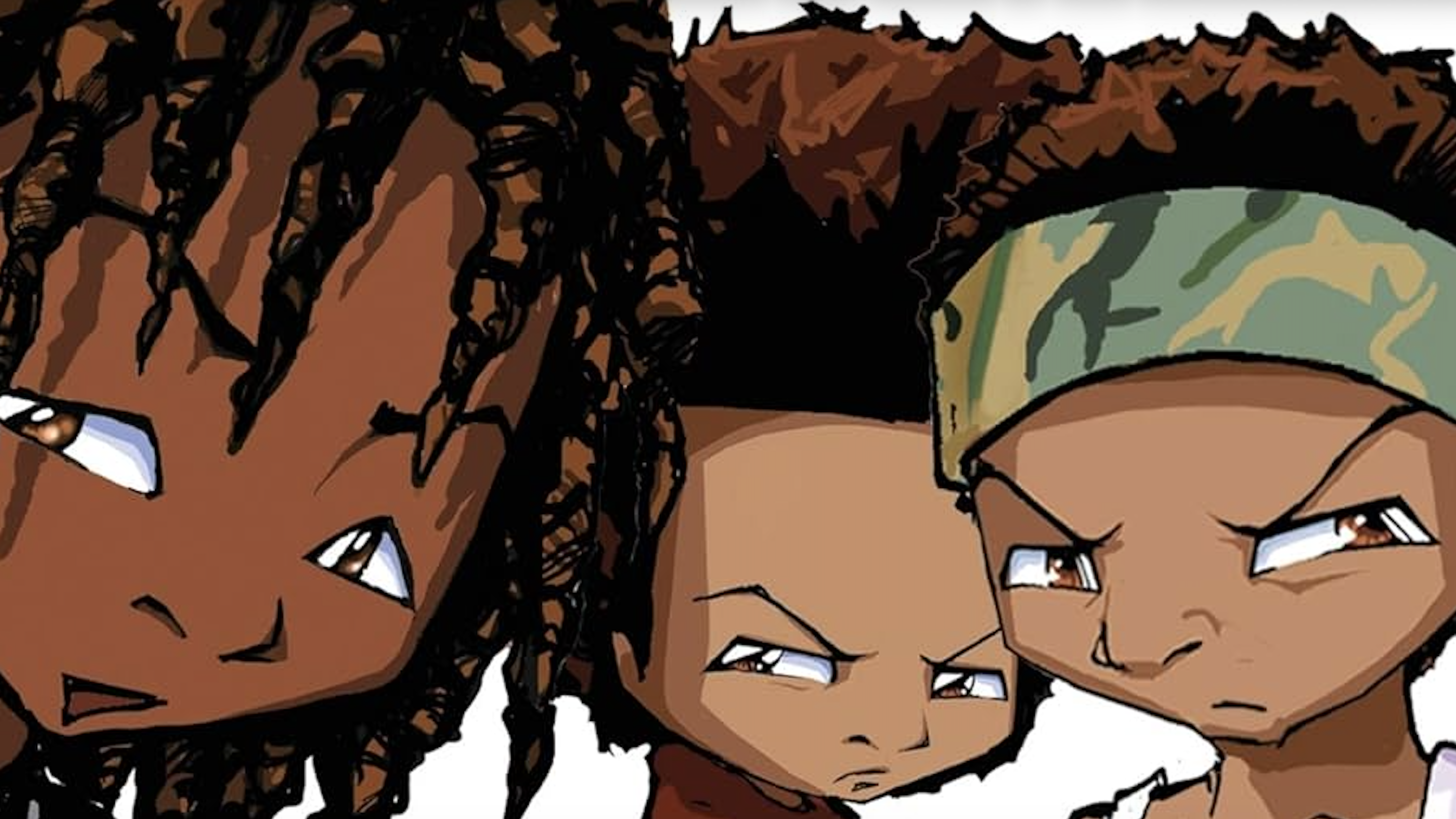
From the beginning, The Boondocks stood out as a groundbreaking comic strip. It broke new ground in what could be shown in newspapers, with an art style inspired by Japanese manga and anime. More importantly, it tackled complex and politically charged issues—especially those affecting the Black community—with a level of maturity rarely seen in other comic strips. The Boondocks brilliantly captured the spirit of the early 2000s and continues to resonate with audiences today.
As a fan, I’ve always felt that The Boondocks really captured the moment it was created in. Aaron McGruder wasn’t afraid to use his comic to call out what was happening in America at the time. A lot of the strips came out during George W. Bush’s second term, when the war on terror was a constant presence after 9/11, and he also tackled things like hip-hop and current events. It was great because you could laugh at the characters while also getting a different take on what was going on in the world. I admit, some of the jokes feel a little old now, especially if you didn’t live through that era. But surprisingly, the bigger ideas and messages still feel really relevant today.
Even though The Boondocks reflects the early 2000s, its characters and central ideas still feel incredibly current. While the details of politics and society have changed, the show’s exploration of oppression and harmful stereotypes faced by marginalized groups remains powerfully relevant. Issues like gun violence, the negative influence of pop culture on young people, harmful ideas about masculinity, and violence against Black individuals are just as pressing today as they were over two decades ago. Furthermore, the show’s characters brilliantly capture the diverse experiences and viewpoints within Black communities in America.
No other comic strip explored these difficult subjects with such sharp wit and intelligence, and it’s hard to imagine anything quite like it appearing again. Rather than offering simple solutions, the comic presented multiple viewpoints, often forcing readers to question their own beliefs. Through insightful commentary on pop culture and politics, The Boondocks highlighted both how much things have changed and how much has stayed the same. Even now, The Boondocks remains an important cultural achievement, known for its groundbreaking way of addressing issues of black identity in America.
What do you think? Leave a Comment below and join the conversation in the ComicBook Forum!
https://comicbook.com/comics/news/comics-getting-real-world-issues-right-dc-marvel/embed/#
Read More
- Gold Rate Forecast
- 10 Most Powerful Versions of Superman, Ranked
- GBP CNY PREDICTION
- 007 First Light: Release Date, Story, Gameplay, Cast, Editions, and Platforms
- Superman’s 7 Best Power-Ups, Ranked
- 10 Best Free Games on Steam in 2026, Ranked
- 10 Greatest Wii U Games of All Time, Ranked
- Forza Horizon 6 Car List So Far: Confirmed Highlights, Cover Cars, DLC, and Rewards
- DOGE PREDICTION. DOGE cryptocurrency
- What happened to Soldier Boy in The Boys?
2026-04-19 21:12