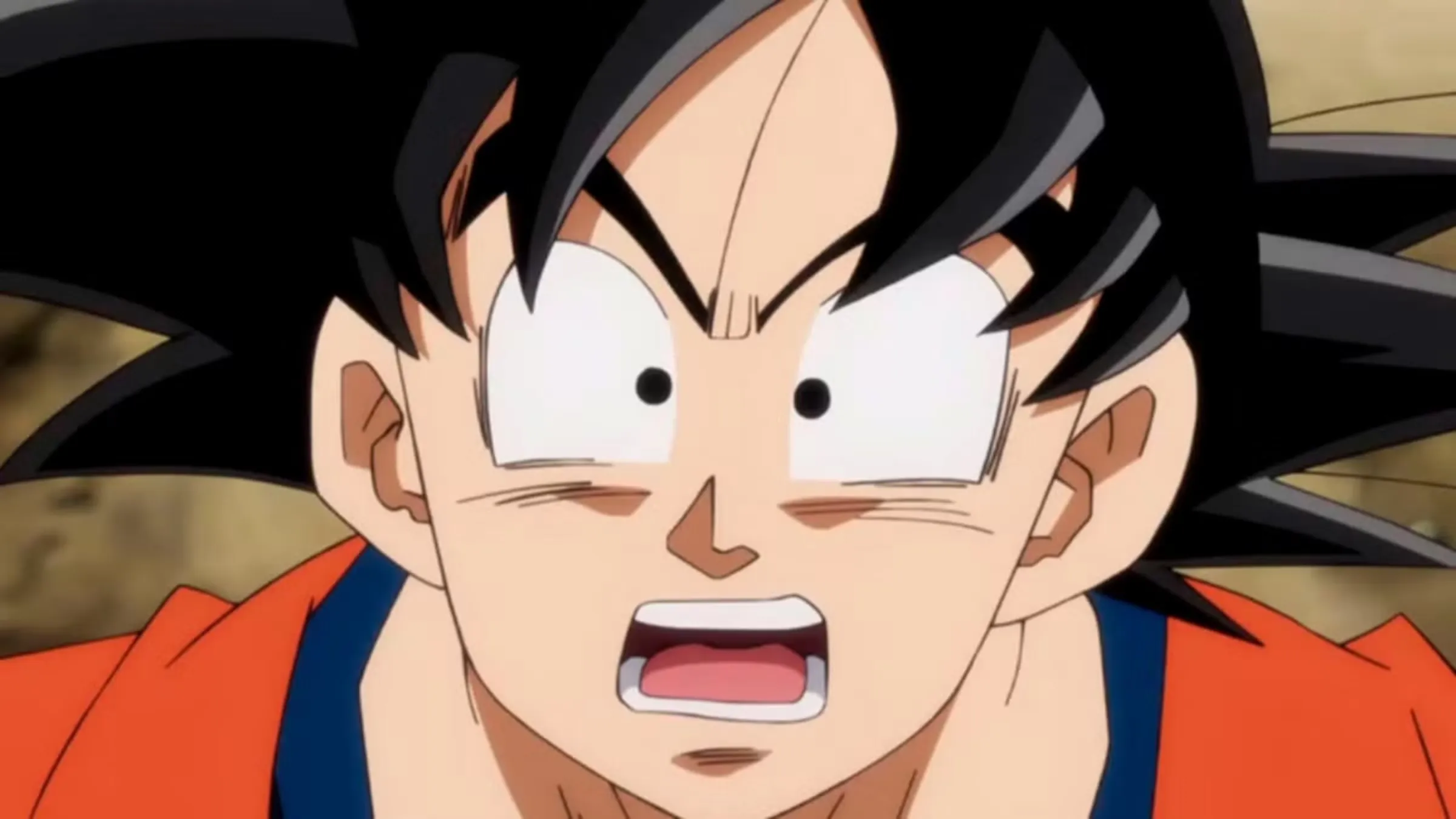
Dragon Ball GT first aired in Japan on February 7, 1996, and it showed that while the Dragon Ball series could go on even without Akira Toriyama writing the story, it wouldn’t quite feel the same without him.
Golden Trigger isn’t a disaster, but it’s also not a brilliant, overlooked gem. It frequently looks good and has moments of cleverness, but often loses sight of its main direction. The show aims for the adventurous spirit of the original Dragon Ball, but also feels pressure from Dragon Ball Z to escalate every conflict into a massive battle. This constant struggle between those two ideas is why people are still debating Golden Trigger decades later. It’s not simply that viewers disagree with the creative decisions; the series itself is fundamentally built on conflicting ideas.
People often describe GT as divisive, but that’s almost a good thing. Many sequels and spin-offs are easily forgotten, but GT definitely isn’t.
Toriyama’s Message Explains GT Better Than Any Review

The most insightful commentary on GT isn’t a passionate fan review or a look back at the series. It comes directly from Akira Toriyama himself, in a message that feels like a friendly note included with a DVD release – and also serves as a subtle explanation of his creative choices.
In a 2005 note, he expressed gratitude to fans, playfully called himself a slacker, and shared his relief at finishing the demanding manga work. He then got to the point: the anime team wanted to continue the series, but he was unable to contribute further, so he handed over complete creative control of Dragon Ball – the story and everything else – to them. This resulted in Dragon Ball GT.
The sequel benefits from creators deeply familiar with the series’ world, but it loses the unique style of Toriyama’s writing – particularly his knack for comedy, unexpected plot twists stemming from jokes, and the way he built tension naturally. Toriyama himself notes his contributions were focused on specific elements like the title, original characters, certain designs, and a handful of illustrations.
Akira Toriyama highly praises animator Katsuyoshi Nakatsuru, noting that Nakatsuru’s style became so refined that Toriyama himself sometimes couldn’t distinguish their work. Nakatsuru was also the designer of Super Saiyan 4, which helps explain why GT often looks right, even if the story feels a little off. The show consistently gets the character designs correct but sometimes struggles with the overall pacing. Toriyama himself describes GT as a “grand side story,” and that’s the most accurate way to describe it.
Dragon Ball GT takes place after the events of Dragon Ball Z and shares the same universe. This is why arguments about whether it fits into the official storyline don’t fully reflect how people experienced it. You can view GT as a separate story without losing sight of its original impact. When Dragon Ball Super became the main continuation of the series, GT naturally became seen as an alternate timeline. However, when it first aired in 1996, it was presented as the future of the series and was judged heavily against the incredibly popular Dragon Ball Z.
The Big Bet: Kid Goku and the Return of Adventure

The most notable change in Dragon Ball GT was turning Goku into a child and sending him on a galaxy-wide quest for the Black Star Dragon Balls. This was a conscious effort to recapture the fun, adventurous spirit of the original Dragon Ball. It also suggested the show was aiming for a journey-focused storyline, aligning with Toriyama’s vision of a ‘Grand Touring’ type of series.
It’s not that the show’s basic idea is flawed; the issue is that it has trouble building excitement. The beginning feels like it’s still trying to find the right mix of humor, action, and suspense that made the original so enjoyable. Viewers are used to tension building steadily in the original, but this new show asks us to accept a more meandering story, then suddenly expects us to feel the same level of urgency. While some fans appreciate this attempt to recapture the spirit of the original, others find the slower pace frustrating, as the show hasn’t yet established enough personality or direction to justify it.
Why Dragon Ball GT Was Not Well Received
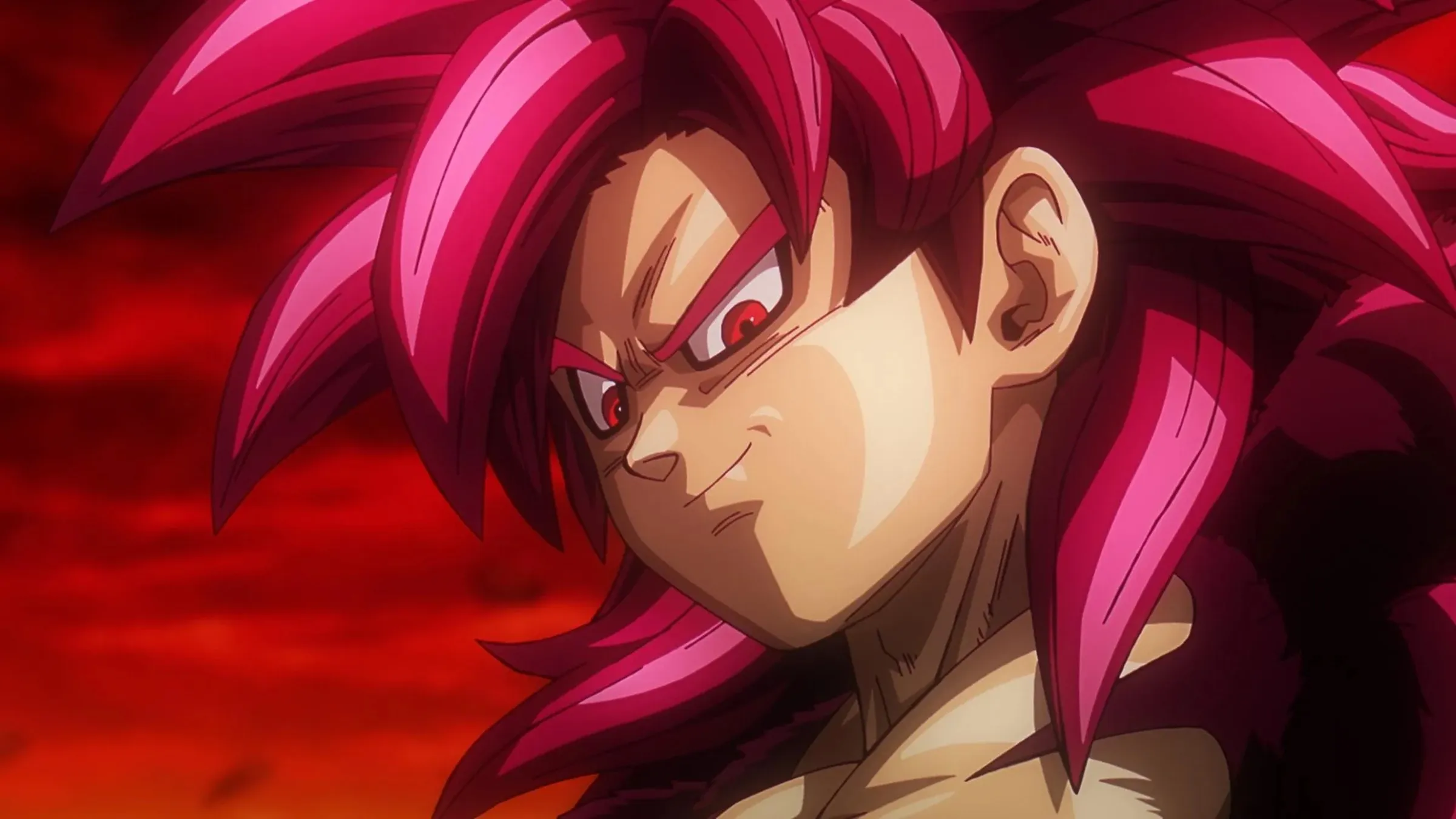
The Baby saga is arguably the strongest part of GT, offering a compelling reason for the series’ existence. Baby isn’t just another powerful enemy; the story connects deeply to Saiyan origins through the Tuffles, adding real weight to the concept of “Saiyan pride.” The way Baby possesses others creates a unique and gripping tension, as the danger spreads to characters we’ve grown to care about. The stakes aren’t just about Goku winning; they’re about whether everyone and everything around him can be saved.
The introduction of Super Saiyan 4 is a highlight of Dragon Ball GT and is arguably the series’ biggest lasting impact. This transformation has a more primal, classic feel, drawing inspiration from the Great Ape form and the Saiyan race’s origins. Even viewers who don’t enjoy GT often acknowledge that Super Saiyan 4 is a creative and memorable concept, which explains its continued popularity in games and merchandise.
It was inevitable that GT would face a lot of criticism. However, it also demonstrates that Dragon Ball can be successfully reimagined, and importantly, that simply adding more villains isn’t enough to keep a series going. What truly matters is maintaining the spirit and tone of the original. While GT is definitely divisive, it’s far from lacking substance. Even thirty years after its debut on February 7, 1996, GT stands as the most valuable lesson in how to continue a beloved franchise.
What do you think? Leave a comment below and join the conversation now in the ComicBook Forum!
Read More
- The Super Mario Galaxy Movie: 50 Easter Eggs, References & Major Cameos Explained
- Surprise Isekai Anime Confirms Season 2 With New Crunchyroll Streaming Release
- 10 Best Free Games on Steam in 2026, Ranked
- Sydney Sweeney’s The Housemaid 2 Sets Streaming Release Date
- Why is Tech Jacket gender-swapped in Invincible season 4 and who voices her?
- Welcome to Demon School! Iruma-kun season 4 release schedule: When are new episodes on Crunchyroll?
- Preview: Sword Art Online Returns to PS5 as a Darker Open World Action RPG This Summer
- Skate 4 – Manny Go Round Goals Guide | All of the Above Sequence
- 10 Best Supporting Actress Oscar Wins That Are Indisputable
- All 13 Smash Bros. Characters in the Super Mario Galaxy Movie
2026-02-07 19:12