Initially, DC Comics (then known as National Allied Publications) began as a publisher of pulp fiction, striking gold with their characters and then demonstrating courage in their creations. In the late 1930s, they introduced Superman, a superhero in tights who gave people hope during difficult times. Batman followed suit, introducing noir-inspired paranoia into children’s adventure stories. The introduction of Wonder Woman marked an audacious foray into feminist mythology, blending elements of golden-age kink, psychology, and enlightenment. From the outset, DC Comics was pioneering modern mythology with the fearlessness of a company unaware of its own limitations.
Ever since then, DC has generally opted for grand-scale storytelling. While Marvel may excel at maintaining consistency, DC, at its finest, takes a bold swing, reminding us of the profound importance of superheroes. They experience massive failures, but they also achieve great successes, and I’d choose this over playing it cautious any day.
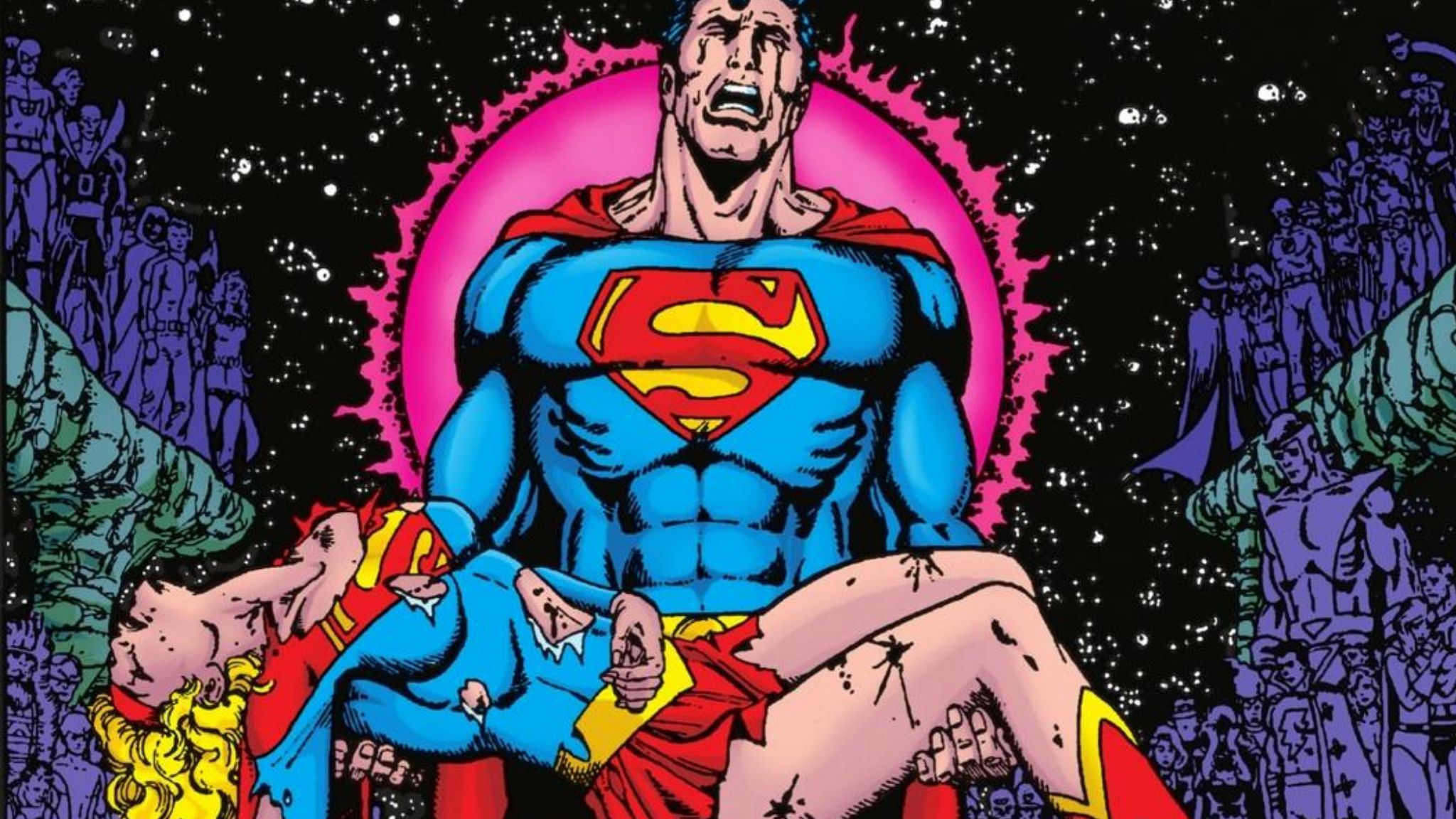
4) Crisis on Infinite Earths

The “Crisis on Infinite Earths” was a groundbreaking move by DC Comics, restructuring their fictional universe in ways no other major company had attempted before. This series aimed to consolidate DC’s complex multiverse into a single, coherent universe, where Superman, Batman, and Wonder Woman all inhabited the same reality. The storyline involved the Anti-Monitor systematically destroying multiple universes, while heroes from various realities banded together to preserve what remained of existence. This series saw the demise of longstanding characters and rewrote histories that fans had been following for years. Its commercial triumph demonstrated to DC, and eventually Marvel, that readers were open to events with continuity-changing implications, paving the way for subsequent series like “Infinite Crisis,” “Final Crisis,” and “Flashpoint.” Unintentionally, it set off a cycle of crisis-reboot-crisis that has significantly influenced DC’s publishing strategy, with varying results. Significantly, it established the notion that comic universes could periodically be revised to address continuity issues.
3) Watchmen

Published by DC Comics as a 12-part series with a limited run during the 1980s, “Watchmen” was part of a trend towards more sophisticated and avant-garde storytelling in comics at that time. In “Watchmen,” the murder of an ex-costumed hero known as The Comedian initiates a chain of events that pulls a tight-knit group of former vigilantes into investigating if someone is systematically targeting those with superhero identities. As the story unfolds, what initially appears to be a straightforward murder mystery evolves into a much larger, complex narrative exploring themes of morality, justice, and the consequences of difficult decisions.
If there’s one potential issue with “Watchmen”, it lies in its influence over numerous comics that adopted its somber tone without the same level of moral complexity. While this isn’t a fault of the book itself, it can sometimes lead readers to recall it as merely “grim” instead of “thoughtfully crafted.” The intricacies within the storyline are crucial, particularly in how they contribute to the central theme of whether actions taken for the greater good can justify questionable methods. “Watchmen” transcends the task of challenging the superhero mythos; it provides a more authentic portrayal of the weighty responsibility associated with making decisions that impact others. It’s no surprise that discussions about its ending persist decades later, as the issues it raises are profound and without straightforward resolutions-exactly what makes it unique.
2) The Sandman
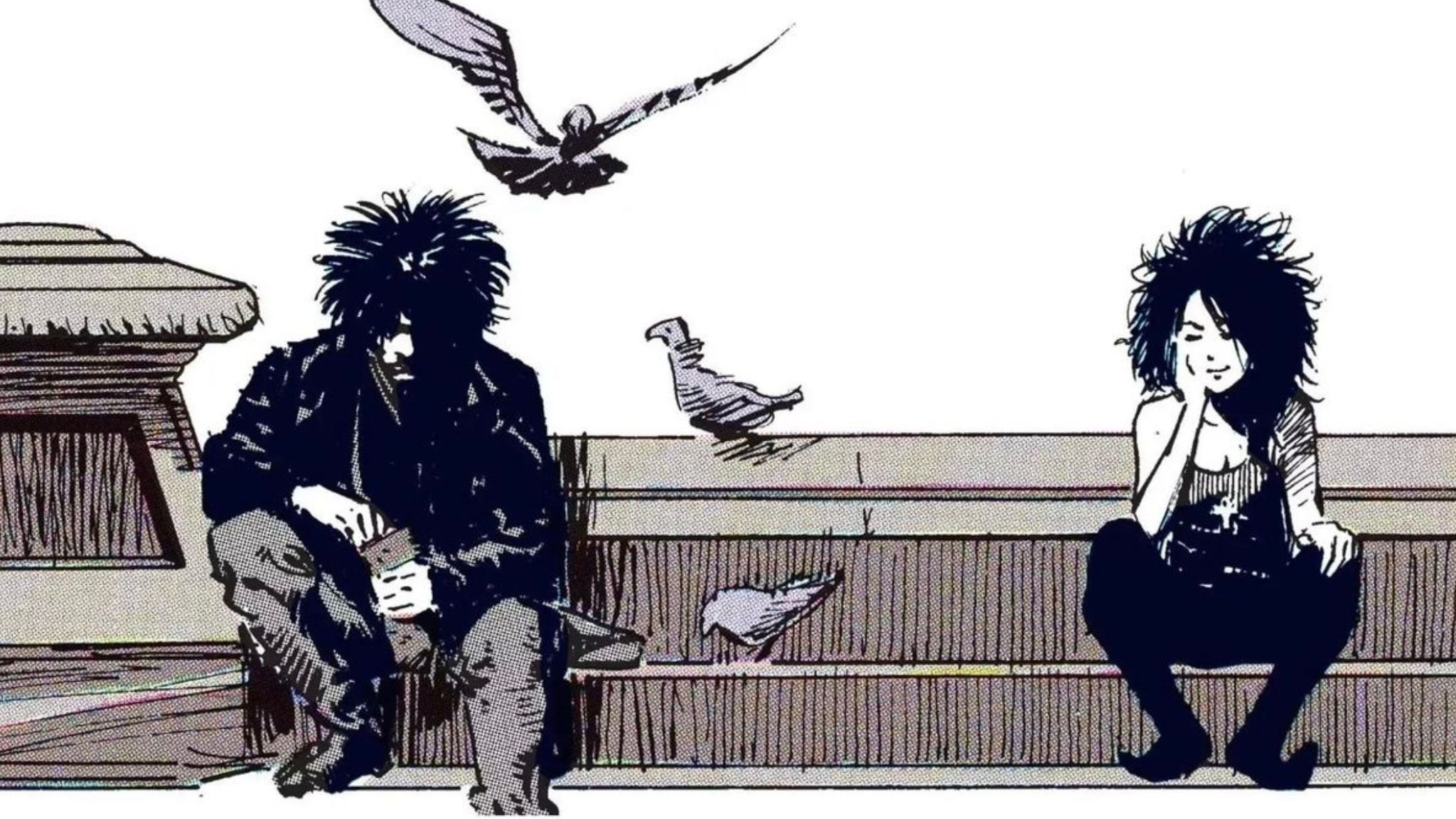
Neil Gaiman, often lauded as one of the most distinguished authors today (despite his share of controversies), is particularly renowned for his work, “The Sandman.” In this series, Dream, also known as Morpheus – one of seven entities known as the Endless who control various aspects of existence – takes center stage. After being imprisoned in a magical seal for seven decades by an aspiring sorcerer, Dream regains his freedom and embarks on a mission to restore his realm while confronting numerous issues that have accumulated during his absence. It’s important to note that characterizing “The Sandman” solely as Dream’s story would be misleading, as the series employs him as a vehicle to delve into an array of stories nestled within stories. Gaiman masterfully merges mythology, fantasy, horror, and philosophy into an expansive narrative that consistently defies conventional storytelling norms.
1) All-Star Superman

The 2005 graphic novel “All-Star Superman” by Grant Morrison and Frank Quitely encapsulates the essence of what makes Superman exceptional in a single, standalone narrative. Following an incident where Superman is exposed to excessive solar radiation, he discovers he has a finite lifespan remaining. Subsequently, he embarks on a series of extraordinary missions, striving to improve the world before his time runs out. This story elicits deep emotional resonance and stands as one of the most compelling Superman narratives ever crafted.
As Superman confronts his mortality, his actions reveal that his self-restraint, kindness, and faith in humanity are not inherent traits but rather conscious choices he makes, even when he could have chosen differently at any moment. This work subtly explores the question of whether an ideal can truly be human, answering with a tender affirmation of yes.
For those who may perceive Superman as dull or uninteresting, “All-Star Superman” serves as a powerful refutation of this notion. It showcases a hero facing his own mortality with dignity and determination, making for an engaging and thought-provoking read.
https://comicbook.com/comics/news/avengers-best-stories-when-they-lose/embed/#
Read More
- Gold Rate Forecast
- Looks Like SEGA Is Reheating PS5, PS4 Fan Favourite Sonic Frontiers in Definitive Edition
- Dune 3 Gets the Huge Update Fans Have Been Waiting For
- Pluribus Star Rhea Seehorn Weighs In On That First Kiss
- Arknights: Endfield – Everything You Need to Know Before You Jump In
- Jack Osbourne Shares Heartbreaking Tribute to Late Dad Ozzy Osbourne
- Antiferromagnetic Oscillators: Unlocking Stable Spin Dynamics
- 5 Weakest Akatsuki Members in Naruto, Ranked
- Kelly Osbourne Slams “Disgusting” Comments on Her Appearance
- Every Upcoming Transformers Movie: Release Dates, Details, & Everything We Know
2025-09-04 00:18